admin
admin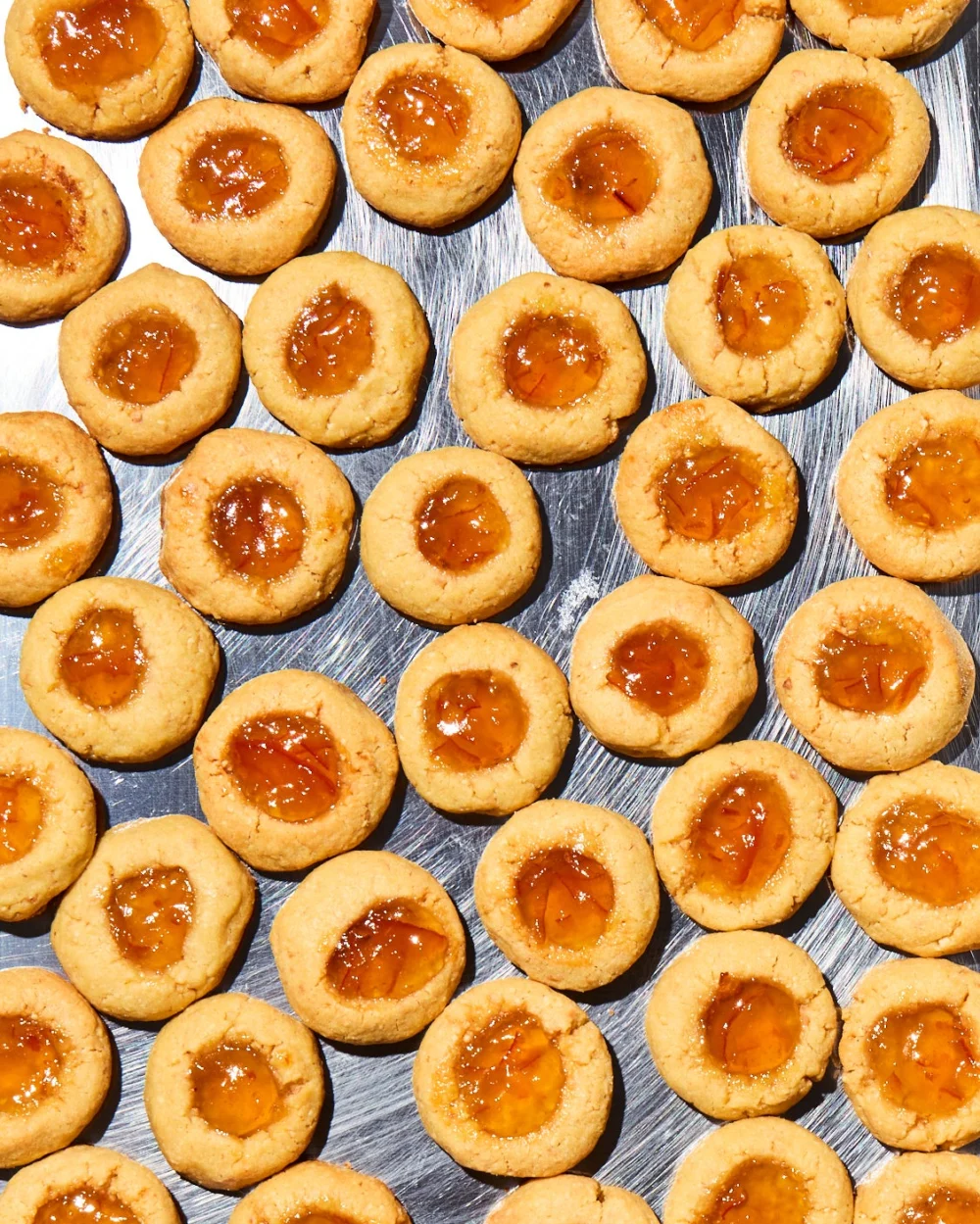
A meticulously detailed recipe for almond and marmalade cookies has recently come to light, offering home bakers a precise guide to crafting these delightful treats. The instructions, broken down into four clear steps, outline the process from initial ingredient preparation to the final cooling stage. This comprehensive recipe, which emphasizes specific techniques and timings, suggests a commitment to achieving a superior texture and flavor profile, potentially elevating the humble cookie to a gourmet experience.
Genesis of a Sweet Treat: Unpacking the Recipe’s Origins and Intent
While the immediate context surrounding the release of this specific recipe remains unstated in the provided text, the very nature of its detailed instructions points towards a deliberate effort to standardize and perfect a classic confection. Such detailed recipes often emerge from culinary institutions, professional bakeries seeking to share their signature creations, or even meticulous home bakers who have dedicated significant time to recipe development. The inclusion of precise measurements, mixing speeds, oven temperatures, and cooling times suggests a desire to eliminate guesswork and ensure consistent, high-quality results for anyone attempting to replicate the cookies.
The core ingredients—flour, almonds, butter, sugar, egg yolks, vanilla and almond extracts, and marmalade—are foundational to many classic cookie recipes. However, the specific ratios and the method of incorporating them are where the true art lies. The instruction to "whisk together the flour, almonds, and salt" in Step 1 indicates a proactive approach to evenly distributing the dry components, preventing pockets of salt or unmixed flour. This initial step, though seemingly simple, is crucial for the final texture. Almonds, finely ground or slivered, add a distinct nutty flavor and a subtle crunch, complementing the sweetness of the cookie base.
Step 2 delves into the creaming process, a cornerstone of butter-based baking. The directive to "beat the butter and sugar on medium-high until light and fluffy, about 2 minutes" is a critical indicator of proper aeration. This process incorporates air into the fat and sugar mixture, which contributes to the cookie’s lift and tender crumb. The subsequent addition of egg yolks, followed by vanilla and almond extracts, signifies a focus on richness and aromatic depth. Egg yolks, with their higher fat content compared to whole eggs, contribute to a more tender and moist cookie, while the dual extracts promise a complex, layered flavor profile. The instruction to "mix until combined, scraping down the sides of the bowl as needed" underscores the importance of thorough incorporation, ensuring all ingredients are fully integrated for a homogeneous dough. The gradual addition of the flour-almond mixture on low speed, "mixing just until no white streaks remain," is a classic technique to avoid overdeveloping gluten, which can lead to tough cookies. The chilling period, "at least 30 minutes, or up to 7 days," is a vital step for dough hydration and structure. Refrigeration allows the flour to fully absorb the moisture, firms up the butter, and makes the dough easier to handle, leading to better cookie shape and texture during baking.
The Art of Assembly: Shaping and Filling for Optimal Flavor
Step 3 transitions from dough preparation to the physical assembly of the cookies, highlighting techniques designed for both aesthetic appeal and consistent baking. The preheating of the oven to 350°F (175°C) on "upper and lower thirds of the oven" is a standard recommendation for even heat distribution, crucial for preventing hot spots and ensuring uniform browning. Rolling the dough into "1-tablespoon balls" provides a precise portion control, leading to uniformly sized cookies that bake at the same rate. The spacing of "at least 1 inch apart" on parchment-lined baking sheets is essential to allow for spread during baking and to prevent cookies from merging.
The most distinctive element of Step 3 is the creation of an indentation in the center of each ball using a thumb or the back of a round measuring spoon. This technique serves a dual purpose: it creates a well for the filling and helps the cookie bake more evenly by thinning the center. The instruction to "smooth any cracked edges" is a testament to the recipe’s pursuit of a polished finish, indicating that even minor imperfections should be addressed for a professional presentation. Finally, filling each indentation with "1 teaspoon of the marmalade" introduces the contrasting flavor and texture that defines these cookies. The choice of marmalade, whether a classic Seville orange or a more adventurous citrus blend, will significantly influence the final taste. The precise measurement of the marmalade ensures a balanced ratio of cookie to filling.
The Crucial Bake: Achieving Golden Perfection
Step 4 details the baking process, emphasizing precision to achieve the desired outcome. The directive to "bake, switching racks and rotating the baking sheets halfway through" is a critical technique for ensuring even cooking. Ovens often have temperature variations between racks, and rotating the sheets compensates for these differences, guaranteeing that all cookies receive consistent heat exposure. The specified baking time of "12–15 minutes" until "light golden brown" provides a clear visual cue for doneness. Overbaking can lead to dry, hard cookies, while underbaking will result in a doughy center. The instruction to "set aside to cool slightly, then transfer the cookies to a wire rack to cool completely before serving" is paramount for texture development. Cooling on the baking sheet initially allows the cookies to firm up enough to be moved without breaking, while complete cooling on a wire rack promotes air circulation, preventing the bottoms from becoming soggy and ensuring a crisp texture. The final note that "the cookies will keep in an airtight container for up to 5 days" offers practical advice for storage, indicating a recipe designed for both immediate enjoyment and future consumption.
Supporting Data and Culinary Context
The ingredients and techniques employed in this recipe are well-established within the baking community. For instance, the creaming of butter and sugar, as described in Step 2, is a fundamental technique used in cakes, cookies, and pastries to create a light and tender crumb. The ratio of flour to fat in a typical shortbread-style cookie, which this recipe appears to emulate, often hovers around 2:1 or 3:1 by weight, ensuring a crumbly, melt-in-your-mouth texture. The inclusion of almond flour or finely ground almonds (as implied by "almonds" in Step 1) is a common practice in European baking, particularly in regions like France and Italy, where almond-based pastries and cookies are traditional. For example, macarons, a notoriously delicate French cookie, rely heavily on almond flour for their characteristic texture.
The chilling of cookie dough, a key step in this recipe, is supported by scientific principles. When dough is chilled, the fat solidifies, making it less prone to spreading during baking. This allows the cookie to hold its shape better and bake with a denser, more satisfying texture. Furthermore, chilling allows the gluten strands that form during mixing to relax, resulting in a more tender cookie. The moisture content also redistributes within the dough, leading to a more uniform bake.
The baking temperature of 350°F (175°C) is a standard for many cookies, striking a balance between cooking the interior and browning the exterior without burning. The rotation of baking sheets is also a common practice in professional bakeries to counteract the natural heat fluctuations within an oven. Studies on oven temperature uniformity have shown that deviations of up to 50°F (28°C) can occur between different zones of a single oven, making rotation a vital step for consistent results.
The use of marmalade as a filling introduces a bright, often slightly bitter, citrus note that cuts through the richness of the buttery cookie. Marmalade, traditionally made from citrus fruits like oranges, is characterized by the inclusion of the peel, which provides a unique texture and aromatic complexity. The natural pectin in the fruit peel also helps the marmalade set, making it an ideal filling that won’t run out during baking.
Inferred Reactions and Broader Impact
While no direct quotes are available, the meticulous nature of these instructions strongly suggests a desire to empower bakers of all skill levels. A professional baker or culinary instructor might release such a recipe to establish a benchmark for quality, perhaps as part of a cookbook, a baking class curriculum, or a blog post aimed at elevating home baking standards. The emphasis on technique implies an educational intent, aiming to teach not just what to do, but why it is done.
For home bakers, this recipe represents an opportunity to elevate their cookie-making repertoire. The detailed steps demystify potentially complex baking processes, making them accessible. The success of these cookies could lead to increased confidence in tackling more intricate recipes. Furthermore, the ability to store the dough for up to seven days offers significant flexibility for busy individuals who wish to bake fresh cookies on demand.
The potential implications of such a well-defined recipe extend to the culinary landscape. If widely adopted, it could contribute to a renewed appreciation for artisanal cookie-making techniques. It might also inspire other culinary creators to share their own detailed recipes, fostering a culture of transparency and shared knowledge within the baking community. The sustained popularity of such recipes can also influence ingredient sourcing, potentially increasing demand for high-quality almonds and various types of marmalade.
Conclusion: A Blueprint for Sweet Success
This detailed recipe for almond and marmalade cookies offers a clear roadmap to achieving a superior baked good. By meticulously outlining each stage, from ingredient preparation and dough chilling to precise baking and cooling, it empowers bakers with the knowledge and techniques necessary for success. The underlying principles, rooted in established culinary science and tradition, ensure that the resulting cookies are not only delicious but also a testament to the art of baking. The recipe’s clarity and comprehensiveness suggest a commitment to quality and a desire to share a truly exceptional baking experience, solidifying its place as a valuable resource for any aspiring baker.