admin
The inaugural Hood River Orchard and Ale Festival recently concluded on the banks of the Columbia River, marking a significant milestone for the regional tourism and craft beverage sectors in Oregon. Set against the backdrop of the Columbia River Gorge National Scenic Area, the event served as both a celebration of the harvest season and a showcase for one of the most dense concentrations of world-class craft breweries in the United States. While the festival highlighted the technical proficiency of local brewers, it also underscored the unique environmental and geological factors that have allowed this small community of approximately 8,000 residents to become a global destination for beer enthusiasts.
Environmental Dynamics and Festival Logistics
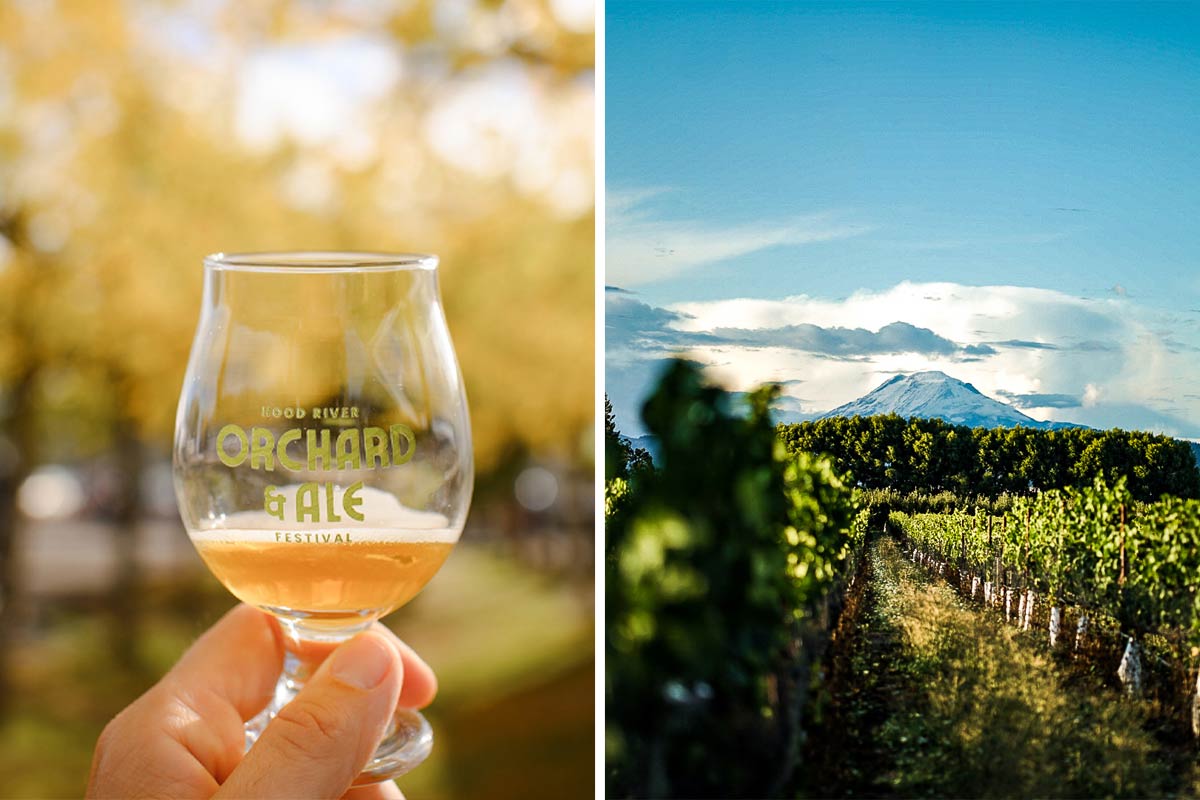
The festival’s location on the Hood River waterfront provided attendees with a direct view of the Columbia River, a waterway that has carved a deep canyon through the Cascade Mountains over millions of years. This geography creates a natural wind tunnel, a phenomenon that was on full display during the event. Steady early-October gusts, which typically draw windsurfers and kiteboarders to the area, necessitated a shift in festival logistics. Many attendees transitioned from lightweight plastic tasting vessels to heavier, commemorative tulip glassware to prevent the wind from displacing their beverages.
This environmental characteristic is more than a logistical hurdle for events; it is a defining feature of the region’s identity. The Gorge’s wind patterns, combined with its dramatic topography—featuring waterfalls, rainforests, and mountain overlooks—contribute to a microclimate that supports both the local orchard industry and the specific requirements of high-volume craft brewing.
The Geological Foundation of Hood River Brewing
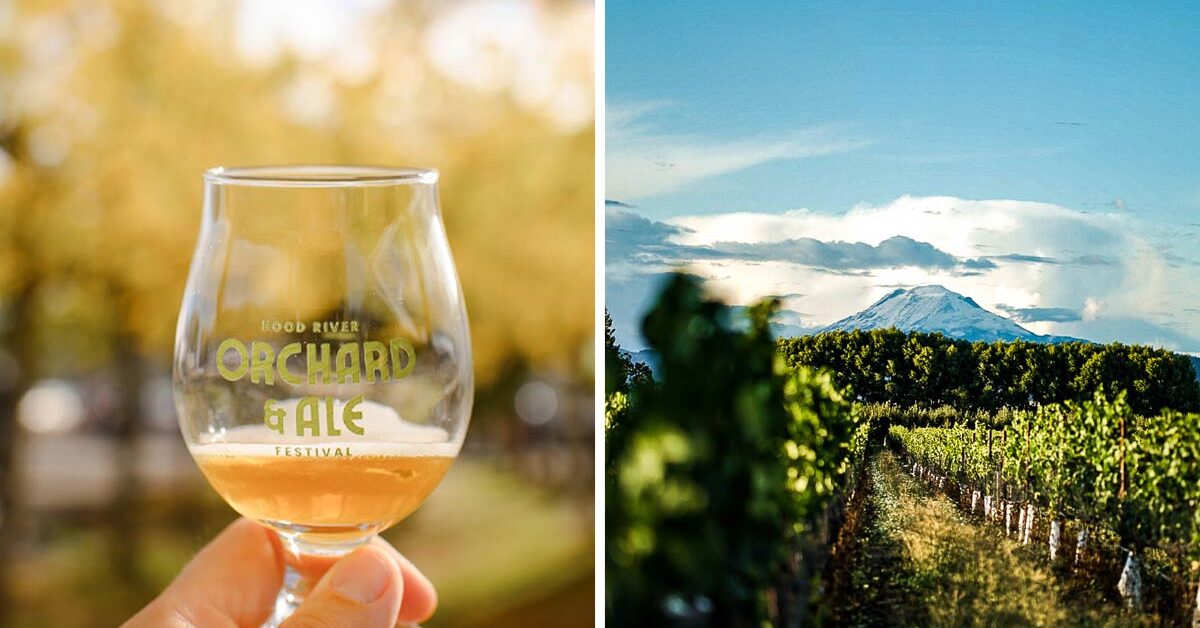
A critical factor in the success of the Hood River brewing scene is the quality of the local water supply. Unlike many municipalities that draw from surface river water, Hood River breweries utilize the Hood River watershed. This water originates as snowmelt from the 14,000-foot peaks of the Cascade Mountains. As the water travels toward the valley, it undergoes a natural filtration process through volcanic basalt rock.
According to geological and brewing analysis, this process strips away harsh impurities while retaining a specific mineral profile that creates a "soft" and clean base. For brewers, this water requires minimal chemical adjustment, making it ideal for delicate styles such as pilsners and lagers. This high-quality water source is coupled with the town’s proximity to the Willamette Valley, one of the most productive hop-growing regions in the world. The synergy between volcanic-filtered water and fresh, locally sourced hops provides the region with a competitive advantage that is difficult to replicate elsewhere.
Economic Impact and Industry Density
Hood River boasts one of the highest concentrations of breweries per capita in North America. With more than half a dozen major operations serving a permanent population of just over 8,000, the craft beer industry has become a primary driver of the local economy. According to data from the Oregon Brewers Guild, the craft beer industry contributes approximately $9 billion to the state’s economy annually. In Hood River, this impact is felt through direct employment, agricultural partnerships with local orchards, and a robust tourism sector that draws visitors from across the Pacific Northwest and beyond.
The Orchard and Ale Festival represents a strategic effort to bridge the gap between the region’s historic agricultural roots—specifically its world-renowned pear and apple orchards—and its modern identity as a fermentation hub. By integrating local fruit into the brewing process, such as the use of Oregon strawberries in farmhouse-style ales, the industry creates a circular local economy that supports both farmers and brewers.
A Chronology of the Hood River Brewing Scene
The development of the Hood River beer landscape can be categorized into three distinct waves, each representing a different era of the American craft beer movement.
The Pioneers (1987–2000)
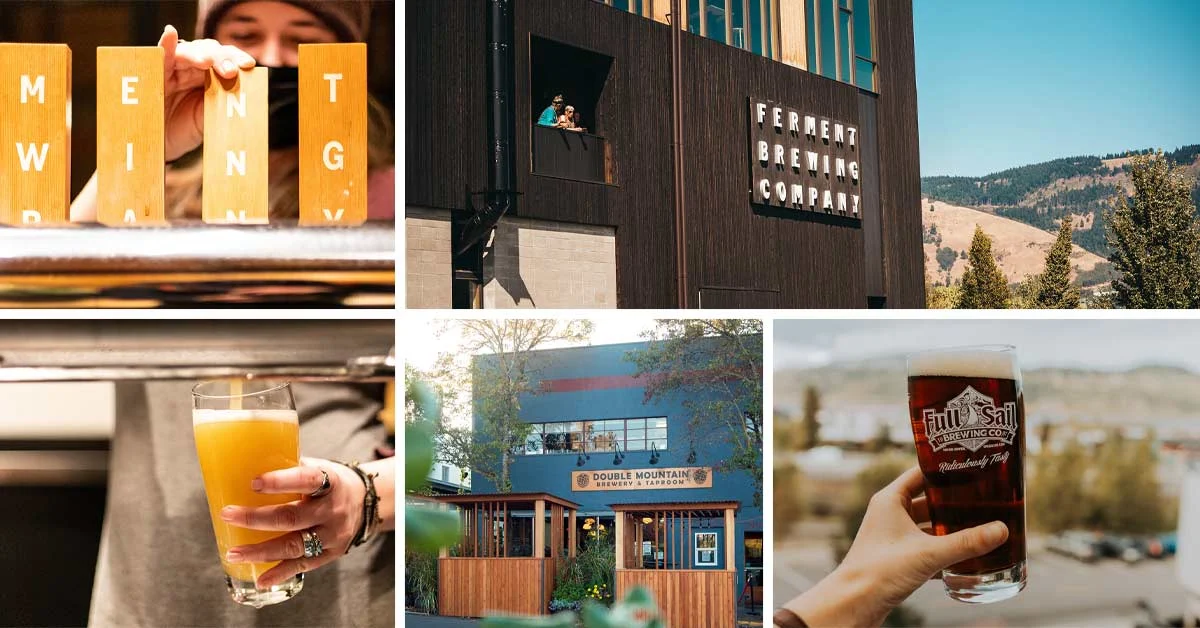
The foundation of the local industry was laid in 1987 with the establishment of Full Sail Brewing Co. As an "original gangster" of the craft movement, Full Sail was instrumental in transitioning the American palate away from mass-produced lagers toward more complex, hop-forward styles. Their flagship Amber Ale remains a staple of the region, representing the malty, spicy profiles that defined early craft brewing.
The Expansionists (2007–2015)
The second wave saw the arrival of institutions that focused on blending traditional European styles with Pacific Northwest innovation. Double Mountain Brewery, founded in 2007, became a downtown pillar known for its commitment to sustainability and its use of unique hop varieties in IPAs.
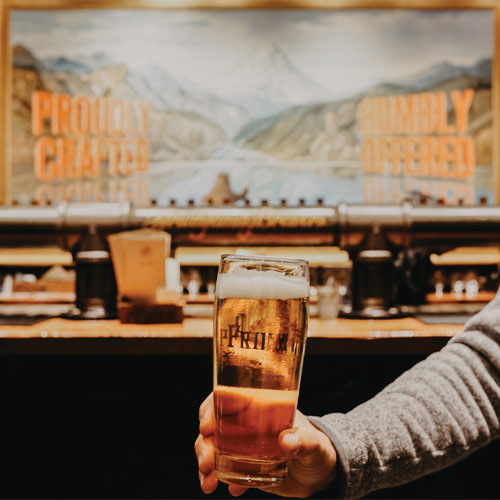
In 2012, pFriem Family Brewers launched on the waterfront, quickly ascending to national prominence. pFriem’s success is often attributed to its dual focus on Belgian-inspired ales and rigorous German-style lagers. The brewery’s growth has been a major factor in the revitalization of the Hood River waterfront, turning a former industrial area into a premier destination for culinary and beverage tourism.
The Modern Innovators (2020–Present)
The most recent additions to the scene reflect a trend toward hyper-localism and specialized fermentation techniques. Ferment Brewing Company, located near pFriem, utilizes farmhouse techniques to capture the "terroir" of the Gorge. In 2023, the Hood River Brewing Company opened its doors, offering eclectic selections like Mexican Amber Lagers.
The timeline continues into 2025 with the launch of The Walled Garden, a public house by Kings & Daughters Brewery. This latest entry highlights the industry’s continued confidence in the Hood River market, focusing on refined hazy IPAs and light lagers that cater to evolving consumer preferences for lower-alcohol, high-flavor beverages.
Technical Analysis of Regional Beer Styles
The diversity of beer styles presented at the Hood River Orchard and Ale Festival reflects the technical maturity of the local workforce. Observers noted a significant emphasis on "bottom-fermenting" beers, which require precise temperature control and longer maturation periods than standard ales.
- Lagers and Schwarzbiers: Working Hands Fermentation has garnered attention for its focus on these styles. Their Night Shift Schwarzbier, for instance, demonstrates the ability to produce a dark lager that maintains a light body and subtle smokiness, a balance that requires significant technical skill.
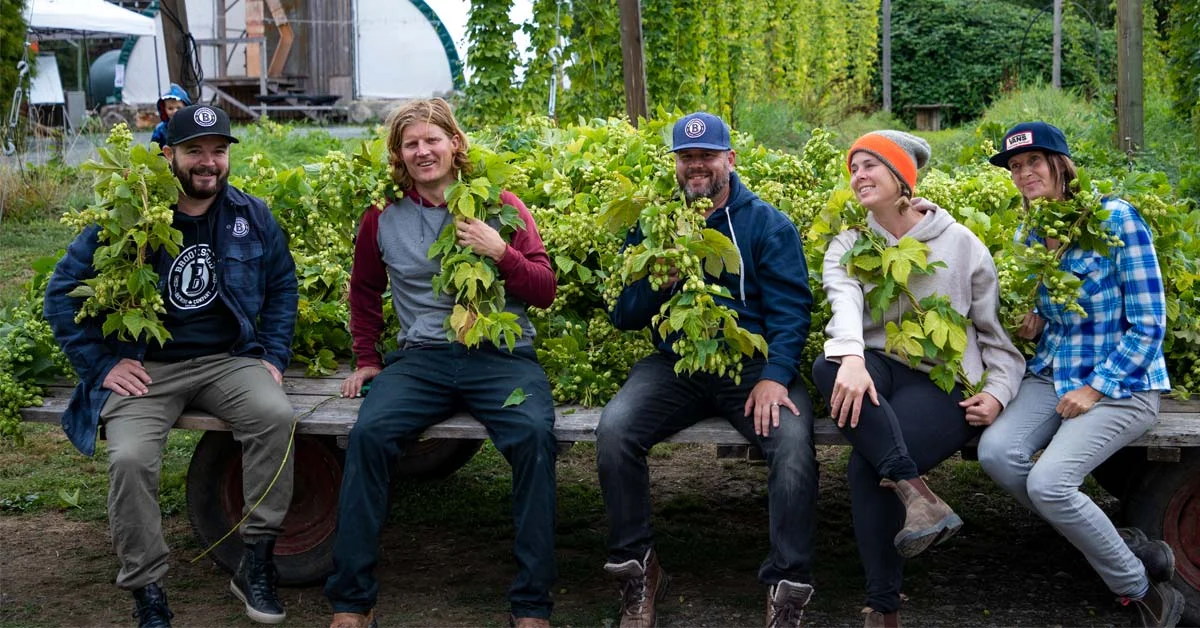
- Fresh-Hop Variations: Due to the proximity to hop farms, Hood River breweries are among the few in the world capable of producing "fresh-hop" beers. Unlike traditional brewing, which uses dried pellets, these beers use hops harvested within hours of being added to the kettle. The result is a more vibrant, floral, and "green" aromatic profile, as seen in the seasonal offerings from pFriem and Double Mountain.
- Fruit-Infused Sours: Leveraging the "Orchard" aspect of the region, breweries like Ferment use local strawberries and other stone fruits to create tart, refreshing ales that reflect the seasonal harvest.
Broader Implications for the Columbia River Gorge
The success of the inaugural Orchard and Ale Festival suggests that Hood River is successfully navigating the post-pandemic shift in the craft beer industry. While some regions have seen a decline in taproom traffic, Hood River’s integration of outdoor recreation, agricultural heritage, and high-quality production has created a resilient tourism model.
The festival also highlighted the importance of infrastructure in supporting these events. The waterfront area, once dominated by timber and shipping interests, has been successfully repurposed into a multi-use space that accommodates both recreational athletes and the hospitality industry. However, the high winds noted during the event serve as a reminder of the environmental constraints that planners must consider as they look to expand the festival in future years.
Conclusion
The Hood River Orchard and Ale Festival is more than a local gathering; it is a manifestation of a unique intersection between geography, geology, and industry. From the volcanic-filtered waters of the Cascades to the innovative techniques of modern brewers, the event showcased why the Columbia River Gorge remains a pivotal location in the global craft beer narrative. As the industry continues to evolve with new entrants like Kings & Daughters and established leaders like Full Sail and pFriem, Hood River’s position as a premier destination for "quality per capita" appears secure. The integration of local agriculture and technical brewing excellence ensures that the region will continue to influence the broader trends of the American craft beverage market for years to come.