admin
The landscape of American craft beer has undergone a radical transformation since the initial microbrewing revolution of the 1980s and 1990s. During those formative decades, the industry was defined by a commitment to traditional European styles, followed by an intense preoccupation with the bitterness of the India Pale Ale (IPA). However, as the market reached a point of saturation in the mid-2010s, with thousands of breweries competing for shelf space, the necessity for innovation became a matter of survival. This environment birthed a variety of experimental sub-genres, but few have been as disruptive or as polarizing as the smoothie sour. Characterized by an opaque, viscous body and an overwhelming profile of fruit purée, these beers represent a departure from the Reinheitsgebot—the German Beer Purity Law—and a move toward a culinary-focused beverage experience.
The lineage of the smoothie sour can be traced back to traditional European souring methods, specifically the Berliner Weisse and the Gose. While these styles historically offered a subtle, tart acidity, American craft brewers began to amplify these traits through a process known as "kettle souring." This technique allowed for a quicker production turnaround compared to traditional barrel-aging, providing a clean, acidic canvas. As the "fruited sour" became a staple in taprooms across the country, brewers began to push the boundaries of texture and sweetness, eventually incorporating unfermented fruit solids, lactose, and various dessert-inspired adjuncts to create what is now recognized as the smoothie sour.
Pioneers of the Viscous Pour
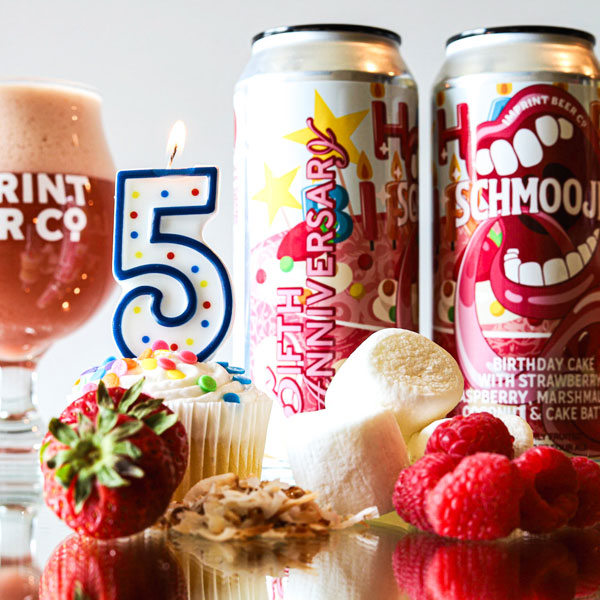
The emergence of the style was not a centralized movement but rather a series of independent innovations by breweries looking to challenge the palate of the average consumer. Imprint Beer Company, located in Hatfield, Pennsylvania, is frequently cited as a primary architect of the movement. According to co-founder and brewer Ryan Diehl, the brewery’s pivot toward the style occurred during a pivotal event that he describes as their "coming out party." Having already established a reputation for diverse styles, the team decided to experiment with a beer called Puffsicle. This inaugural smoothie sour featured a combination of raspberry, blueberry, pineapple, and marshmallow.
The consumer response was immediate and overwhelming, signaling a shift in market demand. This success led to the development of the Schmoojee line, which has since become a benchmark for the style. Imprint’s production process for these beers is distinct from their standard ales. After a base beer is brewed, it undergoes a fermentation period lasting between eight and eleven days. Once the primary fermentation is complete, the base sour is blended with a heavy concentration of adjuncts, including cheesecake, white chocolate, fudge, and vanilla waffles. This method ensures that the fruit and dessert flavors remain prominent rather than being fermented into alcohol, preserving the "smoothie" consistency that fans expect.
Rebranding Through Innovation in Texas
While some breweries adopted the smoothie sour as a primary identity, others used the style as a tool for brand reinvention. In Dallas, Texas, 903 Brewers had been operating for six years before they recognized a shift in consumer behavior. Owner and founder Jeremy Roberts noted the rising popularity of ready-to-drink (RTD) cocktails and a growing segment of the population that felt alienated by the bitterness of traditional hops.
In an effort to capture this demographic, 903 Brewers developed a cherry limeade sour, intentionally designed to mimic the flavor profile of popular drive-in slushies. The rapid sell-out of this product prompted the creation of the "Slushy" line, which includes eccentric offerings such as the Blueberry Donut Slushy and the Ice Cream Truck Slushy. One of their most visually striking releases, the Dad’s Day Out Slushy, even incorporates edible glitter. This strategic move toward "fun" beer has allowed the brewery to maintain relevance in a hyper-competitive market by treating beer as a versatile medium for flavor rather than a rigid category.
Technical Complexity and Safety Standards
Despite their whimsical appearance, smoothie sours require a high degree of technical proficiency to produce safely. Because these beers often contain high amounts of residual sugar and unfermented fruit purée, they are prone to secondary fermentation inside the can. If left untreated, this can lead to "exploding cans," a significant liability for breweries. Consequently, many leaders in the field have invested in advanced stabilization equipment.
At Oozlefinch Beers & Blending in Fort Monroe, Virginia, the transition to smoothie sours was driven by a desire for flavor stability. Founder and CEO Russ Tinsley observed that earlier iterations of fruited sours often lost their sweetness over time as the yeast consumed the fruit sugars. To combat this, the brewery introduced "A Very Thirsty Caterpillar," which utilized heavy doses of vanilla and lactose to maintain a dessert-like profile.
Logan Morris, the head brewer at Oozlefinch, refers to these creations as "Kool-Aid for adults," yet emphasizes that the process is far from simple. The brewery employs a specific strain of yeast designed to produce lactic acid and occasionally uses charcoal as a thickening agent to achieve the desired opacity. Crucially, Oozlefinch utilizes "back-sweetening"—the addition of flavors after the primary fermentation is complete—and passes the final product through a pasteurizer. Pasteurization kills any remaining yeast, ensuring the beer remains shelf-stable and preventing the risk of refermentation in the package.
The Culinary Influence and Sensory Experience
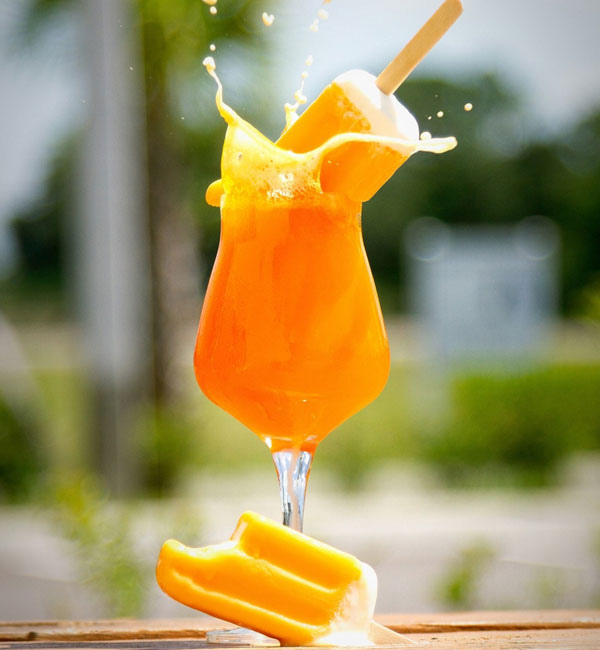
For many brewers, the smoothie sour is an extension of the culinary arts. Corporate Ladder Brewing in Palmetto, Florida, focuses on the sensory experience, treating each beer as a liquid dessert. Co-owners Blake Kleppe and James Herrholz have built their "Dessert Station" line on the premise of flavor accuracy. Their portfolio includes beers inspired by Laffy Taffy, pumpkin pie a la mode, and orange creamsicles.
Herrholz notes that the goal is for the beer to taste exactly like the food that inspired it. This requires rigorous ingredient sourcing and a deep understanding of how different flavors interact. For example, their "Intangible" beer is conditioned on specific varieties of tangerine and vanilla beans to replicate the exact nostalgic notes of a creamsicle. This focus on "culinary-inspired beer" has broadened the brewery’s appeal, drawing in patrons who might otherwise prefer wine or cocktails over traditional lagers.
Market Implications and Demographic Shifts
The rise of the smoothie sour reflects a broader trend in the beverage industry toward "flavor-forward" products. Data from the Brewers Association suggests that while IPAs remain the top-selling craft style, the "fruit beer" and "sour ale" categories have seen consistent growth over the last five years. This shift is particularly pronounced among younger drinkers and those new to the craft beer scene.
The success of the style has also fostered a unique subculture within the brewing community. A "brotherhood and sisterhood" has formed among breweries that specialize in these heavy-adjunct beers. Notable entities such as Drekker Brewing Company in North Dakota, Mortalis Brewing Company in New York, Burley Oak Brewery in Maryland, 450 North Brewing Company in Indiana, and The Answer Brewpub in Virginia frequently collaborate, sharing techniques and ingredients. These collaborations often result in "event-style" releases, where consumers travel long distances or wait in lines to secure limited-edition cans.
Addressing the Traditionalist Critique
The smoothie sour is not without its detractors. Traditionalists often argue that these beverages should not be classified as beer, given their departure from standard brewing ingredients and their thick, non-transparent appearance. However, the brewers behind the movement remain largely unconcerned with categorical labels. Blake Kleppe of Corporate Ladder sums up the sentiment by stating that if a customer enjoys the liquid, the technical classification is secondary.
This pragmatic approach highlights a significant shift in the industry’s philosophy: the prioritization of the consumer’s palate over historical adherence to style. By creating a "sweet liquid for adults," these breweries have effectively lowered the barrier to entry for the craft beer world, introducing a new audience to the creativity of independent brewing.
Future Outlook
As the craft beer market continues to evolve, the smoothie sour appears to have moved beyond the status of a passing fad to become a permanent fixture of the industry. Its inherent flexibility allows brewers to constantly iterate, using seasonal fruits and trending dessert flavors to keep the offerings fresh. While the production of these beers requires significant investment in safety and stabilization, the high consumer demand and the ability to command premium prices make it an attractive venture for innovative breweries.
Ultimately, the smoothie sour represents the "maximalist" phase of American craft beer. It is a style that celebrates excess, nostalgia, and the breaking of boundaries. As long as brewers continue to experiment with new ingredients and consumers continue to seek out unique sensory experiences, the smoothie sour will remain a vibrant, if unconventional, pillar of the modern brewing landscape. Through collaboration and a commitment to quality, the pioneers of this style have proven that there is always room for one more trend at the craft beer table, provided it tastes as good as the inspiration behind it.