admin
The Intersection of Utility and Artistry in the Modern Kitchen
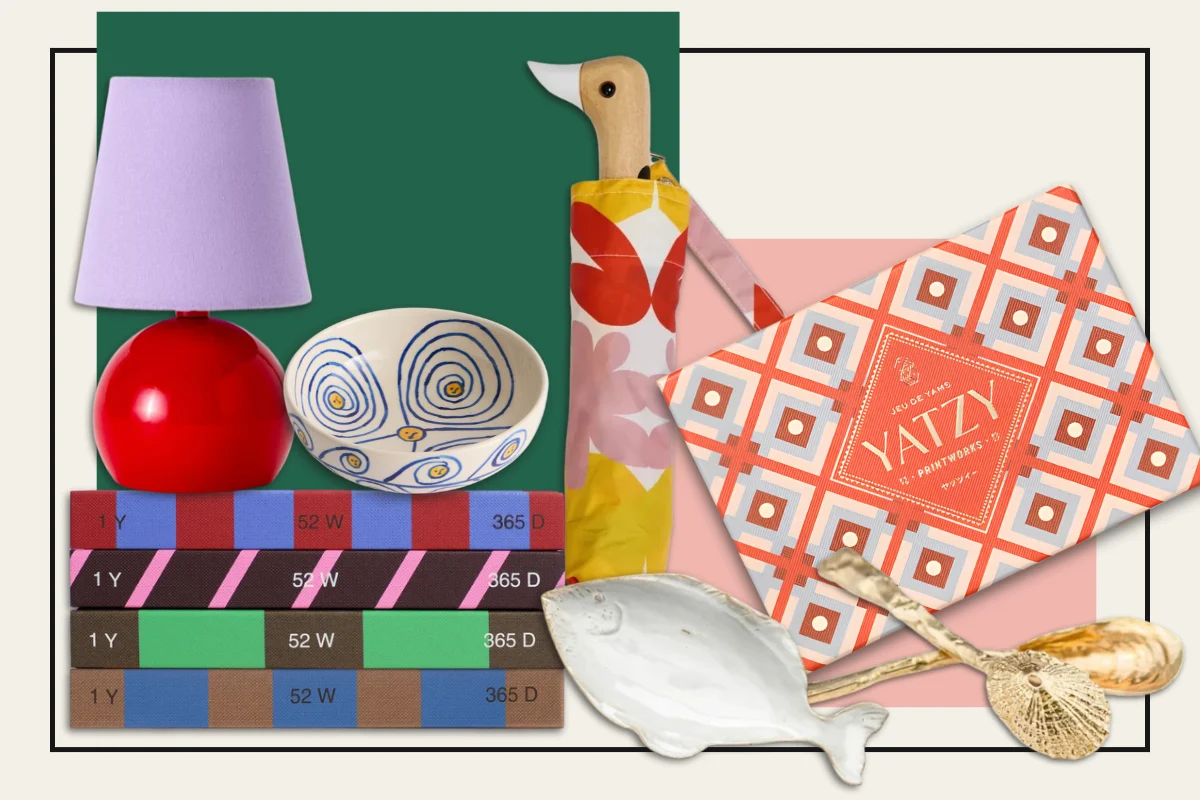
The contemporary kitchen has evolved from a purely utilitarian space into a gallery for functional art. This transition is exemplified by the Shell Espresso Spoon Set by Shelton Metal. Designed by Colby Shelton Byrd, these spoons represent a growing trend where jewelry designers apply their expertise in metallurgy and organic forms to homeware. Hand-carved and cast in solid brass, these objects are designed to develop a natural patina, a characteristic highly valued by the "slow living" movement which embraces the aging process of natural materials. Market analysis indicates that consumers are increasingly seeking "heirloom-quality" small goods that offer a tactile experience superior to stainless steel or plastic alternatives.

Similarly, the Stainless Steel Egg Cup Set by Valsa Home and the Spirale Bowl by Emma Kohlmann for Hay reflect a resurgence of mid-century and Renaissance-inspired aesthetics. The Spirale Bowl, part of Hay’s La Pittura collection, leverages the historical significance of Tuscan pottery and apothecary jars, reimagining them for a modern audience. By employing artisans in Sri Lanka to hand-paint each piece, brands like Hay are able to offer the "uniqueness" of a gallery piece at a price point that fits the "under $50" criteria. This strategy addresses the consumer desire for "perceived scarcity" and artisanal touch in an age of mass production.

Organizational Design as a Lifestyle Statement
The "work from home" revolution has fundamentally altered the demand for office and organizational tools. No longer relegated to the garage or the junk drawer, storage solutions are now expected to contribute to the visual harmony of a living space. The Niwaki Y-Type Tool Box, manufactured in Japan, serves as a primary example of this shift. Japanese steel-working traditions, historically associated with professional-grade gardening and culinary tools, are being repackaged for the creative class. The pitched lid and industrial durability of the Y-Type box allow it to transition from a literal toolbox to a container for art supplies or desk accessories, reflecting a broader trend toward "industrial chic" in interior design.

Complementing this industrial aesthetic is the Task Roller by Wms&Co. and the 1Y 52W 365D Planner by Present & Correct. These objects cater to the "analog revival," a documented psychological shift where individuals seek physical interaction with paper and pen to combat digital fatigue. Data from the Stationery Manufacturers Association shows a steady 5% annual increase in the sales of premium planners and handwritten-task tools among Gen Z and Millennial cohorts. These demographics view high-quality stationery not just as a tool for organization, but as a "desk-scape" accessory that signals a commitment to mindfulness and professional curation.

Whimsy and the Psychology of "Dopamine Decor"
A significant portion of the 2024 gift market is driven by "Dopamine Decor"—the practice of choosing home goods that evoke joy through bright colors, playful shapes, and unexpected humor. The Matisse Duck Umbrella by Original Duckhead is a cornerstone of this category. By combining a handle carved into a duck’s head with a canopy made from recycled plastic bottles (rPET), the product hits two major consumer nerves: sustainability and whimsy. Retail analysts note that "functional humor" is a powerful driver in the gift market, as it makes the giver appear thoughtful and creative.

This trend extends to the Everybody Grinder by Dusen Dusen for Areaware and the Pigeon Glasses Holder by Emma Chamberlain for West Elm. The latter is particularly notable for its tie-in with a high-profile influencer, Emma Chamberlain, whose collaboration with West Elm signals the mainstreaming of "absurdist" home decor. These objects, often featuring faces or animal forms, serve as "conversation pieces" in a home, breaking the monotony of minimalist interiors. The White Elephant Gift from Coming Soon—a glass featuring a literal miniature elephant inside—further underscores the market’s appetite for literal interpretations and "easter egg" design details that reveal themselves through use.

Heritage Techniques and Sustainable Innovation
Sustainability is no longer a niche requirement but a standard expectation in the design-led gift market. However, the 2024 selection shows a move beyond simple "recycling" toward "heritage innovation." The Pepin Olla Self-Watering Pot utilizes an irrigation technique that dates back thousands of years. By using the natural porosity of clay to regulate moisture, the product offers a low-tech, high-efficiency solution to plant care. This appeals to the "eco-conscious" consumer who is also looking for "set-it-and-forget-it" functionality.

The Longpi Oil Burner by Toast further highlights the importance of cultural heritage in modern retail. Hand-molded using techniques unique to northeastern India, the black stone and clay mixture provides a narrative of origin that adds value to the product. According to a 2023 consumer report on luxury spending, 68% of respondents stated they were more likely to purchase an item if it came with a documented story of traditional craftsmanship. This "story-telling" element allows a $50 item to carry the weight and respect of a much more expensive artifact.

The Gamification of Art and Archives
The 2024 gift landscape also sees a significant intersection between high art and leisure. The Frank Stella Harran II Puzzle by Galison and the Memory Three game by Maharam are representative of how iconic archives are being licensed to create interactive experiences. Frank Stella’s "Protractor" series, a staple of 1960s minimalism, is translated into a 750-piece jigsaw puzzle, allowing the consumer to "build" a masterpiece. This follows the "puzzle boom" of the early 2020s, which has matured into a market for "aesthetic puzzles" that are meant to be framed or displayed after completion.

Maharam’s Memory Three game takes a similar approach, using its extensive textile archive to create a game that doubles as a history of 20th-century design. By featuring patterns from celebrated designers, the game educates the consumer while providing entertainment. This trend of "archival play" allows brands to monetize their history while providing the consumer with a sense of intellectual and aesthetic enrichment.

Economic Context and Market Implications
The selection of these 22 items occurs against a backdrop of complex economic signals. While luxury furniture sales have seen a slight cooling, the market for "accessible design" is thriving. Economists often refer to the "Lipstick Effect," where consumers, facing economic uncertainty, forgo large-scale luxury purchases in favor of smaller, high-quality indulgences. The $30 to $50 range is the "sweet spot" for this behavior, as it allows for the prestige of a brand name (like MoMA, Hay, or West Elm) without the associated high-ticket price.

Furthermore, the rise of "curated marketplaces" like Goodee and Design Milk has shifted power away from traditional department stores. These platforms act as editors, filtering the vast sea of e-commerce into a manageable selection of "vetted" goods. This editorial transparency—often assisted by AI tools for research and copy refinement, as noted by industry leaders—ensures that the products meet specific criteria for design integrity and manufacturing ethics.

Future Outlook for Design-Led Gifting
Looking toward 2025 and 2026, the trajectory of the design-led gift market suggests an even deeper integration of technology and tradition. The Pop Phone by Native Union, which connects a retro handset to a modern smartphone, hints at a "nostalgia-tech" movement that is likely to expand. As digital lives become more complex, the demand for objects that anchor us to the physical world—whether through a weighted brass spoon, a textured ceramic bowl, or a hand-wound task roller—will continue to grow.

In conclusion, the 2024 selection of gifts under $50 is a testament to the fact that good design is not a function of price, but of intention. By focusing on materials, heritage, and a touch of humor, these objects elevate the "everyday" into something memorable. For the retail industry, the success of these items reinforces the importance of "personality-driven" product development. For the consumer, it provides an opportunity to participate in the world of high design on a sustainable budget, proving that the most meaningful gifts are often those that bring a thoughtful twist to the rituals of daily life.