admin
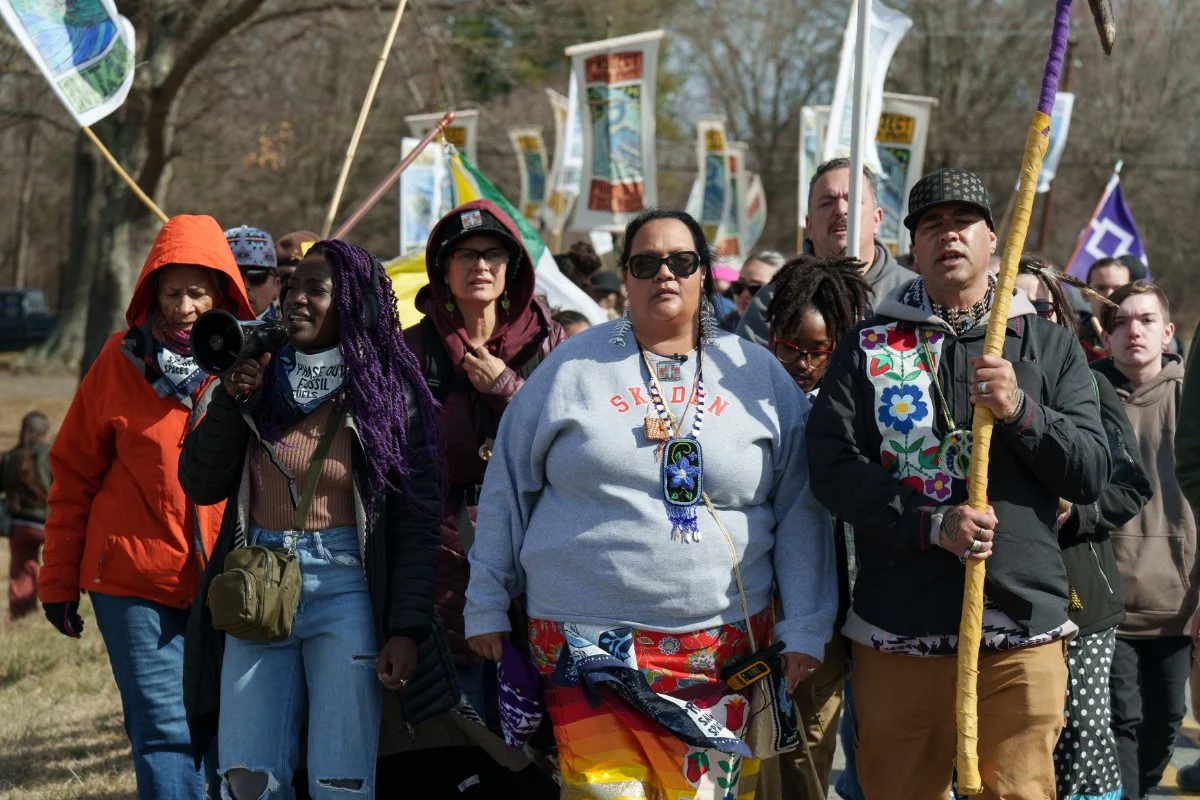
A profound journey of cultural awakening and agricultural stewardship is unfolding on the East Coast, spearheaded by a dedicated community leader whose personal story intertwines with the broader movement for Indigenous food sovereignty. This initiative, centered around a burgeoning farm known as YESA Farm, is not merely about growing food; it is a deliberate act of reconnecting with ancestral heritage, revitalizing traditional practices, and fostering community resilience in the face of historical adversity and contemporary challenges. The farm’s efforts highlight a growing trend among Indigenous communities to reclaim control over their food systems, thereby strengthening cultural identity, improving health outcomes, and promoting environmental sustainability.
An Awakening to Heritage and the Call for Advocacy
The protagonist’s path to embracing her Indigenous heritage was significantly influenced by her marriage to her second husband, a man of Choctaw descent from Louisiana. This union served as a catalyst, opening her eyes to the rich tapestry of Indigenous cultures and histories. Her husband, having lived in California, brought a different perspective on Indigenous activism, observing that communities there often adopt a more outspoken and "radical" approach. This region, she notes, has historically been a crucible for significant social movements, including the Black Panthers and the Brown Berets, which championed civil rights and self-determination for marginalized communities.
This contrasts sharply with her observations on the East Coast, where Indigenous and Black communities historically faced immense pressure that often stifled overt public activism. The fear of being "made an example of" or "martyred" was a stark reality, limiting the collective ability to organize and speak out due to smaller populations and severe repercussions. This historical context underscores the courage required for any act of resistance or advocacy in these regions. Despite these historical risks, the community leader firmly believes in the necessity of speaking out. "If I’m going to be martyred for speaking out, it is what it is," she asserts, emphasizing the critical role of individual courage in inspiring collective action and dispelling fear, particularly in anticipation of future "adversity and hardship." Her commitment to shaping her own identity through this work is deeply personal, driven by a desire to pass on the teachings of her grandparents to her children, enabling them to "distinguish and discern what is Indigenous and what is dominant" in a world often dictated by mainstream narratives.
The Genesis of YESA Farm: From Backyard Garden to Community Hub
The seeds of YESA Farm were sown from a simple, yet profound, desire shared by the couple: to cultivate their own food. Concerned about the perceived "poisoned" nature of industrial food systems, they began with a modest raised garden bed. This initial step quickly transcended personal sustenance, evolving into a broader vision for community well-being.
A pivotal moment occurred at a conference focused on Native American foods and seed saving. There, they connected with Angela Ferguson, an Onondaga woman from New York, who leads Braiding the Sacred, an organization dedicated to cultural revitalization through seed stewardship. Ferguson’s inspiring work in providing food for her Nation through traditional seed saving resonated deeply. "Oh my God, that’s amazing! That’s what I want to get to, having food for the community," the community leader recalled thinking. This encounter was transformative, solidifying their commitment to expand beyond a personal garden into a full-fledged community food initiative.
Following the conference, Angela Ferguson and her team from Braiding the Sacred visited the farm, providing invaluable expertise and hands-on support to construct more raised beds. This collaboration marked a significant step forward, bringing with it the exciting prospect of reintroducing heirloom varieties like Tuscarora corn. The experience was not just about building infrastructure; it was a profound educational exchange, deepening their understanding of different corn varieties and the intricate history behind them.
A Full Circle Moment: Reclaiming Ancestral Seeds and History
The journey into seed saving led to a poignant "full circle moment" through a seed exchange event at the Cayuga Nation in New York. This event was not merely a transaction of seeds but a powerful act of historical reconnection and cultural revitalization. The community leader brought Tutelo corn, cultivated at YESA Farm, to gift back to the Cayugas. This gesture carried immense symbolic weight, acknowledging the historical adoption of the Tutelo people by the Cayuga Nation centuries ago, following a period of immense displacement and conflict.
To fully grasp the significance of this exchange, one must delve into the complex history of the Indigenous peoples of the Virginia Colony. The community leader’s studies revealed the history of the Occaneechi, particularly their experiences at Fort Christanna. Established by Governor Spotswood in 1714, Fort Christanna represented the westernmost frontier of European influence in Virginia. More than a military outpost, it housed a school devised by Spotswood and sponsored by the College of William and Mary, aimed at teaching Indigenous children Christianity and English, effectively serving as an instrument of forced assimilation.
Within the Christanna settlement, various tribes—including the Occaneechi, Monacan, Eno, Tutelo, and Saponi—were forcibly housed together. This created a "melting pot" of Eastern Siouan-rooted tribes, whose diaspora descendants eventually merged into a unified identity known as the Saponi. This period of forced cohabitation and assimilation was compounded by the devastating effects of the Tuscarora War (1711-1715). This brutal conflict, primarily between the Tuscarora people and European settlers along with their Indigenous allies, resulted in immense loss of life and land for the Tuscarora and allied tribes. Historical accounts estimate thousands of Indigenous people were killed or enslaved during the war, drastically altering the demographic and political landscape of the region. For the peoples now known as Saponi, the war’s aftermath was particularly harsh. Their communities were split: one half migrated north, finding refuge and adoption by the Cayuga people, who diligently preserved their stories, songs, and cultural practices. The other half chose to remain on their ancestral lands, enduring acculturation and assimilation to avoid further displacement.
The act of returning Tutelo corn to the Cayuga Nation thus symbolized the mending of historical fractures, a bridge connecting the separated branches of a shared lineage. It was a tangible expression of gratitude for the Cayugas’ role in safeguarding a vital piece of collective heritage and a reaffirmation of the enduring connection between people, land, and ancestral seeds. This pivotal moment solidified the farm’s commitment to "build back our seed bank," leading to sustained efforts to grow traditional corn and other crops. The challenge of cross-pollination among different corn varieties necessitates careful planning, often involving close friends and community members who dedicate plots to specific varieties, further weaving a web of interconnectedness. Regular seed exchanges at the farm reinforce the belief that "food… brings people together," building relationships alongside agricultural output.
YESA Farm: Cultivating Sovereignty, Sustaining Community
Today, YESA Farm stands as a vibrant hub of Indigenous food sovereignty. Beyond the vital corn, the farm cultivates the traditional "Three Sisters"—corn, beans, and squash—a testament to ancient Indigenous agricultural wisdom that promotes symbiotic growth and ecological balance. An herb garden provides traditional medicines, while newly gifted Tuscarora pumpkin seeds anticipate future harvests. The farm also boasts a diverse array of native fruits and nuts, including blueberries, pecans, black walnuts, figs, pawpaws, peaches, persimmons, choke cherries, and ground cherries, reflecting a deep understanding of local ecosystems and edible landscapes.
The farm’s commitment extends beyond its acreage. A community food box system allows those in need to access fresh produce, with aspirations to launch a subscription farm box to expand its reach. Community engagement is central to YESA Farm’s mission, primarily through its "Land Days." These events, typically held seven or eight times a year but now increasing in frequency due to a heightened focus on food sovereignty, are immersive experiences designed to foster connection and education. Each Land Day commences with a ceremony, including an offering to the land that reflects the current season, ensuring a respectful and reciprocal relationship with nature. Participants then engage in various tasks, from transplanting blueberries and building greenhouses to preparing meals in the kitchen or sharing songs. This inclusive approach ensures that everyone, regardless of their gardening expertise, can contribute and experience community in a meaningful way. After approximately four hours of work, participants gather for educational pieces, often involving documentaries shown on a large screen, reinforcing the farm’s didactic role.
The Broader Implications of Indigenous Food Sovereignty
The work at YESA Farm embodies the multifaceted objectives of the broader Indigenous food sovereignty movement, which seeks to restore Indigenous control over food systems from production to consumption. This movement directly addresses numerous historical injustices and contemporary challenges faced by Indigenous communities.
-
Cultural Revitalization: By cultivating traditional crops and practicing ancestral farming methods, food sovereignty initiatives actively revive endangered knowledge systems, languages, and ceremonies. The act of growing Tutelo corn, for instance, is not just about agriculture; it is about keeping a cultural memory alive, strengthening identity, and teaching younger generations about their heritage. The loss of traditional foods has often gone hand-in-hand with the loss of cultural practices, languages, and spiritual connections to the land. Reclaiming these seeds is a profound act of cultural resilience.
-
Health and Wellness: Indigenous communities disproportionately suffer from diet-related illnesses such as type 2 diabetes, heart disease, and obesity, a direct consequence of historical policies that disrupted traditional food systems and forced reliance on processed, nutrient-poor foods. Food sovereignty efforts provide access to nutritious, culturally appropriate foods, which are fundamental to improving health outcomes and combating these systemic health disparities. Data from organizations like the Centers for Disease Control and Prevention (CDC) consistently show higher rates of these chronic diseases among Indigenous populations compared to the general U.S. population, underscoring the urgency of food system interventions.
-
Environmental Stewardship: Indigenous ecological knowledge (IEK), honed over millennia, offers sustainable land management practices that prioritize biodiversity, soil health, and water conservation. The philosophy articulated by the community leader—"We were given this Earth and the land, and it gives back to us—it sustains us. But in return, we have to sustain it"—stands in stark contrast to dominant industrial practices that often exploit resources without regard for long-term ecological balance. This reciprocal relationship with the land is a cornerstone of Indigenous environmental ethics and provides a vital model for addressing the global climate crisis.
-
Economic Self-Determination: By establishing local food systems, Indigenous communities can reduce their reliance on external, often exploitative, food supply chains. This fosters economic self-sufficiency, creates local jobs, and ensures that resources remain within the community. The aspiration for a subscription farm box at YESA Farm exemplifies this drive for localized, resilient economies.
-
Justice and Healing: Food sovereignty is inherently an act of reparative justice, countering centuries of land dispossession, forced relocation, and assimilation policies that sought to sever Indigenous peoples from their traditional lifeways. The return of ancestral seeds and the revitalization of farming practices are powerful acts of healing and self-determination, affirming Indigenous rights to land, culture, and self-governance.
In essence, YESA Farm’s efforts, alongside countless other Indigenous-led initiatives across North America, represent a powerful movement to weave together personal journeys, historical memory, and community action. By cultivating the land with reverence and sharing its bounty, they are not only providing sustenance but also forging a resilient, culturally rich future rooted in the wisdom of their ancestors and a profound commitment to reciprocity with the Earth. This paradigm, the community leader emphasizes, is one that calls for a fundamental shift in perspective: "I want people to realize that we really have to take care of what we were given." It is a call to humility, stewardship, and the recognition that true sustenance comes from honoring the Earth that sustains us all.