admin
London, UK – In an era where consumer preferences are rapidly evolving, particularly among younger demographics, the wine industry is actively seeking innovative ways to engage new audiences. Decanter, a leading authority on wine, has launched its "Gen Z Wine Challenge," an initiative designed to encourage individuals aged 18 to 29 to explore wines beyond their established comfort zones, often with surprising results. The latest participant, Kathryn, a 24-year-old journalist based in Westminster, London, embarked on a journey that saw her firmly held preference for red wine unexpectedly challenged, leading to a significant discovery in the realm of white wines. Her experience highlights the power of informed retail recommendations and the potential for quality, value-driven wines to reshape consumer habits.
The Genesis of the Challenge: Engaging a New Generation
The "Gen Z Wine Challenge" by Decanter aims to bridge the gap between traditional wine appreciation and the evolving tastes and purchasing habits of Generation Z. This demographic, often characterized by its digital native status, a strong emphasis on value, authenticity, and sustainability, and a readiness to seek out new experiences, presents both opportunities and complexities for the wine market. Decanter’s initiative directly addresses these aspects by inviting young professionals to step outside their usual selections, often guided by expert advice, and share their candid experiences. The underlying goal is to demystify wine, showcase its diversity, and demonstrate that quality and enjoyment are not exclusively tied to high price points or specific varietals. This approach fosters a sense of discovery and personal connection, crucial for building long-term engagement with wine among a generation that values personal narrative and unique experiences.
For Kathryn, a journalist navigating the fast-paced environment of London, wine has long been a part of her unwinding ritual. Her declared preference for red wine, which she describes as "chic, sexy and delightfully warm," had been an almost unwavering constant in her adult life. She articulated a view common among many red wine enthusiasts: that white and rosé wines "pale (literally) in comparison, lacking a depth of flavour or a certain richness." This deep-seated conviction was rooted in experiences that included tasting "excellent red wine in the vineyards of Mendoza, Argentina," yet in her daily London life, her choices typically remained within the accessible "under £10" price bracket found in supermarkets. The Decanter challenge presented an opportunity for her to "up the ante," pushing her beyond her usual selections and price ceiling, albeit with the implicit expectation that she would continue her exploration within the red wine category.
A Detour from the Familiar: The Independent Retailer’s Influence
Kathryn’s challenge began with an intention to support local, independent businesses, a growing trend among Gen Z consumers who prioritize ethical consumption and community engagement. Her chosen destination was Authentique Epicerie & Bar in Tufnell Park, a London establishment known for its distinctive cobalt blue shopfront and curated selection. Her initial plan was straightforward: to select a red wine, likely a Merlot, with an appealing label, priced around £16. This approach reflects a common consumer behaviour, where visual appeal and perceived value often guide purchasing decisions, especially for those less familiar with specific producers or regions.
However, her visit took an unexpected turn, illustrating the profound impact that knowledgeable retail staff can have on consumer choices. Upon sharing her participation in Decanter’s challenge and her initial Merlot selection with Ollie, a shop assistant, Kathryn encountered a strong recommendation that would redefine her immediate path. Ollie, exhibiting the passion and expertise characteristic of independent wine merchants, "insisted that I get something better at his recommendation." He presented a bottle, confidently declaring it "the best value for money out there!" The only caveat, a significant one for Kathryn, was that it was a white wine.
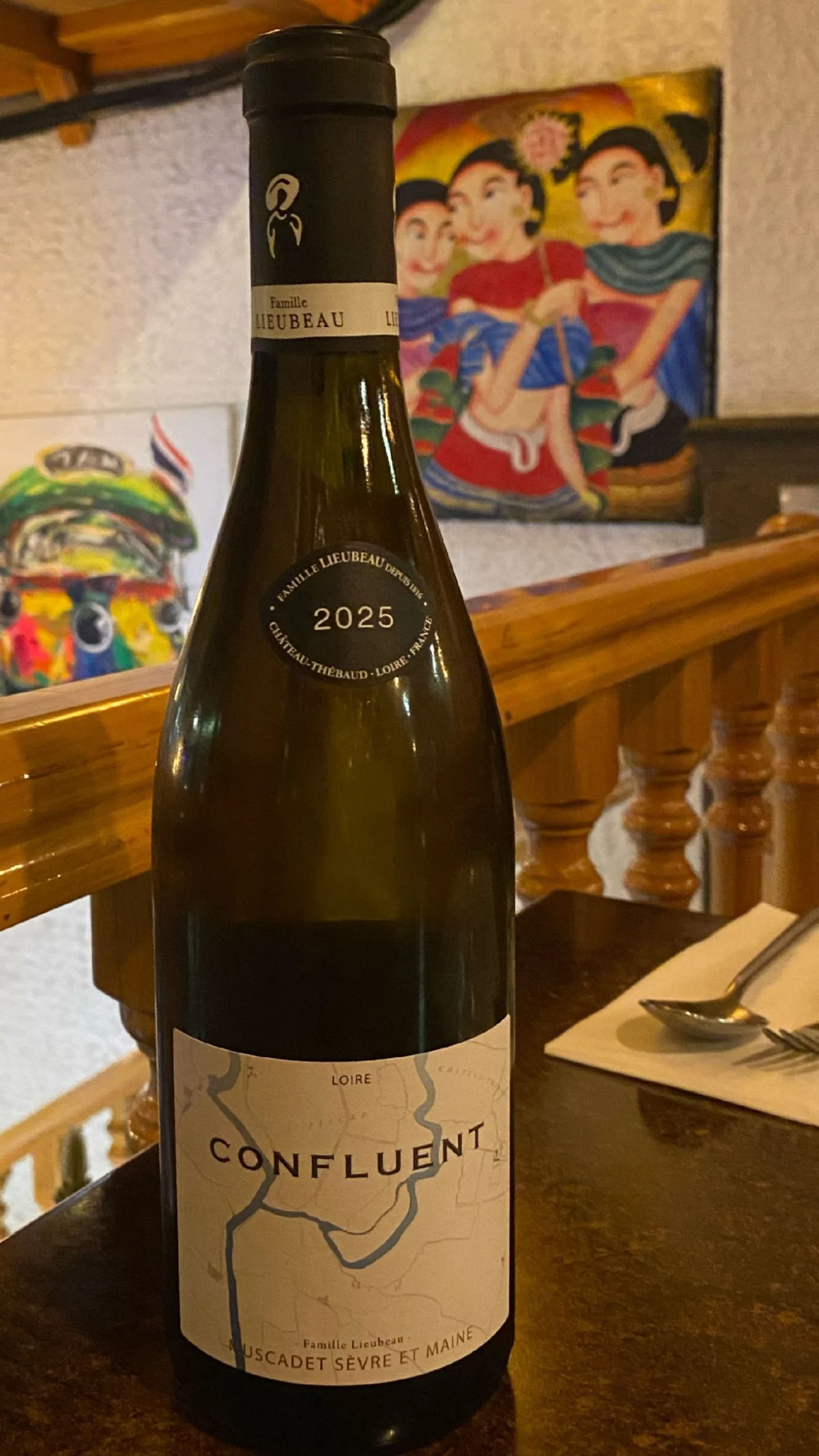
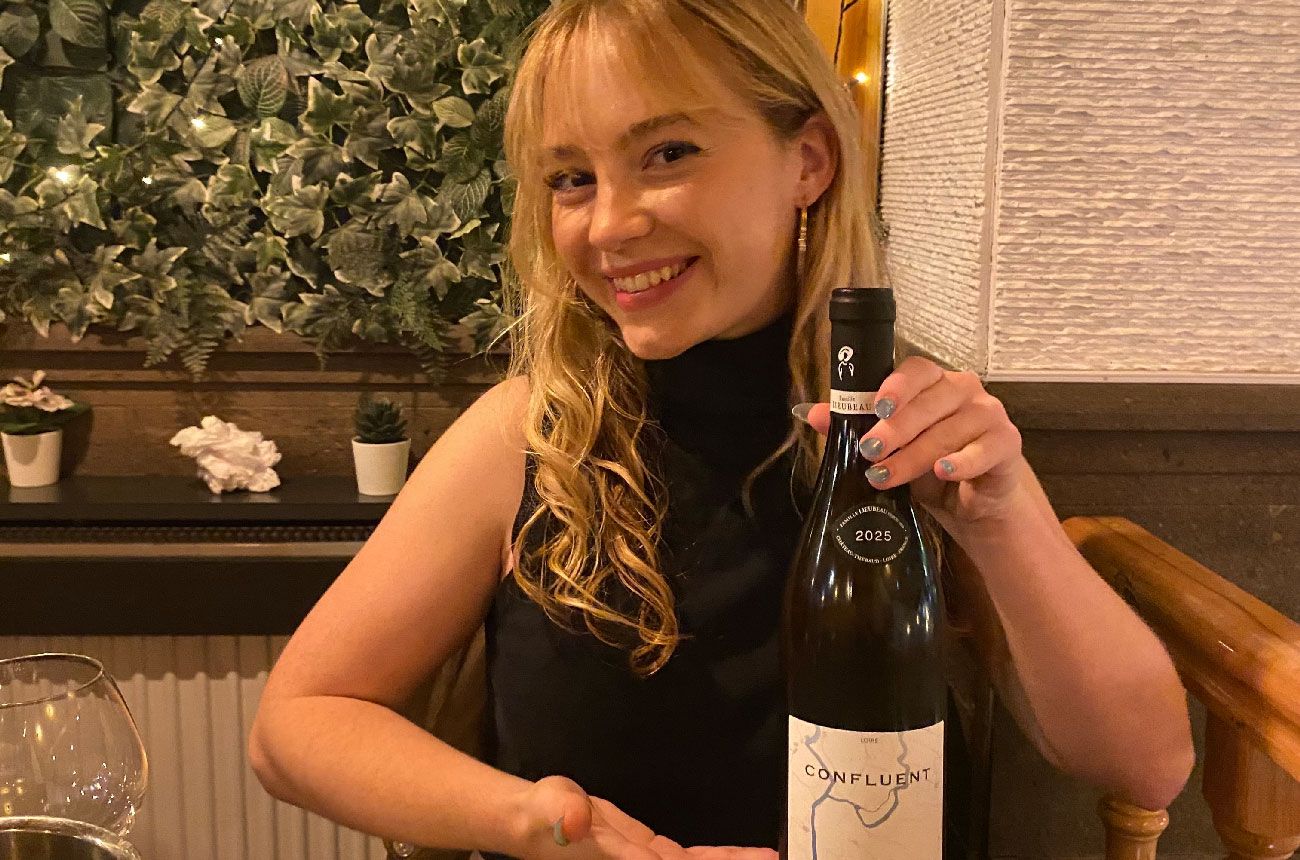
This pivotal interaction underscores the vital role of independent wine shops in the modern market. Unlike large supermarkets, these establishments often offer a personalized shopping experience, where staff possess in-depth product knowledge and a genuine enthusiasm for guiding customers. Such recommendations can be instrumental in encouraging consumers to venture beyond their comfort zones, fostering trust and education. For Kathryn, the challenge itself served as the impetus to consider Ollie’s advice, transforming what would have been a routine purchase into an adventurous exploration. She ultimately swapped her chosen red for the recommended white, a bottle of Famille Lieubeau, Confluent, Muscadet de Sèvre et Maine, Loire, France 2025, maintaining her new £16 budget.
Unveiling the Muscadet de Sèvre et Maine: A Deep Dive into Terroir and Tradition
The wine chosen for Kathryn, Famille Lieubeau’s Confluent Muscadet, hails from the Loire Valley, one of France’s most diverse and historic wine regions. Specifically, it comes from the Muscadet de Sèvre et Maine appellation, located in the western Loire, near the Atlantic coast. This region is almost exclusively dedicated to the Melon de Bourgogne grape, a varietal distinct from the more aromatic Sauvignon Blanc or Chenin Blanc that dominate other parts of the Loire. Melon de Bourgogne is celebrated for its ability to produce crisp, dry white wines that express their unique terroir with remarkable clarity.
The Famille Lieubeau domaine itself has a rich history rooted in family dedication and sustainable practices. Founded in 1982 by Pierre and Chantal Lieubeau, the estate is now managed by their three children, with Vincent overseeing winemaking and the 70 hectares of vineyards. A notable aspect of their commitment to quality and environmental stewardship is their organic certification, achieved from the 2018 vintage onwards. This certification reflects a growing trend in the wine industry towards sustainable practices, appealing particularly to younger consumers who are increasingly conscious of environmental impact. Organic viticulture, which eschews synthetic pesticides, herbicides, and fertilizers, is believed by many to result in healthier vines and more expressive wines, allowing the true character of the land to shine through.
The Confluent cuvée, which Kathryn sampled, is particularly noteworthy. It originates from an east-facing parcel of 25-year-old vines, rooted in gneiss soils. Gneiss, a metamorphic rock, is known to impart a distinctive minerality to the wines grown upon it, often described as a flinty or saline quality. The parcel’s name, "Confluent," refers to its location near the convergence of the Sèvre and Maine rivers, a geographical feature that contributes to the appellation’s unique microclimate and soil composition.
A key element in Muscadet winemaking, and specifically for the Confluent, is "sur lie" aging. This technique involves aging the wine on its spent yeast cells (lees) for an extended period, in this case, approximately nine months. The lees impart a richer, more complex texture and flavour profile to the wine, adding a creamy or bready note and enhancing its mouthfeel. While preserving Muscadet’s characteristic vibrant acidity and maritime salinity, sur lie aging prevents the wine from tasting thin or overly austere, providing a balance that can appeal to a broader palate, including those accustomed to richer red wines. The 12% alcohol content is also typical for Muscadet, making it a refreshing and food-friendly choice.
The Tasting Experience: A Revelation at Granary Thai Café
The moment of truth arrived for Kathryn the following week, during a casual Friday evening outing with a friend at Granary Thai Café near Finsbury Park, a BYOB (Bring Your Own Bottle) establishment. This setting, with its relaxed atmosphere and spicy Thai cuisine, provided an ideal backdrop for testing the versatility of the Muscadet. The decision to pair the wine with "spicy drunken noodles and tom kha gai soup" was a bold one, as the acidity and minerality of Muscadet are traditionally celebrated with seafood, particularly oysters. However, its crispness and potential for balancing rich or spicy dishes proved to be a surprising asset.
Kathryn’s initial skepticism quickly dissolved. To her "surprise, absolutely exquisite!" was her verdict on the Confluent. Both she and her friend were "taken aback at just how good value for money the bottle was." Her friend, who possessed more experience with both white and "posh" wines, was reportedly "stunned" by the £16 price tag, exclaiming, "I need to get some to take home!" This enthusiastic reaction from a more seasoned white wine drinker validated the quality and value proposition of Ollie’s recommendation.
Kathryn’s sensory observations provided critical insights into her evolving palate. She described the taste as "light and fresh," a stark contrast to the "sour, cheap white wines" she had previously encountered at casual gatherings. This distinction is crucial, as many consumers’ negative perceptions of white wine stem from experiences with lower-quality, mass-produced bottles that lack complexity and balance. The Muscadet, in her view, felt like "the opposite of my typical, full-bodied red wine indulgence – but it was delicious." She noted its smoothness and ease of drinking, highlighting that it did not taste "plain." Her specific flavour descriptor, "similar to apricot," suggests a subtle fruitiness, likely enhanced by the sur lie aging, which often rounds out the wine’s profile.
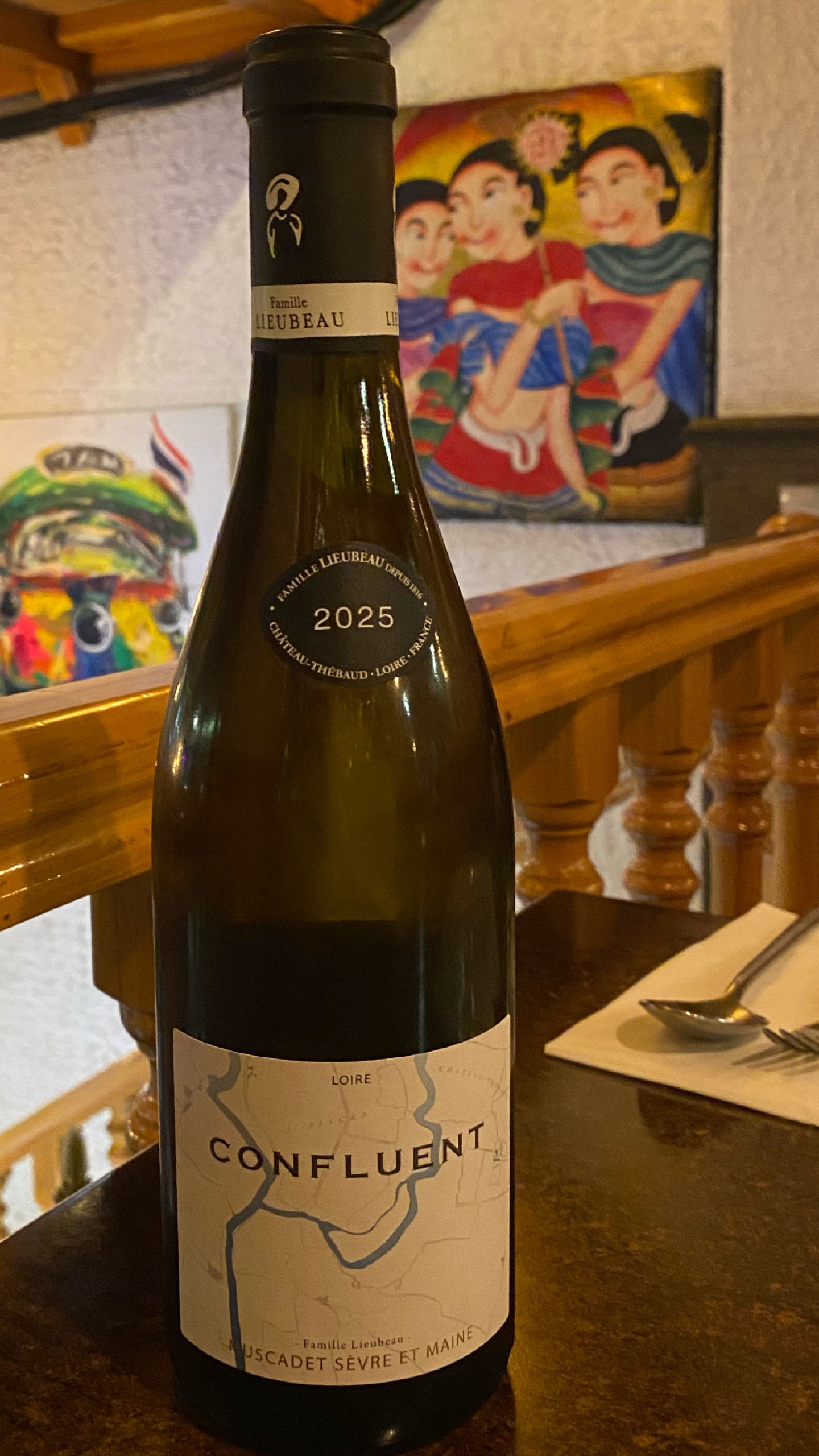
Perhaps the most compelling revelation for Kathryn was the physiological impact of the wine. She observed that the "heaviness of the red wine I often choose can make me feel sleepy," whereas after sharing the Muscadet, they "felt like we could dance all night. And indeed we did!" This observation speaks to the refreshing, invigorating quality of a well-made, balanced white wine, particularly one with vibrant acidity and lower alcohol compared to many red varietals. It challenged her preconception that only the richness of red wine could provide a satisfying experience, demonstrating that different styles offer different, equally enjoyable, effects.
Broader Context: Gen Z, Wine Consumption, and Market Dynamics
Kathryn’s experience is not isolated but reflects broader trends within the wine industry and among Generation Z consumers. Recent market analyses indicate that while overall alcohol consumption among Gen Z might be lower than previous generations, their engagement with specific categories is nuanced. They tend to be more discerning, prioritizing quality over quantity, and are highly influenced by authenticity, sustainability, and unique narratives.
- Value and Quality: The under-£20 price point, particularly the £10-£16 range, is critical for Gen Z. They seek wines that offer perceived value – not necessarily the cheapest, but those that deliver above their price point in terms of taste and experience. Kathryn’s initial £10 supermarket budget and her friend’s surprise at the £16 Muscadet’s quality underscore this sensitivity to value.
- Independent Retailers: The shift from supermarket shelves to independent wine shops like Authentique Epicerie & Bar is significant. These retailers often curate selections that emphasize small producers, unique varietals, and wines with a story, aligning with Gen Z’s desire for authenticity and personal connection. The personalized recommendation from Ollie was a key differentiator in Kathryn’s journey.
- Challenging Preconceptions: Many young consumers, like Kathryn, may have limited exposure to the vast world of wine, often defaulting to popular, readily available styles. Challenges like Decanter’s are crucial in breaking down these preconceptions, demonstrating that there is a diverse range of high-quality wines, including white wines, that can offer profound enjoyment. The idea that white wine is "sour" or "cheap" is often rooted in negative experiences with entry-level offerings rather than the category as a whole.
- Sustainability and Organic Wines: The Famille Lieubeau’s organic certification from 2018 resonates strongly with Gen Z’s environmental consciousness. Wines produced with sustainable or organic methods often appeal more to this demographic, who are willing to pay a slight premium for products that align with their values.
- Food Pairing Versatility: The successful pairing of Muscadet with spicy Thai food highlights the versatility of many white wines. While traditional pairings are valuable, modern consumption patterns often involve a wider array of international cuisines, requiring wines that can adapt.
Implications for the Wine Industry: Beyond the Red vs. White Divide
Kathryn’s "Gen Z Wine Challenge" experience carries several important implications for the wine industry. Firstly, it underscores the enduring potential of classic, terroir-driven white wines like Muscadet to captivate new palates, even those firmly entrenched in red wine preferences. It suggests that with proper guidance and context, consumers are open to exploring less familiar categories.
Secondly, the role of education and retail expertise cannot be overstated. Ollie’s intervention was not merely a sales transaction; it was an educational moment that empowered Kathryn to make an informed, albeit unexpected, choice. This highlights the need for continued investment in training and empowering front-line staff in retail and hospitality sectors, transforming them into trusted advisors for consumers.
Thirdly, the focus on value for money, without compromising on quality or ethical considerations, is paramount for attracting and retaining Gen Z consumers. Brands and retailers that can offer compelling narratives around sustainability, authenticity, and a superior tasting experience at accessible price points are likely to succeed.
Finally, the challenge to personal biases, whether conscious or unconscious, is a powerful tool for discovery. Kathryn’s journey from a self-proclaimed "red wine exclusively" drinker to someone contemplating giving white wine "a proper go" demonstrates the fluidity of consumer preferences when presented with compelling alternatives. While she still doubts she’ll abandon her beloved reds for winter, the prospect of summer now carries a new, lighter, and fresher wine possibility.
Decanter’s "Gen Z Wine Challenge" thus serves as more than just a marketing exercise; it’s a valuable case study in consumer engagement, market education, and the enduring appeal of well-crafted wines. As the industry continues to adapt to the tastes of a new generation, experiences like Kathryn’s offer a blueprint for fostering curiosity, breaking down barriers, and ultimately, cultivating a new cohort of wine enthusiasts. Decanter continues to invite young adults aged 18 to 29, both within and outside the UK, to participate in the challenge, and is also launching a new column, "Under 30s Wine Trade Sips," to amplify the voices of young professionals working within the wine industry, further enriching the dialogue between producers, retailers, and the next generation of wine drinkers.