admin
The landscape of the American craft beer industry, once defined by predawn queues of enthusiasts seeking limited-edition "freshies" and hazy IPAs, is undergoing a fundamental structural transformation. As the post-pandemic market settles, the era of explosive growth for small-scale brewing has encountered a stark reality characterized by shifting consumer demographics and cooling demand. According to recent data from the Brewers Association, the industry saw 399 brewery closures in 2024 alone, while overall production volume dipped by 2%. This downturn is not merely a cyclical fluctuation but a signal of a "new era" for craft beer, driven by a generation of consumers—particularly Gen Z—who are increasingly gravitating toward non-alcoholic options, THC-infused beverages, and ready-to-drink (RTD) cocktails. In response, many of the nation’s most storied craft breweries are leveraging their existing expertise in fermentation to enter the world of distilled spirits, a move that is proving to be as much about economic survival as it is about creative expansion.
For established brewers, the transition to distilling is a logical progression of their current manufacturing processes. JC Tetreault, co-founder of Boston’s Trillium Brewing, observed early in the company’s history that the infrastructure of a brewery provides nearly all the necessary components for spirit production. Trillium, which opened in 2013 in the Fort Point neighborhood and became a cornerstone of the New England IPA movement, recognized that the first stage of making whiskey is essentially brewing a "mash"—a fermented liquid made from grains that lacks the hop additions typical of beer. By distilling this base and aging it in wood, a brewery can pivot into the premium spirits market with relatively minimal adjustments to its core scientific approach.
The Evolution of the Hybrid Model: A Chronological Perspective
While the current surge in brewery-distilleries feels like a reaction to modern market pressures, the "hybrid" model has deep roots in American craft history. The trajectory of the industry shows that the most resilient brands have often been those that diversified their portfolios long before the current downturn.
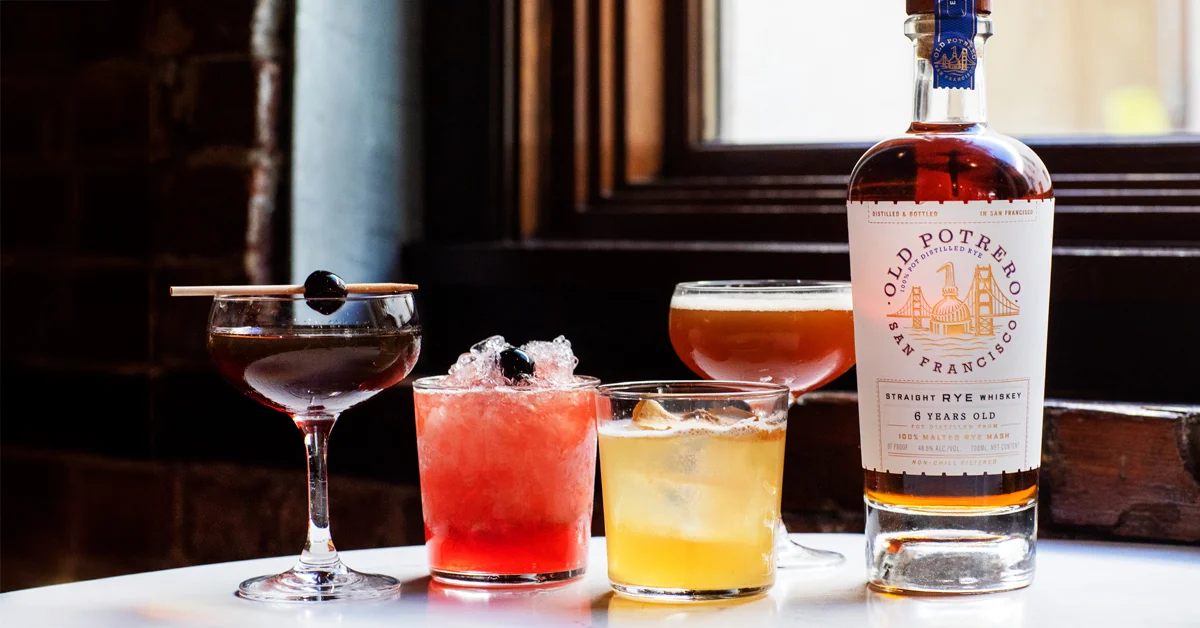
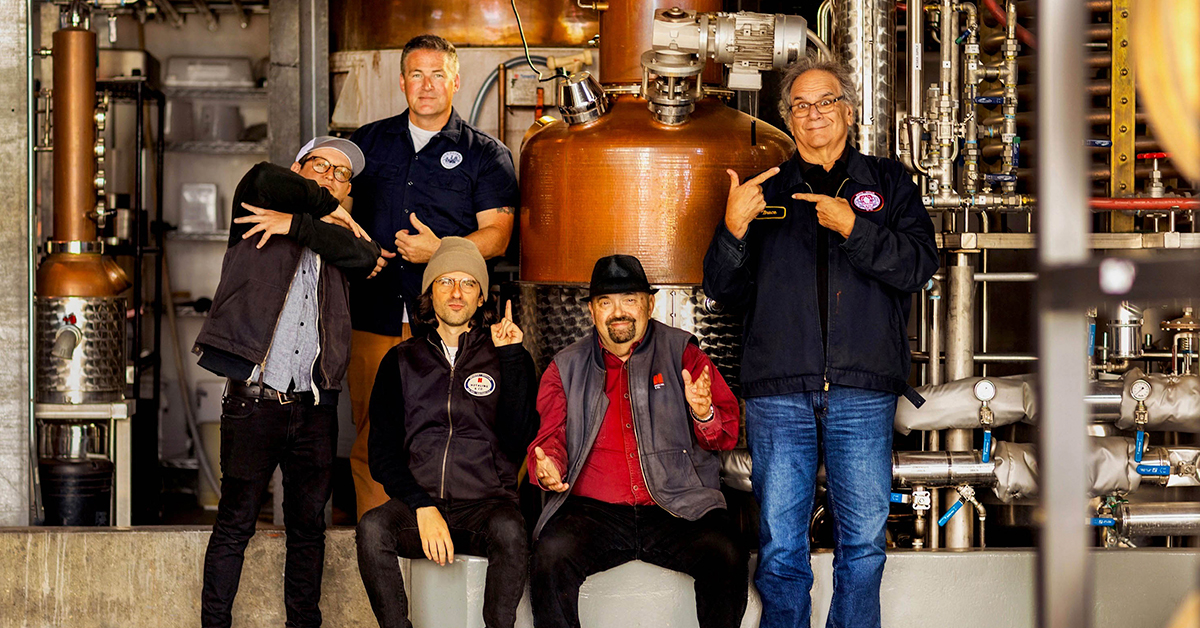
In 1993, Anchor Brewing, often cited as America’s first modern craft brewery, launched Anchor Distilling. Under the guidance of master distiller Bruce Joseph, the company released Old Potrero, a single malt rye whiskey that predated the current American rye revival by decades. Joseph, who spent 45 years at the firm, noted that the skills acquired in brewing provided a definitive foundation for distilling, requiring only the addition of a copper still to complete the production cycle. This operation eventually evolved into Hotaling & Co., a major player in the artisanal spirits space.
The early 2000s saw a steady trickle of breweries following suit. Oregon’s Rogue Ales & Spirits began distilling in 2003, eventually becoming one of the few operations in the country to manage its own cooperage, where it crafts the barrels used for aging. Michigan’s New Holland Brewing added a distillery in 2005, and San Diego’s Ballast Point followed in 2006. The success of Ballast Point’s spirits division—which became Cutwater Spirits—serves as a primary case study for the financial potential of this pivot. Cutwater was eventually spun off and sold to Anheuser-Busch InBev in 2019, demonstrating that a brewery’s spirits arm could become a more valuable asset than the beer brand itself.
Technical Synergy and Operational Challenges
The technical overlap between brewing and distilling is significant, yet the transition is not without its complexities. The production of whiskey, for instance, requires a different grain bill than most beers, often utilizing a higher percentage of unmalted grains. Furthermore, the regulatory environment presents a high barrier to entry. In states like Massachusetts, breweries like Trillium and Tree House Brewing Company must navigate stringent licensing requirements that mandate separate distilling spaces and distinct permits.
John Britton, who leads the distilling program at Tree House Brewing Company in Charlton, Massachusetts, emphasizes that the quality of the spirit is inextricably linked to the quality of the mash. Having transitioned from traditional distilling-only operations like St. George Spirits and Ann Arbor Distilling, Britton notes that world-class breweries are uniquely positioned to create superior bases for spirits. Tree House, which rose to national fame in the mid-2010s for its "Julius" IPA, has expanded its spirits program since 2021 to include "grain to glass" offerings. Their Old Growth Bourbon and Rye are distilled exclusively from New England grains, reinforcing a farm-to-bottle ethos that resonates with the modern "locavore" consumer.
Market Diversification and the RTD Explosion
Beyond whiskey and bourbon, breweries are increasingly utilizing their canning infrastructure to enter the rapidly growing RTD cocktail market. This segment has become a vital bridge for consumers who find beer too heavy or are looking for higher-ABV options in a convenient format. Tree House has successfully launched canned versions of classic cocktails, including the Tom Collins and Paloma, the latter featuring a house-distilled agave spirit titled Casa de Árbol.
Chris Conroy, Tree House’s spirits category sales manager, points out that these products allow the brand to "jump the aisle," attracting consumers who may not traditionally browse the craft beer section. This diversification is mirrored by other major craft players:
- Finback Brewing (New York): Operates the Halftone Spirits label, focusing on gins that often incorporate hop varieties used in their beer recipes.
- 3 Floyds (Indiana): Known for its "metal" branding and aggressive beers, the brewery began distilling in 2017, producing spirits like Bubblegumhead, a straight malt whiskey that pays homage to its popular wheat beer.
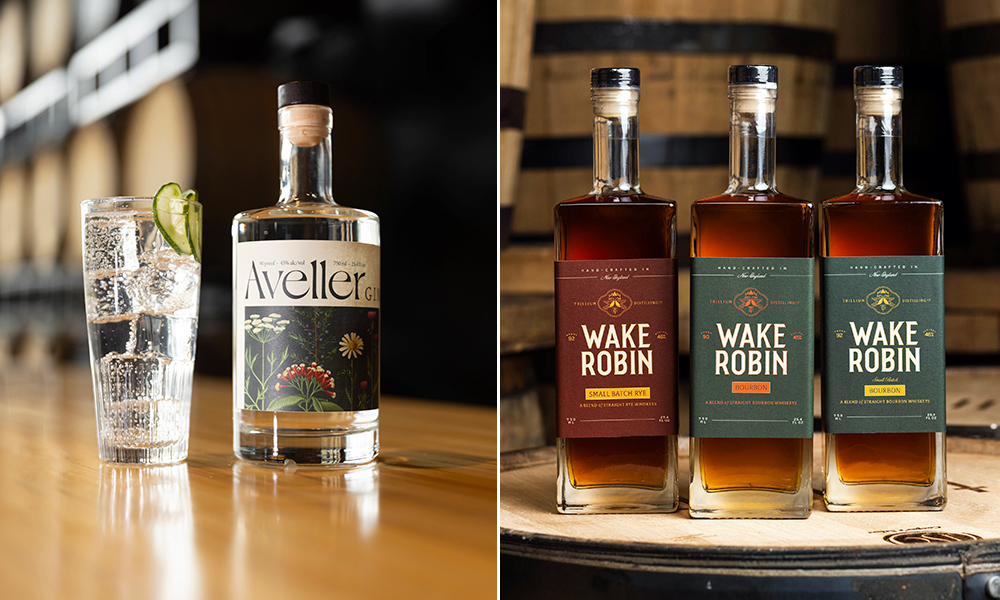
- Trillium (Massachusetts): Has expanded its portfolio to include vodka, rum, amaro, vermouth, and orange liqueur, allowing for a fully integrated cocktail program.
Strategic Implications for Taproom Sustainability
The move into spirits is not just about wholesale distribution; it is a strategic play for the survival of the taproom model. In many jurisdictions, a brewery license only permits the sale of beer produced on-site. By obtaining a distillery license, breweries can offer a full-service bar experience, which is essential for attracting a broader demographic.
Trillium’s JC Tetreault noted that the ability to offer cocktails was a primary driver for their expansion. Under Massachusetts law, to serve a cocktail in their taproom, Trillium had to produce every alcoholic component of that drink. This led to the creation of the Headroom Hi-Fi Cocktail Lounge at their Fort Point location. The lounge has successfully attracted a different cohort of customers: post-dinner crowds, younger drinkers who eschew beer entirely, and older fans who have "aged out" of the heavy-IPA lifestyle.
This demographic shift is backed by broader beverage industry data. The Distilled Spirits Council of the United States (DISCUS) has reported that spirits have steadily gained market share against beer for over a decade, with 2023 marking the first year that spirits surpassed beer in total revenue share in the U.S. By becoming "total beverage companies," breweries are insulating themselves against the decline of any single category.
Analysis of Future Industry Trends
The pivot from beer to spirits represents a maturation of the craft movement. The industry is moving away from a mono-culture of hops toward a multifaceted approach to fermentation and distillation. This shift suggests several long-term implications:
- Vertical Integration: Successful breweries will likely continue to invest in agricultural assets. Both Trillium and Tree House operate farms, allowing them to control the quality of the grains and botanicals used in their spirits, a move that appeals to the "premiumization" trend in the spirits market.
- Brand Dilution vs. Brand Extension: The challenge for these companies is maintaining the "craft beer" identity while marketing spirits. However, as seen with Trillium’s cocktail lounge, spirits can actually enhance a brand’s prestige by offering a more sophisticated environment than a traditional industrial taproom.
- Consolidation and Acquisition: As spirits programs within breweries grow, they may become targets for acquisition by larger spirits conglomerates seeking established, high-quality craft brands with existing loyal fanbases.
In conclusion, the decision for craft breweries to enter the spirits market is a calculated response to a changing consumer landscape. By leveraging their existing technical prowess and brand equity, breweries like Trillium and Tree House are redefining what it means to be a "craft" producer in the 21st century. While the days of the beer-only "freshie" culture may be waning, the emergence of the brewery-distillery hybrid ensures that these companies remain relevant in an increasingly diverse and competitive beverage market. The 2% decline in beer production may be a warning, but for the innovative brewer, the path forward is clear: the mash is just the beginning.