admin
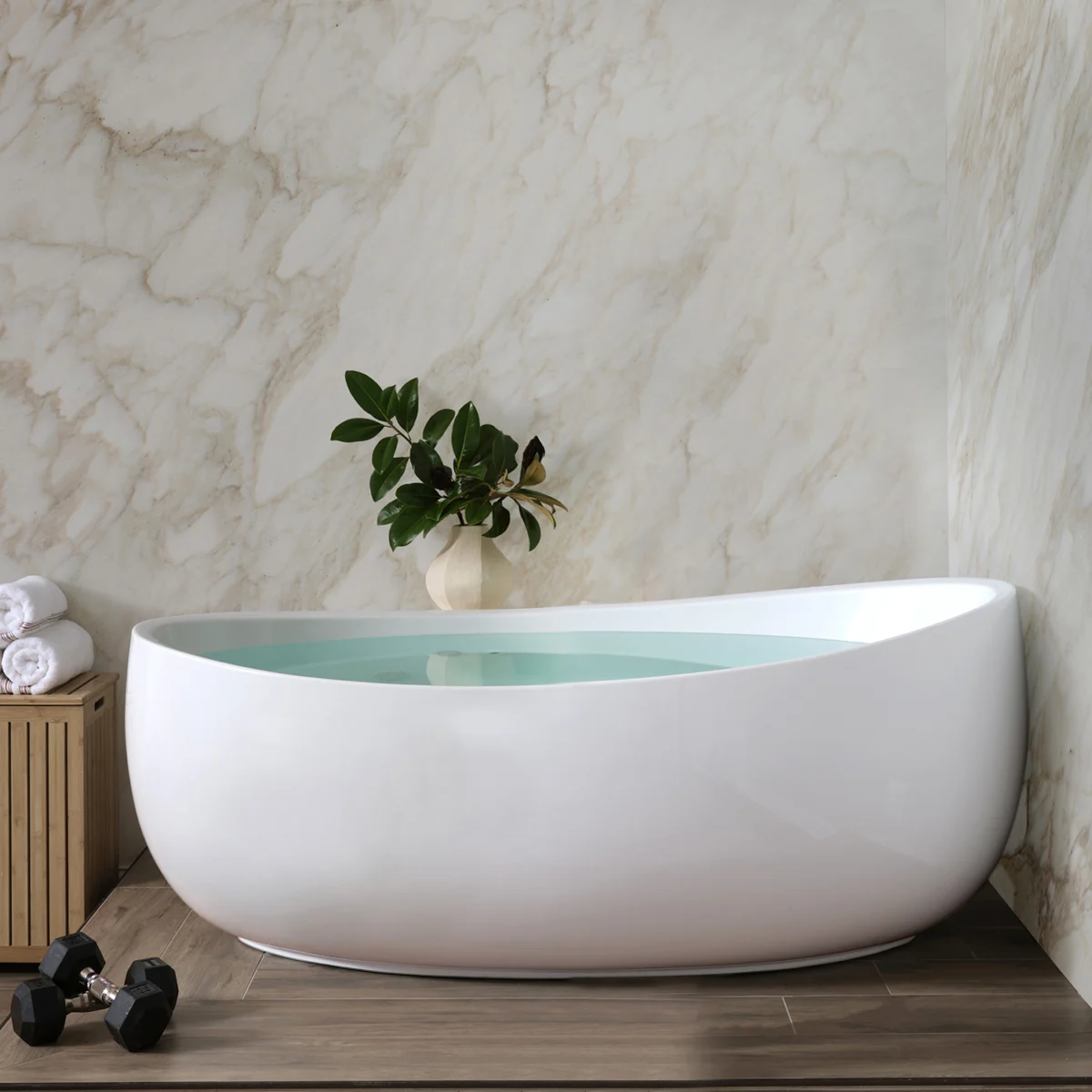
The residential design landscape is witnessing a significant transformation as cold plunge therapy, once a niche practice confined to professional athletic facilities and rugged backyard setups, migrates into the heart of the home. This shift represents a broader movement in high-end architecture and interior design, where the bathroom is being reimagined not merely as a utilitarian space for hygiene, but as a sophisticated wellness sanctuary. As homeowners increasingly prioritize longevity and mental health, the integration of cold-water immersion technology is becoming a standard request for new builds and major renovations, signaling a departure from standalone fitness equipment toward seamless, built-in architectural features.
The Rise of Integrated Wellness Environments
For decades, the concept of a home spa was largely limited to steam showers or oversized jetted bathtubs. However, the modern "wellness room" has evolved to include a complex array of biohacking tools designed to optimize human physiology. According to the 2026 U.S. Houzz Emerging Summer Trends Report, consumer interest in dedicated wellness spaces has skyrocketed, with searches for "wellness room" increasing by 164%. This trend is underpinned by a growing cultural fascination with cold-water immersion, a practice that has moved from the fringes of "biohacking" communities into the mainstream.
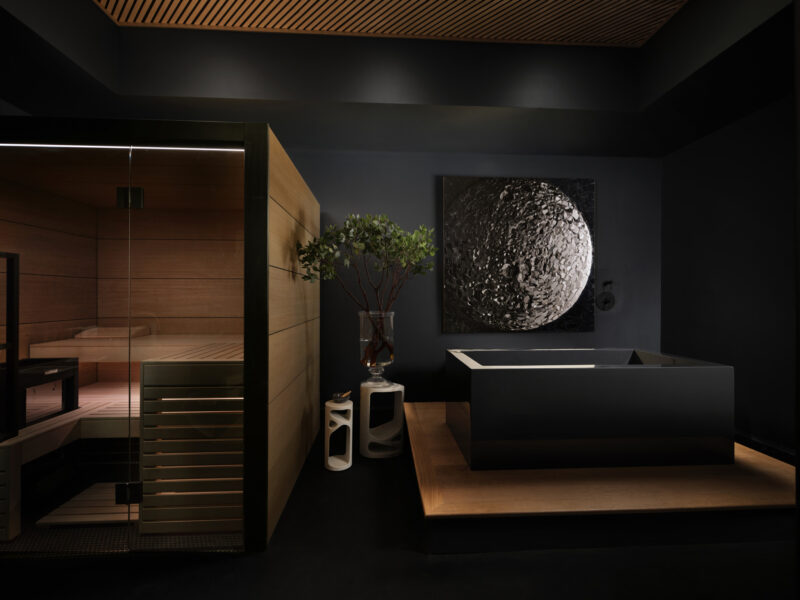
The data supports this rapid adoption. Houzz’s 2024 reporting noted a 74% year-over-year increase in searches for "cold plunge," while "indoor sauna" searches rose by 69%. This suggests a dual interest in contrast therapy—the practice of alternating between extreme heat and extreme cold to stimulate circulation and metabolic response. Consequently, designers are now tasked with configuring floor plans that can accommodate both a sauna and a cold plunge tub in close proximity, often within the primary bathroom suite or a dedicated lower-level recovery zone.
Historical Context and the Modern Resurgence
While the current trend is driven by modern technology, the practice of cold-water immersion has deep historical roots. From the Roman frigidarium to the Nordic tradition of plunging into icy lakes after a sauna, humans have utilized thermal extremes for centuries. The modern resurgence can be attributed to several factors: the rise of influential wellness figures like Wim Hof, the proliferation of recovery-focused content on social media, and a post-pandemic shift in how individuals view their homes.
During the global lockdowns of 2020 and 2021, the home became a gym, an office, and a sanctuary. This period accelerated the "wellness real estate" market, which the Global Wellness Institute (GWI) identifies as one of the fastest-growing sectors in the trillion-dollar wellness economy. As homeowners invested more in their domestic environments, the limitations of "DIY" cold plunges—such as chest freezers converted into ice baths—became apparent. The demand for aesthetically pleasing, low-maintenance, and permanent solutions created an opening for luxury bath manufacturers to innovate.
Technological Innovations in Hydrotherapy
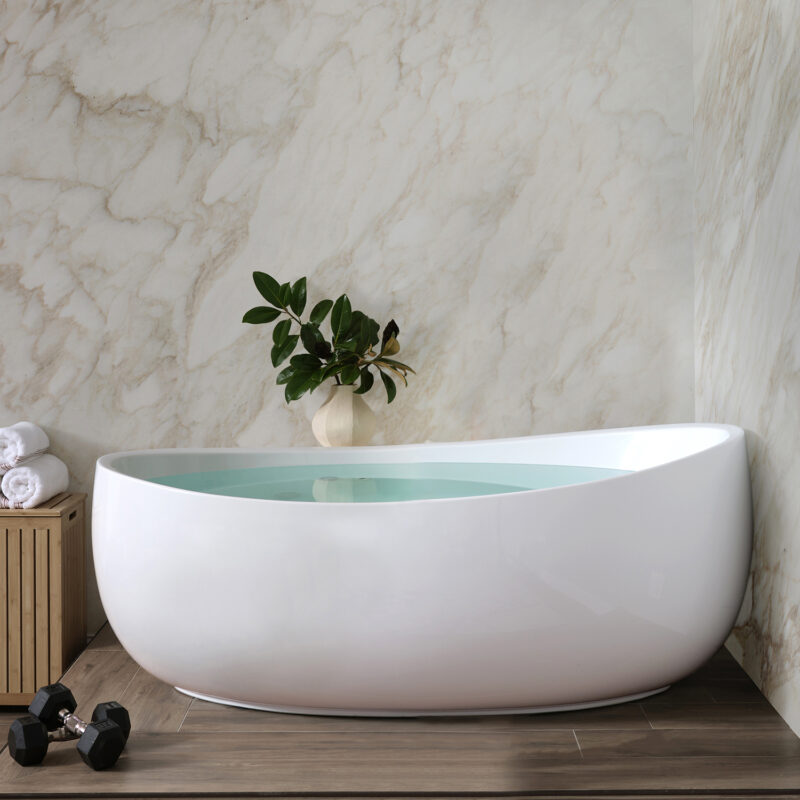
Leading the charge in this architectural integration is California-based manufacturer Hydro Systems. Traditionally known for high-end bathtubs, the company has pivoted to address the cold therapy market through its Hydro Chill technology. This system allows a standard-looking freestanding bathtub to function as a professional-grade cold plunge, capable of chilling water to temperatures as low as 40 degrees Fahrenheit.
The engineering behind these systems is a significant leap from the standalone "chiller" units that often clutter home gyms. The latest iterations, such as the Hydro Chill Ultra, feature self-contained systems that do not require a traditional hot-water connection. By generating its own heat and cold, the unit offers unprecedented flexibility for installation in areas like pool houses, converted garages, or remote wellness pavilions where plumbing infrastructure might be limited.

Furthermore, the integration of "smart home" functionality has moved these fixtures into the realm of the Internet of Things (IoT). Users can now schedule their plunges via smartphone apps, ensuring the water is at the precise desired temperature the moment they wake up. This removes the "friction" of traditional cold therapy—such as buying bags of ice or waiting for a chiller to reach temperature—making the practice a more sustainable part of a daily routine.
The Designer’s Perspective: Form Meets Function
For interior designers, the challenge lies in balancing the heavy technical requirements of these systems with the tranquil aesthetics of a luxury home. Stephanie Larsen, an Arizona-based designer specializing in wellness-focused interiors, notes that her clients are no longer satisfied with modular additions. Instead, they want "homes that heal." This involves integrating infrared saunas, aromatherapy systems, and cold plunges into a cohesive design language.
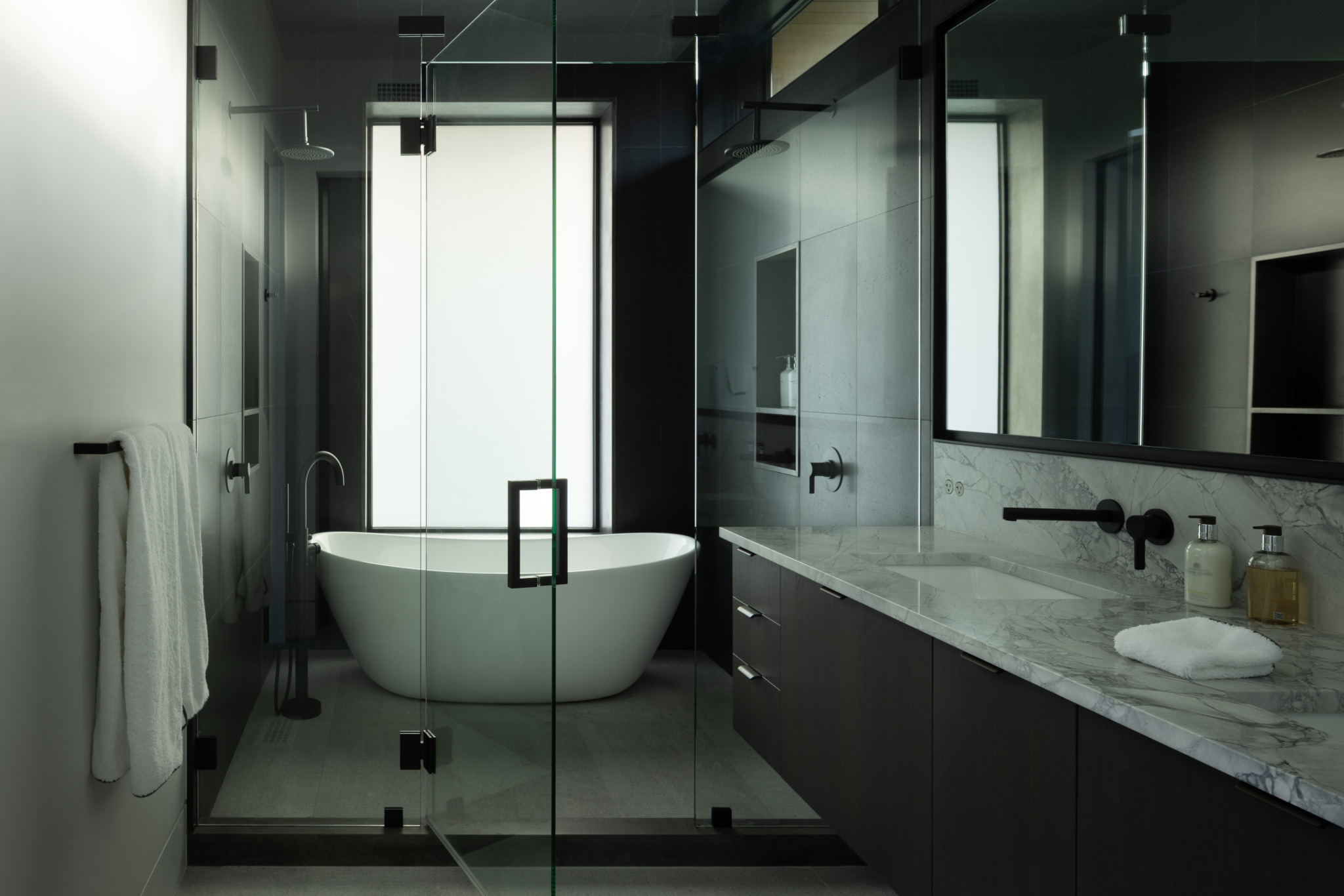
In a recent project in Heber, Utah, Berg Design Studio demonstrated this integration by utilizing a Hydro Systems Marquis bathtub. Set against a backdrop of dark gray tiled walls and floor-to-ceiling windows overlooking a pine forest, the tub serves as a visual centerpiece rather than a piece of gym equipment. This aesthetic consideration is vital; for a wellness feature to be successful in a residential setting, it must complement the home’s architectural DNA.
Technical considerations for designers include:
- Structural Support: A filled cold plunge tub can weigh upwards of 1,000 pounds, requiring reinforced flooring, especially in upper-story installations.
- Moisture Management: High-performance ventilation is necessary to prevent humidity buildup and mold, particularly when a cold plunge is paired with a steam shower or sauna.
- Electrical Requirements: Chiller units and integrated heaters require dedicated circuits, often necessitating electrical upgrades during a renovation.
- Acoustics: The mechanical noise of a chiller must be dampened to maintain the quiet atmosphere of a spa-like bathroom.
Health Implications and the Contrast Therapy Model
While the design world focuses on the "where" and "how," the medical and athletic communities continue to debate the "why." Cold-water immersion has been associated with reduced muscle soreness, improved recovery times for athletes, and potential benefits for sleep and stress management. Some studies suggest that cold exposure triggers the release of norepinephrine and endorphins, contributing to improved mood and mental clarity.
However, the scientific community remains cautious. Research into the long-term health effects of daily cold plunging is still in its infancy. Despite this, the consumer demand for "contrast therapy" remains a primary driver of the trend. Contrast therapy involves vasodilation (from the heat of a sauna) followed by vasoconstriction (from the cold plunge), a process proponents claim "exercises" the vascular system and flushes metabolic waste from muscle tissue. By bringing both elements into the home, residents can perform these protocols in private, saving time and avoiding the membership fees of commercial recovery centers.
Broader Impact on the Real Estate Market
The integration of cold plunges and wellness rooms is beginning to influence real estate valuations at the upper end of the market. Much like the home theater craze of the early 2000s or the professional-grade kitchen trend of the 2010s, "wellness-ready" homes are becoming a distinct category for affluent buyers. Real estate agents are increasingly highlighting features like "integrated cold therapy" or "oxygenated microbubble systems" in luxury listings.
Ashley Steinhardt, VP of Sales at Hydro Systems, emphasizes that wellness does not have to be confined to sprawling estates. "Hydrotherapy can also be incorporated into smaller bathroom footprints," Steinhardt says, noting that multifunctional fixtures—tubs that can serve as a standard bath, a whirlpool, and a cold plunge—allow homeowners to maximize their square footage. This democratization of technology suggests that while the trend began in high-end custom homes, it may eventually trickle down to mid-market renovations.
Conclusion: The Future of the Domestic Sanctuary
The move of the cold plunge from the backyard to the bathroom is more than a passing fad; it is a reflection of a fundamental shift in how society views the purpose of a home. As the boundaries between healthcare, fitness, and residential living continue to blur, the home is becoming a proactive tool for health maintenance.
The challenge for the next generation of architects and manufacturers will be to continue refining these technologies. Future developments are expected to focus on water conservation through advanced filtration systems that allow the same water to be used for weeks, as well as even quieter cooling mechanisms. As these features become more integrated and less obtrusive, the "wellness room" may soon become as essential to the modern home as the kitchen or the bedroom, providing a dedicated space for the body and mind to recover from the stresses of the outside world.
For now, the growing visibility of cold therapy in residential design serves as a reminder that the most successful spaces are those that prioritize the physical and emotional well-being of their inhabitants. By marrying advanced hydrotherapy technology with sophisticated interior design, the industry is creating a new standard for luxury living—one defined not just by how a home looks, but by how it makes the resident feel.