admin
The American culinary landscape is currently witnessing a sophisticated transformation of beer cheese, moving from its humble roots as a tavern spread to a high-end category of artisanal, farmstead production. For decades, the term "beer cheese" primarily referred to a pungent, spicy dip originating in the American South. However, a new wave of collaborations between independent craft breweries and award-winning creameries is redefining the product. This evolution is characterized by a shift from using beer as a flavoring agent in processed spreads to incorporating it as a fundamental ingredient during the chemical stages of cheesemaking, such as the curd-setting and rind-washing processes.
The Historical Genesis of the Beer Cheese Tradition
The origins of beer cheese are rooted in the 1940s in Clark County, Kentucky. While historical accounts vary, the consensus among culinary historians points to Johnny Allman’s restaurant—now operating under the name Howard’s Creek—as the birthplace of the golden-orange spread. Originally conceived as a sustainable way to utilize surplus ingredients, the recipe combined sharp cheddar cheese with leftover beer, augmented by garlic, cayenne pepper, and various spices.
In 2006, Kathy Gorman Archer, president of Howard’s Creek Authentic Beer Cheese, spearheaded a revival of the brand, which brought the traditional Kentucky style back into the national spotlight. Archer noted that the original inclusion of southwestern spices was likely a personal preference of Johnny Allman, yet it established the "tangy and spicy" paradigm that defined the category for over 60 years. In recognition of this heritage, the Kentucky State Legislature officially designated Clark County as the birthplace of beer cheese in 2013, further solidifying the region’s "Beer Cheese Trail" as a significant cultural and tourist attraction.
The Technical Transition: From Spread to Infusion
The contemporary "paradigm shift" in beer cheese is marked by a move toward farmstead cheesemaking, where the beer is integrated into the dairy at the molecular level. Unlike the traditional method of blending finished cheese with beer, modern artisans like Rogue Creamery in Oregon and Fiscalini Farmstead in California are experimenting with the timing of beer addition to influence texture and flavor development.
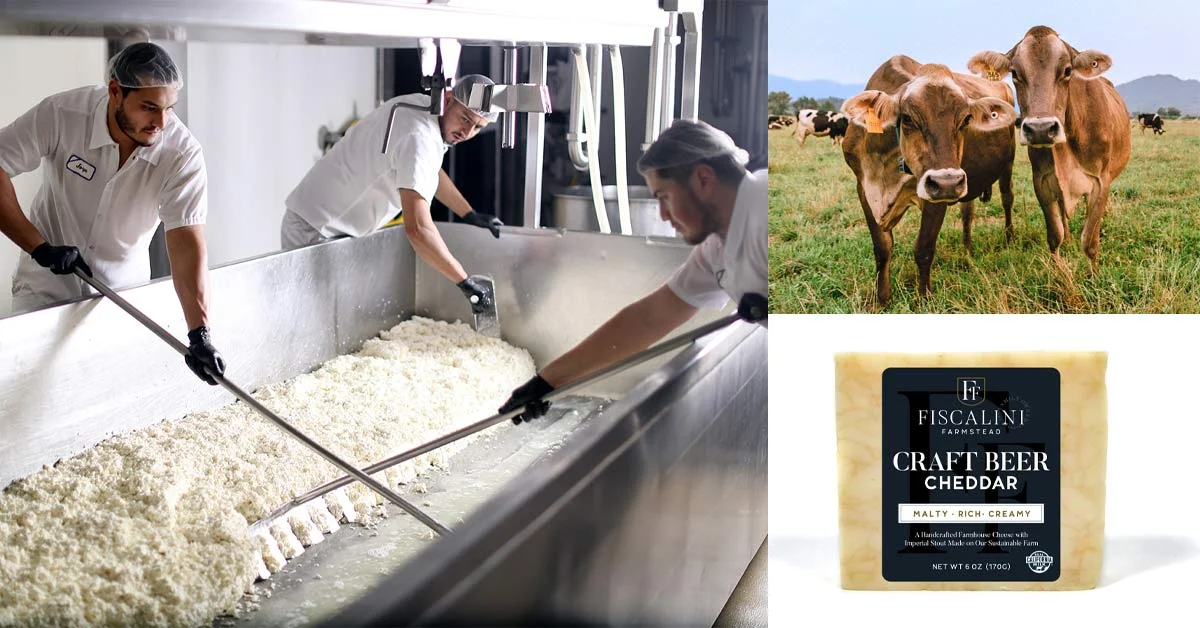
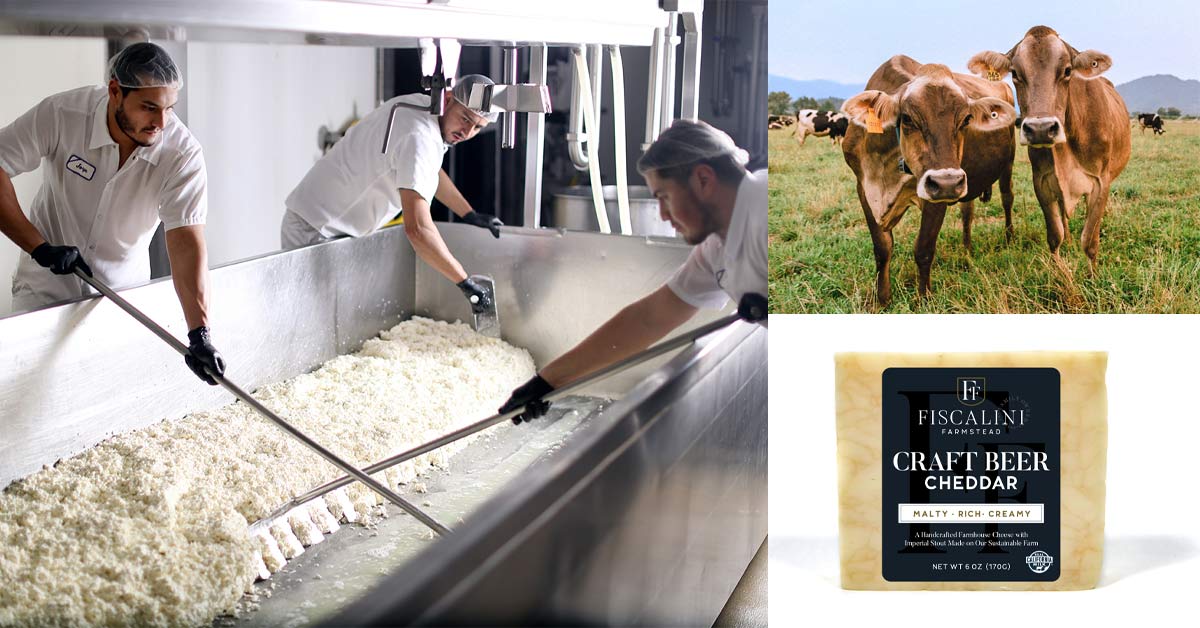
According to Alex Borgo, a professional cheesemaker at Fiscalini, the process is a complex "culinary collaboration" that mirrors the brewing process itself. In brewing, malted barley is heated to activate enzymes; in cheesemaking, specific starter cultures are selected to activate the separation of curds from whey. When beer is introduced just as the whey begins to separate, it infuses the milk and curd with a subtle maltiness and creates a distinctive marbled aesthetic.
The chemistry of this process is governed by pH levels. Milk typically possesses a pH between 6.4 and 6.8. If the acidity becomes too high (a pH below 4.0), the curds become rubbery and fail to develop the desired texture. Conversely, if the pH remains too high, the curds will not bind effectively. Mastering this delicate balance has allowed creameries to move beyond simple cheddar bases into more complex styles, including goudas, blue cheeses, and washed-rind varieties.
West Coast Innovation: Rogue Creamery and Fiscalini Farmstead
The Pacific Northwest has long been a hub for both craft brewing and artisan dairy, making it a natural laboratory for beer cheese innovation. Rogue Creamery, established in 1953 and famous for producing the first cave-aged blue cheese west of the Mississippi, has spent nearly a decade refining its Chocolate Stout Cheddar. This product is the result of a partnership with Hopworks Brewery in Portland, Oregon, driven by a shared commitment to organic certification.
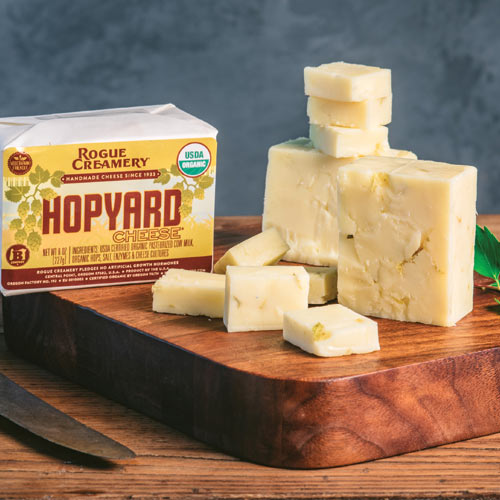
Marguerite Merritt, a certified sommelier and brand manager for Rogue Creamery, explains that their approach focuses on balancing the bitterness of hops with the creamy profile of the dairy. This led to the development of "Hopyard," a cheddar style where Northwest-grown hops are mixed directly with the curds. The result is a cheese that mirrors the citrus and pine notes of a West Coast IPA, providing a sensory experience that traditional spreads cannot replicate.
Further south in Modesto, California, Fiscalini Farmstead represents the "estate" model of production. Operating since 1914, Fiscalini uses only milk produced by their own cows, ensuring total traceability. Their Craft Beer Cheddar utilizes Black Blizzard Imperial Stout from the nearby Dust Bowl Brewing. By pressing the beer into 40-pound blocks of curd overnight, the brewery and creamery create a product where the roasty notes of coffee and chocolate are present in every bite. This collaboration highlights a growing trend of "hyper-localism," where businesses within a 20-mile radius partner to reduce carbon footprints and support regional economies.
The Mid-Atlantic Model: Grocery Partnerships and Custom Production
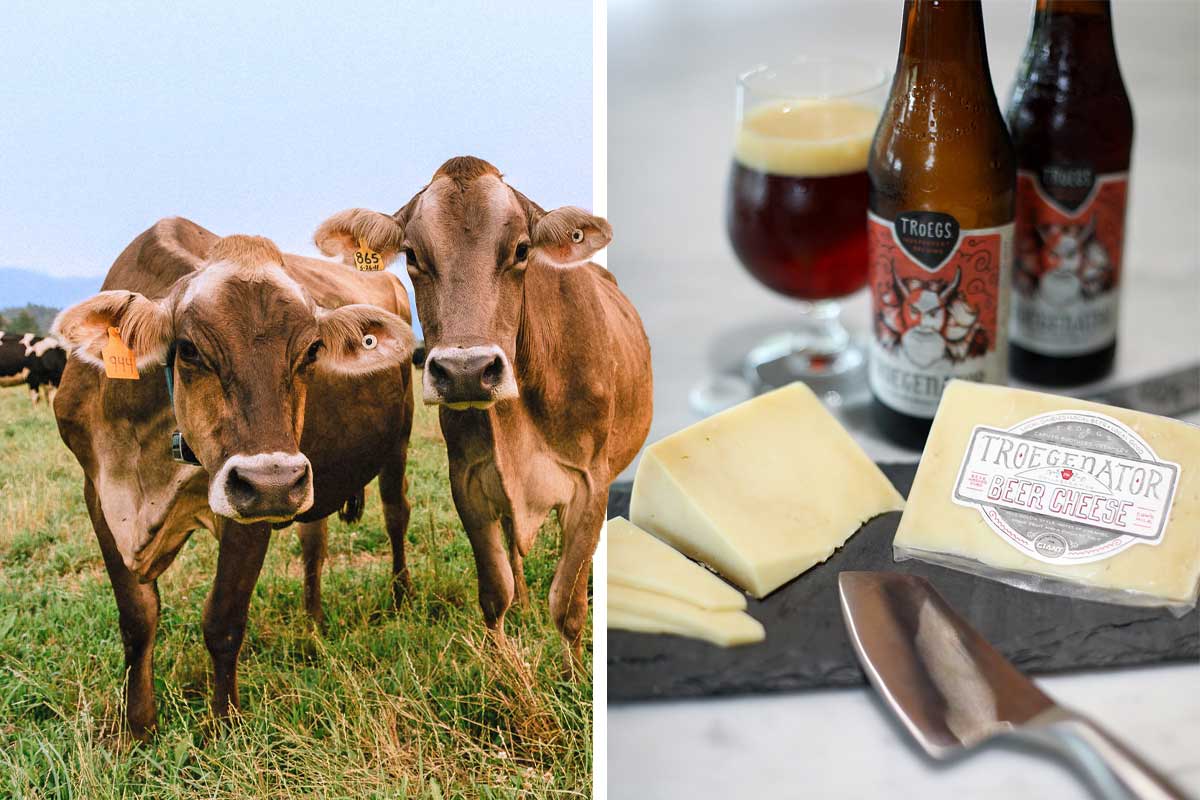
In Pennsylvania, the evolution of beer cheese has taken on a more commercial but equally artisanal form through a three-way partnership between Giant Food Stores, Tröegs Independent Brewing, and Caputo Brothers Creamery. This collaboration was born from a desire to create a regional product with a direct economic impact on local dairy farms.
Rynn Caputo, co-founder of Caputo Brothers Creamery, initially focused exclusively on Italian-style cheeses but adapted to create a beer-infused gouda using Tröegenator, a storied double bock from Tröegs. The success of this product led to the creation of the "Mad Elf" beer cheese, which incorporates an 11% Belgian holiday ale. The process involves marinating the curd in beer and rubbing a mixture of cocoa, cinnamon, and espresso into the rind.
The success of these regional collaborations has sparked a new business model: Custom Cheesemakers. This subsidiary of Caputo Brothers now provides custom beer cheese production for breweries nationwide, allowing small brewers to offer branded, high-quality dairy products without the need for their own creamery infrastructure. This "cheese-as-a-service" model represents a significant maturation of the industry.
Urban Creameries and Fresh Cheese Varieties
While many beer cheeses are aged for months or years, the urban creamery movement is exploring "fresh" varieties that offer quicker turnarounds and different culinary applications. Urban Stead Cheese, located in downtown Cincinnati, Ohio, has embraced the city’s German heritage by producing quark—a fresh, Eastern European-style farmer’s cheese.
Andrea Robbins, co-founder of Urban Stead, developed a Kentucky-style beer cheese using Braxton Brewing’s Storm Golden Cream Ale. Unlike aged cheddars, this fresh cheese has a texture described as a cross between ricotta and cream cheese. Because it does not require an extensive aging process, it allows the creamery to manage cash flow more effectively while providing a versatile product that chefs use for stuffing pasta or baking. This model demonstrates how beer cheese can serve as a bridge between traditional European techniques and modern American craft flavors.
Market Implications and Future Outlook
The expansion of the beer cheese category carries significant implications for the U.S. dairy and craft beer industries. For dairy farmers, these high-value artisanal products offer a more sustainable revenue stream than fluid milk, which has faced volatile pricing in recent years. For craft breweries, cheese collaborations offer a way to diversify their brand presence in retail environments like grocery stores.
Data from the Brewers Association suggests that as the craft beer market reaches maturity, breweries must find "beyond-the-glass" opportunities to engage consumers. Beer-infused cheese fits this requirement perfectly, appealing to the "foodie" demographic that values provenance, craftsmanship, and complex flavor profiles.
Furthermore, the technical advancements in rind-washing—as seen at Tulip Tree Creamery in Indianapolis—indicate a move toward even more sophisticated profiles. By washing rinds with a combination of bacteria cultures and local porters or pilsners, cheesemakers can create "stinky" cheeses that appeal to connoisseurs, moving the product even further away from its origins as a simple party dip.
As the industry moves forward, the focus is likely to remain on "culinary collisions." The integration of beer into cheesemaking is no longer a gimmick but a science-driven craft that honors the traditions of both the brewmaster and the cheesemaker. From the spicy roadside spreads of 1940s Kentucky to the cave-aged, hop-infused blocks of today, beer cheese has secured its place as a sophisticated staple of American gastronomy.