admin
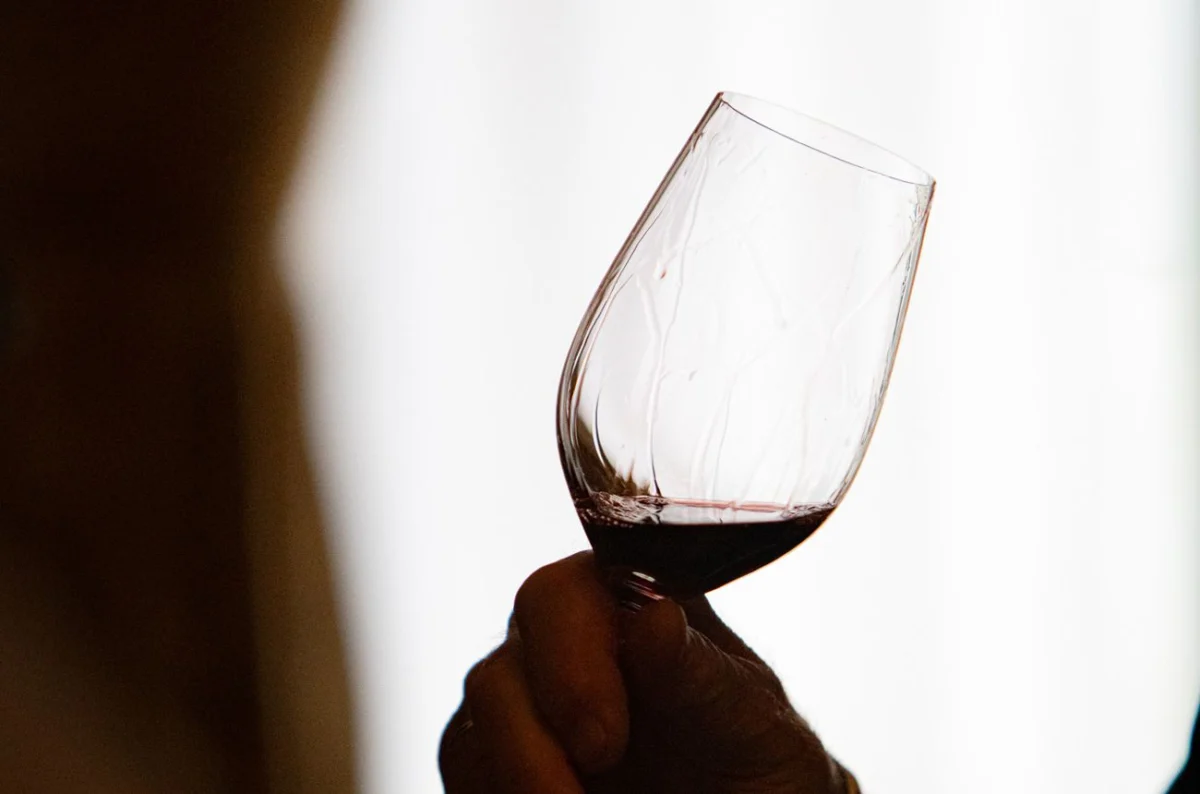
As London embraced the early whispers of the festive season, the global wine community converged on the heart of Marylebone for the 29th iteration of the Decanter Fine Wine Encounter (DFWE). Held on November 6 and 7, this flagship event reaffirmed its status as a pivotal gathering for wine professionals and aficionados alike, bringing together more than 130 esteemed producers from diverse viticultural landscapes across the globe. The two-day spectacle showcased an exceptional collection of wines, solidifying London’s enduring position as a preeminent hub for fine wine appreciation and commerce.
A Premier Gathering for the Global Wine Community
The Decanter Fine Wine Encounter is more than just a tasting event; it is a meticulously curated platform designed to foster direct engagement between world-class winemakers and an eager audience of importers, retailers, collectors, and passionate consumers. Its longevity, now spanning nearly three decades, speaks volumes about its relevance and impact within the international wine industry. The event serves as a crucial barometer for emerging trends, a launchpad for new vintages, and a unique educational forum.
The roots of the DFWE are intrinsically linked to Decanter magazine, a publication that has championed fine wine since its inception in 1975. Over the decades, Decanter has cultivated a reputation for authoritative reviews, insightful articles, and comprehensive coverage of the global wine scene. The Decanter Fine Wine Encounter emerged as a natural extension of this mission, transitioning from print to a tangible, immersive experience where the wines themselves could take centre stage, complemented by the narratives of their creators. This evolution has seen the Encounter grow exponentially, both in scale and in the sophistication of its offerings, consistently attracting a discerning audience and an ever-expanding roster of top-tier producers.
London, as the host city, plays an indispensable role in the Encounter’s success. With its deep historical ties to international trade, robust financial markets, and a highly sophisticated consumer base, the British capital remains a critical gateway for the world’s finest wines. The city’s cosmopolitan nature ensures a diverse attendance, attracting visitors not only from across the United Kingdom but also from continental Europe, North America, Asia, and beyond. This geographical centrality and cultural confluence make London an ideal backdrop for an event of DFWE’s global stature, reinforcing its reputation as a leading centre for wine education, trade, and connoisseurship.
An Unparalleled Programme of Discovery and Engagement
The 29th Decanter Fine Wine Encounter orchestrated a dynamic programme that catered to a spectrum of interests, from casual exploration to in-depth study. The architecture of the event was designed to facilitate both broad discovery and highly focused learning, ensuring that every attendee could tailor their experience to their personal objectives.
The Grand Tasting: A World of Wine Under One Roof
At the heart of the Encounter was the Grand Tasting, a sprawling exhibition hall where the majority of the 130-plus producers presented their portfolios. This vibrant space buzzed with activity, as attendees moved from table to table, sampling an extraordinary array of wines. From the hallowed vineyards of Bordeaux and Burgundy to the sun-drenched slopes of Napa Valley, the ancient traditions of Tuscany, the innovative spirit of Australia, and the burgeoning excellence of English sparkling wine, the geographical diversity was breathtaking. Visitors had the unique opportunity to compare different vintages, explore varietal expressions from various terroirs, and engage directly with the winemakers and winery representatives. This direct interaction is invaluable, offering insights into viticultural philosophies, winemaking techniques, and the unique stories behind each bottle, information that extends far beyond what a label can convey. The Grand Tasting is often cited by participants as the primary draw, offering an unparalleled opportunity for broad-spectrum tasting and direct market feedback.
Masterclasses: Deep Dives with Industry Mavericks
Complementing the expansive Grand Tasting were the highly sought-after masterclasses. These expert-led sessions offered a structured, in-depth exploration of specific regions, producers, or themes. Typically hosted by Decanter’s editorial team, renowned Masters of Wine, or the winemakers themselves, these classes provided a rare opportunity for attendees to delve into complex subjects. Topics at past Encounters have ranged from vertical tastings of iconic Châteaux to comparative analyses of specific grape varieties across different continents, or discussions on pressing industry topics such as sustainability and climate change adaptation. For the 29th edition, popular masterclass themes likely included explorations of specific vintages from acclaimed regions like Barolo or Rioja, spotlights on emerging wine regions gaining international recognition, or comparative tastings designed to highlight stylistic differences between Old World and New World interpretations of classic grapes. These sessions, often selling out rapidly, underscore the audience’s hunger for advanced knowledge and guided tasting experiences.
Winemakers’ Lunches: Intimate Conversations and Rare Bottles
Returning for its second successful year, the Winemakers’ Lunches proved to be an exceptional highlight, consistently praised for their unique blend of intimacy and insight. Away from the convivial bustle of the Grand Tasting, these exclusive, sit-down events offered guests the rare privilege of sharing a table with a featured winemaker. Over a meticulously paired meal, attendees could engage in direct conversation, pose questions, and discover special, often library, bottles that might not be available at the main tasting. The informal yet deeply informative setting allowed for a more personal connection, transforming a tasting experience into a dialogue. Producers frequently express their appreciation for this format, as it enables them to articulate their vision and philosophy in a relaxed environment, fostering stronger relationships with key consumers and trade partners. Attendees, in turn, value the opportunity to gain a deeper understanding of the wine’s provenance and the personality behind its creation.
The Decanter World Wine Awards Winners’ Showcase: A Curated Path to Excellence
A particularly popular feature of the 29th Encounter was the Decanter World Wine Awards (DWWA) Winners’ Showcase. The DWWA, established in 2004, has grown to become the world’s largest and most influential wine competition, with tens of thousands of wines judged annually by a panel of international experts. Earning a medal at the DWWA is a significant achievement, signifying a wine of exceptional quality and character. The showcase presented more than 40 wines that had been recognised in the 2026 competition (likely a forward-looking date for publishing a review of the 2023 event). This curated selection offered attendees a direct pathway to discovering critically acclaimed wines, cutting through the vastness of the global market. It provided an opportunity to taste wines that had already passed rigorous expert scrutiny, offering a trusted guide for both personal enjoyment and professional procurement. Its status as "one of the most visited tables of the weekend" underscored the immense trust placed in the DWWA accolades by the wine-consuming public.
The Cellar Collection: A Glimpse into Liquid History
Another much-anticipated highlight, which consistently sells out well in advance, was the Cellar Collection. This segment catered to the serious collector and connoisseur, offering a meticulously curated selection of some of the world’s most sought-after and often rarest wines. These included venerable vintages from iconic producers, wines with significant aging potential, and bottles that represented liquid history. The Cellar Collection provided an unparalleled opportunity to taste wines that are typically beyond reach, often found only at auction or in private cellars. For many enthusiasts, this was a chance to evaluate the evolution of mature wines, understand the nuances of specific legendary vintages, and deepen their appreciation for the art of winemaking over time. The demand for these exclusive tastings reflects a growing global interest in investment-grade wines and the cultural significance of aged bottlings.
Operational Excellence and Global Participation
The seamless execution of an event of this magnitude requires extensive planning and logistical precision. Months of coordination precede the Encounter, involving meticulous selection of producers, detailed scheduling of masterclasses, management of ticketing, and comprehensive marketing campaigns. The Decanter team, with its deep industry connections and event management expertise, ensures a high standard of presentation and service, contributing significantly to the overall positive experience for both producers and attendees.
The diversity of participating producers at the 29th edition underscored the truly international scope of the DFWE. While established regions such as Bordeaux, Burgundy, Tuscany, and Napa Valley were well represented, the Encounter also provided a platform for producers from dynamic, emerging regions. This included wineries from the burgeoning English sparkling wine scene, innovative producers from regions like Greece or Slovenia, and high-altitude winemakers from South America. This global representation not only enriched the tasting experience for attendees but also facilitated crucial cross-cultural exchange and networking opportunities for the winemakers themselves. For many smaller or newer producers, the DFWE represents a vital entry point into the highly competitive UK and European markets, offering direct access to key trade buyers and influential media.
Economic and Cultural Ripples: The Broader Impact
The Decanter Fine Wine Encounter generates significant economic and cultural ripples, extending beyond the immediate two days of the event.
Boosting the Local Economy and Tourism
The influx of over 130 producers, their teams, and thousands of attendees from across the globe provides a considerable boost to London’s hospitality sector. Hotels, restaurants, transport services, and other local businesses in Marylebone and wider central London experience increased activity. This tourism impact is particularly valuable in supporting the city’s vibrant economy, demonstrating how cultural and trade events contribute to urban prosperity. Beyond the direct financial injection, the event reinforces London’s image as a dynamic and attractive destination for international business and leisure travel.
Shaping Consumer Palates and Market Trends
The Encounter plays a crucial role in shaping consumer preferences and influencing market trends. By exposing attendees to a vast array of wines, including those from less familiar regions or made with unconventional methods, it broadens palates and encourages adventurous exploration. The direct feedback from consumers provides invaluable market intelligence for producers, helping them to refine their strategies and better understand evolving demands. Discussions during masterclasses and informal conversations often highlight themes such as organic and biodynamic viticulture, low-intervention winemaking, and the increasing demand for sustainable practices, pushing the industry towards more environmentally conscious approaches. The prominence of specific wines or regions at the DFWE can often lead to increased media coverage and subsequent surges in demand, acting as a powerful market driver.
The Role of Key Partnerships: Acknowledging Sponsors
The success of the 29th Decanter Fine Wine Encounter was also significantly bolstered by the support of its event sponsors. Major brands such as Fredericksburg Texas (highlighting a growing American wine region), Riedel (the renowned glassware specialist), Champagne Bollinger (an iconic French Champagne house), Renais Gin, and Wilfred’s Drinks provided essential backing, enhancing the overall experience for attendees. These partnerships are symbiotic: sponsors gain unparalleled access to a highly engaged and affluent demographic, aligning their brands with excellence and prestige, while their contributions enable Decanter to deliver an event of exceptional quality and scope. The presence of Riedel, for instance, underscores the importance of proper glassware in appreciating fine wine, while Champagne Bollinger adds an element of luxury and celebration. These collaborations are integral to the Encounter’s ability to maintain its high standards and continue its growth trajectory.
Looking Ahead: The Future of Fine Wine Encounters
As the global wine landscape continues to evolve, so too will events like the Decanter Fine Wine Encounter. Future iterations are likely to further integrate technological advancements, perhaps offering hybrid formats that combine in-person tastings with virtual access for a broader international audience. The emphasis on sustainability, ethical production, and diversity within the wine industry is also expected to grow, influencing the selection of producers and the themes explored in masterclasses.
The 29th Decanter Fine Wine Encounter stands as a testament to the enduring power of wine to connect people, cultures, and ideas. By providing a meticulously crafted platform for discovery, education, and direct engagement, it continues to reinforce London’s status as a global wine capital and Decanter’s role as a leading authority in the world of fine wine. The memories, connections, and newfound appreciation for exceptional wines cultivated during these two days in Marylebone will undoubtedly resonate with producers and enthusiasts long after the last bottle is uncorked.