admin
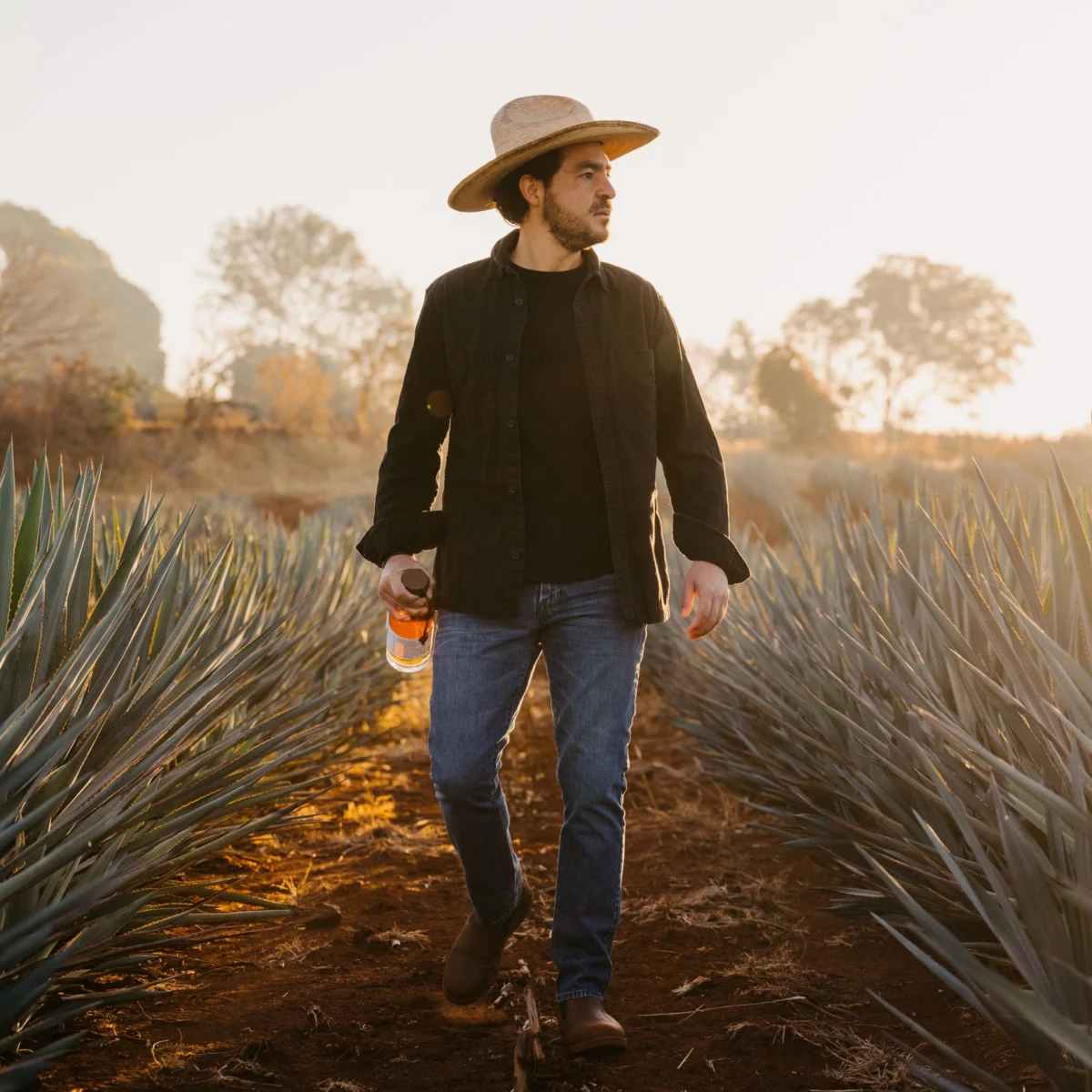
Traditionally, tequila is aged in white American oak barrels to soften harsh alcohol flavours for a smoother, creamier mouthfeel. However, increasing numbers of producers are experimenting with different cask finishes to explore their effect on the tequila’s aroma, flavours and texture, while luring whisky and wine drinkers. This strategic evolution marks a significant departure from centuries-old practices, propelling tequila into a new era of complexity and global appeal. The transformation is not merely an act of differentiation but a profound re-evaluation of how barrel aging can enhance, rather than merely subdue, the vibrant character of the agave plant.
The Historical Canvas: American Oak and Tequila’s Enduring Legacy
For generations, the aging of tequila has been inextricably linked with American white oak. This tradition emerged partly out of practicality and economic factors, as American whiskey barrels, particularly those previously used for bourbon, were readily available and cost-effective. These barrels, often charred, impart distinct notes of vanilla, caramel, and toasted oak, which historically served to mellow the fiery spirit of freshly distilled tequila, lending it a palatable smoothness and a golden hue. The goal was to refine the raw spirit, transforming it into añejo and reposado expressions beloved for their approachable character. This established a baseline for what consumers expected from aged tequila: a comforting familiarity and a certain elegance derived from its interaction with wood. However, as the global palate for spirits grew more sophisticated and adventurous, a new generation of tequileros began to ponder the untapped potential residing within diverse barrel types.
A Global Palette: The Drivers Behind Cask Experimentation
The burgeoning interest in alternative cask finishes for tequila is not an isolated phenomenon but rather a reflection of broader trends sweeping across the premium spirits industry. Globally, consumers are demonstrating an increasing appetite for unique, artisanal, and complex flavor profiles. This demand has fueled a "premiumization" trend, where drinkers are willing to pay more for spirits that offer a distinctive experience and a compelling story. The global tequila market, valued at approximately $15 billion USD in 2023, is projected to reach over $25 billion USD by 2030, with much of this growth driven by the premium and ultra-premium categories. This economic impetus provides producers with the capital and incentive to invest in more expensive and innovative aging techniques.
Moreover, the success of cask finishing in other spirit categories, notably Scotch whisky, Irish whiskey, and rum, has served as a powerful precedent. Whisky producers have long explored various wine, sherry, and port casks to impart layers of flavor and aroma, successfully attracting new consumers and diversifying their offerings. Tequila producers, observing these successes, recognized an opportunity to apply similar principles while meticulously preserving the essence of their agave spirit. The aim is multifaceted: to create entirely new expressions that broaden tequila’s appeal, to attract discerning whisky and wine aficionados seeking novel experiences, and to elevate tequila’s status from a party shot to a revered sipping spirit. Each cask can contribute different levels of complexity, but producers emphasize that this innovation is not arbitrary. It’s paramount to understand the inherent character of the tequila first, then find a cask that genuinely enhances what’s already there, rather than masking it. This philosophy underscores a commitment to the agave, even as the boundaries of maturation are pushed.
From Cognac to Calvados: A Spirited History of Innovation
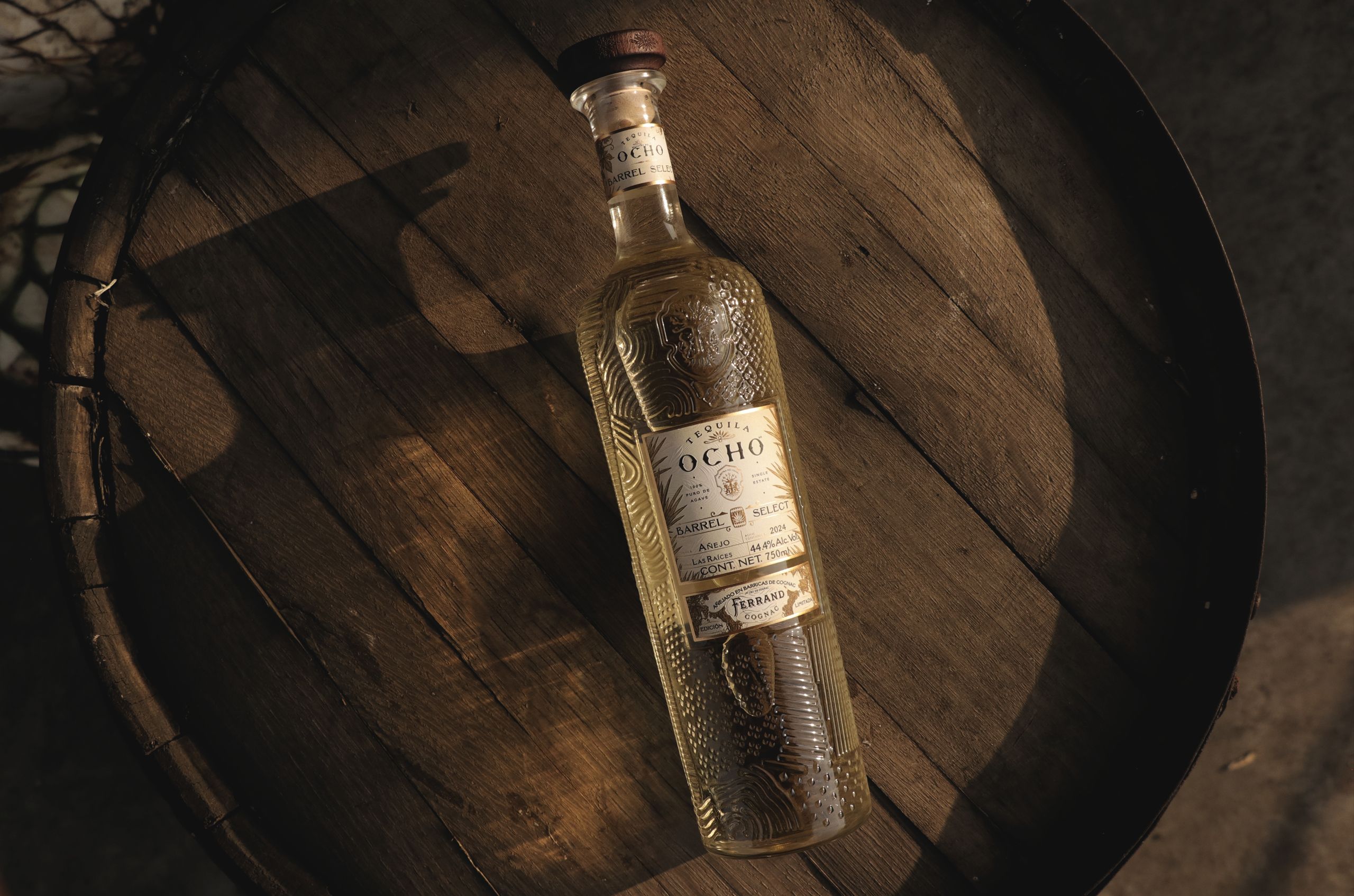
The journey into experimental cask finishing often begins with familiar spirits, leveraging the well-understood characteristics of their aging vessels. Tequila Ocho, a brand celebrated for its commitment to single-estate, vintage-designated tequilas, exemplifies this approach with its Barrel Select Añejo. This particular expression is aged in seasoned Cognac casks made from French oak, a choice that elegantly marries the traditions of two iconic spirits.

Jesse Estes, global brand ambassador for Tequila Ocho, elucidates the nuanced interaction: “A seasoned Cognac cask brings the characteristics of French oak, but it also brings the history of the spirit that previously occupied it. The cask has already been used to mature Cognac, so its interaction with the tequila is different from that of a new barrel.” This distinction is critical; a new barrel might impart too much raw wood influence, potentially overpowering the delicate agave. A seasoned barrel, however, has already surrendered some of its more assertive wood compounds, leaving behind subtle traces of its previous occupant, which can then gently intertwine with the tequila. The overarching goal is never to make the tequila taste like Cognac, but to understand precisely what the barrel can contribute while rigorously preserving the tequila’s intrinsic identity. Estes stresses this foundational principle: “We don’t want the barrel to become the dominant flavor in the tequila. We want it to frame the agave.” This framing allows the inherent minerality, sweetness, and vegetal notes of the agave to shine through, complemented by the delicate fruit and spice notes inherited from the Cognac.
Similarly, Don Fulano, another respected producer, delves into French oak, specifically French Limousin oak from southwest France, for its Reposado expression. This choice highlights the diverse properties even within a single oak species. Sergio Mendoza, co-founder of Don Fulano, explains the synergy: “French Limousin’s elegant and subtle dry spice character complements the natural roundness of our mature highland agave base. Our aim is to let the product express itself through its long maturation without letting the barrel dominate with over-woodiness.” This speaks to the meticulous selection process, where the origin and specific characteristics of the wood are considered as carefully as the agave itself. Don Fulano’s innovative spirit doesn’t stop there; Mendoza reveals further explorations: “We like to play with specialty casks, such as with oloroso and amontillado Sherry or Calvados. This provides more subtle finishes or coupages.” These additional finishes, often shorter in duration, are designed to add layers of aromatic complexity and textural richness, demonstrating a sophisticated approach to blending and finishing that moves beyond simple aging.
East Meets West: The Allure of Exotic Woods
Beyond the established European oak varieties, some producers are venturing into truly unique territories, embracing woods traditionally associated with other global spirits. Casa Dragones Reposado Mizunara stands as a pioneering example, being the first tequila aged exclusively in Mizunara casks. Mizunara, a rare and highly prized Japanese oak, is renowned for its distinctive properties and its significant role in shaping the character of high-end Japanese whisky.
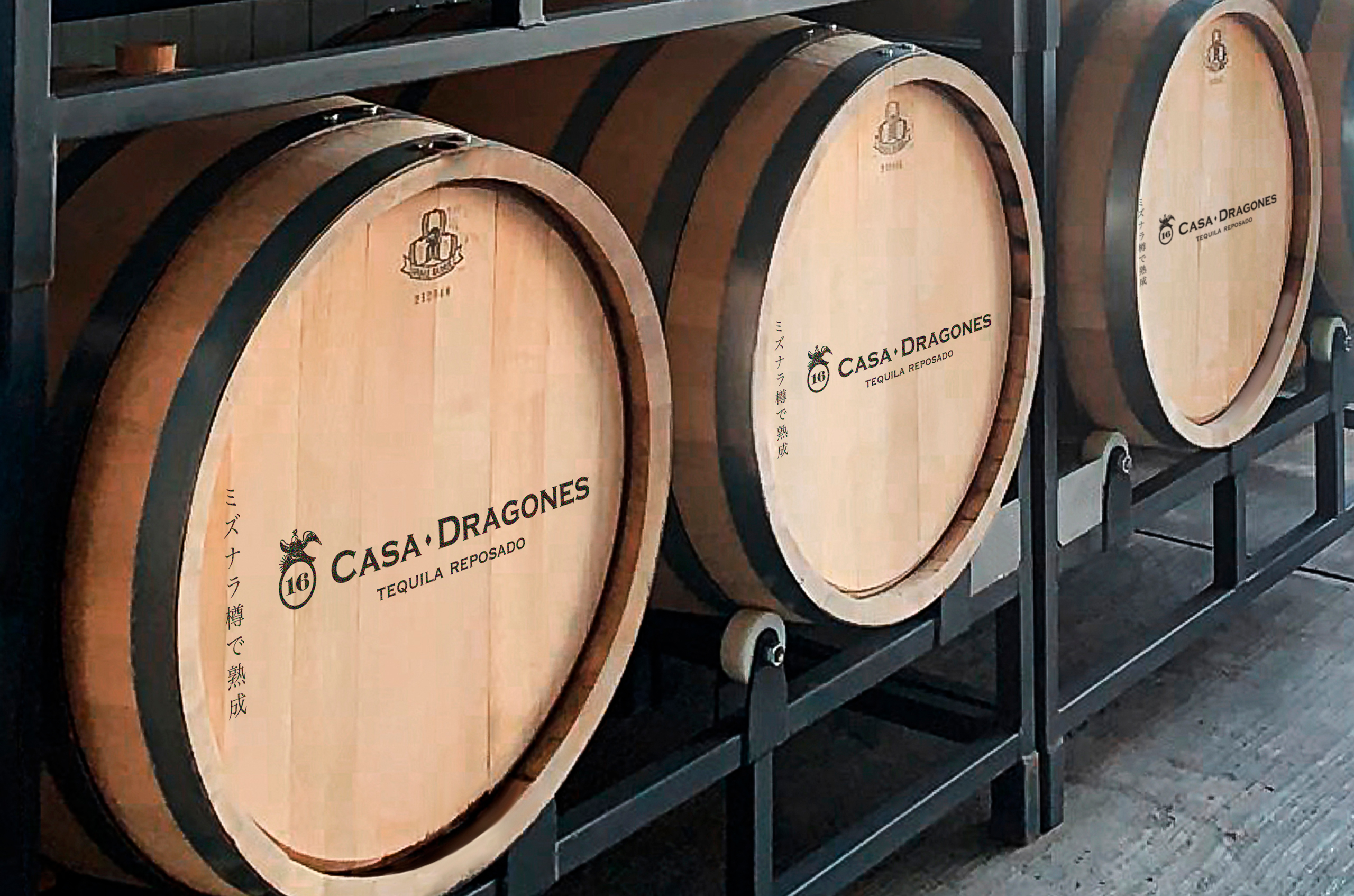
Bertha González Nieves, co-founder and CEO at Casa Dragones Tequila, speaks to the remarkable outcome: “The minerality and character of the agave remain very present. It’s complemented by these delicate characteristics of Japanese oak.” Mizunara oak is known for imparting complex notes of sandalwood, coconut, and exotic spices, which, when harmonized with the sweet, herbaceous profile of blue agave, creates an entirely new sensory experience. The challenge with Mizunara lies in its porous nature and high tannin content, requiring expert cooperage and precise aging conditions to prevent over-extraction. However, when successfully managed, it yields a tequila of unparalleled elegance and aromatic depth. For Nieves, this innovation extends beyond mere flavor. The unique relationship forged between the Mexican agave and Japanese Mizunara oak embodies something far grander: “It represents a beautiful meeting of both Mexican and Japanese cultures, thanks to extraordinary traditions of craftsmanship.” This cultural exchange through spirits highlights tequila’s growing global relevance and its capacity to act as a bridge between diverse artisanal heritages.
Culinary Alchemy: Tequila Embraces Local Flavors
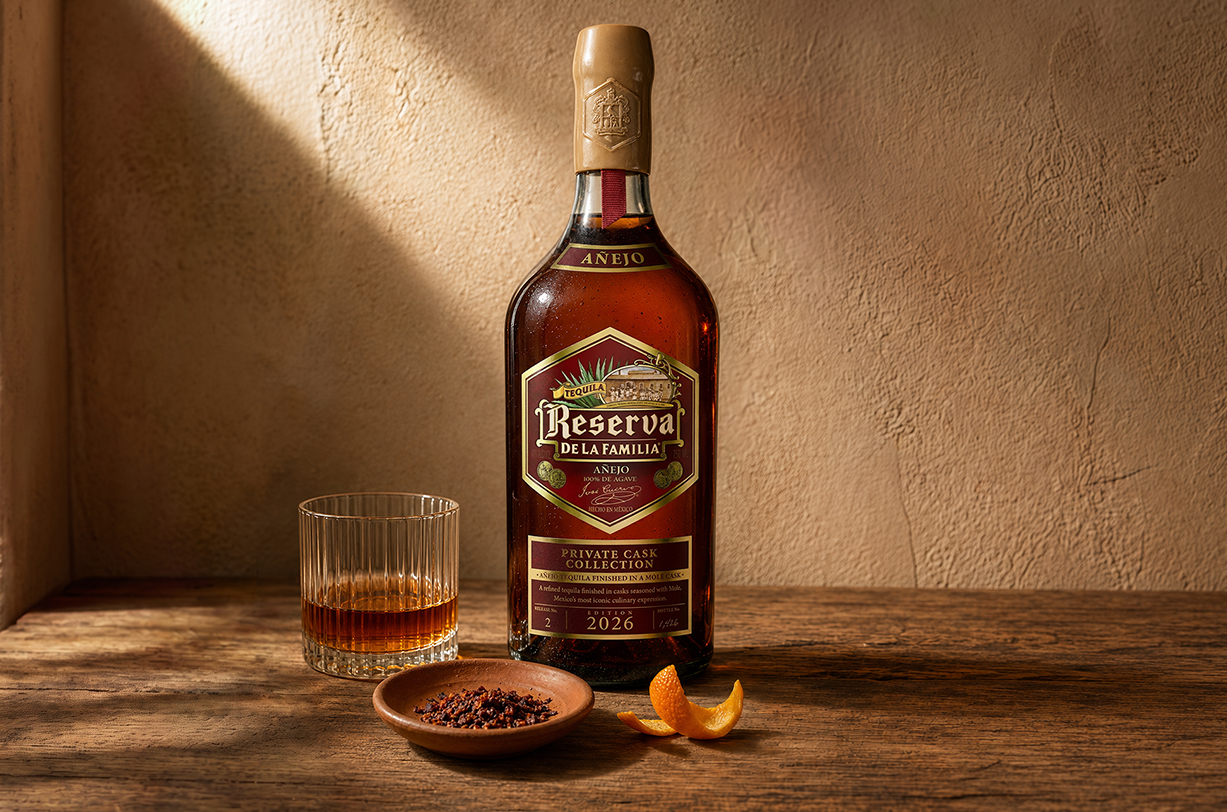
Perhaps the most audacious and quintessentially Mexican innovation comes from José Cuervo’s Reserva de la Familia Private Cask Collection Edition No2. This groundbreaking expression holds the distinction of being the world’s first tequila finished in mole-seasoned barrels, paying homage to one of Mexico’s most revered and complex culinary creations – mole, a rich, savory sauce with deep historical roots.
Alejandro Coronado, Maestro Tequilero for Reserva de la Familia, describes the intricate process of translating such a complex flavor profile into wood: “A key challenge was translating mole’s complex flavour into wood. We created a specialty Oaxacan red mole paste that was added directly to the interior of new American oak barrels, allowing the wood to absorb those deep, layered compounds.” This ingenious method ensures that the tequila itself never directly touches the mole paste. Instead, the wood acts as an intermediary, absorbing the essence of the mole – its chocolate, chili, spice, and fruit notes – and then subtly imparting these characteristics to the tequila during its finishing period. After the seasoning, the barrels were thoroughly rinsed and then filled with the brand’s añejo tequila. The result is an expression unlike anything previously encountered in the tequila world, offering a bridge between Mexico’s liquid heritage and its culinary artistry. Coronado emphasizes the purity of this approach: “What makes this approach so unique is that nothing is added directly to the liquid. The wood does all the work.” This innovative technique underscores a profound respect for both the tequila’s integrity and the rich cultural tapestry of Mexico, offering a taste experience that is both familiar in its components and revolutionary in its execution.
The Whisk(e)y Connection: Bridging Distilled Worlds
The influence of the whisky world on tequila aging is particularly pronounced, offering pathways to expand complexity and appeal to a broad base of discerning drinkers. Tequila Partida’s Añejo, and particularly its Roble Fino Añejo, showcases a multi-stage aging process that draws heavily from whisky maturation techniques. This tequila is first aged for 18 months in ex-bourbon barrels, a common practice that lays down a foundation of sweet vanilla and caramel notes. Following this, it undergoes an additional five months of finishing in Sherry-seasoned ex-single malt Scotch casks, creating an expansive complexity and depth.
José Valdez, Master Tequilero at Tequila Partida, explains the rationale behind this layered approach: “Ex-bourbon contributes a rounder and softer texture, complementing the natural cooked-agave profile very well. The ex-single malt Scotch sherry-seasoned casks take the tequila in another direction with additional depth and complexity.” The initial bourbon aging provides a familiar warmth and sweetness, preparing the palate for the more intricate notes introduced by the Scotch casks. These casks, having previously held single malt whisky and then seasoned with Sherry, contribute a rich tapestry of dried fruit, nutty, and subtly smoky nuances, all while maintaining the integrity of the agave spirit.
This innovative use of different casks serves not only to deepen producers’ understanding of the intricate craft behind maturation but also to push the boundaries of what is possible within the tequila category. Valdez encapsulates the delicate balance required for such pioneering efforts: “Innovation in tequila is about having the courage to explore, but also the discipline to know when to say no. My role is not simply to create something new, but to make sure that what we create respects the agave.” This statement highlights the critical tension between artistic freedom and the preservation of tradition, a challenge faced by all distillers pushing the envelope. The goal is always to elevate, never to obscure, the unique voice of the blue agave.
The Art of Balance: Preserving Agave’s Soul
At