admin
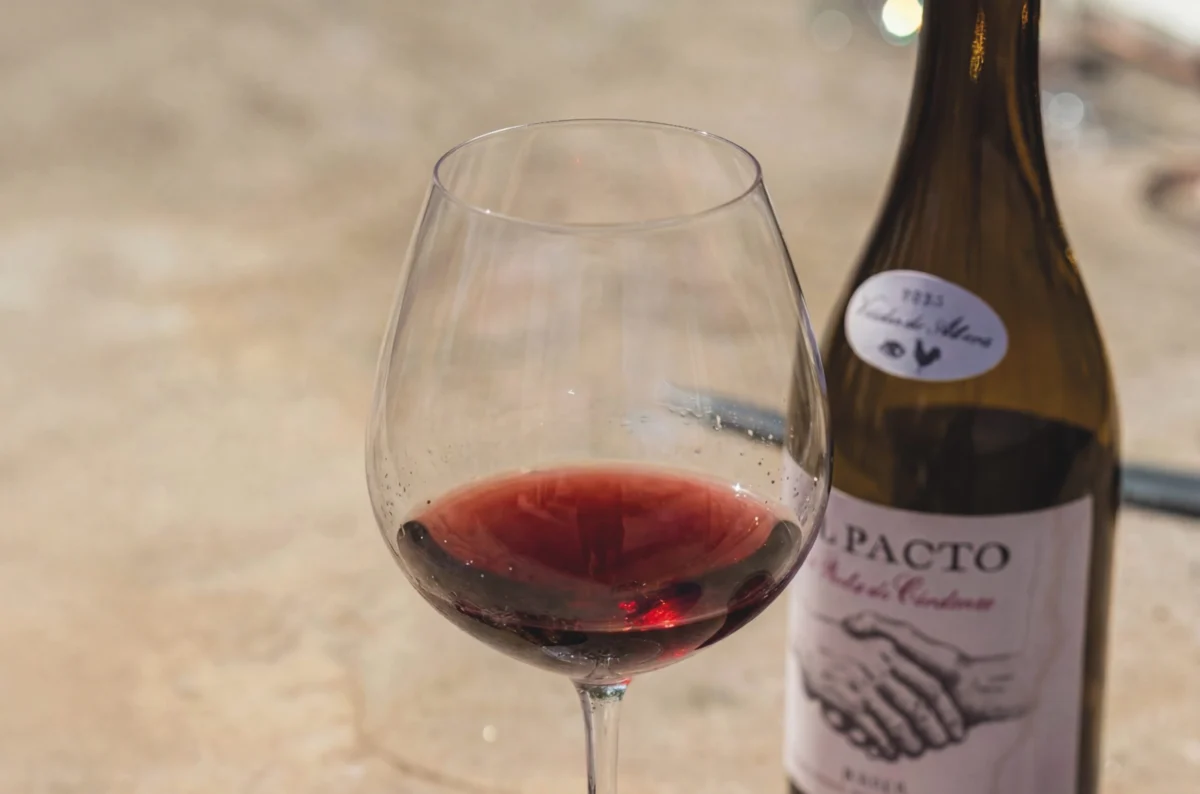
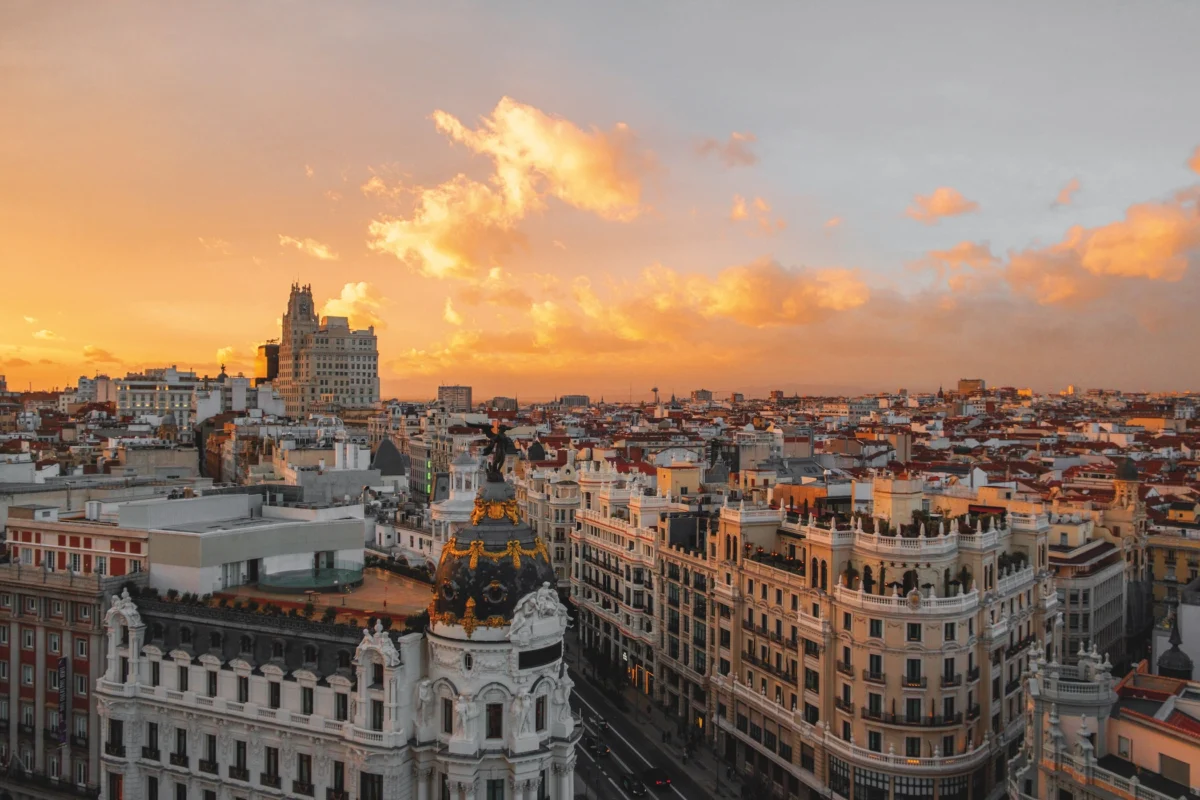
As August peaks, Madrid undergoes its annual metamorphosis, transforming from a bustling European capital into a remarkably tranquil urban landscape. The city’s inhabitants, seeking respite from the sweltering summer heat, traditionally embark on a mass exodus to Spain’s cooler coastlines or northern regions. This seasonal migration leaves Madrid’s grand avenues quieter, its plazas less crowded, and its renowned culinary scene subtly altered, offering a unique, almost introspective experience for the fewer residents and discerning travelers who remain. Yet, beyond the city limits, this period quietly highlights the resilience and burgeoning quality of the wine regions that encircle the Spanish capital, particularly in Central Spain, where a vibrant viticultural renaissance is firmly underway.

The August Exodus: Madrid’s Seasonal Transformation
The phenomenon of Madrid in August is deeply ingrained in Spanish culture and climate. With average daily temperatures often soaring above 30°C (86°F) and frequently reaching into the high 30s or even 40s°C (100s°F), the city’s inland location makes it particularly susceptible to intense summer heat. Historically, August has been designated as the primary vacation month, allowing Madrileños to escape the urban furnace. This tradition sees a significant portion of the population heading to the cooler climes of the Mediterranean coast, the Atlantic shores, or mountain retreats.
A City in Repose: Cultural and Economic Nuances
The demographic shift profoundly impacts the city’s rhythm. Many local businesses, from small family-run shops to a considerable number of restaurants, close their doors for the entire month, displaying "Cerrado por Vacaciones" signs. This creates a distinct atmosphere where the usual frenetic pace gives way to a serene calm. For those who choose or need to stay, the city offers an unusual quietude, punctuated by the hum of air conditioning units and the leisurely pace of life. While certain tourist-focused establishments remain open, the overall drop in local footfall can lead to a noticeable dip in general retail and service sector activity. However, this period also presents an opportunity for international visitors to experience a less crowded, perhaps more authentic, side of Madrid, provided they are prepared for the heat. The city, though stifling, reveals a strange beauty in its stillness, a promise of the softer, gentler hues that arrive with early September, when Madrileños return, revitalized, to embrace their city once more.

Central Spain’s Unsung Terroirs: A Wine Renaissance
While Madrid itself takes a summer pause, the surrounding wine regions are very much alive, their vineyards basking in the intense summer sun that ripens their grapes. Central Spain, encompassing the autonomous community of Madrid and parts of Castile and León and Castile-La Mancha, has long been a productive agricultural area. However, its viticultural prowess has, for decades, been overshadowed by more internationally renowned regions like Rioja and Ribera del Duero. In recent years, a quiet revolution has been brewing, driven by a new generation of winemakers dedicated to uncovering the unique potential of indigenous grape varieties and diverse terroirs. This movement has transformed the perception of wines from areas like the Sierra de Gredos, Méntrida, Cebreros, and the Vinos de Madrid DO, establishing them as serious contenders on the global wine stage.
Gredos: The Garnacha and Albillo Heartland
The Sierra de Gredos mountain range, straddling the provinces of Ávila, Madrid, and Toledo, has emerged as one of Spain’s most exciting wine regions. This rugged, granitic landscape, characterized by high-altitude vineyards (often between 600 and 1,200 meters above sea level), boasts ancient bush vines, many over 50 years old. The star grape here is undoubtedly Garnacha (Grenache). Unlike the more robust, high-alcohol Garnachas found in other parts of Spain, Gredos Garnacha is typically lauded for its elegance, finesse, aromatic complexity, and vibrant acidity. The unique combination of granite soils, significant diurnal temperature shifts, and old vines results in wines that are delicate yet structured, often displaying notes of wild strawberries, raspberries, and subtle floral undertones.
Alongside Garnacha, the white grape Albillo Real is experiencing a significant revival in Gredos. This indigenous variety, once overlooked, is now being crafted into truly exceptional white wines. Producers are experimenting with various winemaking techniques, including fermentation in large wooden foudres, concrete tanks, and traditional terracotta amphorae (tinajas). The resulting Albillo Real wines are celebrated for their distinctive texture, electric energy, and complex aromatics, often showcasing notes of stone fruit, herbs, and a saline minerality that speaks of their mountainous origins. Producers like Bernabeleva and Bodegas Arrayan are at the forefront of this Albillo Real renaissance, demonstrating the grape’s potential for poise and longevity.
Méntrida and Vinos de Madrid: Diversity and Tradition
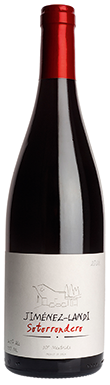
Adjacent to Gredos, the Méntrida DO (Denominación de Origen) in Toledo province is another region where Garnacha thrives. While sharing some stylistic similarities with Gredos, Méntrida’s Garnachas often present a slightly different expression, influenced by its distinct granite and sandy loam soils. Wineries here, such as Bodegas Jiménez-Landi and Bodegas Canopy, focus on showcasing the grape’s purity and depth, with wines that combine power and elegance.
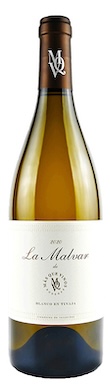
Closer to the capital, the Vinos de Madrid DO encompasses several sub-zones, each with its own microclimate and traditional grape varieties. In addition to Garnacha and Albillo Real, the white grape Malvar is a key player here. Malvar, often fermented with some skin contact or aged on its lees in tinajas, can produce distinctive, sometimes semi-oxidative, white wines with unique aromatic profiles, combining notes of pâtisserie, nuts, and orchard fruit. Bodegas Más Que Vinos is a notable proponent of this intriguing variety. For red wines, Tinto Fino (the local clone of Tempranillo) also plays a significant role, producing high-quality reds that offer broad appeal, often fermented in concrete tanks to preserve freshness and fruit purity, as exemplified by Bodegas Cinco Leguas.
Pioneering Producers and Indigenous Varieties
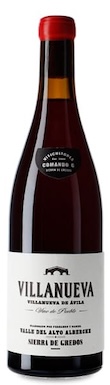
The resurgence of Central Spanish wines is largely attributable to a dedicated cadre of winemakers who are deeply committed to their land and its heritage. Producers like Comando G have gained international acclaim for their exquisite, terroir-driven Garnachas from specific village and single-vineyard sites within Gredos, emphasizing minimal intervention and transparency of origin. Their "Villanueva" village wine, for instance, is a finessed expression fermented with indigenous yeasts and aged in concrete, showcasing the purity of the Cebreros terroir.
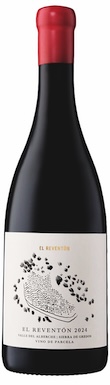
Other significant names include Bodega El Reventón, crafting Garnachas that marry delicacy with serious substance from ancient vines, and Rico Nuevo, focusing on finely crafted Garnachas from cooler, north-facing vineyards. These wineries, along with Bodegas Alonso Cuesta, who produces a very pretty Garnacha from a 3.5ha vineyard planted in 1950, are demonstrating the incredible diversity and quality achievable with these often-forgotten grapes and old vineyards. Their efforts are not just about making great wine; they are about preserving viticultural heritage and promoting sustainable practices in challenging landscapes.
The Craft Behind the Bottle: Winemaking Philosophies
The winemaking philosophies prevalent in Central Spain’s revitalized regions are characterized by a profound respect for tradition combined with a readiness for innovation. Many producers employ minimal intervention techniques, allowing the unique characteristics of the grape and the terroir to shine through. This often includes:
- Organic and Biodynamic Practices: A growing number of wineries are adopting sustainable farming methods to promote vineyard health and express the purest sense of place.
- Old Vines: A strong emphasis is placed on working with old, low-yielding bush vines, which naturally produce grapes of greater concentration and complexity. These ancient vineyards are a priceless asset, offering a link to the past and a foundation for the future.
- Indigenous Yeasts: Spontaneous fermentation using ambient yeasts found naturally in the vineyard and cellar is common, believed to contribute to the wine’s unique character and complexity.
- Traditional Vessels: While stainless steel and oak barrels are still used, there’s a notable return to traditional fermentation and aging vessels like tinajas (terracotta amphorae) and large wooden foudres. These vessels allow for a slow, gentle maturation, preserving fruit purity and texture without imparting excessive oak flavors.
- Whole Bunch Fermentation: For red grapes like Garnacha, whole bunch (or whole cluster) fermentation is increasingly employed. This technique, where entire grape bunches (including stems) are fermented, can add aromatic complexity, freshness, and a finer tannic structure to the wines.
These meticulous approaches reflect a collective ambition among Central Spanish winemakers to produce wines that are not only of high quality but also deeply expressive of their origin, moving away from generic, mass-produced styles towards authentic, terroir-driven expressions.
Innovation Meets Heritage: A Timeline of Growth
The evolution of Central Spanish wine can be loosely charted through several phases:
- Mid-20th Century (Post-Civil War): Focus predominantly on bulk wine production, often for blending or local consumption, with little emphasis on quality or regional identity.
- Late 20th Century (1980s-1990s): The establishment of Denominaciones de Origen (DOs) like Vinos de Madrid and Méntrida provided a framework for quality control and regional identity, but initial efforts were often still rudimentary.
- Early 2000s: A new wave of winemakers, often young and internationally educated, began to identify the potential of old vineyards and indigenous varieties, particularly in regions like Gredos. They started experimenting with more precise viticulture and minimalist winemaking.
- 2010s to Present: This decade has seen an acceleration of interest and investment. International recognition has grown significantly, fueled by critical acclaim and a global trend towards lighter, more expressive, and terroir-specific wines. The focus on sustainability and the revival of ancient winemaking techniques have further cemented the region’s reputation.
This chronology demonstrates a clear trajectory from obscurity to prominence, driven by a deep-seated belief in the potential of Central Spain’s unique viticultural heritage.
Implications and Future Outlook: A Region on the Rise
The ongoing renaissance in Central Spain’s wine regions carries significant implications, extending beyond the wine glass to impact regional economies, cultural identity, and the broader Spanish wine industry.
Economic and Cultural Resonance
The growing reputation of these wines is a powerful catalyst for economic diversification in rural areas. Wine tourism, though still nascent compared to established regions, is steadily gaining traction. Visitors are increasingly seeking authentic experiences, including vineyard tours, winery visits, and tastings, which directly benefit local businesses, from restaurants and accommodations to artisanal producers. This influx of interest provides crucial support for small-scale farmers and winemakers, helping to sustain livelihoods and prevent rural depopulation.
Culturally, the focus on indigenous varieties like Albillo Real, Malvar, and the distinctive Gredos Garnacha helps preserve Spain’s rich viticultural heritage. These grapes represent centuries of adaptation to specific local conditions and embody a unique part of Spain’s agricultural biodiversity. By elevating their status, winemakers are not just crafting beverages but also telling the story of their land and people. This regional pride fosters a strong sense of identity and contributes to the broader cultural tapestry of Central Spain.
Sustaining the Future of Spanish Wine
For the Spanish wine industry as a whole, the rise of Central Spain offers a compelling narrative of innovation and evolution. It challenges traditional perceptions that Spanish quality wine is solely concentrated in a few well-known regions, demonstrating the vast and untapped potential across the country. This diversification strengthens Spain’s position in the global wine market, offering a wider array of styles and stories to international consumers.
Furthermore, the emphasis on sustainable practices and the preservation of old vines in these regions sets a positive example. Many of these vineyards were on the verge of abandonment due to economic pressures. Their revival signifies a commitment to environmental stewardship and long-term viability. The intense August heat, which prompts Madrid’s seasonal exodus, ironically plays a crucial role in shaping the character of these wines, contributing to the concentration of flavors and the development of unique aromatic profiles. The contrast between the city’s temporary slumber and the enduring vitality of its surrounding wine regions underscores a deeper truth: even in the quietest moments, Spain’s diverse landscapes continue to cultivate exceptional treasures, waiting to be discovered and appreciated. The wines of Central Spain are not merely beverages; they are liquid reflections of a resilient land, a passionate people, and a future brimming with potential.