 admin
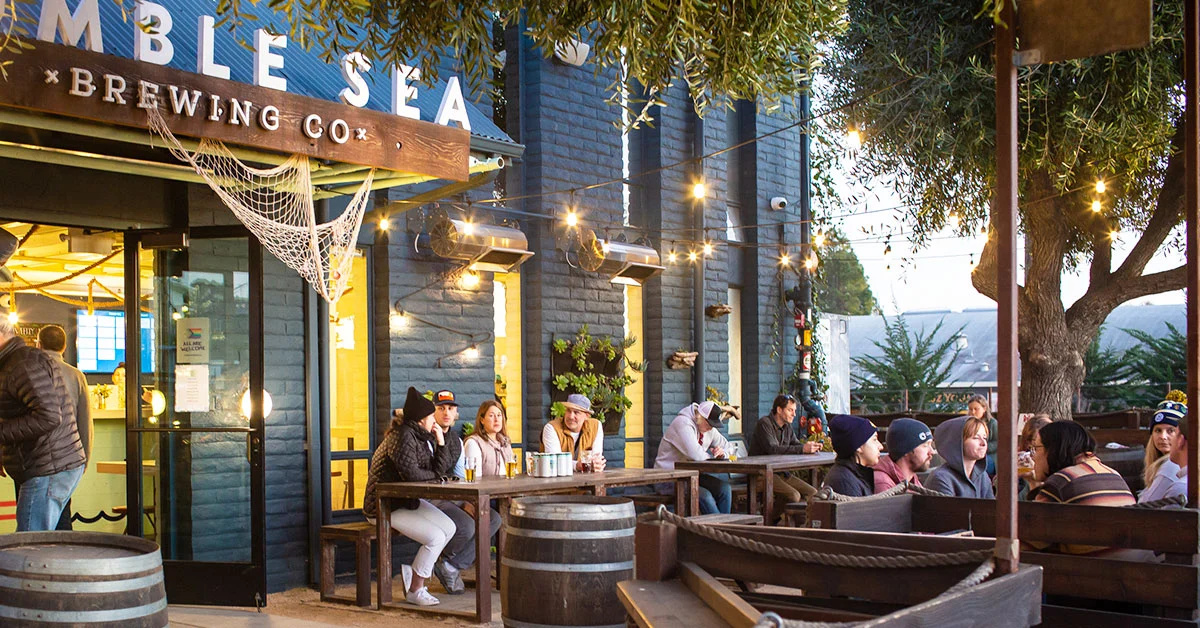
The American craft brewing industry, once defined by a relentless pursuit of the "new," is currently undergoing a significant strategic realignment as breweries attempt to balance the demands of a novelty-seeking public with the economic stability provided by flagship brands. For many independent brewers, the journey from inception to market maturity has required a series of tactical pivots, moving from passion-driven projects to data-informed business models. This evolution is particularly evident in the trajectories of Sunriver Brewing Company in Oregon and Humble Sea Brewing Co. in California, two entities that have successfully navigated the "sweet spot" between cutting-edge experimentation and the reliable comfort of traditional styles.
The Strategic Genesis: From Tourist Staples to High-End Innovation
The founding of a brewery often begins with a specific vision of the liquid, yet market realities frequently dictate the initial portfolio. At Sunriver Brewing in Oregon, the initial menu was not shaped by the brewers’ personal preferences alone, but by the specific demographic of their primary point of sale: the brewery’s restaurant. When Sunriver launched in 2014, its location in a resort community presented a unique challenge. While the year-round population of Sunriver hovers around 2,000 residents, weekend tourism can swell that number to 15,000.
According to head brewer Brett Thomas, the early portfolio was intentionally "pub-oriented," designed to cater to a transient tourist demographic that, a decade ago, favored recognizable and approachable craft styles. The lineup consisted of foundational offerings: a blonde ale, a pale ale, an amber ale, and a stout. This conservative approach provided a stable entry point for consumers who were just beginning to explore the craft segment. However, as the brewery matured and sought to enter the competitive wholesale market, the strategy had to shift. The challenge became maintaining the interest of "beer nerds" and high-end consumers without alienating the base that provided the brewery’s foundational volume.
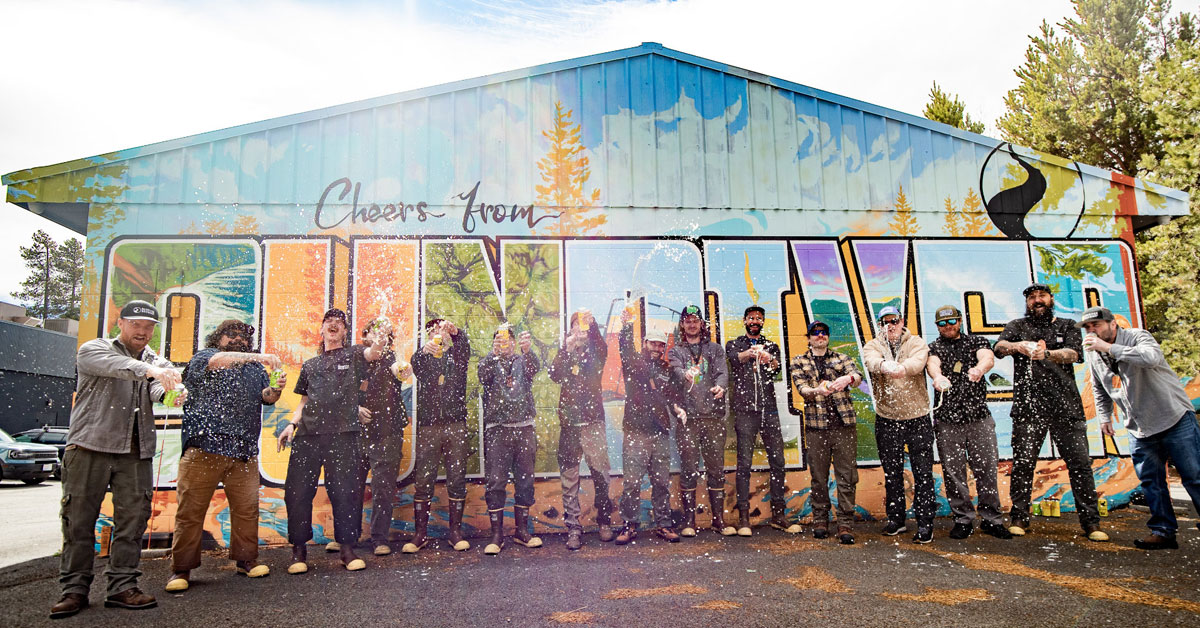
The Pivot Toward Market Demand: The Humble Sea Experience
While Sunriver began with broad appeal and moved toward specialization, Humble Sea Brewing Co. in Santa Cruz, California, followed an inverse trajectory. Founded in 2015, Humble Sea was conceptualized as a "lager-first" brewery, reflecting the founders’ passion for the technical precision and drinkability of bottom-fermented beers. However, the California market in the mid-2010s was not yet ready for a craft lager revolution; instead, it was firmly entrenched in the "Hazy IPA" craze.
Cofounder Frank Scott Krueger notes that the brewery had to pivot to "keep the lights on," leaning heavily into what they termed "foggy IPAs." At one point, hoppy, high-ABV offerings accounted for 95% of their production. This shift was a matter of economic survival, as the "foggy" style became the brewery’s signature, putting them on the national map and building a dedicated following of "beer nerds"—consumers who prioritize rarity, newness, and bold flavor profiles. It was only after establishing this brand equity and trust that Humble Sea was able to reintroduce their original passion. Today, lagers constitute approximately 30% of their production, a testament to the growing consumer sophistication and the brewery’s ability to lead its audience back to more traditional styles.
Chronology of an Evolving Industry: 2014 to Present
To understand these shifts, one must look at the broader timeline of the U.S. craft beer market:
- 2014–2016: The Peak of IPA Dominance. India Pale Ales (IPAs) became the undisputed engine of craft growth. Breweries like Sunriver and Humble Sea had to ensure their hoppy offerings were world-class to compete for shelf space.
- 2017–2019: The Rise of the Hazy and the Experimental. The "New England Style" IPA went mainstream. Breweries began experimenting with increasingly adjunct-heavy stouts and fruited sours to satisfy a market that demanded weekly "drops" of new cans.
- 2020–2021: The Pandemic Disruption. The closure of taprooms forced a sudden shift to packaged goods and e-commerce. Margins tightened, and the importance of wholesale relationships became paramount.
- 2022–2024: Release Fatigue and the Return to Quality. A "back-to-basics" movement began to take hold. Consumers, overwhelmed by the sheer volume of new releases, started returning to trusted flagship brands and cleaner, more sessionable styles like pilsners and lagers.
Data-Driven Diversification: Meeting the "IPA Culture"
Despite the resurgence of lagers, the economic reality remains that the United States is still an "IPA culture." Industry data from the Brewers Association consistently shows that IPAs account for nearly 40% of all craft beer dollar sales in off-premise retail. Brett Thomas of Sunriver acknowledges this reality, noting that half of the tap handles in most bars are dedicated to IPAs or their variations. To remain viable, a brewery must be "very strong in that realm" while simultaneously offering alternatives.
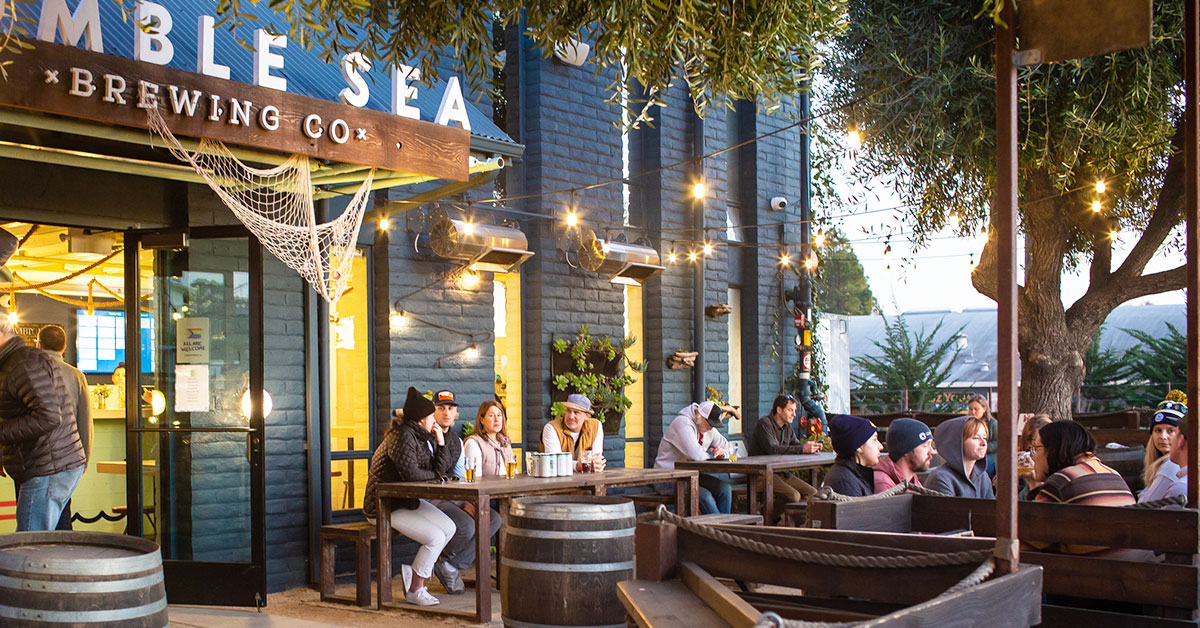
Sunriver’s current strategy involves a tiered approach to its portfolio:
- The Entry Level: "Coolwater" American light lager, designed for tourists and those seeking high drinkability.
- The Enthusiast Level: A robust rotation of IPAs, led by their flagship "Vicious Mosquito."
- The Connoisseur Level: Barrel-aged and wild ale series, which command higher price points and build brand prestige among "high-end" demographics.
- Beyond Beer: The introduction of hard seltzers, a move Thomas admits he would have dismissed two years ago, but which has become necessary to ensure there is a beverage for every person in a group.
The Flagship Paradox: Nostalgia vs. Novelty
One of the most significant shifts in the current landscape is the rehabilitation of the "flagship" brand. For years, the industry mantra was "innovation at all costs," leading many breweries to abandon core brands in favor of a constant stream of one-off releases. However, beer writer Jeff Alworth has noted a growing "release fatigue" among consumers. The power of nostalgia and the desire for a reliable, consistent experience are driving drinkers back to established names.
For Humble Sea, their "Socks & Sandals" Foggy IPA has become an accidental flagship. While the founders didn’t set out to be a "core beer" brewery, the consumer demand for that specific product forced their hand. Similarly, Sunriver’s "Vicious Mosquito" IPA became their flagship through the influence of wholesalers. In the mid-2010s, wholesalers were focused on brand building; once they found a product that showed consistent movement, they focused their efforts on expanding its footprint. Thomas credits this "brand exploitation" by wholesalers for building the foundation of Sunriver’s success.
Regional Tailoring and Distribution Challenges
The modern brewery must also contend with the logistical complexity of diverse sales channels. Humble Sea has adopted a localized approach to its multiple taprooms, tailoring its draft lists to the specific tastes of different neighborhoods. In Pacifica, West Coast IPAs remain the top sellers; in Santa Cruz, pilsners and lagers dominate; and in Alameda, a more "hardcore" beer enthusiast base seeks out triple and quadruple IPAs.
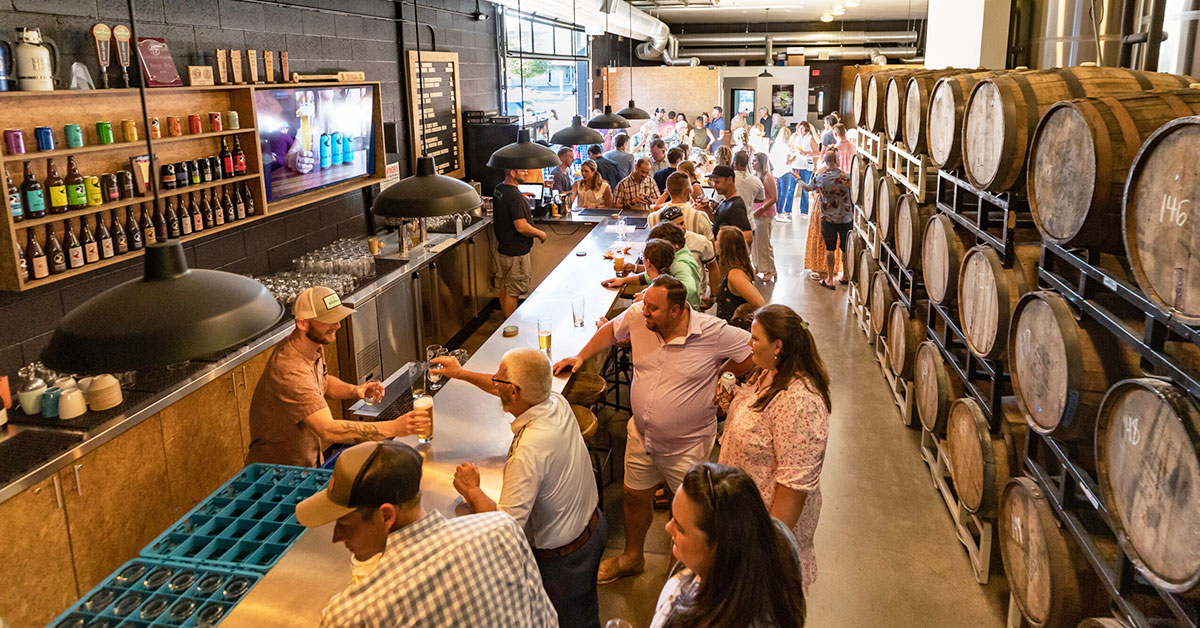
This level of customization, while effective for consumer satisfaction, creates "competing agendas" within the business. As Brett Thomas points out, the needs of a wholesaler (who wants high-volume, consistent flagships) often clash with the desires of a taproom manager (who wants constant variety to drive repeat visits) and the passions of the brewing team (who may want to experiment with niche historical styles).
Broader Implications for the Future of Craft Brewing
The experiences of Sunriver and Humble Sea reflect a broader maturation of the American craft beer industry. The era of "growth at any cost" has been replaced by a more disciplined focus on portfolio balance and operational efficiency. The implications of this shift are manifold:
- Consumer Retention over Acquisition: As the market becomes saturated, breweries are focusing more on building long-term loyalty through consistent flagships rather than just attracting "tickers" who only buy a beer once to log it on a social app.
- Economic Resilience: By diversifying into seltzers, lagers, and high-end barrel-aged products, breweries are insulating themselves against shifts in any single category.
- The Professionalization of the Taproom: Taprooms are no longer just places to drink; they are sophisticated laboratories for market research where breweries can test new concepts before committing to a full-scale wholesale launch.
In conclusion, the successful modern brewery is one that can navigate the tension between the brewer’s art and the market’s demand. Whether it is Sunriver’s pivot from tourist staples to award-winning IPAs or Humble Sea’s strategic detour into "foggy" beers to fund their lager dreams, the lesson is clear: flexibility is the most important ingredient in any recipe. As the industry continues to evolve, the breweries that survive will be those that respect the power of the flagship while never losing the courage to innovate.