admin
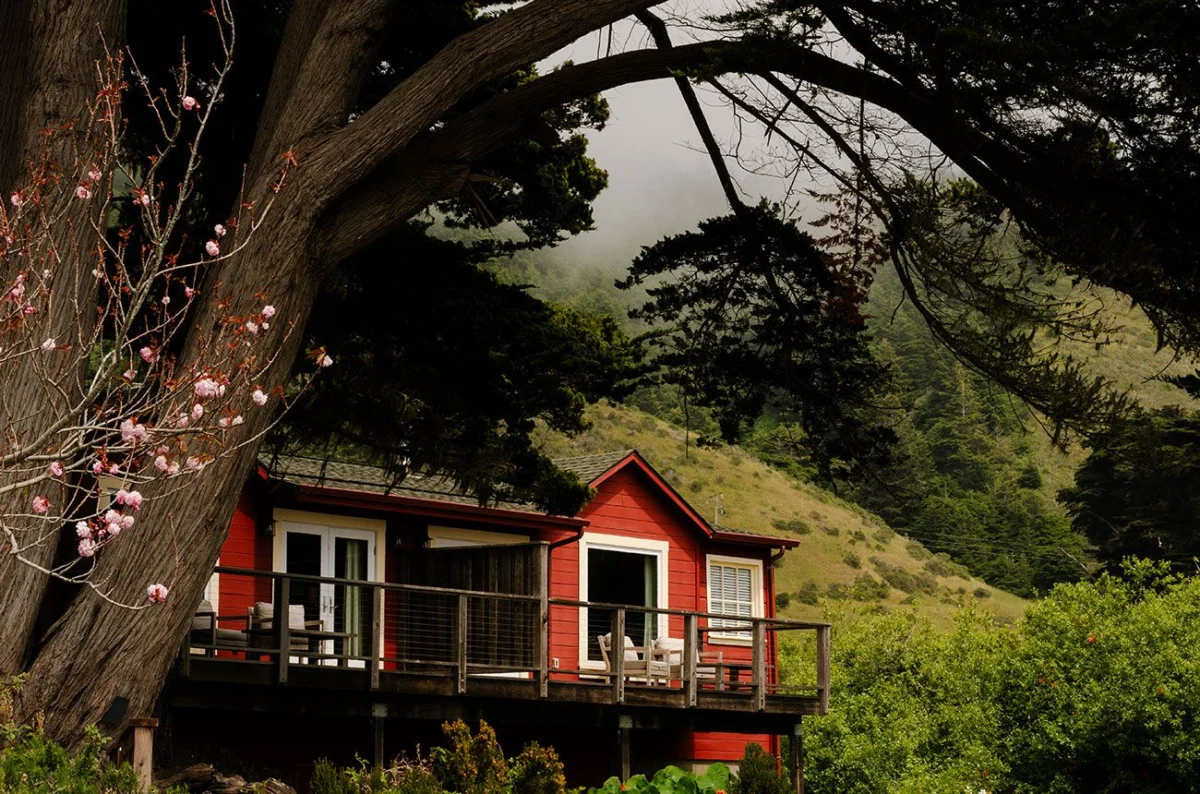
Nestled discreetly along the rugged, wind-swept coastline of Northern California, in the minuscule village of Elk, lies The Harbor House Inn – a property whose understated approach belies its status as a bastion of luxury and home to a celebrated two-Michelin-starred restaurant. The journey to this secluded retreat, optimistically estimated at three hours from the bustling metropolis of San Francisco, traverses landscapes that gradually strip away urban complexities, preparing guests for an experience of profound disconnection and refined indulgence. Elk itself, a hamlet of approximately 600 residents, presents a picture of quintessential coastal solitude, marked by a singular general store, a handful of local businesses, and vast expanses of untouched native vegetation and pristine, empty beaches. This deliberate remoteness is not a deterrent but a fundamental component of the inn’s allure, promising an escape where the Pacific’s rhythmic roar dictates the pace of life.
The Allure of Elk: A Coastal Outpost
The geographical isolation of Elk is central to the Harbor House Inn’s unique identity. Situated in Mendocino County, a region renowned for its dramatic cliffs, ancient redwood forests, and pioneering spirit, Elk embodies a bygone era of coastal living. Historically, the town was a vital logging community, with its harbor serving as a hub for shipping redwood timber down the coast. The towering redwood forests provided the raw material, and Elk’s position offered a strategic point for transport, shaping its early character and economy. Today, its economic landscape has gently shifted towards tourism, with the Harbor House Inn playing a pivotal role in elevating its profile on the global luxury map. The inherent charm of a town untouched by rampant commercialism, where the rhythm of tides and seasons dictates daily life, provides a compelling backdrop for a high-end escape.
Navigating to Northern California’s Hidden Gem
Accessing this hidden gem from San Francisco offers travelers two distinct and equally scenic routes, each presenting its own narrative of Northern California’s diverse beauty. The first, and arguably more efficient for those prioritizing time, involves navigating Highway 101 north to Cloverdale before veering west onto Highway 128. This path guides visitors through the heart of Anderson Valley, a viticultural appellation celebrated for its cool-climate varietals. This fertile valley, a verdant tapestry of vineyards and apple orchards, has carved out a reputation for producing some of California’s most exquisite Pinot Noir and Chardonnay, thriving in the region’s unique maritime influence. Beyond still wines, it is also home to world-class sparkling wine producers, notably Roederer Estate, a prestigious property of the Champagne house Louis Roederer, which has championed traditional method sparkling wines here for decades. The valley also distinguishes itself with its successful cultivation of Alsatian varieties, such as Gewürztraminer and Riesling, which flourish in its specific microclimate. A stop in Anderson Valley is more than just a break; it’s an immersion into a vibrant agricultural and winemaking heritage, offering numerous tasting rooms and farm-to-table eateries that provide a delightful prelude to the culinary journey awaiting at Elk.
Alternatively, the more adventurous and visually inclined traveler can opt for the entirety of Highway 1, the iconic Pacific Coast Highway. While adding approximately an hour to the drive due to its winding nature, this route offers an unparalleled panorama of the Pacific Ocean, considered one of the most scenic drives in the world. Winding through charming coastal towns like Bodega Bay, famous for its role in Alfred Hitchcock’s "The Birds," and Jenner, where the Russian River meets the sea, the highway clings precariously to the cliffs, revealing breathtaking vistas at every turn. This extended drive transforms into an integral part of the experience, a meditative passage where the vastness of the ocean and the raw power of nature gradually soothe the mind, setting the stage for the tranquility of the inn. The dramatic cliffs, pristine beaches, and occasional sightings of marine wildlife along this stretch underscore the region’s untamed beauty and ecological significance, reminding travelers of the delicate balance of this protected coastline.
A Century of History: From Lumber Showpiece to Luxury Retreat
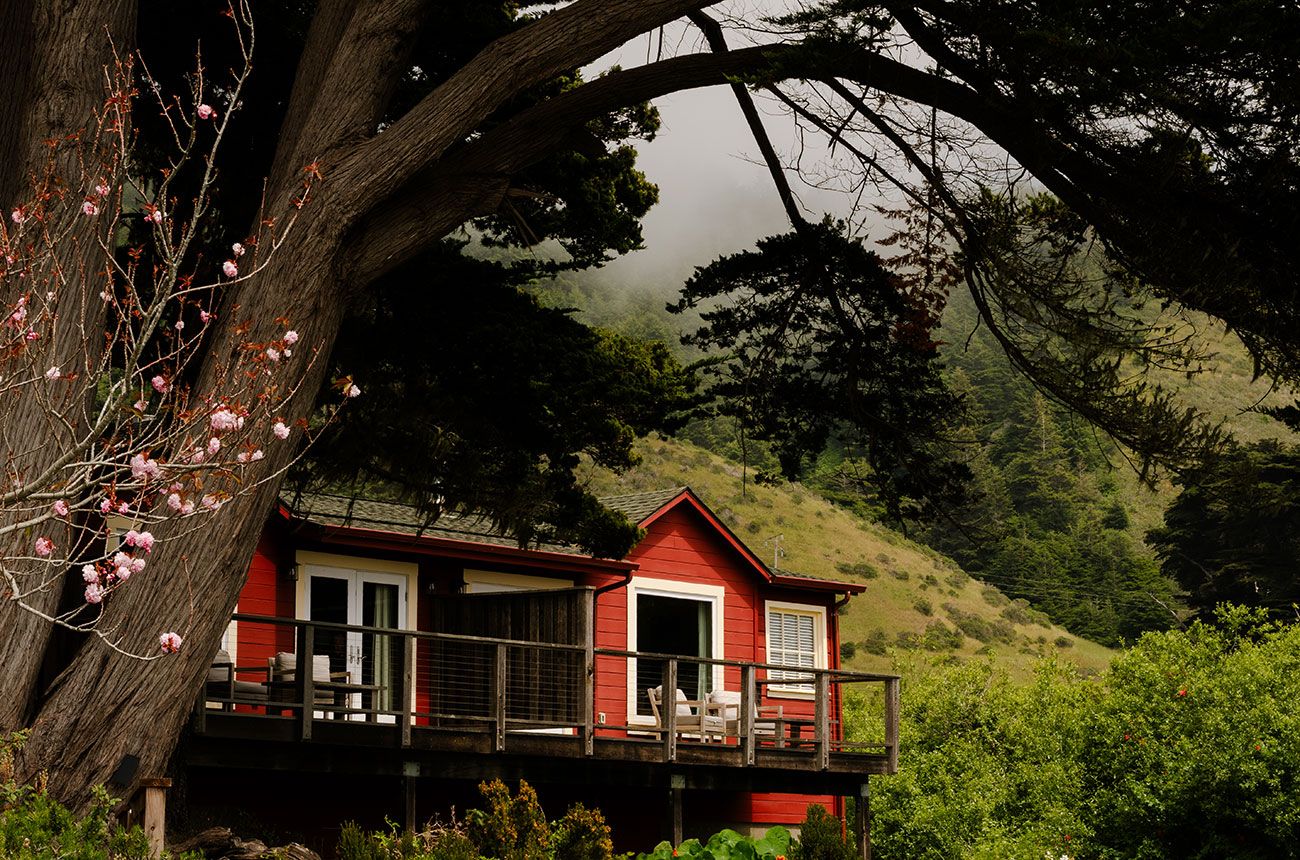
Upon arrival, the Harbor House Inn emerges from the landscape, a distinctive silhouette perched majestically on a bluff overlooking a secluded cove. Its position grants it an almost ethereal quality, appearing to levitate above the churning ocean. The building itself is a testament to the region’s rich history, constructed in 1916 by a prominent lumber company. It was conceived as a grand showpiece, a tangible advertisement for the superior quality of local redwood timber that was then being shipped to markets across the nation and beyond. Its original purpose was to showcase the craftsmanship and material wealth derived from the surrounding forests, a heritage that subtly resonates in its current incarnation, albeit with a different focus on natural resources.
Over many decades, the property changed hands numerous times, weathering the shifts in the local economy and evolving architectural tastes. However, it underwent a significant transformation and rebirth, reopening its doors in 2018 as The Harbor House Inn. This comprehensive renovation respected the historical integrity of the structure while infusing it with contemporary luxury and sustainable practices. The inn now comprises 10 exquisitely appointed rooms, distributed between the historic main building and five charming standalone cottages. Each accommodation is designed to harmonize with the coastal environment, offering distinct experiences. Some rooms boast opulent features such as antique clawfoot tubs and inviting gas fireplaces, all while commanding sweeping, uninterrupted views of the Pacific Ocean, where the horizon stretches endlessly. Other rooms, equally comfortable, provide a more intimate perspective, looking out onto the meticulously maintained gardens, offering a tranquil verdant counterpoint to the dramatic seascape.
The Philosophy of Slow Living and Unplugged Luxury
Beyond the physical comforts, the entire property is curated to deliver a profound sense of disconnection from the demands of modern life and to offer a unique interpretation of luxury. This is a luxury not defined by ostentation, but by the rare opportunity to slow down, to reconnect with nature, and to rediscover inner peace – a commodity often scarce in the relentless rhythm of urban existence. The ethos of The Harbor House Inn is deliberate relaxation. Guests are encouraged to embrace a slower pace, whether through a leisurely stroll down to the private cove for an intimate encounter with the beach and the hypnotic dance of waves against the rocks, or by simply savoring a handcrafted drink on the expansive deck, absorbing the panoramic ocean views. A midday nap, serenaded by the constant, soothing murmur of the ocean, becomes an act of profound indulgence. For those seeking gentle activity, Greenwood State Beach, located a mere half-mile down the road, offers accessible hiking trails that wind through coastal bluffs and provide further opportunities to explore the natural beauty of the area, known for its tide pools and migratory bird viewing.
A notable aspect of the inn’s operational philosophy is its child-free policy. This decision, while perhaps limiting for some, is a conscious choice to cultivate an atmosphere of adult serenity and uninterrupted tranquility. Management frequently notes that a significant portion of their clientele comprises parents embarking on their first nights away from their children in years, underscoring the inn’s role as a sanctuary for rejuvenation and quiet reflection. This focus allows for an environment where conversations flow softly, and the natural sounds of the coast remain undisturbed, creating an atmosphere conducive to deep rest and contemplation.
The Culinary Apex: Chef Matthew Kammerer’s Michelin-Starred Vision
While the accommodations provide an unparalleled haven of comfort, the undisputed main attraction and the very heart of The Harbor House Inn experience is its restaurant, helmed by the extraordinarily talented Chef Matthew Kammerer. Chef Kammerer’s culinary journey is a fascinating narrative of deliberate contrast. Having spent the majority of his distinguished career honing his craft in the high-pressure, fast-paced kitchens of major culinary capitals around the world, he intentionally sought out the antithesis of that environment at Harbor House. In his own words, he was drawn to the "kind of wild side and rawness" of this remote coastal setting, a desire to align his culinary artistry more closely with the rhythms and bounty of nature.
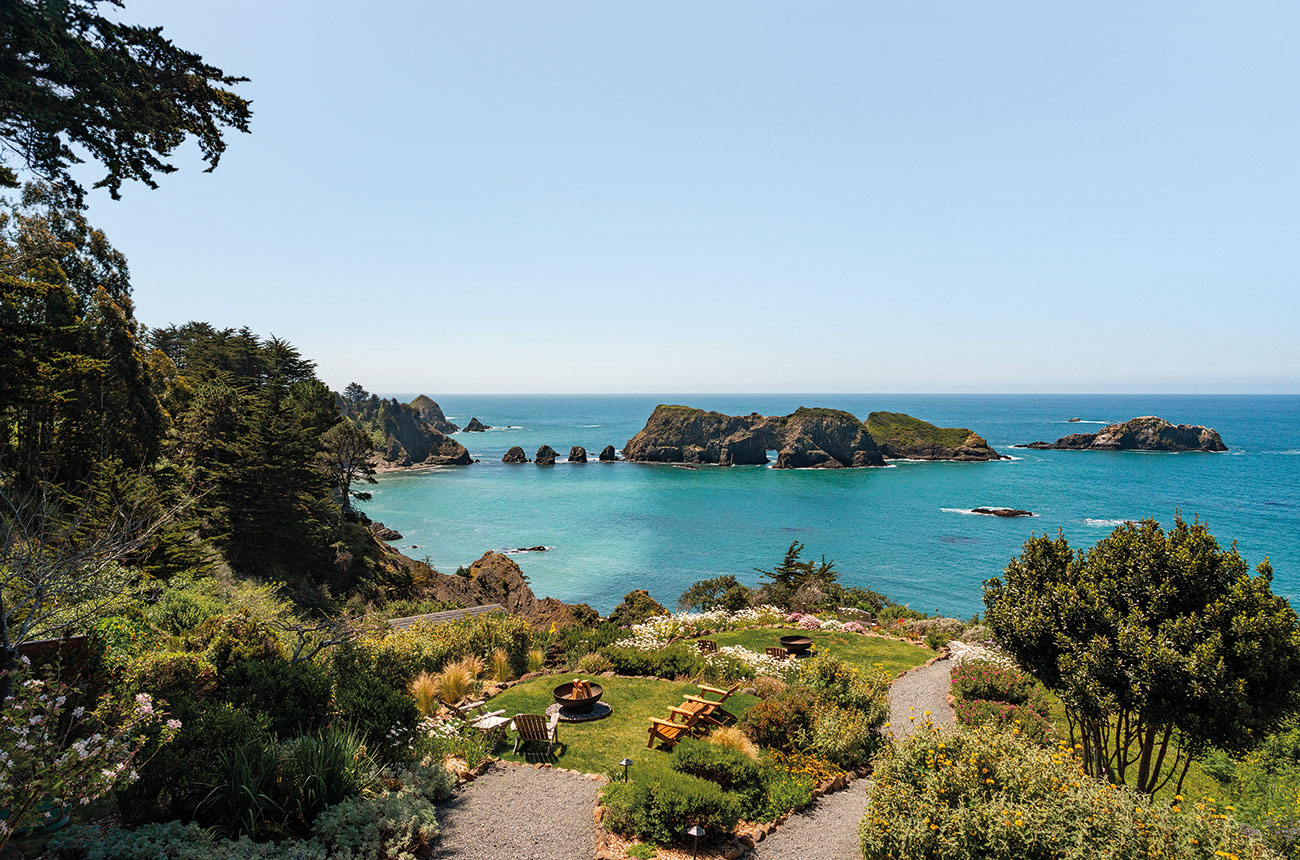
Under Chef Kammerer’s visionary direction, the restaurant has ascended to remarkable heights within the culinary world. It earned its first coveted Michelin star in 2019, a rapid recognition of its exceptional quality and innovative approach within a year of its reopening. This was swiftly followed by a prestigious Green Star for sustainability in 2020, an accolade introduced by the Michelin Guide to acknowledge restaurants at the forefront of sustainable gastronomy, committed to ethical sourcing, waste reduction, and environmental stewardship. The pinnacle of this recognition arrived in 2021 when the restaurant was awarded its second Michelin star, firmly cementing its status as one of North America’s premier dining destinations. This trajectory of success is a testament to Kammerer’s unwavering commitment to his craft and his deep respect for the local environment.
Kammerer’s culinary model draws profound inspiration from the Japanese ryokan tradition – an approach characterized by its intimacy, subtle elegance, intuitive service, and a deep mindfulness of its surroundings and guests. This philosophy, known as omotenashi, emphasizes anticipating needs and providing hospitality from the heart. This translates into a dining experience that is not merely about consuming food but embarking on a curated sensory journey. Every element, from the presentation to the progression of flavors, is meticulously considered to evoke a sense of place and seasonality, fostering a deep connection between diner and environment.
Furthermore, whether by intentional design or an organic extension of his philosophy, Chef Kammerer has masterfully maintained and amplified the ode to local products that was inherently present in the inn’s lumber-era origins. Just as the original building showcased local redwood, his kitchen showcases the unparalleled bounty of the Mendocino coast and its immediate surroundings. This commitment is evident in every detail: abalone shells, harvested sustainably from the local waters, serve not only as elegant decor but also as unique and symbolic serving pieces, connecting guests to the marine ecosystem. The ingredients themselves are a direct reflection of what nature offers at any given moment, with freshly harvested seasonal produce and seafood forming the cornerstone of his ever-evolving menus. Even the dishware itself pays homage to the region, crafted by skilled ceramicists from Mendocino County, reinforcing the deep connection to local artistry and craftsmanship.
Chef Kammerer articulates his philosophy with clarity: "It’s a journey to get here," he states, emphasizing the significant effort guests undertake to reach Elk. He poses a rhetorical question that underpins his entire approach: "Why would I serve you a menu that you could just eat in the city with the same products from the city purveyors?" This question encapsulates his dedication to offering a dining experience that is intrinsically linked to its unique geographical context, providing flavors and ingredients that are impossible to replicate elsewhere.
The Dynamic Menu and Commitment to Hyper-Local Sourcing
The menu at The Harbor House Inn is not merely seasonal; it is dynamic, changing daily, a necessity dictated by Kammerer’s unwavering commitment to hyper-local sourcing and the natural rhythms of the environment. "I’m not a chef who comes up with a dish idea and then goes and finds the food," Kammerer explains, reversing the conventional culinary process. "Let the food come to us, and then we decide how to cook it." This philosophy ensures that every dish is a direct expression of the day’s freshest available ingredients, minimizing waste and maximizing flavor.
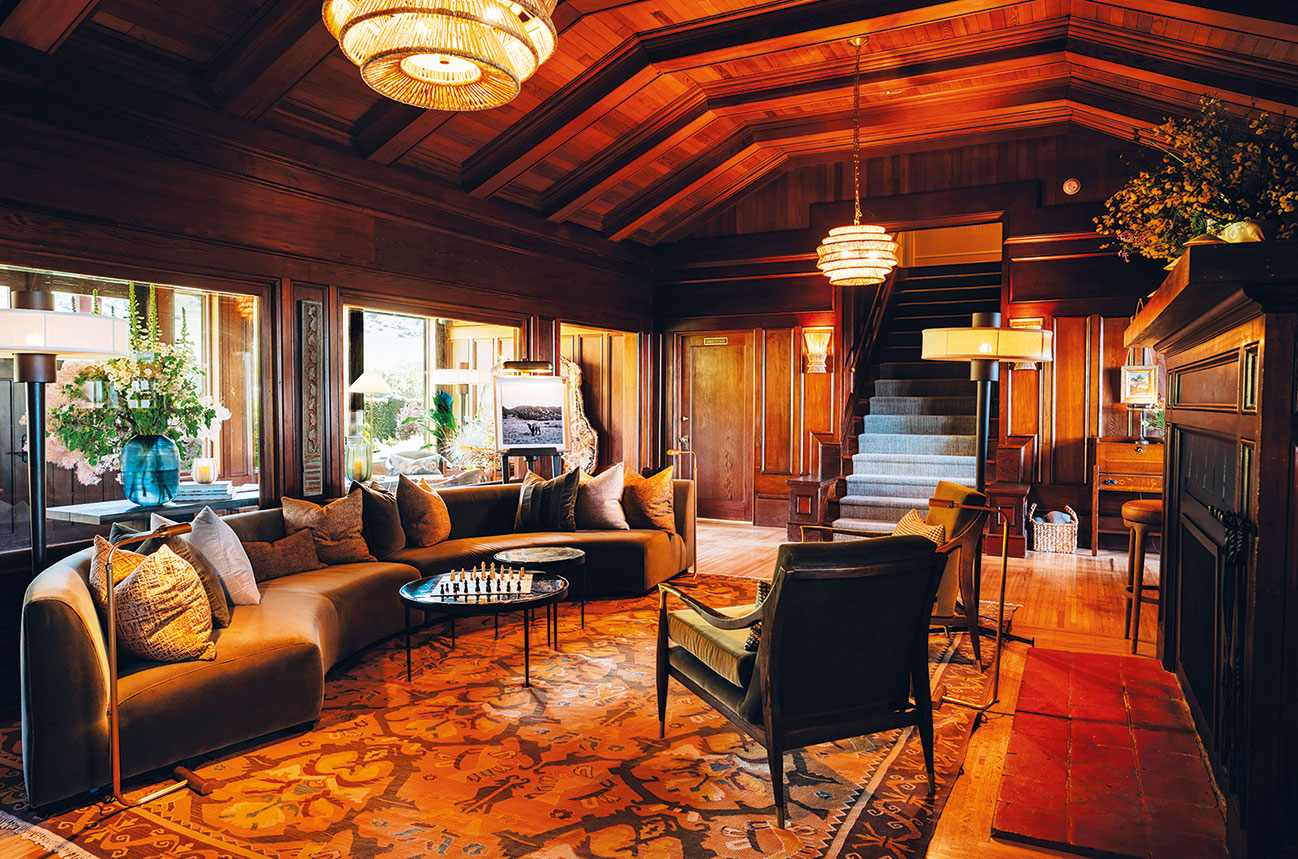
This approach means that spring heralds the arrival of delicate coastal herbs, foraged from the nearby bluffs and forests, such as sea beans and wild sorrel. Winter brings a rich harvest of wild-foraged mushrooms, thriving in the damp, cool climate of the redwood groves, including chanterelles and porcinis. Summer, with its warmer waters, yields an abundance of unique seaweeds and marine edibles directly from the cove below the inn, alongside vibrant berries and garden vegetables. The majority of the produce utilized in the kitchen originates from the inn’s own farm, established in 2020, a testament to their commitment to sustainable, controlled cultivation. This on-site farm allows for unparalleled freshness and control over the ingredients, fostering a true farm-to-table (or rather, farm-to-bluff) experience. Furthermore, the restaurant maintains strong relationships with local fishermen, ensuring that the fish served is landed just down the road, often mere hours before it reaches the plate, emphasizing traceability and ethical fishing practices. This rigorous commitment to local sourcing minimizes environmental impact and supports the local economy.
During a recent visit at the end of July, the dinner experience unfolded as a meticulously crafted nine-course tasting menu, preceded by an exquisite amuse-bouche served in the cozy foyer. The culinary narrative, as described by the kitchen, was inspired by the "daily changing environment of the North Coast," a promise delivered through a parade of dishes predominantly featuring hyper-seasonal vegetables and pristine seafood. A notable exception, and a highlight for many, was a single, impeccably prepared Sonoma-raised wagyu beef course, serving as the rich, savory crescendo before the dessert courses.
The accompanying wine pairing, also subject to daily revision, was undeniably excellent. However, it presented a striking contrast to the food philosophy, leaning almost entirely towards European selections, with the inclusion of one sake. While the quality of the wines was unimpeachable, the reviewer expressed a longing for a pairing that mirrored the food’s deep commitment to local provenance, wishing for a stronger representation of the exceptional wines produced in Mendocino County and the wider Northern California region, particularly given the proximity to Anderson Valley’s renowned wineries. This observation highlights a potential area for further integration of local identity within the beverage program, aligning it more closely with the holistic "sense of place" that defines the cuisine.
The Complete Guest Experience: Amenities and Relaxation
Beyond the epicurean delights, the Harbor House Inn ensures that the overall guest experience is one of profound comfort and engagement with the natural world. The coastal weather in Elk is famously dynamic and often unpredictable, adding to the region’s mystique. However, the experience during the review period was idyllic: days bathed in warm sunshine, gently giving way to the soft embrace of fog as evening approached, providing a natural cooling effect that perfectly set the scene for post-dinner relaxation. This atmospheric transition serves as an ideal invitation to gather around the outdoor fire pit, where guests can share stories, sip digestifs, or simply gaze at the starlit sky, enveloped by the crisp coastal air and the distant roar of the ocean.
For those seeking indoor pursuits, the inn provides a curated selection of games and books. The literary offerings are particularly noteworthy, encompassing an interesting array of culinary texts, guides to local foraging, and detailed books on sustainable farming practices, reflecting the inn’s core values. Additionally, a selection of novels set in California offers a cultural immersion into the state’s diverse landscapes and narratives. These amenities subtly reinforce the inn’s dedication to intellectual curiosity and appreciation for its environment.
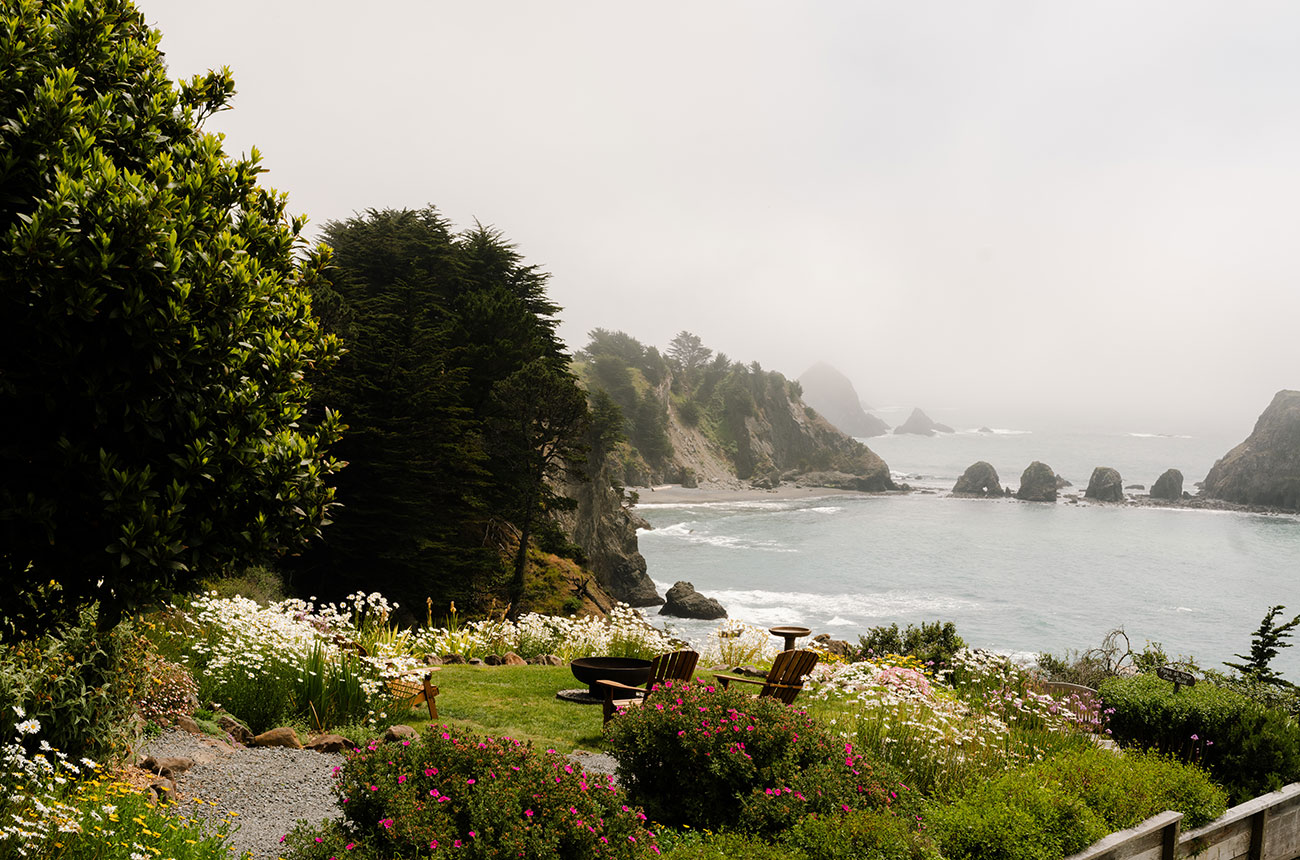
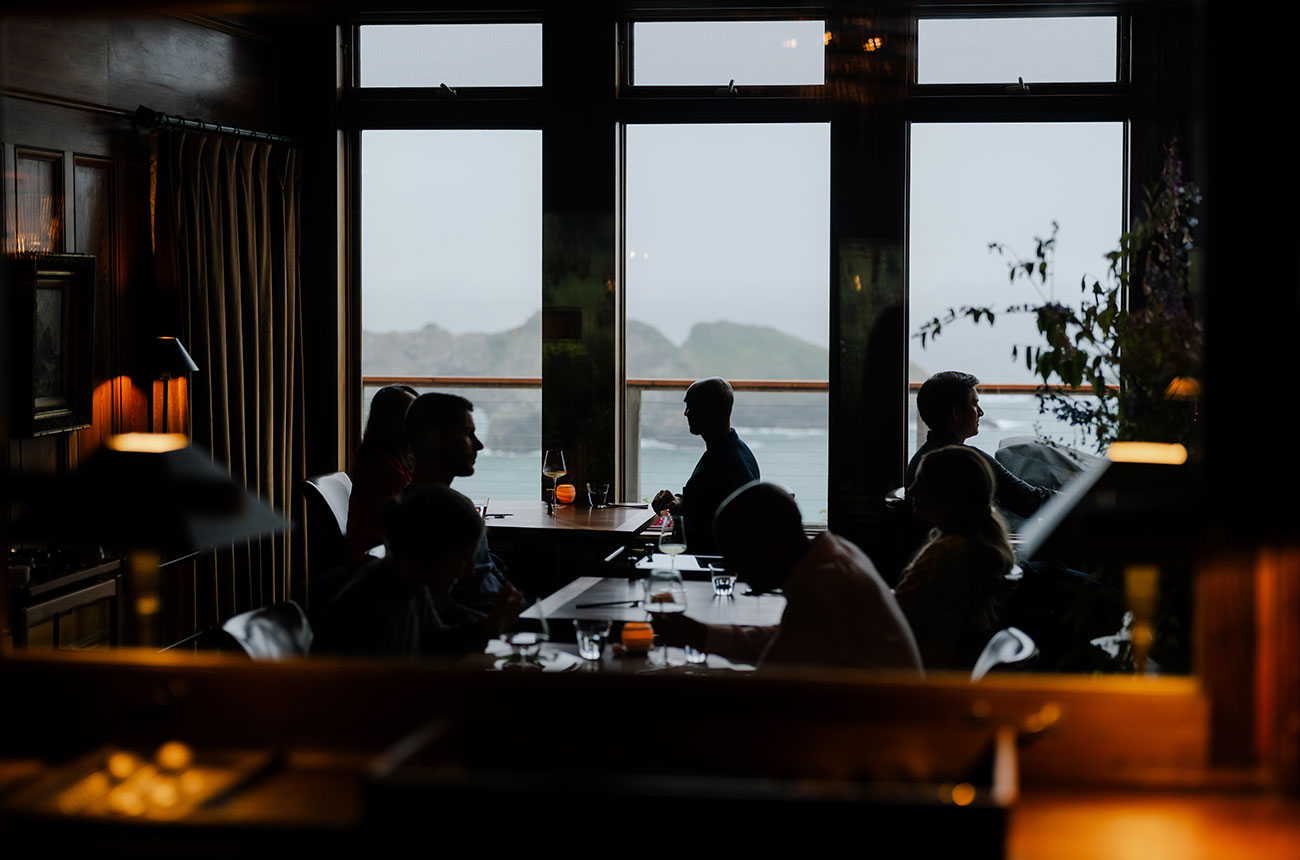
Mornings at The Harbor House Inn are equally thoughtful. Guests residing in the main house are treated to breakfast served in the elegant dining room, where the space is bathed in the soft, invigorating glow of the morning light, offering serene views to start the day. For those staying in the private cottages, a more secluded experience awaits, with breakfast delivered via room service, ensuring maximum privacy and an intimate start to their day.
The recommended minimum stay of two nights is thoughtfully chosen, offering sufficient time to fully immerse oneself in the inn’s offerings and the surrounding natural beauty without feeling rushed. This duration allows for both active exploration and tranquil relaxation. As guests depart, a customary stop at the Elk Store for a sandwich provides a final, charming taste of local life before embarking on the return journey, perhaps taking the alternative scenic route to complete the full circuit of Northern California’s coastal and wine country splendor.
Broader Impact and Implications for Sustainable Luxury Tourism
The Harbor House Inn represents more than just a luxury retreat; it embodies a growing trend in high-end tourism that prioritizes authenticity, sustainability, and a deep connection to place. Its success, particularly its rapid ascent in the Michelin Guide, has significant implications for the remote community of Elk and the broader Mendocino Coast.
Economically, the inn serves as a vital anchor, creating employment opportunities for local residents, from kitchen staff and hospitality professionals to gardeners and maintenance crews. Its commitment to sourcing ingredients locally directly supports regional farmers, fishermen, and artisans, injecting capital into the small-scale agricultural and creative economies of Mendocino County. This symbiotic relationship helps to sustain the unique character of the region, preventing the homogenization often seen in more commercialized tourist destinations. Moreover, the increased prestige brings a new demographic of discerning travelers, potentially boosting other local businesses through ancillary spending.
Environmentally, the Green Star for sustainability underscores a leadership role. By championing foraging, cultivating its own farm, reducing waste through meticulous menu planning, and focusing on seasonal, local ingredients, the inn demonstrates that luxury and ecological responsibility are not mutually exclusive but can, in fact, enhance each other. This model provides a blueprint for other establishments looking to minimize their environmental footprint while delivering exceptional experiences, highlighting best practices in resource management and food waste reduction.
Socially, the inn acts as a cultural bridge, drawing visitors from around the world to a community that might otherwise remain undiscovered. This influx of sophisticated travelers, while bringing economic benefits, also presents a delicate balance for a small town like Elk, which strives to maintain its tranquil charm. The inn’s respectful integration into the community, evidenced by its local sourcing and appreciation for the region’s heritage, is crucial in navigating this balance. It