admin
While the revered traditions of Scotch whisky have long categorized expressions by their regional provenance – the peaty intensity of Islay, the light herbaceousness of the Lowlands, or the rich Sherried notes characteristic of Speyside – American single malt is rapidly forging its own distinct regional identity. Though a relative newcomer, only officially recognized in U.S. federal regulations effective 2025, this dynamic category is already showcasing diverse stylistic signatures driven by a compelling interplay of geography, climate, and innovative distilling practices across the vast American landscape. This burgeoning regionality is not merely a mimicry of Old World classifications but a testament to the unique entrepreneurial spirit and diverse natural resources of the United States.
The Rise of American Single Malt: A New Chapter in Whiskey History
The formal recognition of American single malt by the Alcohol and Tobacco Tax and Trade Bureau (TTB) marks a pivotal moment for a category that has quietly, yet robustly, evolved over the past three decades. The journey began in the mid-1990s with pioneers like McCarthy’s from Clear Creek Distillery in Oregon, which released what is widely considered the first American single malt. This early innovation laid the groundwork for a movement that truly gained momentum in the 2000s, propelled by the flourishing craft brewing scene that naturally transitioned into distilling. Many early single malt distillers brought with them an intimate understanding of malted barley and fermentation, shaping the nascent category.
The lack of a formal definition, however, presented challenges for producers seeking to establish a clear identity and for consumers trying to understand what they were buying. Recognizing this, a consortium of distillers formed the American Single Malt Whiskey Commission (ASMWC) in 2016. Their mission was clear: to advocate for a federal standard that would protect the integrity of the category, promote its growth, and educate the public. After years of diligent work, collaboration, and public commentary, the TTB announced its final rule in May 2024, to be fully implemented by early 2025.
Under the new regulations, American Single Malt Whiskey must meet several criteria: it must be made from 100% malted barley, distilled at a single distillery, matured in oak casks not exceeding 700 liters, distilled to no more than 160 proof (80% ABV), and bottled at a minimum of 80 proof (40% ABV). Importantly, it must be produced in the United States. This regulatory milestone provides a crucial framework, allowing American single malt to stand proudly alongside bourbon, rye, and Tennessee whiskey as a recognized, premium American spirit. This formal designation is expected to unlock new market opportunities, enhance consumer confidence, and stimulate further innovation within the category.
Nora Ganley-Roper, head blender of American whiskey independent bottler Lost Lantern Whiskey – notable for creating the first American vatted malt – articulates a key distinction for American single malt: "Unlike with wine, it’s not just terroir. It’s a combination of factors – specific choices that are made by a number of distilleries in certain regions." This insight underscores that while environmental factors play a role, the conscious decisions of distillers regarding grain sourcing, malting, fermentation, distillation equipment, and maturation conditions are equally, if not more, influential in shaping regional styles. Given the United States’ immense landmass of over 9.8 million square kilometers, encompassing everything from alpine peaks to arid deserts and coastal plains, the emergence of diverse regional styles is not only logical but inevitable.
Pacific Northwest: Craft, Barley, and Distinct Production Methods
The Pacific Northwest, particularly Oregon and Washington, stands as a crucible of American single malt innovation. It was here that McCarthy’s led the charge, and the region’s robust craft brewing culture proved fertile ground for distilling. This background fostered a deep appreciation for diverse barley cultivars and specialized malting techniques, directly influencing the character of the whiskies produced.
Miles Munroe, founder of Grimoire Whiskey and blender for Westward Whiskey, both based in Portland, Oregon, highlights this agricultural advantage: "Most of the best barley grown in the US for beer and whiskey grows right here." This access to high-quality, locally grown barley, often including heirloom and experimental varieties, allows distillers to work closely with local farmers and malt houses to achieve precise flavor profiles. The temperate, often rainy climate of the Pacific Northwest also contributes to a slower, more nuanced maturation process compared to hotter regions, allowing for a gradual integration of wood and spirit.
A defining characteristic of many Pacific Northwest single malts, including those from Westland and Copperworks, is the practice of lautering the wash. This process separates the sweet liquid wort from the solid grain husks and malt before fermentation, a method more common in brewing and Scotch production but uncommon in traditional American whiskey, where fermentation and distillation often occur "on the grain." This choice results in a cleaner wash, potentially yielding a purer spirit character. Furthermore, some distillers are experimenting with maturation in native Oregon white oak (Quercus garryana), also known as Garry oak, imparting unique tannic and flavor contributions distinct from the ubiquitous American white oak (Quercus alba). The combination of meticulous grain selection, specialized lautering, and innovative cask choices results in whiskies that are radically diverse yet consistently reflective of the region’s agricultural bounty and artisanal ethos.
Desert Southwest: Sun-Baked Intensity and Mesquite Smoke
The extreme climate of the American Southwest – characterized by scorching summers with temperatures routinely exceeding 35°C, significant diurnal temperature shifts, and pervasive dryness – creates a unique and challenging environment for whiskey maturation. These conditions lead to a rapid interaction between spirit and wood, resulting in intensely concentrated oak flavors even after relatively short aging periods, typically not exceeding four or five years. The high "angel’s share" (evaporation rate) ensures that what remains is remarkably potent and flavorful.
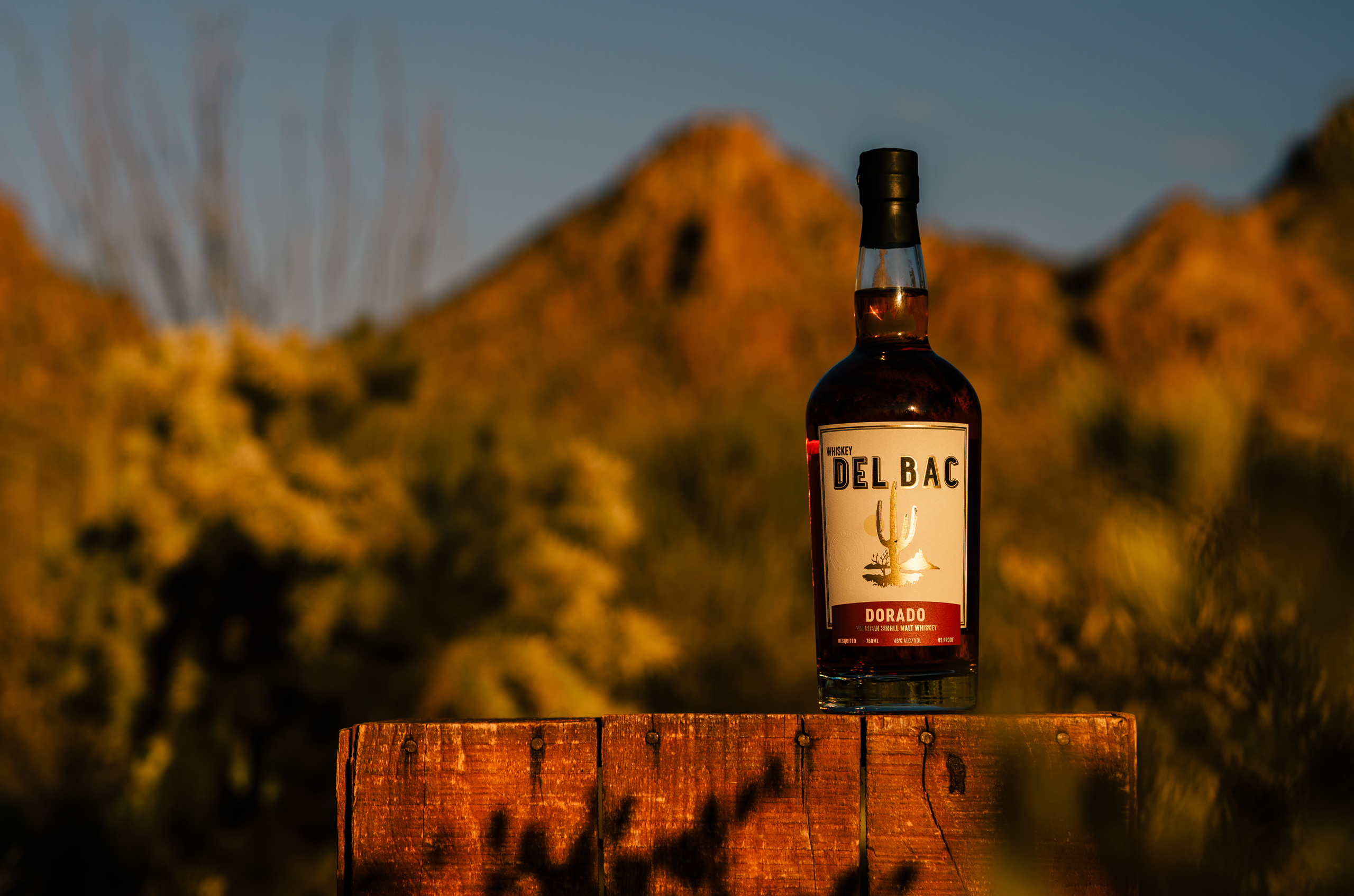
Beyond the climate, the Desert Southwest has pioneered a signature flavor element: mesquite-smoked malt. Whiskey Del Bac in Tucson, Arizona, led this innovation in 2011, with founder Stephen Paul custom-building a malting machine to control the mesquite smoking process in-house. The success of this distinctive profile has since inspired other distilleries in the region, including Santa Fe Spirits in New Mexico and Andalusia Whiskey Co in Texas, to adopt commercial mesquite-smoked malts.
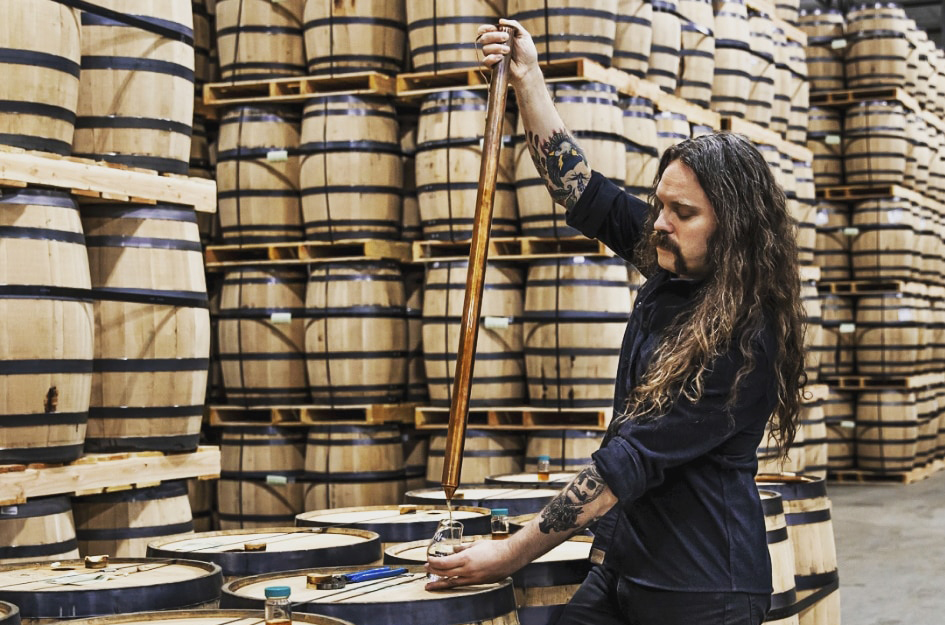
Distilleries like Andalusia and Balcones in Texas further layer flavors by employing other woods, such as apple and oak, in their smoking processes. This creates complex "barbecue character" notes, ranging from savory and smoky to sweet and spicy, in their powerful and often punchy malts. The whiskies from this region are bold, assertive, and undeniably unique, offering a sensory journey that evokes the rugged, aromatic landscape of the American desert.
Whiskey Heartland: Adapting Tradition to Single Malt
In the traditional "whiskey heartland" of Kentucky and Tennessee, where bourbon and rye have reigned supreme for centuries, single malt is now establishing a foothold. Producers here are not abandoning their heritage but rather adapting established techniques to the single malt category. This typically involves grain-on fermentation, distillation in efficient column stills, and maturation in new charred oak barrels – a hallmark of American whiskey. Sometimes, these whiskies undergo additional finishing in other cask types to add complexity.
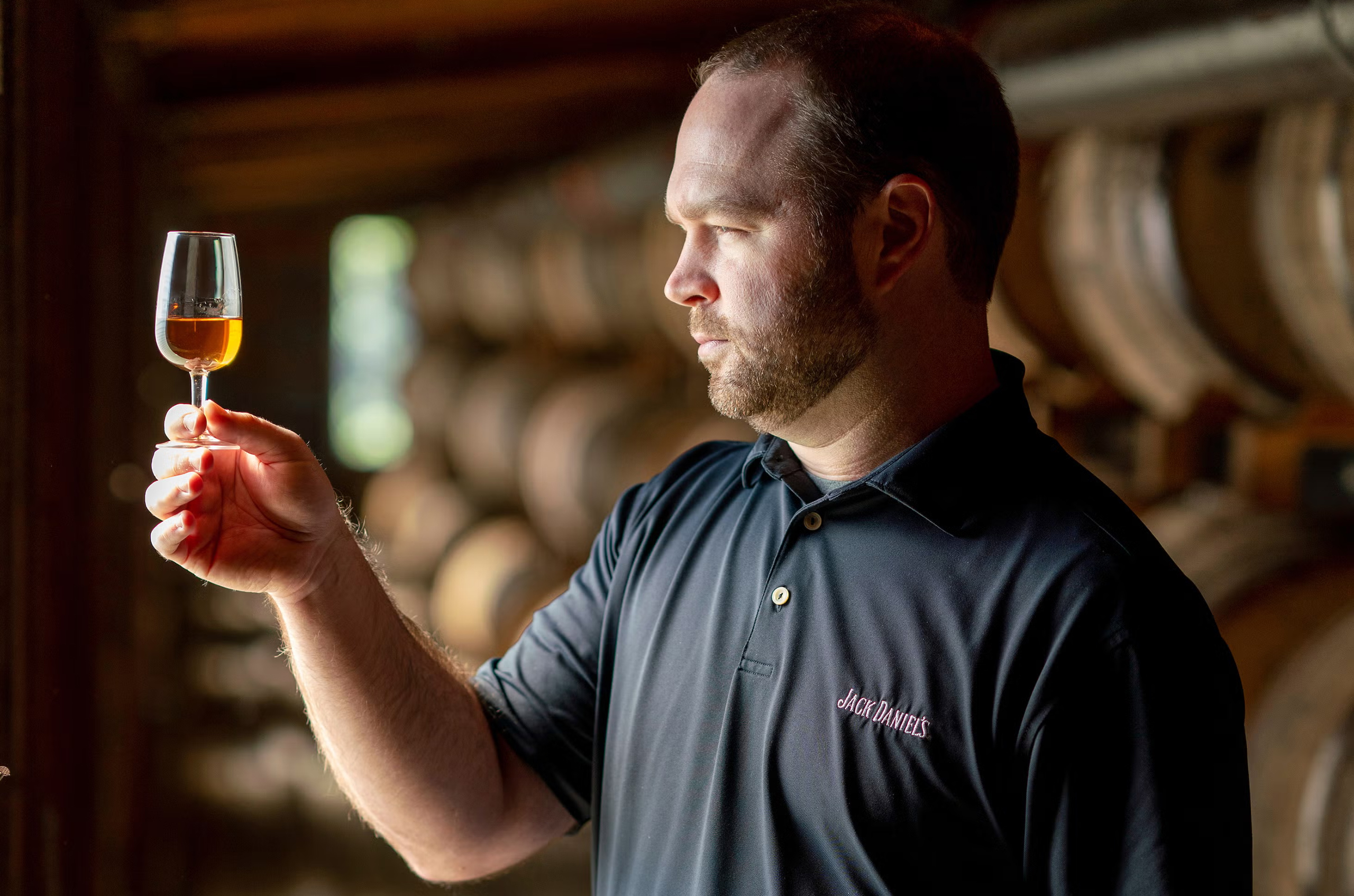
For iconic distilleries like Jack Daniel’s, entering the single malt space meant ensuring the new spirit still carried the brand’s unmistakable DNA. Master Distiller Chris Fletcher explains their approach: "That was a really important element for us. We needed to produce something that felt uniquely Jack. Ultimately, we felt sending our single malt through 10 full feet of charcoal, just like our Tennessee whiskey, helped amplify its sweet character and soften some of its earthy notes." This charcoal mellowing, known as the Lincoln County Process, imbues their single malt with the characteristic smoothness and sweet profile associated with Tennessee whiskey.
The entry of bourbon behemoths like Bulleit and the James B. Beam Distilling Co., with its Clermont Steep label, into the single malt arena signifies a significant shift. These distilleries leverage their vast experience in grain sourcing, fermentation control, and large-scale maturation to produce robust, often sweeter, and oak-forward single malts that resonate with palates accustomed to traditional American whiskey. This region’s single malts often present a familiar warmth and richness, offering a bridge between traditional American whiskey styles and the evolving single malt category.
Rocky Mountains: High-Altitude Maturation and Pristine Purity
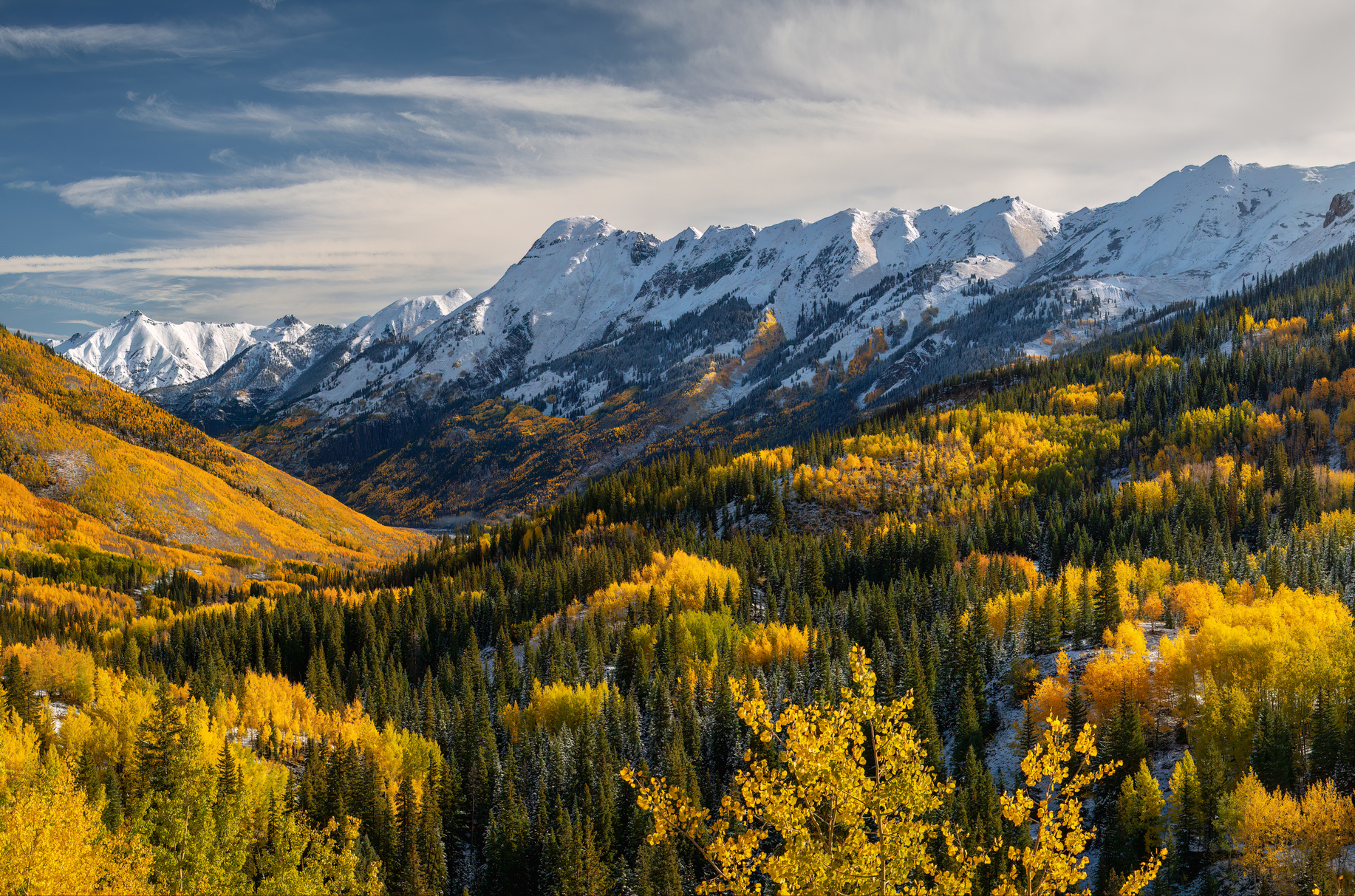
The Rocky Mountain region presents another compelling case for distinct American single malt character, which Nora Ganley-Roper aptly describes as "high altitude" style. With elevations averaging between 1,800 and 4,400 meters, the impact of altitude on whiskey maturation is profound. The drier air and lower atmospheric pressure at these heights lead to a different evaporation profile, where water evaporates more quickly than alcohol. This results in a higher concentration of flavors in the remaining spirit without it becoming overly dominated by aggressive oak notes, even with new charred barrels. The cooler climate also encourages a slower, more integrated maturation.
Distilleries such as Stranahan’s, Laws Whiskey House, and Boulder Spirits in Colorado exemplify this characteristic flavor density. Their whiskies often display concentrated fruit, spice, and malty notes that are remarkably balanced despite their intensity. Many producers in this region benefit from a well-established local brewing industry, ensuring a ready supply of high-quality, locally grown and malted barley. Furthermore, the pristine environment provides an invaluable natural resource: pure Rocky Mountain snowmelt, often used for diluting the spirit to bottling proof. This pure water source, rich in specific mineral content, contributes a subtle yet undeniable element of terroir to the final product, enhancing its crispness and overall character. The Rocky Mountain single malts are a reflection of their environment – bold, clear, and intensely flavorful.
The Future Landscape: Emerging Regions and Experimental Frontiers
Beyond these well-defined regions, other areas across the United States are showing tantalizing promise for developing their own distinctive single malt styles. The sheer geographical and climatic diversity of the country ensures that innovation will continue to bloom.
The East Coast, with its maritime climate characterized by humid, hot summers and cold, often snowy winters, offers a different maturation environment. Distilleries like Triple Eight Distillery on Nantucket, Massachusetts, are exploring how these coastal conditions influence the interaction between spirit and wood, potentially leading to whiskies with unique saline, oxidative, or mellowed characteristics. Further inland, mountain regions such as Southern Appalachia and remote New England may also coalesce into recognizable styles as distillers tap into unique microclimates, local grain varieties, and distinctive water sources.
The Great Plains and Midwest, vast agricultural powerhouses, are ripe for more farmer-driven expressions of single malt. Distilleries like Cedar Ridge Distillery in Iowa are already showcasing the potential of locally grown barley, allowing the specific terroir of the grain to shine through. As more farmers and distillers collaborate, these regions could become known for their grain-forward, robust single malts.
Finally, the frontier of American peat presents exciting, albeit challenging, possibilities. While largely limited to nascent trials in the Pacific Northwest, the prospect of utilizing native American peat for smoking malt could introduce entirely new smoky flavor profiles, distinct from those found in Scotch. This kind of bold experimentation highlights the dynamism and inventive spirit that define American single malt whiskey.
Implications and Market Outlook
The formalization of American single malt and the burgeoning recognition of its regional styles have significant implications for the whiskey industry and consumers alike. For producers, it provides a clearer identity and a framework for quality, allowing them to differentiate their products in an increasingly crowded global spirits market. This clarity can foster greater investment, attract new talent, and stimulate further innovation.
For consumers, regionality offers a valuable guide, similar to how wine regions or Scotch whisky regions help navigate complex choices. Understanding that a "Desert Southwest" single malt will likely be intensely smoky and oak-driven, or a "Pacific Northwest" expression will be nuanced and grain-focused, empowers consumers to make more informed purchasing decisions based on their preferences. This education is crucial for building a loyal and engaged consumer base for a relatively new category.
The growth of American single malt also contributes to the broader premiumization trend in spirits, offering a high-quality, craft-oriented option that can command higher prices. As awareness grows, American single malt is poised to gain increasing international recognition, challenging established categories and showcasing the depth and breadth of American distilling prowess. This is not about imitating Scotch; it is about establishing a uniquely American identity, driven by innovation, diverse natural resources, and a commitment to quality. The journey of American single malt has just begun, and its regional tapestry promises to be as rich and varied as the nation itself.
Six Regional American Single Malts to Try
The following whiskies exemplify the distinct regional characteristics emerging across the American single malt landscape:
Andalusia Stryker
Texas (Desert Southwest)
This robust single malt bursts with the aroma of perfectly cooked brisket, fresh off the coals, thanks to a unique smoking process using oak, mesquite, and apple wood. On the palate, it delivers a powerful yet balanced sweet and smoky intensity, tempered by a refreshing herbal undertone, showcasing the bold flavors of the Southwest. Alcohol 50% ABV.
Boulder Bottled-in-Bond American Single Malt
Colorado (Rocky Mountains)
Reflecting its high-altitude maturation, this whiskey emphasizes bold stone fruit and rich cacao notes, with a beautifully integrated spice that weaves throughout the nose and a luxuriously textured palate. Adhering to Bottled-in-Bond regulations, it was distilled in a single season and aged for at least four years, ensuring both quality and consistency. Alcohol 50% ABV.
Jack Daniel’s Oloroso Sherry Cask Single Malt
Tennessee (Whiskey Heartland)
A clear departure from traditional Tennessee whiskey, this expression marries the brand’s signature charcoal-mellowed smoothness with the richness of Oloroso Sherry casks. It presents jammy berries, dark chocolate, leather, and coffee bean notes, balanced by earthy oak and the light, grain-driven body of the underlying malt. A straightforward yet sophisticated pour that feels uniquely Jack Daniel’s. Alcohol 45% ABV.
Westland Flagship American Single Malt
Washington (Pacific Northwest)
This flagship offering from Westland presents an inviting bouquet of sea salt, shortbread, and lightly smoked malt. The palate unfolds with toasted oak, salted caramel, and the comforting sweetness of pecan-and-chocolate-chip cookies. Crafted with a blend of specialty malts and matured in various cask types, including Oloroso and American oak, it achieves a pleasing balance that encourages repeat enjoyment. Alcohol 46% ABV.
Westward Whiskey Milestone
Oregon (Pacific Northwest)
While each annual "Milestone" release from Westward is intentionally unique, the distillery’s distinctive house character consistently shines through. Expect rich tropical fruit notes drizzled with marzipan, underpinned by earthy barrel char and a ripple of engaging spice. This is a masterwork of blending by Miles Munroe, demonstrating the distillery’s extensive range and commitment to complexity. Alcohol 43% ABV.
Whiskey Del Bac Dorado Single Malt
Arizona (Desert Southwest)
Distillery founder Stephen Paul’s vision was to capture the essence of a Sonoran desert night, and this mesquite-smoked single malt achieves just that. The nose is redolent of a gently crackling campfire, while the palate sings with zippy black pepper, subtle chilies, grilled stone fruit, and fragrant sage, offering a truly immersive and authentic taste of the Southwest. Alcohol 46% ABV.