admin
One of the Syrah grape variety’s most impressive and enduring qualities is its profound ability to adapt to a myriad of different countries, climates, and soil types, yielding wines that range dramatically in character yet consistently achieve high acclaim. This chameleon-like versatility allows it to produce anything from the taut, elegantly structured, and often savoury reds typically labelled Syrah in its European homeland and cooler climate regions, to the opulent, fruit-driven, and powerfully rich styles commonly known as Shiraz in warmer New World locales. Both expressions, despite their stylistic divergence, are celebrated for their quality and complexity, underscoring the grape’s inherent brilliance. However, for the uninitiated, navigating the diverse world of Syrah/Shiraz can present a fascinating challenge, as the wine in the bottle, particularly when sourced from outside its northern Rhône heartland in southeastern France, can embody a spectrum of profiles.
The Storied Origins and Global Odyssey of Syrah
The narrative of Syrah begins in the rugged, granite-laden slopes of the Northern Rhône Valley, France. Genetic studies have confirmed its origins as a natural crossing of two obscure grapes, Mondeuse Blanche and Dureza, both indigenous to southeastern France. For centuries, Syrah remained largely confined to this region, where it established its reputation for producing profound, long-lived red wines from appellations such as Hermitage, Côte-Rôtie, Crozes-Hermitage, and Saint-Joseph. Here, the grape thrives in a continental climate characterized by hot summers and cold winters, moderated by the Mistral wind, which helps keep the vineyards dry and healthy. Traditional Northern Rhône Syrah is celebrated for its aromatic complexity, often exhibiting notes of black pepper, smoked meat, olive tapenade, violet, and dark berries, supported by firm tannins and bright acidity. Winemaking often incorporates whole-bunch fermentation, lending a herbaceous, spicy lift, and maturation in large, often old, oak foudres or smaller barriques to preserve freshness and terroir expression.
The grape’s global journey began in the 19th century, notably with its introduction to Australia. While the exact date and circumstances are debated, historical records suggest Syrah cuttings arrived in the colony around the 1830s, possibly with James Busby, a key figure in Australian viticulture. In Australia, the grape found a radically different environment, particularly in warmer regions like the Barossa Valley and McLaren Vale. Here, under the intense Australian sun and on varied soils ranging from ancient Cambrian to rich loam, Syrah began to express itself differently. It was here that it adopted the name Shiraz, a phonetic alteration that would eventually signify a distinct stylistic evolution. The warm climate encouraged fuller ripeness, leading to wines that were typically more robust, fruit-forward, and higher in alcohol, characterized by lush black fruit flavours, chocolate, liquorice, and often a touch of eucalyptus or mint, frequently softened by new American oak. This opulent, powerful style rapidly gained international recognition, becoming Australia’s flagship red grape and a cornerstone of its wine industry.
Stylistic Dichotomy: Syrah vs. Shiraz
The distinction between "Syrah" and "Shiraz" is more than just nomenclature; it encapsulates a spectrum of stylistic approaches driven by climate, terroir, and winemaking philosophy.
-
Syrah (Old World & Cooler New World): This style, deeply rooted in the Northern Rhône, emphasizes elegance, savoury complexity, and structure. Wines tend to be medium-bodied, with higher acidity and firmer tannins, expressing peppery spice, dark olive, cured meat, violet, and blackberry notes. Alcohol levels are typically moderate (13-14% ABV). Producers in cooler regions of the New World, such as parts of California (e.g., Sonoma Coast, Santa Barbara County), South Africa (e.g., Elgin, cooler Stellenbosch sites), and New Zealand (Hawke’s Bay), often opt for the "Syrah" label to signal their intention to craft wines in a more restrained, Old World-inspired manner. Winemaking often involves careful site selection, controlled yields, and the judicious use of older or larger format oak to highlight fruit and savoury characteristics.
-
Shiraz (Warmer New World): Predominantly associated with Australia, this style is characterized by its bold fruit intensity, richness, and often softer, more approachable tannins. These wines are typically full-bodied, with concentrated flavours of ripe black plum, blackberry, dark chocolate, and spice, frequently complemented by vanilla and coconut notes from American oak ageing. Alcohol levels can be higher (14-15.5% ABV). Regions like the Barossa Valley and McLaren Vale are synonymous with this style, producing wines that are often described as "leonine" – powerful, generous, and expressive. While the iconic Australian Shiraz remains popular, many producers are also exploring cooler sites and different winemaking techniques to achieve more balanced, elegant expressions, sometimes even reverting to the "Syrah" label to reflect this shift.
Key Global Expressions and Regional Nuances
The adaptability of Syrah/Shiraz means it thrives in a remarkable diversity of terroirs, each imparting unique characteristics to the final wine.
-
Northern Rhône, France: The benchmark for Syrah, characterized by granite soils and a continental climate. Appellations like Hermitage offer dense, structured wines built for ageing, while Côte-Rôtie often includes a small percentage of Viognier, adding aromatic lift and textural complexity with notes of violets, bacon fat, and black olive. Crozes-Hermitage and Saint-Joseph offer more approachable, earlier-drinking styles with classic black fruit and peppery spice.
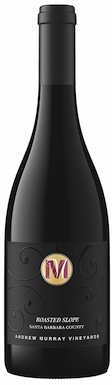
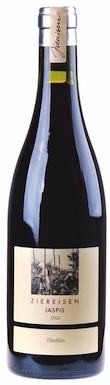
- Example profiles: Menthol and new leather aromas, very Rhône-like (Andrew Murray Vineyards, Roasted Slope, Santa Barbara County, California, USA, 2023). Stemmy, herbal, bloody, precise and floral (Ziereisen, Jaspis Däublin Syrah, Baden, Germany, 2020).
-
Australia: The second home of Shiraz, known for its vast range of styles.
- Barossa Valley, South Australia: Famous for its old vines (some dating back to the mid-19th century) and powerful, ripe, full-bodied Shiraz with notes of blackberry, plum, chocolate, and spice. The warm, dry climate contributes to concentrated fruit.
- McLaren Vale, South Australia: Offers a slightly softer, more elegant expression than Barossa, often with notes of blueberry, black olive, and fine tannins, benefiting from cooling sea breezes.
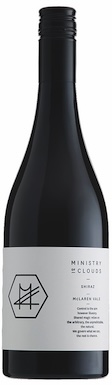
- Example profiles: Beautiful on the nose with blackberries, blueberries, raspberries, cinnamon and mint. It has a lovely texture, with endless velvet depths and a long finish (Bekkers, Clarendon Syrah, McLaren Vale, South Australia, Australia, 2023). Gorgeously fresh and floral aromatic display – hibiscus, violet and elderflower. Light-bodied, very precise and drinkable with good acidity and very fine tannins (Ministry Of Clouds, Shiraz, McLaren Vale, South Australia, Australia, 2024).
- Hunter Valley, New South Wales: Produces a unique, medium-bodied style that ages remarkably well, developing earthy, savoury, and leathery notes with bottle age. Young Hunter Shiraz can be quite perfumed and spicy.
- Yarra Valley, Victoria: A cooler region yielding elegant, spicy Syrah with red fruit, white pepper, and floral notes, reminiscent of Northern Rhône styles.
- Canberra District, New South Wales: Known for its cool climate Shiraz, often co-fermented with a small amount of Viognier, resulting in aromatic, peppery wines with fine tannins.
- Example profile: Begins with an amazing nose, all white pepper and woody herbs. Light- to medium-bodied in style, with fine boned tannins (Clonakilla, Shiraz/Viognier, Canberra District, New South Wales, Australia, 2023).
- Adelaide Hills, South Australia: Another cool-climate region gaining recognition for savoury, elegant Syrah with bright acidity and spice.
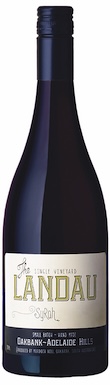
- Example profile: Great – some flinty reductive notes to begin with, then quite medium-bodied and super-fresh on the palate, leading to a fine, long, focussed (Murdoch Hill, The Landau Syrah, Adelaide Hills, South Australia, Australia, 2022).
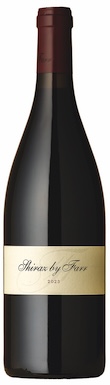
- Geelong, Victoria: Produces Syrah with wonderful soaring aromatics of bay leaf, black olive and marjoram, lovely tannic finesse, and a strong acid line (By Farr, Shiraz by Farr, Geelong, Victoria, Australia, 2023).
-
South Africa: A dynamic New World region where Syrah is rapidly gaining prominence, often showcasing a compelling balance between Old World savouriness and New World fruit.
- Swartland: Known for its Rhône-style blends and single-varietal Syrah from old, dry-farmed bush vines, often delivering smoky, spicy, and concentrated wines with a savoury edge.
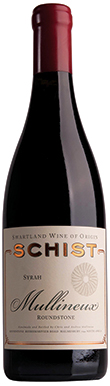
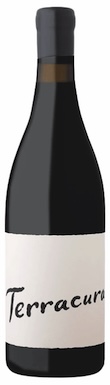
- Example profiles: Smoky and spicy, with paprika notes, then very full-bodied and concentrated. It’s savoury and not overly sweet, with blackberry fruit and a touch of liquorice (Mullineux, Schist Syrah, Swartland, South Africa, 2023). Eucalyptus, menthol, dried blood, old leather – clearly showing some age now after 11 years. It’s not dried out though – it still has some (Terracura Wines, Syrah, Swartland, South Africa, 2015).
- Stellenbosch: Offers diverse expressions, from ripe and fruity to more elegant and peppery, depending on the specific sub-region and winemaker’s style.
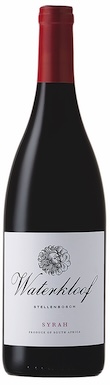
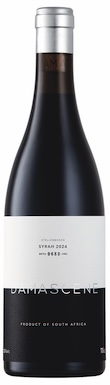
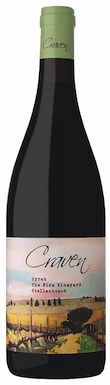
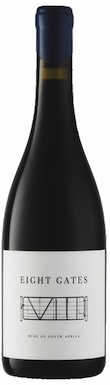
- Example profiles: Incredibly peppery nose! Black, white and pink – all the peppercorns. Then quite generous on the palate, with expansive ripe fruits and juicy acidity (Waterkloof, Syrah, Stellenbosch, South Africa, 2023). Lovely aromatic style, with roses and violets, blackberry and raspberry. Potpourri and a touch of charcuterie comes with air (Damascene, Syrah, Stellenbosch, South Africa, 2024). Medium-bodied style, but with really concentrated forest berry fruit. Has good intensity and balance (Craven, The Firs Vineyard Syrah, Stellenbosch, South Africa, 2023). Quite restrained and herbal on the nose, then enjoyably acidic and herbal on the palate (Eight Gates, Syrah, Polkadraai Hills, Stellenbosch, South Africa, 2024).
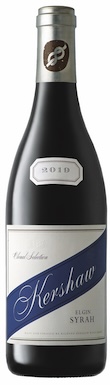
- Elgin: A cooler, high-altitude region producing elegant, aromatic Syrah with intense red fruit, tomato stalk, and bay leaf notes (Kershaw Wines, Clonal Selection Syrah, Elgin, South Africa, 2019).
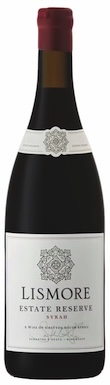
- Greyton: Lismore Estate, Estate Reserve Syrah, Greyton, South Africa, 2023, is aromatically quite closed but vibrant and zesty on the palate, with great grip and intensity.
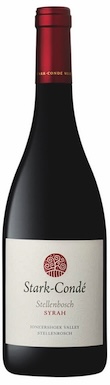
- Jonkershoek Valley, Stellenbosch: Stark-Conde, Syrah, Jonkershoek Valley, Stellenbosch, South Africa, 2019, shows herbal, hot sand aromas, charcuterie notes, and a touch of liquorice.
- Swartland: Known for its Rhône-style blends and single-varietal Syrah from old, dry-farmed bush vines, often delivering smoky, spicy, and concentrated wines with a savoury edge.
-
USA: Syrah has found niches across California and Washington State.
- California: The "Rhône Ranger" movement of the 1980s championed Syrah, leading to diverse styles. Santa Barbara County and Sonoma Coast produce elegant, savoury wines with bright acidity, while warmer regions like Paso Robles can yield richer, more powerful expressions.
- Example profiles: Reductive, herbal and smoky on the nose. Only light- to medium-bodied, with raspberry and Lapsang Souchong tea leaf smokiness (Alma Fria, Stolo Vineyard Syrah, Arroyo Grande Valley, San Luis Obispo County, California, USA 2023). Fresh, graphite nose, with strong thyme and oregano notes. Has more generosity and breadth on the palate than the nose suggests (Arnot-Roberts, Clary Ranch Syrah, Sonoma Coast, California, USA, 2023).
- Washington State: Offers Syrah with dark fruit, savoury notes, and a distinct earthy minerality, often combining richness with a sense of freshness.
- California: The "Rhône Ranger" movement of the 1980s championed Syrah, leading to diverse styles. Santa Barbara County and Sonoma Coast produce elegant, savoury wines with bright acidity, while warmer regions like Paso Robles can yield richer, more powerful expressions.
-
New Zealand: Hawke’s Bay is the leading region for Syrah, producing elegant wines with spicy, peppery notes, dark fruit, and a refined structure, often considered closer to Northern Rhône in style.
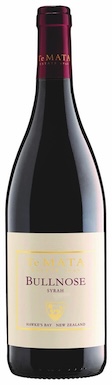
- Example profile: A nice balance of ripe berries, both red and black, and herbal nuances. It’s structured, there’s no fear of tannin here, and it’s classically Syrah (Te Mata, Bullnose Syrah, Hawke’s Bay, New Zealand, 2024).
-
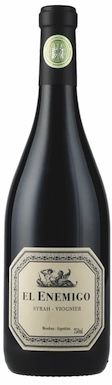
Argentina: Mendoza is exploring Syrah, often with a blend of Viognier, yielding ripe, juicy, complex, and savoury wines with breadth and concentration (El Enemigo, Syrah/Viognier, Mendoza, Argentina, 2022).
-
Other European Expressions:
- Corsica, France: Domaine de Torraccia, Corse Porto-Vecchio, Corsica, France, 2022, presents a medium ruby colour with hot slate and red berries on the nose, being more generous and less tannic than its Northern Rhône counterparts.
- Savoie, France: Domaine de l’Idylle, Le Tithonien Mondeuse, Savoie, France, 2024, is pale red with a purple hint, redcurrant and raspberry scented, featuring a graphite, granite, mineral, chiselled texture and good acidity.
- Germany (Baden): An emerging region for Syrah, often producing savoury, complex expressions with herbal, bloody, precise and floral notes.
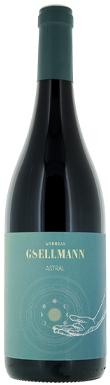
- Austria (Burgenland): While Blaufränkisch is the focus, Andreas Gsellmann, Astral Blaufränkisch, Burgenland, Austria 2023, shows dark brambly fruit with a broad and juicy palate, indicating the potential for robust red varieties.
-
Lebanon: The Bekaa Valley, with its high altitude and significant diurnal temperature variation, can produce Syrah-based wines with restrained notes of tender forest berries, fine acidity, and discreet oak (Domaine des Tourelles, Marquis des Beys, Bekaa Valley, Lebanon, 2020).
Winemaking Philosophies and Expert Insights
The diverse expressions of Syrah/Shiraz are not solely attributable to terroir; winemaking decisions play a crucial role. In the Northern Rhône, a traditional approach often involves whole-bunch fermentation to add complexity and structure, minimal new oak, and extended ageing. Conversely, the classic Australian Shiraz often embraces destemming, fermentation in stainless steel or open-top fermenters, and maturation in new American oak barrels to impart vanilla and spice, aiming for a richer, more accessible style.
However, a global convergence of styles is increasingly observed. Many New World producers are moving towards more restrained, savoury Syrah, employing techniques like whole-bunch inclusion, less new oak (or French oak over American), and longer, cooler fermentations to emphasize freshness and spice over sheer power. Concurrently, some Old World producers are exploring riper fruit profiles within the confines of their appellation rules. Wine critics and industry experts frequently laud this evolution, noting that it allows consumers a broader choice and highlights the grape’s true potential. "The beauty of Syrah/Shiraz lies in its adaptability," comments one leading wine journalist, "It’s a winemakers’ grape, offering a canvas for expression that few other varieties can match. Whether you seek the savoury elegance of the Rhône or the bold fruit of Australia, there’s a Syrah/Shiraz waiting for you." This ongoing experimentation ensures the grape remains at the forefront of innovation and quality across the global wine landscape.
Broader Impact and Future Implications
The global popularity and adaptability of Syrah/Shiraz have significant market and economic implications. For Australia, Shiraz remains a cornerstone of its wine exports, symbolizing its winemaking prowess. For emerging regions like South Africa and Washington State, Syrah offers a strong contender for international recognition, demonstrating their ability to produce world-class red wines. Its resilience and ability to thrive in various climates also position it as a potentially vital grape in the context of climate change, as producers globally seek varieties that can maintain quality under evolving environmental conditions.
The continued exploration of Syrah’s stylistic range also educates consumers about the profound influence of terroir and winemaking. It encourages appreciation for nuance, challenging the notion of a single "best" style. As viticultural research advances and winemakers continue to push boundaries, the world of Syrah/Shiraz promises to remain a vibrant and exciting space for discovery, offering an endless journey of aromatic complexity, textural depth, and regional character.