admin
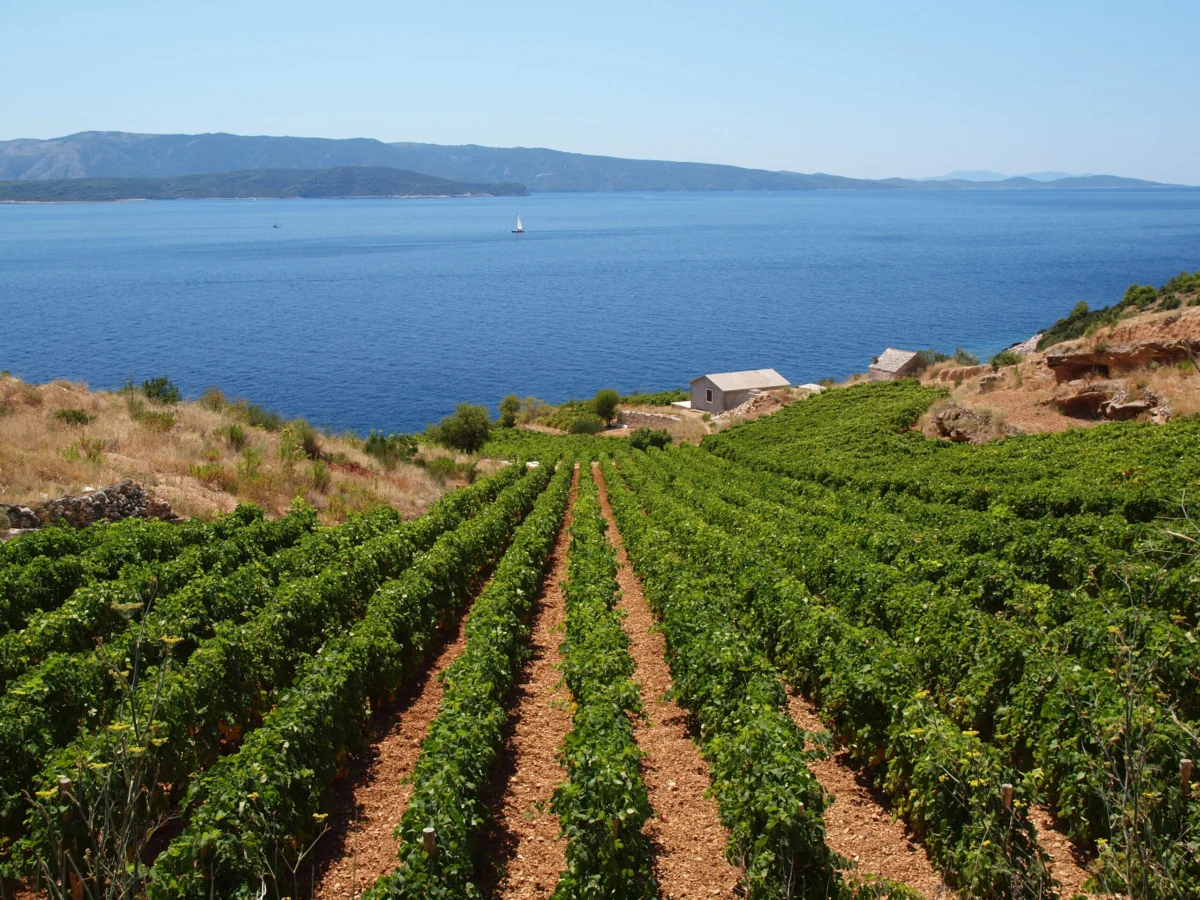
Northern Greece’s flagship red wine, Xinomavro, has transcended its regional origins to captivate the palates of international connoisseurs, sommeliers, and collectors, earning frequent comparisons to the venerable Barolo of Italy. This ascent is fueled by a compelling confluence of factors: a hauntingly complex perfume, a bracing acidity that promises longevity, and a structural integrity that allows it to age gracefully for decades. This formidable combination has propelled Xinomavro into the wine lists of some of the world’s most prestigious restaurants, solidifying its burgeoning reputation as a global fine wine contender.
The Essence of Xinomavro: A Paradox of Power and Finesse
The very name "Xinomavro," translating to "sour black," offers a tantalizing hint at the grape’s defining characteristics, yet it also presents a fascinating paradox. While its high acidity and robust tannic structure are undeniably formidable in youth, the wines themselves are surprisingly pale, beginning as a translucent ruby that belies their underlying power. With the passage of time, this ruby hue deepens and softens, evolving into a beautiful brick-orange, signaling the transformation within. Patience, indeed, is a virtue when it comes to Xinomavro. As the years unfold in the bottle, the initially firm tannins gradually soften, giving way to an intricate tapestry of tertiary aromas. Hints of earthy truffle, aromatic tobacco, dried Mediterranean herbs, sun-dried tomato, and savory olive tapenade often emerge, weaving together with notes of red cherry and plum to create a profound aromatic complexity that rivals the finest Nebbiolo or Pinot Noir. This evolution is precisely why Xinomavro garners such high esteem among those who appreciate the nuanced beauty of aged wines. Its inherent structure not only ensures longevity but also makes it an exceptionally versatile partner for a wide array of cuisines, from rich stews to grilled meats and aged cheeses.
A Strategic Initiative: The Birth and Impact of International Xinomavro Day
The journey of Xinomavro from a regional Greek specialty to an international darling has been significantly bolstered by a targeted and strategic promotional effort: International Xinomavro Day. Launched in 2019 by the Winemakers of Northern Greece, a proactive association of wine producers headquartered in Thessaloniki, this annual event was conceived with a clear and ambitious goal: to elevate the profile of the region’s signature grape and secure its rightful place alongside the world’s most celebrated international varieties.
The choice of November 1st for this global celebration was meticulously deliberate, rooted in both practical and symbolic considerations. Firstly, it roughly coincides with the conclusion of the harvest season for this late-ripening grape, making it a natural moment to reflect on the vintage and look forward to the wines to come. Secondly, and perhaps more importantly, it was chosen to unequivocally symbolize Xinomavro’s undisputed status as the preeminent grape variety of northern Greece.
Since its inception, International Xinomavro Day has served as a powerful platform for education and promotion. Wineries, importers, retailers, and restaurants worldwide participate through tastings, special promotions, and educational seminars, collectively raising awareness and encouraging exploration of the grape. While specific global sales figures directly attributable to the day are complex to isolate, industry reports and anecdotal evidence suggest a noticeable increase in consumer curiosity and demand for Xinomavro in key export markets such as the United States, Canada, the United Kingdom, and Germany. The initiative has successfully fostered a sense of community among Xinomavro enthusiasts and producers, creating a unified voice that amplifies the grape’s unique appeal on the global stage. This coordinated effort is crucial in a competitive wine market, ensuring that Xinomavro receives the attention it deserves and that its distinct character is communicated effectively to a wider audience.
Xinomavro’s Greek Tapestry: Four Distinct Appellations
Xinomavro finds its truest expression within the diverse terroirs of four protected appellations (PDOs) in northern and central Greece: Naoussa, Amyndeo, and Goumenissa in Greek Macedonia, and Rapsani in Thessaly. Each region imparts its unique signature, showcasing the grape’s remarkable versatility and responsiveness to its environment.
Naoussa: The Spiritual Home and Quintessence of Xinomavro
Naoussa stands as the undisputed spiritual home of Xinomavro, a region where the grape has been cultivated for centuries and its reputation meticulously forged. The vineyards here are dramatically spread across the southeastern slopes of Mount Vermio, benefiting from a unique microclimate characterized by significant diurnal temperature shifts and varying altitudes. The region’s historical significance is profound; as early as 1831, the astute French diplomat Esprit Marie Cousinery lauded Naoussa’s wine, comparing it favorably to the esteemed wines of Burgundy and proclaiming it the finest in the entire Ottoman Empire. This historical endorsement underscores the long-standing recognition of Naoussa’s exceptional viticultural potential.
Within the Naoussa PDO, regulations mandate that reds must be crafted exclusively from 100% Xinomavro. This singular focus allows for an unadulterated expression of the grape’s character. However, Xinomavro is famously a demanding grape, often dubbed the "prima donna" of the Greek vineyard. It is a late-ripening variety, thriving only on select sites that offer optimal sun exposure and drainage, particularly in warmer vintages. Furthermore, its naturally high acidity and robust tannins necessitate meticulous vineyard management and careful handling in the winery to achieve balance and finesse. The resulting wines from Naoussa are typically full-bodied, structured, and imbued with remarkable depth, often displaying classic notes of sun-dried tomato, olive, red fruits, and a distinctive savory, earthy character that evolves beautifully with age. These are wines built for the long haul, rewarding patience with increasing complexity and elegance.
Amyndeo: High-Altitude Elegance and Versatility
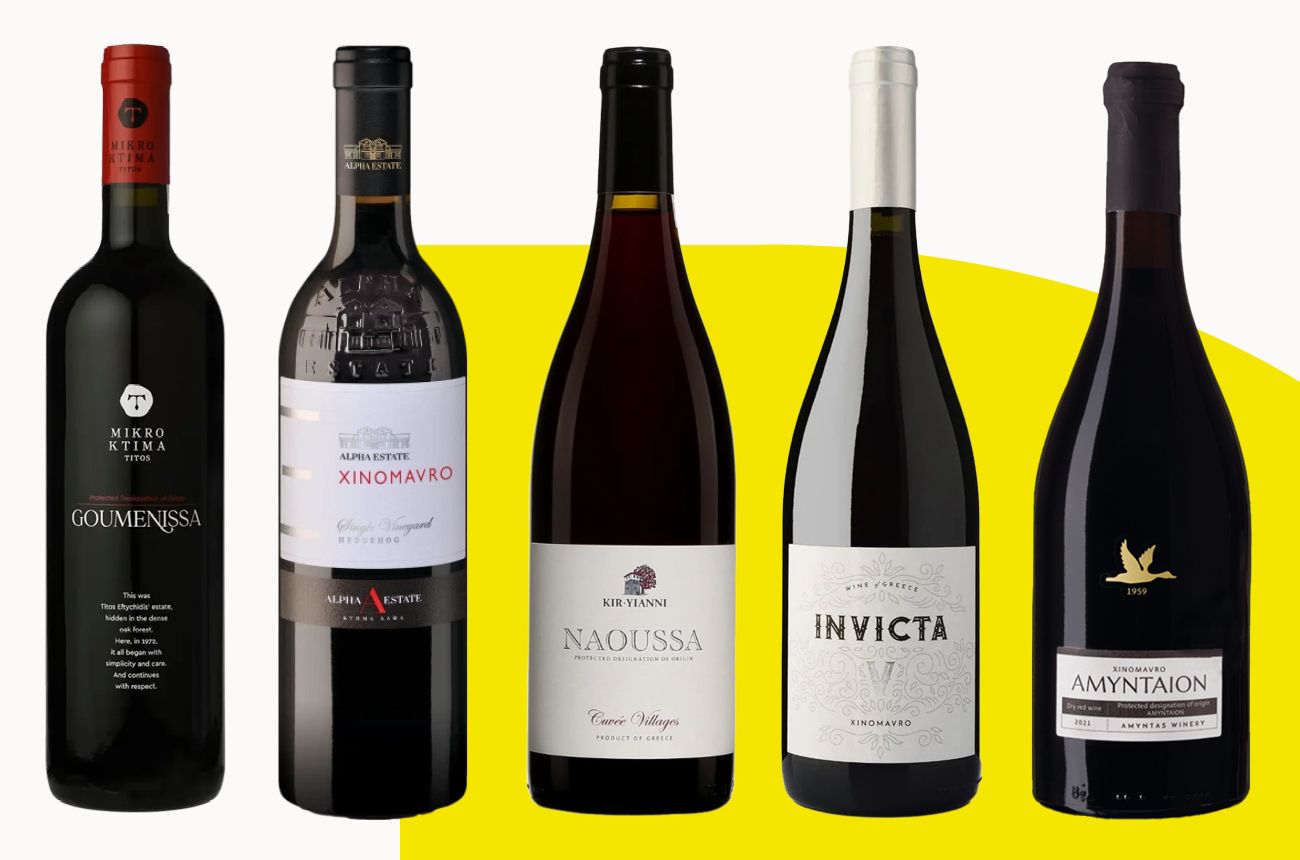
Further west, nestled in the cooler, higher-altitude vineyards of Amyndeo, Xinomavro presents a different facet of its personality. The region’s continental climate, marked by cold winters and significant diurnal temperature variations, coupled with its sandy soils, contributes to wines that are generally lighter in body, more perfumed, and possess a more delicate aromatic profile than their Naoussa counterparts. Amyndeo is renowned not only for its elegant red Xinomavro wines, which often exhibit vibrant red berry fruit and floral notes, but also for its exceptional rosé and sparkling Xinomavro expressions. The production of sparkling Xinomavro, often utilizing the traditional method, showcases the grape’s inherent acidity and structure, yielding complex, refreshing wines with fine bubbles and savory undertones, offering a compelling alternative to traditional sparkling wines.
Goumenissa: The Art of Blending for Approachability
In the region of Goumenissa, growers embrace a different philosophy, opting to blend Xinomavro with at least 20% of the local Negoska variety. Negoska, another indigenous Greek grape, contributes softer tannins, additional color, and often a rounder, more fruit-forward character, which helps to temper Xinomavro’s natural assertiveness. This blending approach results in wines that are typically softer, more approachable in their youth, and offer a harmonious balance of red fruit, spice, and savory notes, providing a more immediate gratification for those less inclined to age their wines extensively. The Goumenissa style demonstrates Xinomavro’s capacity for collaborative winemaking, yielding expressions that are distinct yet equally compelling.
Rapsani: Mythical Terroir and Unique Co-Fermentation
Venturing further south, to the lower slopes of the legendary Mount Olympus—the mythical home of the gods—lies the appellation of Rapsani. Here, Xinomavro is cultivated at various altitudes, sharing its sacred ground with two other indigenous Greek varieties: Krassato and Stavroto. Unlike the blending strategy in Goumenissa, Rapsani traditionally employs a unique co-fermentation process where all three grapes are vinified together. Krassato contributes color and body, while Stavroto adds aromatic complexity and richness. This trifecta results in Rapsani wines that are robust, full-bodied, and highly structured, often displaying dark fruit flavors, earthy undertones, and a firm tannic backbone that ensures excellent aging potential. The wines from this mythical landscape are a testament to the diverse expressions Xinomavro can achieve when intertwined with its local companions.
Beyond Greek Borders: Xinomavro’s Global Expansion and Climate Resilience
While Xinomavro remains overwhelmingly rooted in Greece, its exceptional qualities are increasingly capturing the attention of growers beyond its traditional heartland. Plantings have begun to extend into neighboring North Macedonia, where climatic similarities allow for its successful cultivation. More intriguingly, small experimental vineyards have appeared as far afield as Australia and China, signaling a growing global interest in indigenous grape varieties that offer distinct character and adaptability.
One of the most compelling aspects of Xinomavro’s future potential lies in its remarkable resilience to the challenges posed by climate change. The grape is naturally thick-skinned, a characteristic that provides robust protection against harsh conditions and allows it to cope exceptionally well with dry, arid environments. In an era marked by increasing temperatures, water scarcity, and unpredictable weather patterns, these qualities are proving invaluable. As traditional grape varieties in many established regions struggle to adapt, Xinomavro emerges as a highly promising candidate for cultivation in warmer climates, offering a sustainable solution for quality wine production.
This adaptability received a significant endorsement in 2021 when the prestigious Côtes de Provence appellation in southern France, a region deeply impacted by climate change, officially added Xinomavro to its list of permitted varieties. This landmark decision was made alongside the inclusion of two other Greek grapes, Agiorgitiko and Moschofilero, signifying a broader trend among French winemakers to explore and embrace climate-resilient foreign varieties. The move by Provence not only validates Xinomavro’s viticultural merit but also opens new avenues for its global cultivation and recognition, potentially leading to its adoption in other Mediterranean climates seeking sustainable grape solutions.
The Economic Imperative: Value and Market Positioning
Beyond its intrinsic quality and adaptability, Xinomavro offers a compelling economic proposition: genuine value for money. The finest examples of Xinomavro share many of the complex aromatic profiles, structural integrity, and remarkable longevity found in iconic wines like Barolo and Burgundy, yet they are available at a mere fraction of the price. This makes Xinomavro an incredibly attractive option for discerning collectors, sommeliers looking to diversify their wine lists with unique and high-quality offerings, and everyday wine lovers seeking exceptional value.
This advantageous price-to-quality ratio positions Greek wines, and Xinomavro in particular, as a smart investment in the global fine wine market. It allows Greece to carve out a niche, offering wines of profound character and aging potential without the prohibitive cost barriers associated with more established regions. As global demand for authentic, terroir-driven wines continues to grow, Xinomavro stands poised to capitalize on this trend, providing an accessible entry point into the world of truly complex and age-worthy red wines. This strategic advantage, combined with concerted promotional efforts like International Xinomavro Day, is steadily driving export growth and enhancing Greece’s reputation as a source of distinctive and high-quality wines.
A Future Forged in Tradition and Resilience
International Xinomavro Day serves as the perfect annual reminder to explore and celebrate this enigmatic grape. From its historical roots in the sun-drenched slopes of Mount Vermio to its burgeoning presence on global wine lists, Xinomavro embodies a unique blend of ancient tradition, modern viticultural excellence, and remarkable resilience. Its capacity to produce wines of profound complexity, its adaptability to a changing climate, and its undeniable value proposition position it not just as a Greek treasure, but as a significant player in the future of fine wine. So, as you seek to expand your vinous horizons, reach for a bottle of Xinomavro and raise a glass with a hearty "yamas!" to this captivating Greek gem.