admin
Target Corporation has officially unveiled a comprehensive redesign of the lower level of its SoHo location in New York City, marking a significant evolution in the retailer’s "living lab" strategy. Situated at the high-traffic intersection of Broadway and Houston Street, the SoHo store serves as a departure from the traditional big-box aesthetic, replacing the predictable aisles of the suburban footprint with a curated, design-led environment. Developed in collaboration with the New York and Los Angeles-based creative agency Something Special Studios, the new lower level is engineered to encourage exploration and discovery, moving away from the "near-instant recognition" of standard Target layouts toward a more nuanced, metropolitan shopping experience.
The unveiling comes less than a year after the retailer reimagined the store’s first floor, signaling an aggressive commitment to testing new retail concepts in one of the world’s most competitive commercial districts. According to Gigi Guerra, Target’s Vice President of Marketing and Creative Curation, the SoHo location is a vital testing ground for the future of the brand. By treating everyday shopping categories—such as home goods, wellness, and food—as distinct "destinations," Target aims to bridge the gap between the efficiency of mass-market retail and the inspiration of boutique shopping.
A Strategic Shift: The Evolution of the Living Lab
The SoHo location was conceived as a "living lab," a term Target uses to describe retail environments where new ideas can be piloted, observed, and refined before potential nationwide implementation. Since its opening approximately ten months ago, the Broadway and Houston site has prioritized a more curated selection of products, tailored specifically to the needs and tastes of the urban professional and the design-conscious local resident.
The redesign of the lower level represents the second phase of this experiment. While the ground floor focuses on immediate needs and high-visibility trends, the lower level houses core categories including home decor, wellness products, toys, and an expansive food and beverage section. The challenge for Something Special Studios was to take these utilitarian categories and transform them into engaging environments that resonate with the architectural and cultural fabric of SoHo.
Michael Goldberg, founder of Something Special Studios, noted that the design process began with the objective of making the mundane feel worthy of discovery. "SoHo is a neighborhood defined by its historic character and constant reinvention," Goldberg stated. The design team sought to reflect that energy by incorporating elements of the New York City landscape into the store’s DNA, ensuring the space felt like an extension of the street rather than a disconnected corporate interior.
Architectural Integration and Localized Design Narratives
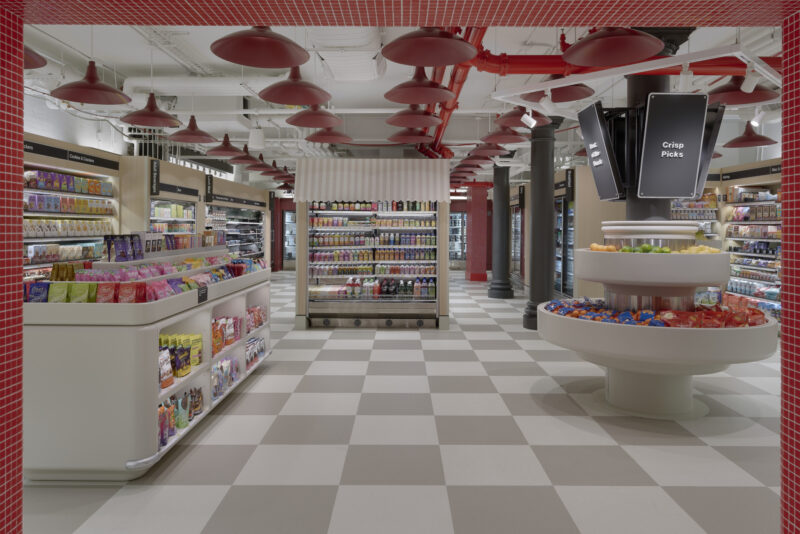
Designing a modern retail space within a historic cast-iron commercial building presents unique structural challenges. The SoHo location is defined by a rigid column grid, internal lightwells, and a complex network of escalators. Rather than masking these elements, Something Special Studios utilized the existing architecture to organize the floor plan. The row of structural columns was transformed into a "central avenue," acting as a primary spine that guides shoppers through the space.
This central artery connects a series of "destinations," each inspired by familiar New York environments. For example, the "Bullseye Loft" uses domestic vignettes to showcase home products, mimicking the layout and aesthetic of a compact Manhattan apartment. This approach allows customers to visualize products in a realistic context, addressing the specific space constraints faced by urban dwellers.
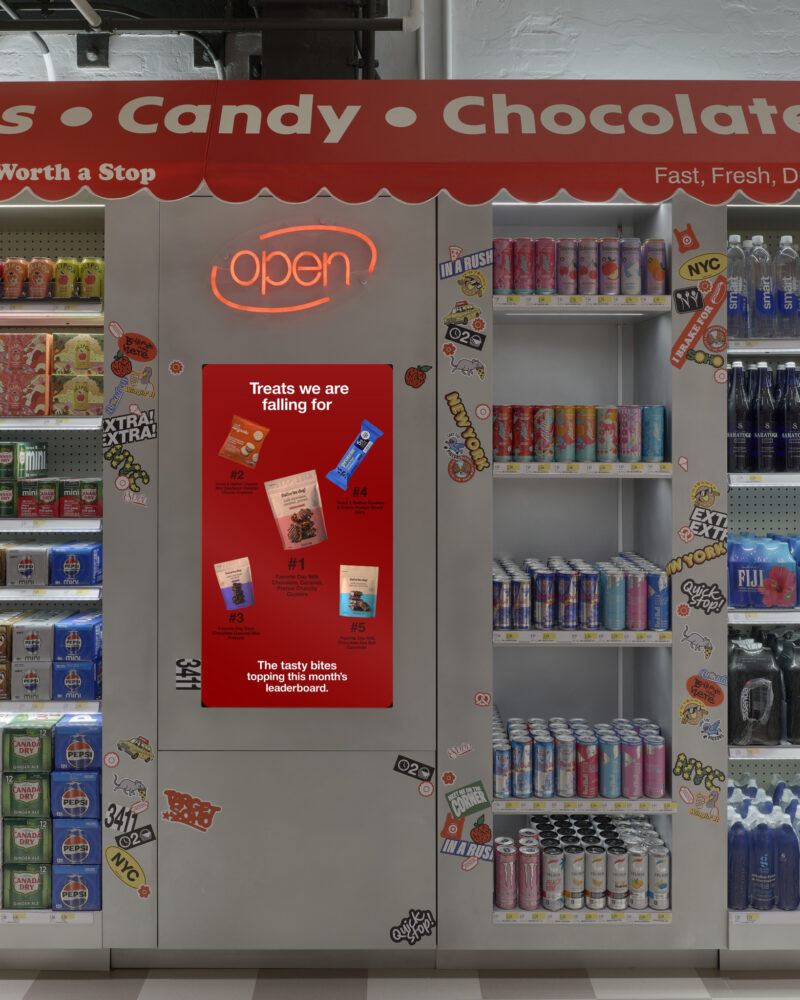
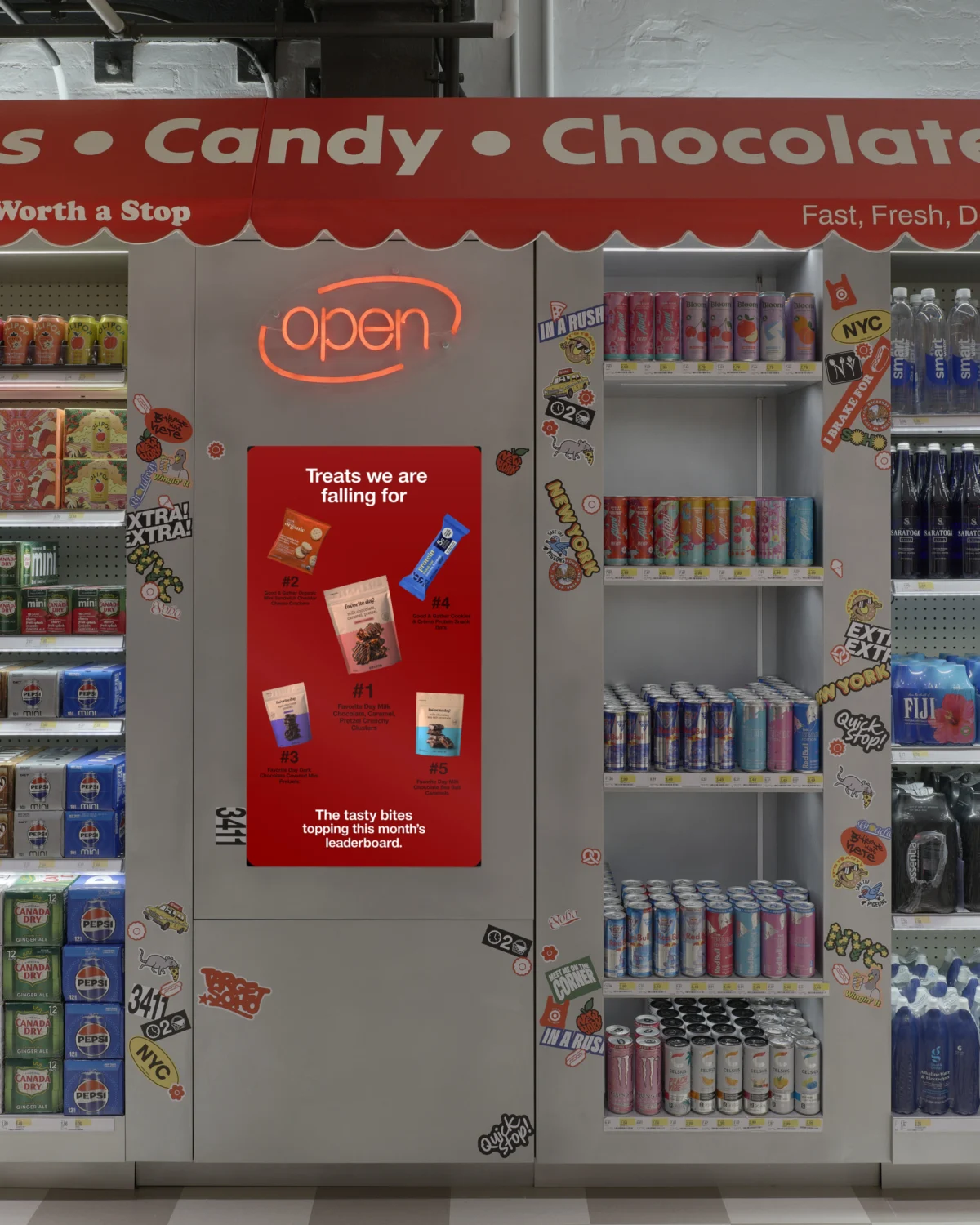
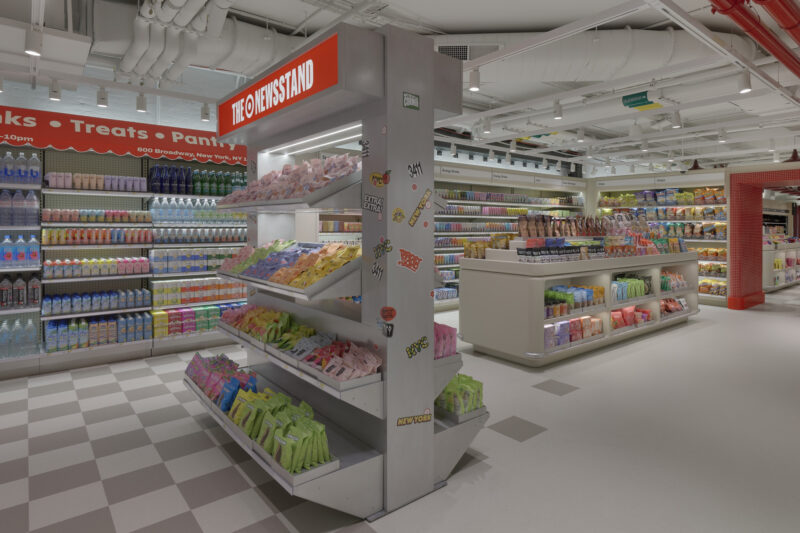
Similarly, "The Snack Bar" section departs from the standard grocery aisle format. Instead, it draws inspiration from the ubiquitous New York bodega and newsstand. By reinterpreting these local staples through a polished, contemporary lens, the store creates a sense of place that is often missing from national retail chains. Other specialized zones include "Balance Mart," which focuses on wellness and self-care, and the "Explorers’ Lab," a dedicated space for toys and entertainment that emphasizes seasonal trends and exclusive collaborations.
Materials, Color Theory, and the "Cherry Stain Red" Innovation
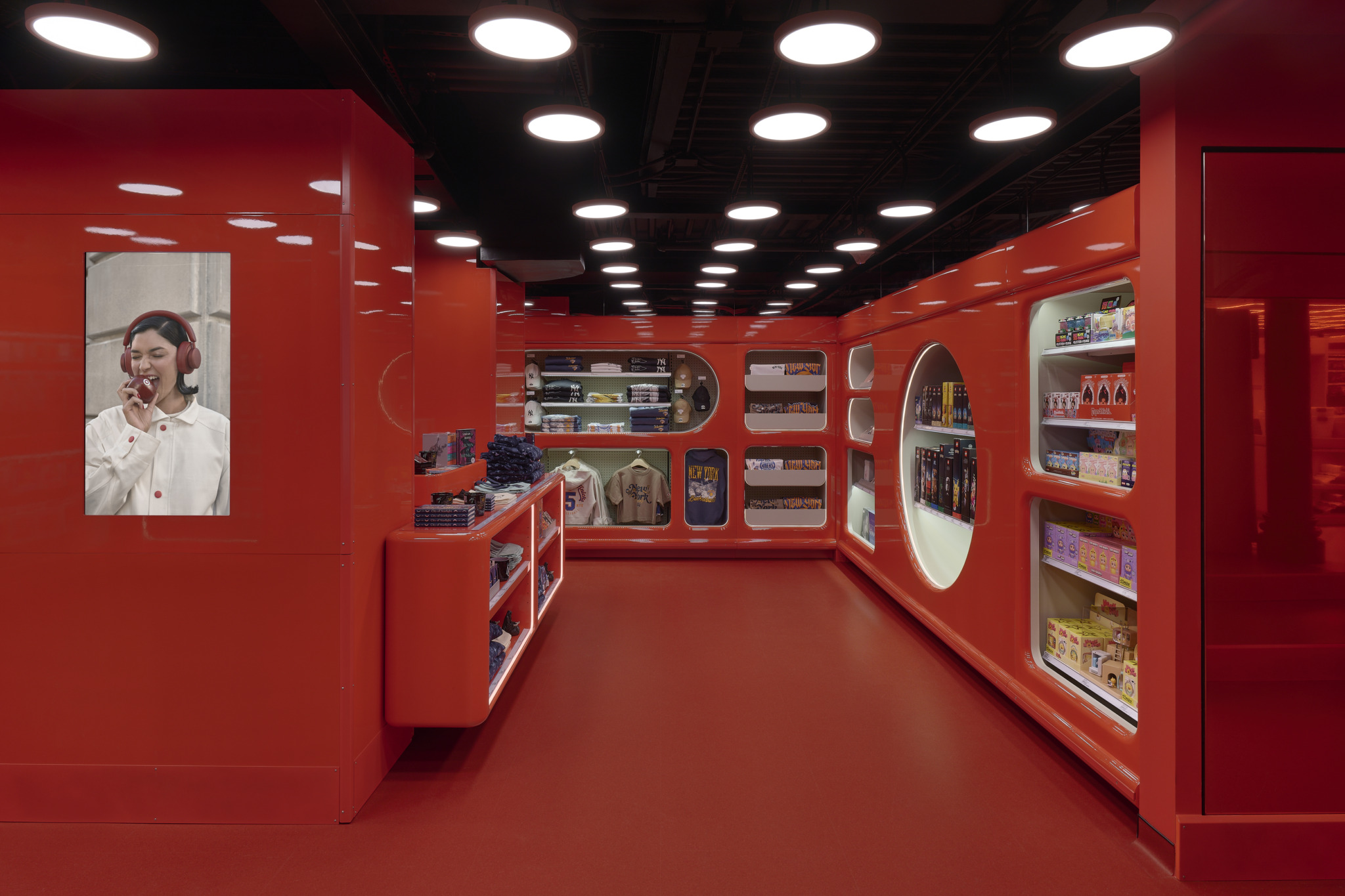
The visual identity of the SoHo lower level is a study in balancing brand heritage with modern sophistication. While the classic "Target Red" remains a visible component of the brand’s identity, the redesign introduces "Cherry Stain Red," a custom-developed hue that offers a deeper, more refined tone. This new color is part of a broader palette of warm neutrals designed to create a cohesive yet distinct atmosphere.

Materiality plays a crucial role in elevating the experience. Something Special Studios moved away from the standard plastic and laminate finishes common in big-box stores, opting instead for a mix of industrial and organic materials. The space features:
- Brushed and Orbital-Finished Aluminum: Providing a sleek, metropolitan edge.
- Tinted Mirrors and Glossy Lacquer: Adding depth and a sense of luxury to display units.
- Fabric Awnings: Softening the industrial structure and nodding to traditional storefronts.
- Integrated Lighting: Used to define architectural thresholds and highlight specific product "stories."
- Natural Wood: Introduced to provide warmth and tactile contrast against the metal surfaces.
According to Goldberg, the goal was to create a palette that is durable enough for high-volume retail but expressive enough to feel "tactile and contemporary." This shift in materiality is not merely aesthetic; it is a strategic move to align the Target brand with the high-end retail expectations of the SoHo district.

Data-Driven Retail: Testing for the National Market
The SoHo living lab is not an isolated project but a data-gathering exercise for Target’s broader national strategy. The retailer has already confirmed that elements of the SoHo design are being scaled for wider use. Most notably, the "Cherry Stain Red" developed for this location will be introduced across the chain as part of Target’s new "Beauty Studio" concept.
Target’s investment in small-format and urban-specialized stores reflects a broader industry trend toward "right-sizing." As of late 2023, Target operated over 150 small-format stores, which typically range from 12,000 to 50,000 square feet, compared to the 130,000 square feet of a traditional SuperTarget. These urban locations often generate higher sales per square foot by focusing on high-turnover items and localized inventory.

The SoHo redesign also addresses the "omnichannel" reality of modern retail. While the physical space is designed for "slow" exploration, it remains highly functional for "fast" shopping. The central avenue and intuitive sightlines ensure that customers who need to find a specific item quickly can do so without getting lost in the immersive environments. This balance is critical for maintaining Target’s reputation for convenience while building new equity in the "experience economy."
Industry Implications: The Future of the Big-Box Model
The success of the SoHo redesign suggests a potential shift in how national retailers approach urban markets. For decades, the "cookie-cutter" model was the gold standard for retail efficiency, ensuring that a shopper in Ohio would have the exact same experience as a shopper in Florida. However, the rise of e-commerce has forced physical stores to provide more than just a point of transaction; they must now provide a point of inspiration.

Retail analysts suggest that Target’s move toward "curated destinations" is a direct response to the "Amazon-ification" of basic goods. When consumers can order laundry detergent or paper towels with a single click, the incentive to visit a physical store must be driven by something else—discovery, community, and aesthetic pleasure. By leaning into the character of the neighborhood, Target is attempting to "de-commoditize" the shopping trip.
Furthermore, the collaboration with a boutique design firm like Something Special Studios—rather than relying solely on internal corporate design teams—indicates a desire for more authentic, "street-level" creativity. This partnership allows the brand to tap into current design trends that resonate with younger, more skeptical demographics who value brand personality and localized relevance.

Conclusion: A Blueprint for Intentional Environments
As Target continues to monitor the performance of the SoHo lower level, the "living lab" will remain in a state of constant evolution. The retailer’s ability to experiment with custom colors, architectural thresholds, and localized narratives provides a competitive advantage in an era where retail relevance is measured by engagement rather than just inventory.
"The completed Target SoHo store reflects our belief that great design is about more than how a space looks—it’s about how people experience it," said Guerra. For Target, the SoHo project is a statement of intent: the future of the brand lies in creating intentional environments that turn everyday errands into moments of inspiration. Whether through the warmth of a wooden display or the discovery of a trending brand in the "Explorers’ Lab," the SoHo location serves as a sophisticated blueprint for the next generation of the American big-box retailer.