admin
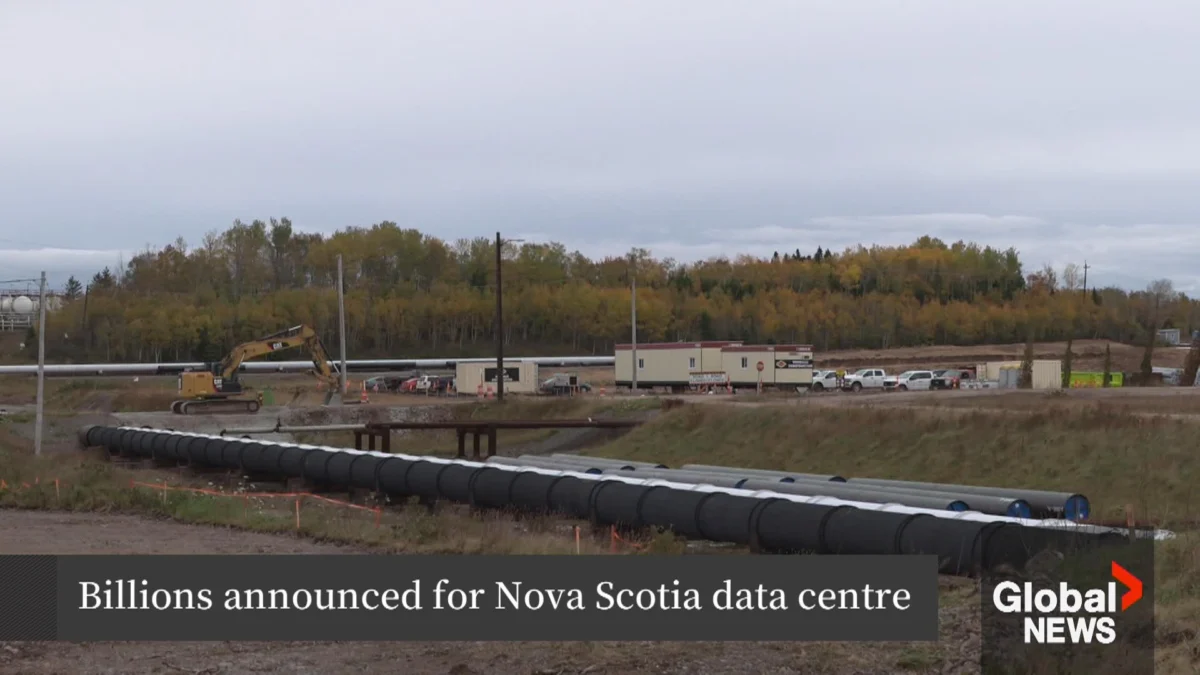
Facing a wave of skepticism and opposition from local residents, EverWind Fuels, the proponent behind a monumental $10-billion artificial intelligence (AI) data centre and accompanying wind energy projects, is currently engaging with communities in southern Cape Breton through a series of in-person information sessions. These meetings are critical for the company as it seeks to address profound concerns ranging from the project’s unprecedented scale and rapid timeline to questions about regulatory oversight and environmental impact, particularly given the initial lack of community consultation.
The first of these pivotal engagements took place at a community centre in D’Escousse, N.S., on Tuesday, November 3, 2026, at 5 p.m., with a subsequent session scheduled for Wednesday at the same time in Lower River Inhabitants, N.S. These gatherings mark a crucial juncture for EverWind Fuels, which has committed to integrating significant renewable energy infrastructure to power the ambitious AI facility. The company aims to provide direct answers and quell anxieties that have escalated since the project’s announcement last month, promising a transparent dialogue with the communities that will live in proximity to this significant industrial development.
Project Scope and Ambitious Timeline
EverWind Fuels publicly unveiled its intent to establish a sprawling 18,600-square-meter AI data centre in Point Tupper, N.S., on October 16, 2026. This announcement, coming without prior localized public consultation, sent ripples through the region. The sheer scale of the investment—$10 billion—positions it as one of the largest private sector commitments in Nova Scotia’s history, indicative of the burgeoning global demand for advanced computing infrastructure to support the rapid evolution of artificial intelligence.
The company has set an aggressive target for the data centre’s initial operational phase: by the end of 2027. This first phase alone is projected to draw an substantial 95 megawatts (MW) of electricity. An even more significant expansion is slated for mid-2028, which would escalate the facility’s total energy demand to an staggering 420 MW. To put this into perspective, 420 MW is roughly equivalent to the peak power consumption of a medium-sized city, or a significant portion of Nova Scotia’s current grid capacity. This massive energy requirement underscores EverWind’s parallel commitment to developing extensive wind energy projects to ensure the data centre is powered by renewable sources, aligning with broader provincial and national green energy objectives.
The Anthropic Partnership and Non-Disclosure Constraints

Central to the project’s initial secrecy and subsequent community uproar was a strict non-disclosure agreement (NDA) with American artificial intelligence powerhouse, Anthropic. EverWind Fuels’ chief financial officer clarified that this NDA was the primary impediment to earlier public consultation. Anthropic, a leading developer in the competitive AI landscape known for its conversational AI model, Claude, has reportedly signed a 20-year lease for the Point Tupper centre. This long-term commitment from a major AI player highlights the strategic importance and anticipated longevity of the Nova Scotia facility within Anthropic’s global computing infrastructure.
The partnership with Anthropic positions Nova Scotia as a potential hub in the rapidly expanding global AI ecosystem. Anthropic’s decision to locate a significant data centre here underscores the province’s appeal, potentially due to factors such as a stable political environment, access to cooling resources, and a growing emphasis on renewable energy. However, the requirement for an NDA, while common in high-stakes corporate deals, severely hampered the community engagement process, creating a trust deficit that EverWind is now working to overcome.
Community Outcry and Deep-Seated Concerns
The announcement of such a colossal project, particularly one shrouded in initial secrecy, inevitably sparked considerable apprehension among local residents. Many expressed profound skepticism regarding the project’s scope and the perceived lack of transparency and oversight. Julissa Stewart, a resident living approximately 20 minutes from the proposed Point Tupper site, voiced sentiments shared by many of her neighbours. She articulated being "shocked by the speed of EverWind’s plan and lack of consultation with the community," a feeling of being blindsided by a development that could fundamentally alter their environment and way of life.
Stewart’s primary concern, echoing a broader sentiment, revolves around the absence of a comprehensive environmental assessment for a project of this magnitude and the perceived shortage of adequate regulations. AI data centres, while critical for technological advancement, are energy-intensive operations that require vast amounts of electricity and often significant cooling infrastructure, which can involve considerable water usage. The potential environmental ramifications—including impacts on local ecosystems, water tables, noise pollution from cooling systems, and the overall industrialization of a rural landscape—are at the forefront of residents’ worries.
Local municipal councils and community groups have also begun to organize, demanding more detailed information, robust environmental impact studies, and assurances that their concerns will be genuinely addressed. The perception is that the project is moving forward at an accelerated pace, outpacing the regulatory and community engagement processes typically associated with developments of this scale.
The Broader Context of AI Data Centres and Energy Demands

The global proliferation of artificial intelligence has created an unprecedented demand for data centre infrastructure. These facilities, packed with powerful Graphics Processing Units (GPUs) and other specialized hardware, are the literal engines of the AI revolution. Training complex AI models, running sophisticated algorithms, and storing vast datasets require immense computational power, which translates directly into colossal energy consumption.
The typical AI data centre operates 24/7, necessitating continuous, reliable power. Beyond the direct computational load, cooling systems are crucial to prevent overheating, further contributing to the energy footprint. While EverWind’s commitment to powering the Point Tupper facility with renewable energy, primarily wind, is a critical component of its sustainability strategy, the sheer volume of electricity required still presents a significant challenge and raises questions about the overall energy balance of the regional grid and the pace of renewable energy development. The proposed 420 MW demand represents a substantial draw, even with dedicated wind projects, and necessitates careful planning to ensure grid stability and reliability.
Governmental Response and Regulatory Landscape
Premier Tim Houston addressed the burgeoning debate last week, acknowledging the novelty of such a project for Nova Scotia. He openly stated that it remains "not clear to him if any new legislation is needed to manage what would be the first AI data centre in Nova Scotia." This statement highlights a potential gap in the province’s existing regulatory framework, which may not have anticipated the unique requirements and impacts of hyperscale AI infrastructure.
The provincial government is now tasked with evaluating whether current environmental assessment processes, land-use planning regulations, and energy policies are sufficient to effectively govern a project of this nature and scale. Environmental advocacy groups and community leaders are likely to press the government for clarity and potentially for the expedited development of new, tailored legislation that accounts for the specific environmental, social, and economic implications of AI data centres. The Department of Environment and Climate Change, along with the Department of Natural Resources and Renewables, will undoubtedly play crucial roles in this regulatory review.
Economic Promise Versus Environmental Stewardship
From an economic development perspective, the EverWind project presents a compelling narrative. A $10-billion investment is projected to generate thousands of construction jobs, followed by a significant number of high-tech operational roles once the data centre is live. It positions Nova Scotia at the forefront of the global digital economy, potentially attracting further technology investments and fostering a skilled workforce. The long-term lease with Anthropic provides a stable economic anchor for decades.

However, these economic benefits must be carefully weighed against the environmental and social costs. The absence of an upfront environmental impact assessment (EIA) has been a particular flashpoint. An EIA typically involves a thorough study of a project’s potential effects on the environment, including air, water, land, wildlife, and human health, along with proposed mitigation strategies. For a project as large and energy-intensive as an AI data centre, such an assessment is considered foundational by environmentalists and many community members.
The integration of wind power is a strong mitigating factor for the project’s carbon footprint. EverWind has a track record of pursuing green energy initiatives, notably its green hydrogen and ammonia projects in Point Tupper, which aim to leverage Nova Scotia’s abundant wind resources. This experience could lend credibility to their renewable energy plans for the data centre. However, even renewable energy projects have their own environmental considerations, such as land use, visual impact, and potential effects on avian wildlife.
Looking Ahead: The Path to Resolution
As EverWind Fuels continues its community engagement efforts, the success of the Point Tupper AI data centre project will hinge on its ability to build trust and demonstrate a genuine commitment to addressing local concerns. This will likely involve:
- Transparency: Providing detailed information about the project’s technical specifications, environmental safeguards, and proposed operational procedures.
- Robust Environmental Assessment: Initiating a comprehensive and publicly accessible environmental impact assessment that thoroughly evaluates all potential impacts and outlines clear mitigation strategies. This could include studies on water usage, heat dissipation, noise levels, and cumulative impacts with other industrial developments in the region.
- Ongoing Community Dialogue: Establishing mechanisms for continuous feedback and engagement beyond the initial information sessions, potentially including community liaison committees.
- Regulatory Clarity: Working collaboratively with the provincial government to ensure that appropriate and robust regulatory frameworks are in place, potentially including new legislation if deemed necessary.
- Economic Benefits for Local Communities: Exploring ways to ensure that local communities directly benefit from the project through employment opportunities, local procurement, and community investment initiatives.
The EverWind Fuels AI data centre represents a microcosm of a larger global challenge: how to balance the insatiable demand for advanced technology with the imperative of environmental stewardship and community well-being. Nova Scotia, as host to this ambitious venture, is now at the forefront of navigating these complex trade-offs, setting a precedent for future large-scale technology investments in the region and potentially across Canada. The outcomes of these community sessions and the subsequent regulatory processes will be closely watched by stakeholders across the province and beyond.