admin
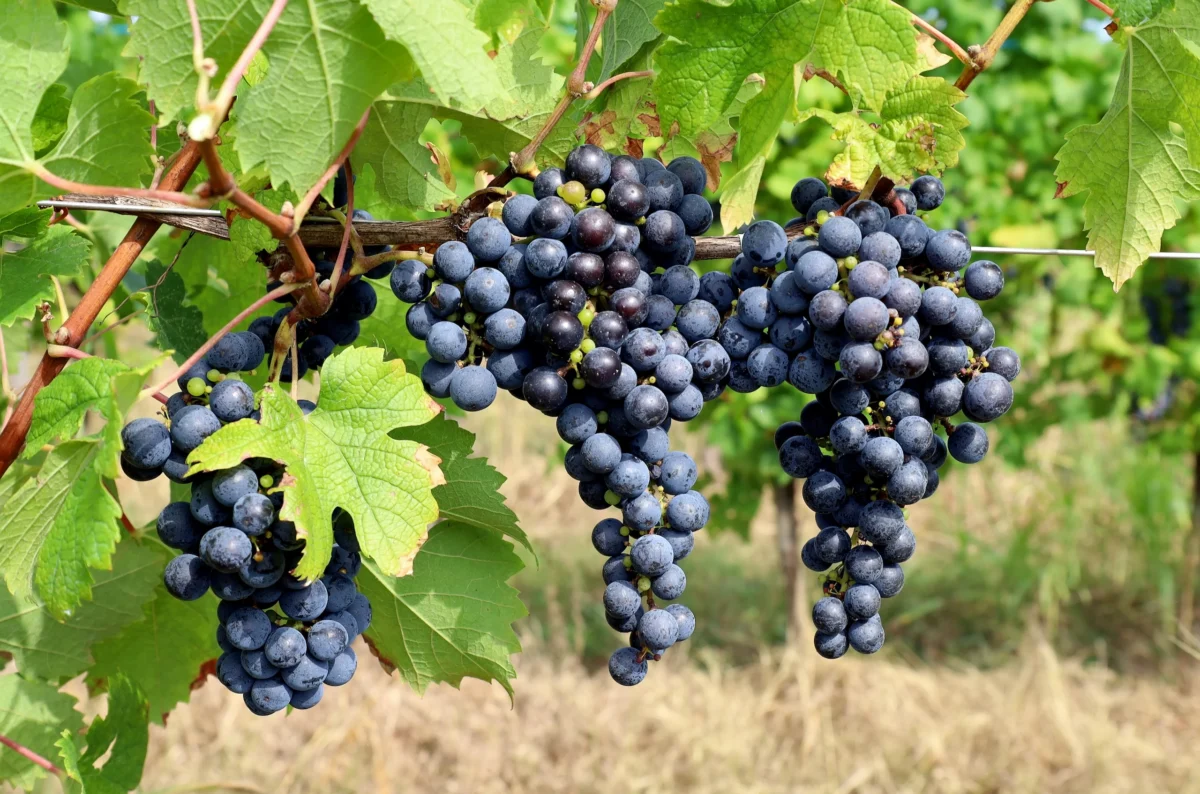
The historical tapestry of viticulture in Italy is rich with indigenous varieties, yet the story of international grapes like Merlot is equally compelling, albeit marked by a degree of historical ambiguity regarding its initial introduction. While Vittorio degli Albizzi is frequently credited with being the pioneering figure who brought Merlot to Italy, reportedly replanting his high-altitude Pomino estate in Tuscany with French varieties upon his return from Burgundy in 1855, this narrative is not without its scholarly contention. Ampelographers, specialists in the identification and classification of grapevines, have cast a critical eye on these early records, suggesting that Merlot might have been retroactively or broadly grouped with other French varietals like Chardonnay and Pinot Noir in the estate’s historical documentation, potentially obscuring a more complex or later initial arrival.
Regardless of the precise moment of its first vine taking root on Italian soil, one fact remains undisputed: Merlot’s widespread cultivation and ascent to prominence in the region truly commenced much later, gaining significant momentum well into the second half of the 20th century. This period marked a transformative era for Italian winemaking, characterized by a burgeoning interest in international grape varieties and a strategic shift towards wines that appealed to a broader global palate. From its debated origins to its current status as a significant and versatile grape in numerous Italian appellations, Merlot’s journey reflects the dynamic interplay of tradition, innovation, and market forces that have shaped Italy’s viticultural landscape.
The 19th-Century Enigma: Vittorio degli Albizzi and the Pomino Estate
The claim attributed to Vittorio degli Albizzi in 1855 represents one of the earliest documented instances of a French grape variety being purposefully introduced to a Tuscan estate. Albizzi, a scion of a noble Florentine family with a long history in winemaking, is said to have been inspired by the viticultural practices he observed during his travels in Burgundy. Upon returning to his ancestral Pomino estate, located in the Apennine foothills northeast of Florence, he embarked on a progressive replanting program. At the time, Italian vineyards were largely dominated by indigenous grapes, and the deliberate introduction of French varietals was a forward-thinking, albeit somewhat audacious, move. The Pomino estate, with its elevated vineyards and diverse microclimates, offered a promising environment for experimentation.

However, the precision of these 19th-century records, particularly concerning varietal identification, is a subject of ongoing debate among ampelographers. During that era, the scientific classification of grapevines was not as rigorous or standardized as it is today. Vineyards often contained a mix of varieties, and nomenclature could be fluid or regional. The skepticism arises from the possibility that "French varieties" might have been a generic term, or that later records, attempting to rationalize historical plantings with contemporary understanding, might have mistakenly identified or grouped Merlot with other well-known French grapes. For instance, the visual similarities between young vines or the common practice of interplanting could have led to misidentification. Furthermore, the limited infrastructure for widespread distribution and planting of specific clones meant that even if a few Merlot vines arrived, their immediate impact on the broader Italian viticultural scene would have been negligible. The true scale of Merlot’s introduction and subsequent spread points to a later period, suggesting that Albizzi’s efforts, while historically significant, may have been isolated or misinterpreted in the grander narrative of Italian viticulture.
Merlot’s Gradual Ascent: Post-Phylloxera and Mid-20th Century Boom
The late 19th century brought the devastating phylloxera epidemic, an insect pest that decimated European vineyards, including those across Italy. This catastrophic event necessitated widespread replanting, often on American rootstock, and provided an opportunity for winemakers to re-evaluate their varietal choices. Merlot, known for its adaptability, vigor, and relatively early ripening, was a practical choice for many regions looking to rebuild their vineyards efficiently. While it was likely planted during this period, often alongside other international and indigenous grapes, it primarily served as a workhorse blending component rather than a star varietal.
The real turning point for Merlot in Italy arrived in the mid-20th century, particularly from the 1970s onwards. Several key factors contributed to its meteoric rise:
-
Evolving Consumer Tastes: The global wine market began to favor wines with softer tannins, richer fruit profiles, and more immediate approachability. Traditional Italian red wines, often high in acidity and tannin (like many Sangiovese-based wines), sometimes required extensive aging to soften, which did not always align with emerging consumer preferences. Merlot, with its naturally plush texture and ripe berry notes, offered a compelling alternative.

-
The "Super Tuscan" Phenomenon: In Tuscany, a movement began among innovative winemakers who, frustrated by rigid DOC/DOCG regulations that limited their varietal choices, started experimenting with international grapes like Cabernet Sauvignon, Cabernet Franc, and Merlot. These wines, often blends, were initially labeled as Vino da Tavola (table wine) but quickly gained international acclaim and commanded premium prices, becoming known as "Super Tuscans." Merlot played a pivotal role in these groundbreaking wines, contributing softness, body, and complexity, and demonstrating its potential to thrive in Tuscan terroir. Iconic examples like Masseto (100% Merlot from Tenuta dell’Ornellaia) and Redigaffi (100% Merlot from Tua Rita) emerged from this era, cementing Merlot’s reputation as a world-class grape capable of producing exceptional wines in Italy.
-
Globalization of Wine Markets: As Italy sought to expand its wine exports, winemakers recognized the strategic advantage of cultivating well-known international varieties. Merlot’s global recognition made it an easier sell in foreign markets, helping to open doors for Italian wines alongside their indigenous counterparts.
-
Technological Advancements: Improved viticultural techniques, better clonal selection, and modern winemaking equipment allowed producers to better manage Merlot vines and express the grape’s characteristics more effectively, mitigating some of the challenges that might have hindered its earlier success.
This period saw wide-scale planting of Merlot across various regions, moving beyond Tuscany to Friuli-Venezia Giulia, Trentino-Alto Adige, Umbria, and other areas, each discovering how the grape could adapt to its unique microclimates and soil compositions.
A Tapestry of Terroirs: Merlot Across Italy’s Diverse Wine Regions
Merlot’s adaptability has allowed it to express itself in a multitude of ways across Italy’s diverse wine regions, producing wines that range from elegant and refined to powerful and concentrated. The examples provided highlight this regional variation, showcasing how different terroirs impart distinct characteristics to the grape.
Tuscany’s Coastal Allure and Inland Elegance
Tuscany, perhaps more than any other region, epitomizes the dual nature of Italian Merlot. The success of "Super Tuscans" paved the way for Merlot to be embraced as both a blending component and a standalone varietal.
-
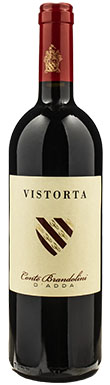
Coastal Tuscany (Bolgheri, Suvereto): The warm, Mediterranean climate and varied soils, often rich in clay and minerals, in areas like Bolgheri and Suvereto, produce Merlots of remarkable structure and intensity. These wines are typically full-bodied, with concentrated dark fruit flavors (black cherry, plum), often layered with notes of chocolate, espresso, and balsamic herbs. The Macchion dei Lupi, Profeta Merlot, Costa Toscana, Italy, 2019, exemplifies this style. Suvereto is particularly renowned for Merlots that showcase these features in an exemplary fashion, offering benchmark varietal fruit with a deep, complex profile. The coastal influence and ample sunshine allow for optimal ripeness, resulting in rich, plush tannins and a long, persistent finish.
-
Inland Tuscany (Valdarno di Sopra): In contrast to the coastal intensity, cooler inland areas like Valdarno di Sopra offer a different expression of Merlot. Here, the altitude and more continental influences contribute to wines with greater elegance and finesse, often drawing comparisons to the refined Merlots of Bordeaux. Petrolo, Galatrona, Valdarno di Sopra, Tuscany, Italy 2019, is a prime example of this style. While many questions linger about Merlot’s suitability for some parts of the Tuscan coast, the Valdarno region consistently produces wines that highlight the varietal’s more delicate side, characterized by vibrant red fruit, floral notes, and a fine tannic structure, showcasing a balance of power and grace.
Friuli-Venezia Giulia: A Northern Legacy
In Italy’s northeastern corner, Friuli-Venezia Giulia has a long-standing, if quieter, history with Merlot. Proximity to Austria and Slovenia meant earlier exposure to international varieties. Here, Merlot often thrives in specific micro-areas, benefiting from unique soil compositions.
-
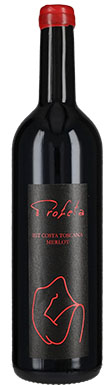
Vistorta: This micro-area is distinguished by its deep clay soils, a rarity on the otherwise gravelly alluvial plain of Friuli. These clay soils retain moisture, providing a steady water supply to the vines and contributing to the development of concentrated fruit. Conte Brandolini d’Adda, Vistorta, Venezia Giulia, Friuli-Venezia Giulia, Italy 2019, showcases the varietal character of the fruit from this distinctive terroir, resulting in wines that are often rich, savory, and well-structured, with notes of dark berries, tobacco, and a hint of earthiness.
-
Collio: The calcareous marl soils, locally known as ponca, of the Collio hills are particularly well-suited to Merlot. This unique soil composition, rich in marine fossils, imparts a distinct minerality to the wines. Edi Keber, Merlot, Collio, Friuli-Venezia Giulia, Italy 2019, demonstrates how Merlot ripens well in good vintages here, producing wines with direct fruit expression, a vibrant acidity, and a notable savory character. These Merlots often present bright red fruit, hints of spice, and a refreshing finish, reflecting the cooler climate and mineral-rich soils.
Trentino-Alto Adige: Alpine Influences
Further north, in the alpine region of Trentino-Alto Adige, Merlot takes on a distinct character shaped by the cooler temperatures and mountain air. The region’s long tradition of cultivating red grapes, including Bordeaux varieties, means winemakers have developed a nuanced understanding of Merlot.

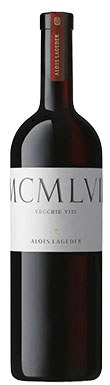
- Alto Adige/Südtirol: Trentino-Alto Adige Merlot is typically characterized by dark berry fruit (blackberry, blackcurrant) with a distinctive herby, sometimes liquorice, twist. The wines often exhibit a medium body, balancing richness with a refreshing acidity that is typical of cooler climate wines. Alois Lageder, MCMLVII Vecchie Viti Merlot, Alto Adige/Südtirol, Trentino-Alto Adige, Italy 2019, is a prime example. This wine, made from old vines, captures the essence of the region’s Merlot, offering complexity and depth while maintaining the grape’s inherent elegance and freshness, often with notes of forest floor and subtle spice.
Umbria’s Rich Expression
Umbria, the "green heart of Italy," is renowned for its powerful Sagrantino grape, but Merlot has found a compelling home here too, often producing wines of significant density and concentration.
- Umbria: Umbrian Merlot, such as Arnaldo Caprai, Belcompare, Umbria, Italy 2019, frequently displays a density and concentration that inevitably draws comparisons with the region’s more famous Sagrantino wines. However, Merlot offers a more generous fruit profile and less austerity than its indigenous counterpart. These wines are typically full-bodied, with ripe dark fruit, velvety tannins, and a long, savory finish. The climate and soils of Umbria, often a mix of clay and limestone, allow Merlot to achieve excellent physiological ripeness, resulting in wines that are both powerful and approachable, balancing richness with a rustic charm.
The Winemaker’s Perspective: Crafting Italian Merlot
Italian winemakers approach Merlot with a blend of respect for its international appeal and a determination to express its unique potential within their specific terroirs. Early adopters were driven by innovation and a desire to create wines that resonated with evolving market tastes, moving beyond the confines of traditional appellation rules. Today, producers across Italy recognize Merlot not merely as an "international" grape, but as a variety that, when cultivated thoughtfully, can produce wines with a distinctly Italian character.
Winemakers emphasize meticulous vineyard management, including site selection, canopy management, and yield control, to ensure optimal ripeness and varietal expression. In regions like coastal Tuscany, the focus might be on harnessing the warmth to achieve concentrated fruit and robust structure, while in cooler areas like Trentino-Alto Adige, the emphasis is on preserving freshness and aromatic complexity. The use of oak, whether new or old, large or small, is carefully considered to complement rather than overpower the fruit. Many producers aim to create "Italian Merlots" that showcase a balance between the grape’s inherent softness and the savory, earthy, or mineral notes imparted by the local terroir, distinguishing them from their French or New World counterparts. The success of premium Italian Merlots underscores the commitment of these vintners to elevating the grape’s status and exploring its full potential.
Economic Significance and Global Standing
Merlot’s integration into the Italian viticultural landscape has had a profound economic impact. It has diversified Italy’s wine portfolio, offering consumers a wider range of styles beyond traditional indigenous grapes. This diversification has been particularly beneficial in export markets, where Merlot’s familiarity has acted as an accessible entry point for consumers to explore Italian wines. While Sangiovese, Nebbiolo, and Aglianico remain iconic, Merlot’s contribution to Italy’s red wine production and export revenue is substantial.
Exact cultivation statistics are dynamic, but Merlot consistently ranks among the most widely planted red grape varieties in Italy, trailing only major indigenous grapes like Sangiovese and Montepulciano, and often surpassing other international varieties in terms of acreage. This widespread planting contributes significantly to the overall volume and value of Italian wine production. Furthermore, the success of high-end, single-varietal Merlots, particularly from Tuscany, has elevated Italy’s reputation as a producer of world-class wines, attracting critical acclaim and investment. This success has also spurred innovation in viticulture and winemaking, encouraging a continuous pursuit of quality across the board.
The Future of Italian Merlot: Innovation and Adaptation
As the global wine industry faces challenges such as climate change and evolving consumer preferences, Italian Merlot is poised for continued innovation and adaptation. Winemakers are actively researching new clonal selections that are better suited to changing climatic conditions, focusing on drought resistance or maintaining acidity in warmer vintages. Vineyard management practices are being refined to mitigate the effects of heat stress, such as altering canopy management to provide more shade or adjusting irrigation strategies.
Moreover, the identity of Italian Merlot continues to evolve. While it initially gained traction as an "international" variety, there’s a growing emphasis on expressing its regional identity. Producers are moving beyond simply replicating Bordeaux styles, instead seeking to highlight the unique nuances imparted by Italian terroirs. This involves a deeper understanding of specific vineyard sites, soil compositions, and microclimates. The future will likely see further exploration of Merlot’s potential in lesser-known regions, as well as a continued refinement of its expression in established areas, reinforcing its status as an integral, dynamic, and celebrated component of Italy’s illustrious wine heritage.
In conclusion, Merlot’s journey in Italy, from its historically debated introduction in the mid-19th century to its widespread adoption and acclaim in the late 20th and early 21st centuries, is a testament to the resilience and innovative spirit of Italian winemaking. It represents a successful fusion of international varietal character with the distinctiveness of Italian terroir, proving that while tradition runs deep, there is always room for evolution and new expressions of excellence.