Jia Lissa
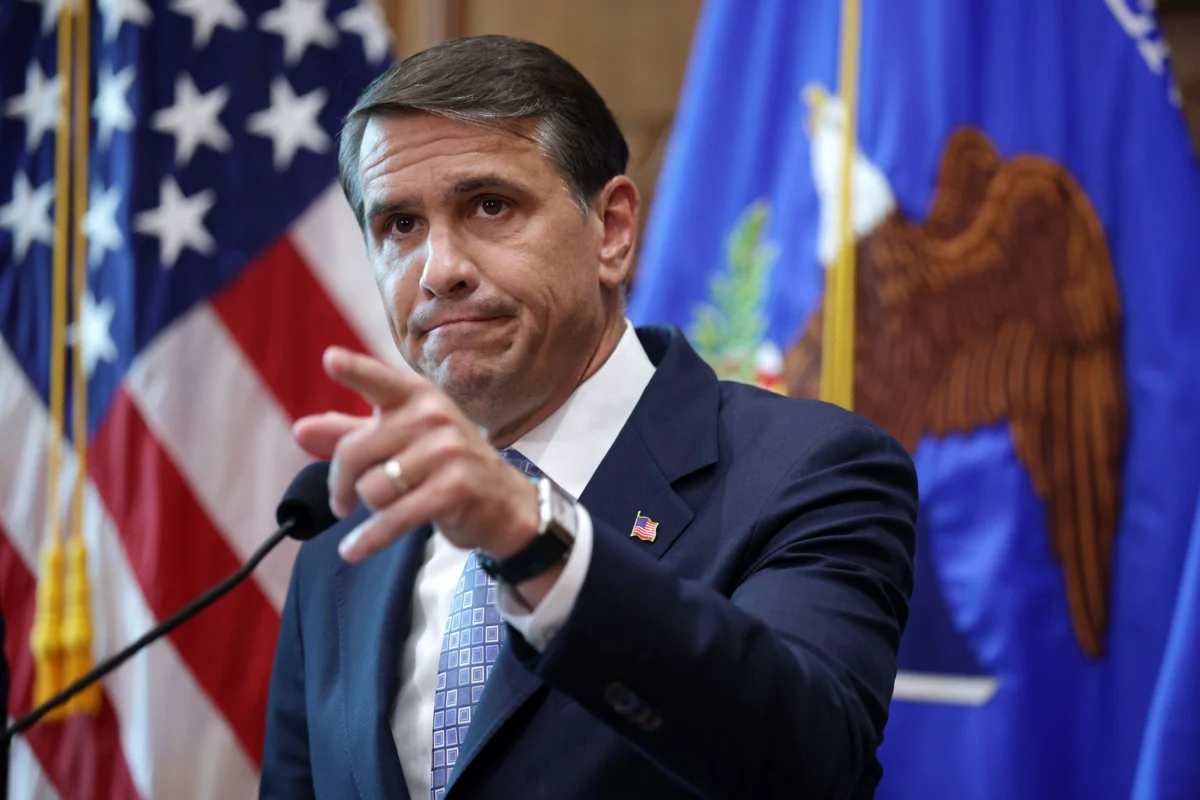
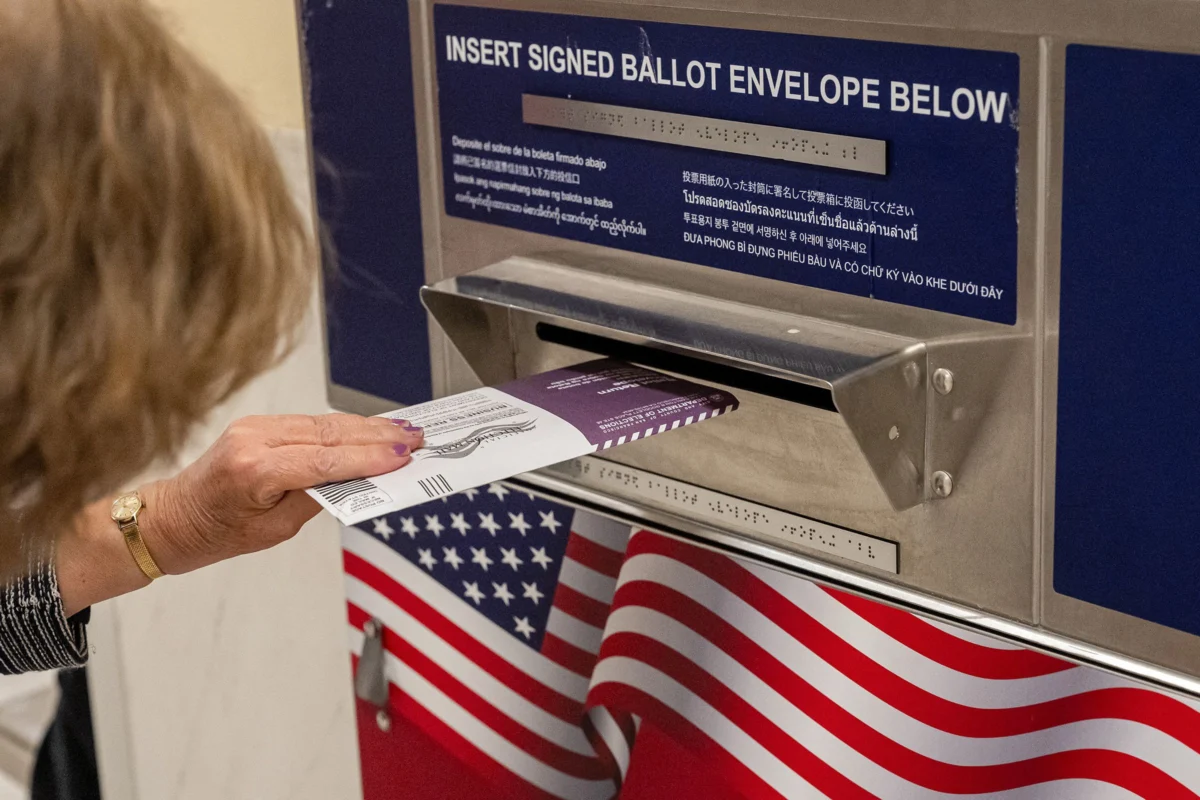
As the 2026 midterm elections draw near, political forecasts indicate a challenging landscape for Republicans. Simultaneously, the Trump administration’s Department of Justice (DOJ) has launched an aggressive, multifaceted campaign to question the integrity and validity of the electoral process, a campaign that has largely been met with judicial skepticism and strong resistance from state and local officials. These efforts, spearheaded by Attorney General Todd Blanche, a known proponent of conspiracy theories regarding widespread noncitizen voting in the 2020 election, appear to be laying groundwork to challenge election outcomes rather than genuinely addressing security concerns.
A Pattern of Interference and Doubt-Sowing
In the weeks and months leading up to the midterms, the DOJ, under Attorney General Blanche’s direction, has pursued a strategy aimed at sowing doubt in voters’ minds and asserting federal control over traditionally state-administered elections. This strategy has included a series of highly unusual and often legally dubious actions. For the past year, the DOJ has been demanding unredacted voter rolls from states, issuing executive orders designed to wrest control of election procedures from state authorities, and even raiding local election offices—tactics widely viewed by legal experts as an unprecedented federal overreach into state election sovereignty.
Adding to these administrative and investigative pressures, the DOJ has also proposed new laws that critics contend would disenfranchise millions of citizens and has repeatedly claimed that noncitizens are voting en masse across the country. These claims about noncitizen voting have consistently been debunked by extensive research. Multiple bipartisan investigations, including those by the Brennan Center for Justice and the American Immigration Council, have repeatedly shown that verified incidents of noncitizen voting are vanishingly rare, representing an infinitesimally small fraction of the electorate and having no material impact on election outcomes. For instance, studies examining millions of votes across various elections have found rates of noncitizen voting to be well below 0.01 percent, effectively negligible.
The administration’s tactics have escalated to direct intimidation. On Thursday, October 30, 2026, the DOJ dispatched letters to election officials in all 50 states, explicitly warning them of potential criminal prosecution if they failed to preserve election records for an arbitrary period of 22 days. This came just days after a federal judge had already admonished the Trump administration for similar threats of criminal action against election officials in a separate, unrelated case, underscoring a pattern of what critics describe as an attempt to coerce and intimidate those responsible for election administration.
Expert Perspectives on Intent and Impact
Legal experts and election integrity advocates have voiced significant concerns regarding the DOJ’s motivations. Shelby Wayment, a staff attorney at UCLA Law’s Safeguarding Democracy Project, articulated a widely held view: “They’re trying to create chaos and distrust in the system. They’re trying to file these now knowing they have virtually no chance of winning and then after they can claim the election was fraudulent.” This suggests a deliberate strategy to manufacture grievances that can be leveraged to dispute election results, particularly if outcomes do not favor the administration’s preferred candidates.
Justin Levitt, a former deputy assistant attorney general at the DOJ’s Civil Rights Division and now a law professor at Loyola Marymount University, characterized the administration’s actions as largely performative. “What you’re seeing now is a ton of marketing. They are trying to communicate that they’re in charge, and I think it’s not working,” Levitt observed. He further emphasized a crucial constitutional principle that the administration appears to be challenging: “But it is really important to remember that the federal government isn’t in charge of the election process. State and local officials are.” This fundamental division of power underpins the resistance the DOJ has encountered.
DOJ’s Defense and the Broader Context of Legal Challenges
In response to criticisms, a spokesperson for the DOJ defended the department’s actions, telling WIRED, “This Department is following the facts and the law, not anyone’s political timetable.” The spokesperson pointed to actions by the previous administration’s Justice Department, which had sued Alabama and Virginia ahead of the 2024 election, claiming that the then-DOJ was attempting “to stop them from removing suspected noncitizens from their voter rolls.” This argument attempts to frame the current DOJ’s actions as a continuation of efforts to ensure clean voter rolls, albeit with a different focus on which individuals should be targeted for removal or scrutiny. However, critics argue the current DOJ’s methods and the aggressive nature of its interventions represent a significant departure from historical norms and established legal guidelines, particularly those prohibiting federal interference in elections close to voting day.
Despite the administration’s aggressive posture, its legal challenges have largely faltered. David Becker, a former DOJ lawyer and the head of the Center for Election Innovation and Research, offered a reassuring assessment of the resilience of democratic institutions. “They have failed at everything they’ve tried to do. Our systems have held firm. Our institutions have held firm,” Becker stated. This sentiment is supported by a comprehensive analysis from the Brennan Center, which indicates that 34 federal district courts have ruled against the Trump administration since it took office in 2025, consistently blocking access to voter rolls and preventing the implementation of various executive orders aimed at federalizing election administration. These judicial defeats underscore the judiciary’s role as a critical check on executive power and a bulwark against attempts to undermine the integrity of the electoral process.
State-Level Showdowns: A Chronology of Confrontation
The DOJ’s overarching strategy has manifested in distinct, often contentious, legal battles across several states, each highlighting the administration’s efforts and the resolute pushback from state officials and the courts.
California: The Battle Over Ballot Sequestration
California has emerged as a significant flashpoint in the DOJ’s campaign. In early October 2026, the DOJ filed a federal lawsuit seeking a court order to compel California to sequester mail-in ballots from approximately 20,000 voters, alleging these individuals were noncitizens. The request was based on data the administration claimed identified ineligible voters.
However, on Wednesday, October 29, 2026, US District Judge David Carter issued a strongly worded order rejecting the DOJ’s request. Judge Carter’s ruling was unequivocal: “Never before in American history has the federal government, on the eve of an election, sought to coerce a state and local government to abandon their own Constitutional elections procedures and bend to the will of the Executive Branch.” The judge expressed “further questions of credibility” regarding how the administration arrived at the 20,000 figure, noting that similar past claims about noncitizens on voter rolls had failed to withstand scrutiny. The DOJ promptly filed an appeal, which a federal court swiftly denied, upholding Judge Carter’s decision.
In a further blow to the DOJ’s claims, a federal judge ruled the previous week that the DOJ had to release its list of approximately 20,000 names to the Coalition for Humane Immigrant Rights (CHIR) for independent analysis. On Saturday, October 26, 2026, CHIR submitted a legal filing revealing that its analysis found over 40 percent of the names on the DOJ’s list were not even present in California’s current voter files. This finding significantly undermined the DOJ’s central premise for the lawsuit. In response, the DOJ suggested that CHIR’s publication of their analysis violated the terms under which the lists were released, urging a federal judge to consider contempt charges—a move seen by critics as an attempt to stifle transparency and accountability.
David Becker highlighted another critical aspect of the DOJ’s conduct in California: “The DOJ has clearly written rules that prevent it from engaging in any investigative activity close to an election—rules that private attorney Todd Blanche cited when representing his client, Donald Trump, in September 2024. But the DOJ continues to violate its own policies.” This raises serious questions about the department’s adherence to its own ethical guidelines and precedents. To cap off these events, the DOJ issued grand jury subpoenas to California’s local election officials last week, signaling its unwavering intent to press forward despite repeated court losses.
Alaska: The "Spoiler Candidate" Conspiracy
In Alaska, the Justice Department launched a lawsuit in October 2026 designed to block the certification of the election result in the state’s U.S. Senate race if Democratic candidate Mary Peltola wins. The lawsuit was predicated on the presence of a "spoiler candidate" with a name similar to incumbent Republican candidate Daniel Sullivan. This action was taken despite the Alaska Supreme Court ruling in the summer of 2026 that Daniel J. Sullivan Jr. could lawfully remain on the ballot, as no laws had been broken.
A New York Times investigation the previous week alleged that Democrat-aligned operatives were involved in placing the spoiler candidate on the ballot, though Peltola’s campaign denied any involvement. Attorney General Todd Blanche publicly stated that the common practice of putting spoiler candidates on the ballot "certainly should be" illegal, while former President Trump, on Truth Social, declared that Peltola “should be removed from the Ballot and prosecuted.” Peltola, however, firmly denied the accusations, telling supporters in Juneau, "I just want to clear the air: I knew nothing about any other candidates on the ballot except for me and the incumbent. I am not interested in tricking voters."
The situation escalated dramatically on Thursday, October 30, 2026, when Alaska Governor Michael Dunleavy ordered an investigation to determine if state criminal or civil charges could be pursued against Peltola. In an interview with NewsNation, Dunleavy refused to commit to certifying Peltola’s victory if the investigation remained ongoing, effectively threatening to overrule the will of Alaskan voters. A Peltola campaign spokeswoman condemned this, stating, “Dunleavy’s threat to overrule the will of Alaskan voters exemplifies what Alaskans hate about partisan politics and shows why he’s the least popular governor in the country. Mary won’t be intimidated by Dunleavy, Sullivan, or any of their DC allies who are trying to steal this election from Alaskans before votes are counted.”
On Friday, October 31, 2026, the DOJ held a press conference in Anchorage, announcing not only their lawsuit seeking to block certification but also a new federal investigation into whether federal civil or criminal charges were applicable. U.S. Attorney for the District of Alaska Michael Heyman declared, "We are aware of… the sprawling conspiracy to prop up Daniel J. Sullivan as a sham candidate." However, this federal offensive suffered a major setback on Sunday, November 2, 2026, when a federal judge threw out the DOJ’s lawsuit, ruling that their request likely violated Alaskans’ fundamental right to a secret ballot. Hours later, the DOJ asked a federal appeals court to overturn the ruling, indicating a prolonged legal battle.
Nevada: Disputed Noncitizen Voter Claims
In July 2026, the Department of Homeland Security (DHS) made a bold assertion, claiming to have identified over 270,000 noncitizen voters across just four states: California, Nevada, Pennsylvania, and New Jersey. Specifically for Nevada, DHS officials initially claimed there were 15,903 noncitizens on the state’s voter rolls. However, this assertion quickly unraveled.
In a subsequent meeting with Nevada officials, DHS conceded they lacked evidence to support their initial figures. The number of suspected noncitizens on Nevada’s voter rolls then plummeted to a mere 185, but even for this reduced number, no supporting evidence was provided. Nevada’s Deputy Attorney General Greg Ott responded in a sharply worded letter to DHS: “As for the 185 individuals, our records indicate that they were citizens. You have provided nothing of substance to suggest otherwise.”
A DHS spokesperson, attempting to defend their methodology, told WIRED, “The Department accessed publicly available data from states’ voter rolls and cross-referenced them with known illegal aliens in our systems. It’s not rocket science; it’s an easy step to secure our elections.” However, Ott countered this, emphasizing that while Nevada takes allegations of noncitizen voting seriously, “it also has a strong interest in preventing the wrongful disenfranchisement of voters” and is “committed to preventing the chilling effect on the right to vote from taking actions based on unfounded and unverifiable allegations of noncitizen voting.” This exchange highlights the tension between federal claims of electoral security and state efforts to protect legitimate voting rights.
Washington: Late-Hour Allegations and State Defiance
Last week, the DOJ asserted that federal data appeared to show approximately 400 noncitizens registered to vote in Washington state. The department demanded that officials isolate these ballots, describing the figure as “the tip of the iceberg.”
The response from Washington state officials was swift and critical. Washington Secretary of State Steve Hobbs penned a “withering letter” in return, stating, “The timing of your letter is profoundly disappointing. If you had valid concerns about voter registrations, the time to raise them was a month ago.” Hobbs added that the DOJ’s decision to publicly raise these concerns so close to the election was “not a sign of good faith to ensure a free, fair, and accurate election.”
Hobbs further elaborated that the DOJ had failed to provide individualized proof that any of the people on its list were ineligible to vote, nor did it offer any information about how it compiled the lists or what data sources were used. He concluded with a strong rebuke, asserting, “Given the Department of Justice’s recent acts of election interference in California, Alaska, and now in Washington, it would be particularly inappropriate for Washington to simply assume the Department’s unsupported allegations here are credible.” This refusal to comply without verifiable evidence reflects a broader pattern of state resistance to what is perceived as federal overreach based on unsubstantiated claims.
Texas: The Unsubstantiated Claims of AI Hacking
While not a direct filing by the Department of Justice, a lawsuit filed by the Potter County Republican party in Texas serves as another example of the types of challenges to election integrity emerging in the current climate. The lawsuit seeks to prevent the state from certifying the vote unless all Texas ballots are counted by hand.
The GOP’s basis for demanding a manual audit includes purported threats from artificial intelligence’s ability to supposedly hack into virtually any voting machine undetected—a claim presented entirely without evidence—and the presence of voting machine parts manufactured in China. Justin Levitt, the former deputy assistant attorney general, dismissed the lawsuit with stark incredulity, describing it as “nuts.” He quipped, “That would be the technical term. I wish that they had filed the thing in Comic Sans on the back of a Burger King placemat, because I think that would help people evaluate how serious it is.” This lawsuit, while perhaps an outlier in its specific claims, underscores the proliferation of unsubstantiated allegations aimed at undermining confidence in automated voting systems and, by extension, election results.
Broader Implications and the Resilience of Democratic Institutions
The cumulative effect of the Trump administration’s DOJ actions and related political maneuvers has profound implications for American democracy. These efforts, consistently challenging established norms and legal precedents, risk eroding public trust in the electoral process, regardless of their legal outcomes. The repeated accusations of fraud, particularly those regarding noncitizen voting, without substantial evidence, can fuel cynicism and political polarization.
Furthermore, these confrontations highlight the inherent tension between federal authority and the constitutional principle of state control over elections. The judiciary has, in many instances, served as a crucial bulwark, reaffirming state sovereignty and upholding the rule of law against what judges have deemed executive overreach. The consistent rulings against the DOJ’s efforts demonstrate the resilience of judicial checks and balances, even in the face of intense political pressure.
As the 2026 midterms conclude and votes are tallied, observers anticipate that the administration’s strategy is designed to provide a pretext for challenging results that do not align with its preferences. However, as David Becker noted, the consistent failure of these legal efforts and the steadfastness of election systems and institutions suggest that while the attempts to sow doubt are disruptive, the foundational elements of American democracy have thus far held firm against these unprecedented pressures. The long-term challenge will be to rebuild trust and reinforce the integrity of the electoral process in an environment increasingly marked by suspicion and aggressive legal tactics.