admin
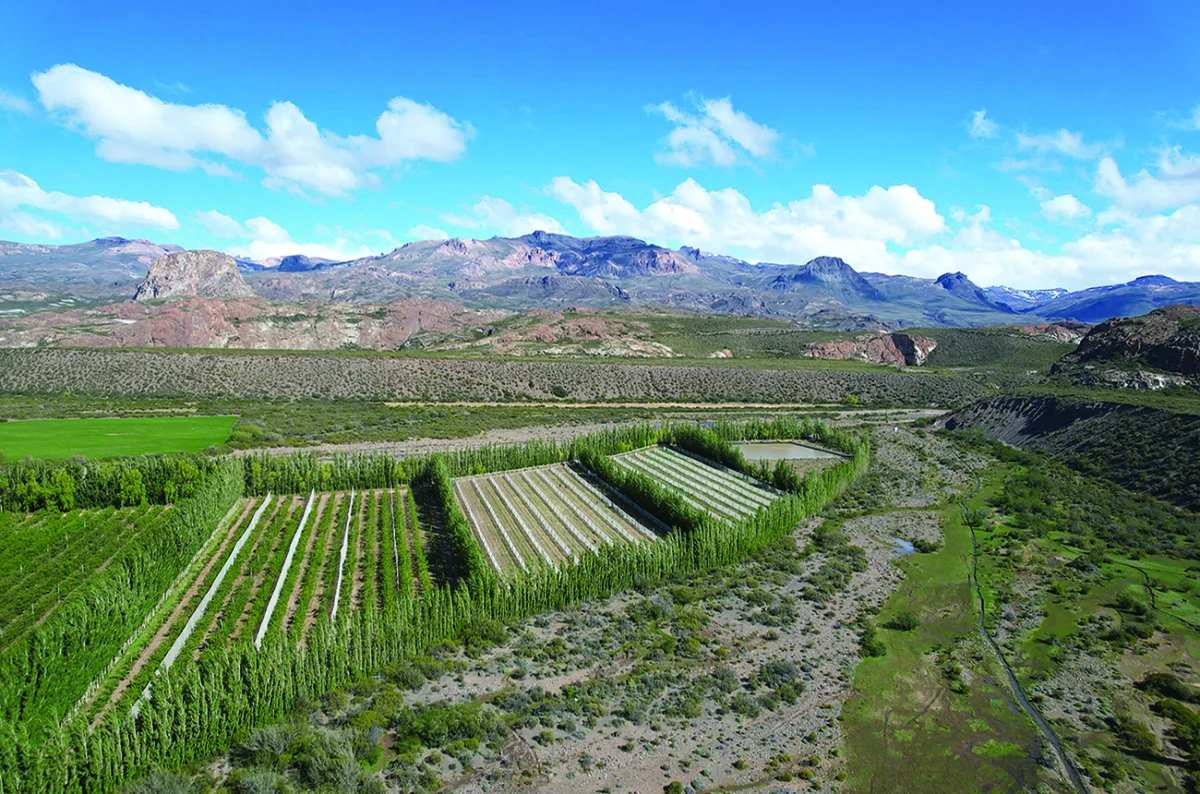
High-altitude viticulture is experiencing a significant resurgence, driven by a confluence of environmental and economic factors that are profoundly reshaping the global wine industry. As established, traditional wine-growing regions grapple with the escalating challenges of climate change and increasingly prohibitive land costs, the quest for new, viable vineyard sites is quite literally ascending to unprecedented elevations. This strategic pivot towards mountainous terrains and high plateaus represents a proactive adaptation by vintners seeking to mitigate the adverse effects of a warming climate, while simultaneously exploring untapped terroirs that promise unique characteristics and extended growing seasons.
The Imperative of Elevation: A Response to Climate Shifts
The primary catalyst for this global shift is undoubtedly climate change. Over the past few decades, many of the world’s most celebrated wine regions have witnessed a steady increase in average temperatures, leading to earlier bud break, accelerated ripening, and a corresponding loss of vital acidity in grapes. This phenomenon often results in wines with higher alcohol content, less freshness, and a diminished capacity for complex aromatic development, threatening the very identity of renowned appellations. In response, growers are actively seeking environments that offer cooler temperatures, which are naturally found at higher altitudes. For every 100 meters of elevation gained, temperatures typically drop by approximately 0.65 to 1 degree Celsius, providing a crucial thermal buffer against global warming.
Beyond simply cooler ambient temperatures, high-altitude vineyards benefit from pronounced diurnal temperature shifts – significant differences between daytime highs and nighttime lows. Warm days ensure adequate sugar development and phenolic ripeness, while cool nights allow the grapes to "rest," preserving acidity, enhancing color intensity, and fostering the development of complex aromatic compounds. This extended ripening period, often stretching well into the autumn, allows grapes to achieve physiological maturity at lower sugar levels, yielding wines that are balanced, vibrant, and expressive of their unique origins.
Economic Pressures and the Search for New Frontiers
While climate change provides the environmental impetus, economic realities further underscore the push towards high-altitude viticulture. Prime vineyard land in historic regions like Bordeaux, Burgundy, Napa Valley, and Tuscany has become exorbitantly expensive, often reaching millions of dollars per hectare. This makes entry for new producers or expansion for existing ones incredibly challenging, stifling innovation and limiting growth. Consequently, producers are increasingly looking to less developed, often mountainous areas where land is more affordable and available, offering the opportunity to establish new vineyards from scratch and experiment with novel grape varieties or clones.
This combination of climatic necessity and economic opportunity has spurred exploration into previously unconsidered regions, from the Andean foothills of South America to the volcanic slopes of Sicily, and now, even to the equatorial highlands of Africa.
Rwanda’s Emerging Viticultural Ambition: The Vinmusa Project on Mount Karisimbi
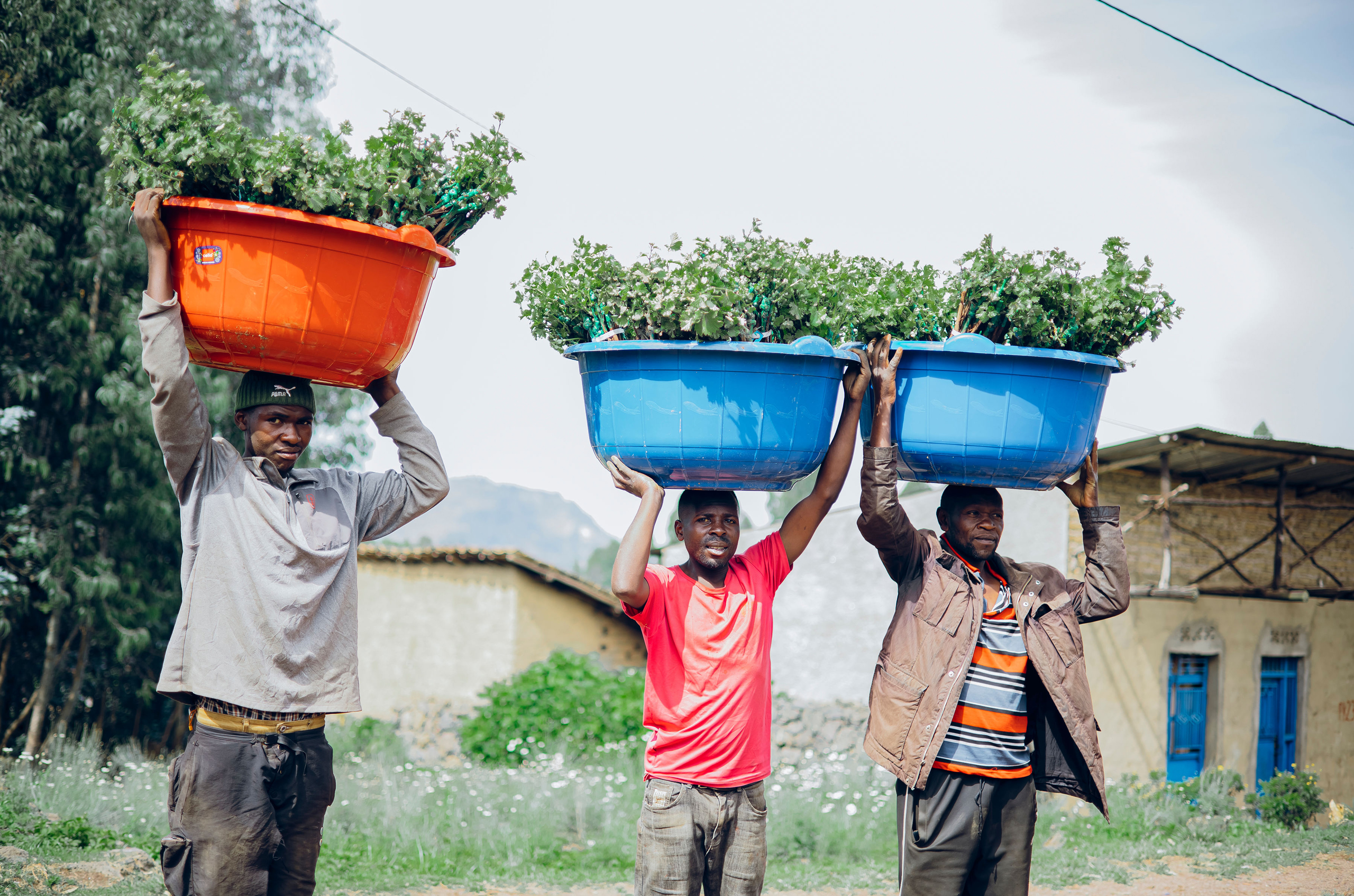
One compelling example of this global trend is the nascent viticultural endeavor unfolding on Mount Karisimbi in Rwanda, as depicted by images showing workers carrying vines for planting. Rwanda, a nation primarily known for its coffee and tea production, is now venturing into the world of fine wine, leveraging its unique geography. Despite being situated near the equator, Rwanda’s high average elevation, with much of the country lying above 1,500 meters, provides the necessary cooler microclimates conducive to viticulture.
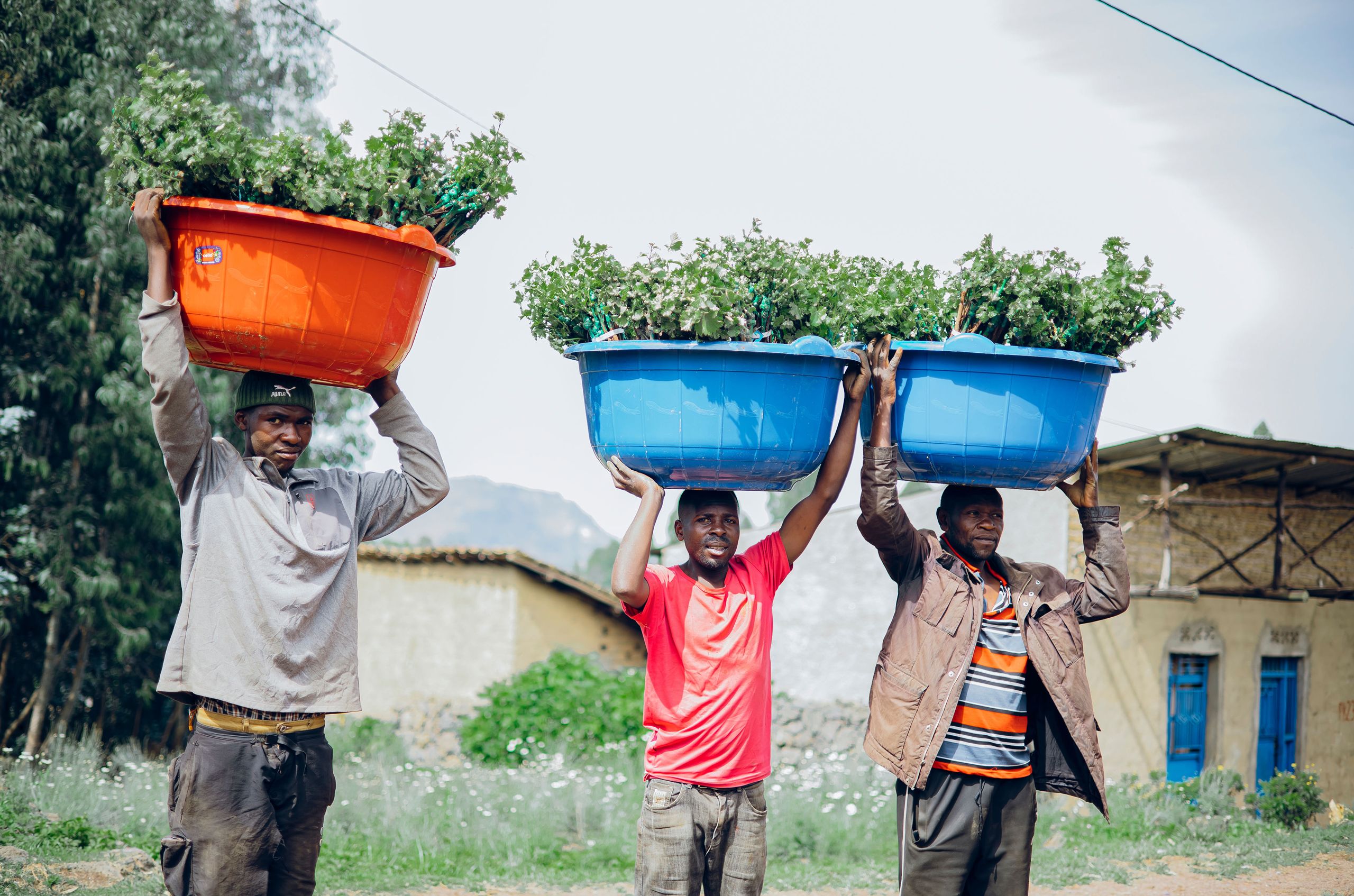
The Vinmusa project, though still in its early stages, symbolizes a pioneering spirit. Mount Karisimbi, an inactive volcano in the Virunga Mountains, is Rwanda’s highest peak, reaching 4,507 meters (14,787 feet). While vineyards are unlikely to be planted at its summit, the lower slopes offer fertile volcanic soils and altitudes well within the viable range for quality wine production, potentially exceeding 2,000 meters. The challenges are considerable: developing infrastructure, importing suitable grape varieties and rootstocks adapted to these specific conditions, and training a local workforce in viticultural techniques. However, the potential rewards—a distinctive Rwandan wine, economic diversification, and a new source of agricultural income—are significant.
This initiative is not just about planting vines; it’s about building an entire industry from the ground up. It involves meticulous soil analysis, climate modeling to identify optimal planting zones, and careful selection of grape varieties that can thrive in high-altitude, equatorial conditions. While specific details on the grape varieties chosen by Vinmusa are yet to be widely publicized, it is plausible that they are experimenting with both international varieties known for their adaptability, such as Cabernet Sauvignon or Syrah, and perhaps even exploring indigenous or lesser-known varieties that could offer a truly unique expression of Rwandan terroir. The success of such a venture could serve as a powerful model for other developing nations seeking to harness their natural resources for high-value agricultural products.
A Global Phenomenon: Established and Emerging High-Altitude Regions
The trend exemplified by Rwanda is part of a broader global movement. High-altitude viticulture is not entirely new; regions like Argentina’s Salta province have been producing exceptional wines for decades, but its prevalence and geographic spread are expanding rapidly.
-
Argentina (Salta – Cafayate): This region is a global benchmark for extreme altitude viticulture. Vineyards in areas like Cafayate thrive at elevations between 1,700 and 3,000 meters (5,500 to 10,000 feet) above sea level. Here, the flagship Torrontés grape achieves remarkable aromatic intensity and freshness, while Malbec develops profound color, concentrated fruit, and elegant tannins, benefiting from the intense sunlight and extreme diurnal shifts. The success of Salta has provided a blueprint for other aspiring high-altitude regions, demonstrating that quality wine can be produced in seemingly inhospitable environments.
-
Chile (Andes Foothills): Following Argentina’s lead, Chile is increasingly exploring its Andean slopes, pushing vineyards higher into the Aconcagua, Maipo, and Colchagua valleys. These newer high-altitude sites are yielding vibrant Sauvignon Blancs, structured Cabernet Sauvignons, and elegant Syrahs, showcasing the versatility of these elevated terroirs.
-
Italy (Valle d’Aosta, Alto Adige, Etna): European examples also abound. The Valle d’Aosta in Italy features some of Europe’s highest vineyards, where indigenous varieties like Prié Blanc thrive on steep, terraced slopes. Alto Adige (Südtirol), nestled in the Dolomites, produces crisp white wines and aromatic reds at significant elevations. Perhaps most dramatically, the volcanic soils and high altitudes of Mount Etna in Sicily have gained international acclaim for their Nerello Mascalese and Carricante wines, which express a distinct minerality and freshness born from their extreme environment.
-
Spain (Canary Islands, Sierra de Gredos): Spain offers unique high-altitude terroirs, such as the volcanic vineyards of the Canary Islands, where vines are often grown on ungrafted rootstock due to the sandy, volcanic soils. On the mainland, the Sierra de Gredos, west of Madrid, is experiencing a renaissance with old-vine Garnacha planted at elevations up to 1,200 meters, yielding elegant and complex wines.
-
China (Yunnan): In a truly pioneering effort, vineyards are being established in the remote Himalayas of Yunnan province, China, at altitudes exceeding 2,500 meters. These extreme conditions present significant logistical and viticultural challenges but hold the promise of producing unique, high-quality wines, as demonstrated by projects like Ao Yun.
Challenges and Innovations in High-Altitude Viticulture
While the advantages are compelling, high-altitude viticulture is not without its formidable challenges. The very remoteness that offers pristine terroir also presents logistical nightmares. Developing infrastructure—roads, irrigation systems, and wineries—in mountainous regions can be incredibly costly and time-consuming.
-
Climate Extremes: Beyond cooler temperatures, high altitudes can also bring more severe weather events: late spring frosts, sudden hailstorms, and intense UV radiation. Strong winds can also stress vines and reduce yields. Viticulturists must employ innovative techniques, such as selecting frost-resistant clones, using windbreaks, and adapting canopy management to protect grapes from excessive sun exposure.
-
Soil Management: Mountainous soils are often poor in nutrients, shallow, and prone to erosion. Terracing, careful organic matter management, and precise irrigation are crucial for maintaining soil health and vine vigor. The unique geological composition of these areas, however, often contributes to distinct mineral profiles in the wines.
-
Pest and Disease Pressure: A significant benefit of high altitude is often reduced pest and disease pressure due to colder temperatures and stronger winds, which can limit the spread of fungal diseases. This often allows for more sustainable, organic, or even biodynamic viticultural practices, appealing to environmentally conscious consumers.
-
Human Resources and Expertise: Establishing new vineyards in remote areas requires a skilled workforce, from vineyard managers to cellar masters. Training local populations, as is likely the case in Rwanda, is essential for long-term sustainability and community engagement. Research and development are also critical to identify suitable grape varieties, rootstocks, and specific viticultural practices that thrive in these extreme conditions.
Expert Perspectives and Broader Implications
Industry experts widely acknowledge the increasing importance of high-altitude viticulture. Dr. Malu Lambert DipWSET, a multi-award-winning wine writer and critic based in South Africa, aptly summarizes the core drivers, noting the shift as traditional regions become "more crowded and prohibitively expensive" and linking it directly to "a warming climate." Her observation encapsulates the dual pressure points that are pushing the industry skyward.
Climate scientists consistently predict further global temperature increases, reinforcing the long-term viability and necessity of exploring cooler climates. Viticulturists and oenologists, meanwhile, are excited by the potential for new expressions of terroir, predicting that high-altitude wines will increasingly gain recognition for their unique freshness, balance, and aromatic complexity.
For consumers, this trend translates into an expanding array of unique and compelling wines. There is a growing appreciation for wines with a strong sense of place, and the narratives of high-altitude vineyards, often in challenging and visually stunning landscapes, resonate deeply. These wines often offer a vibrant acidity and elegance that can be harder to achieve in warmer, lower-lying regions, appealing to palates seeking finesse over sheer power.
The broader implications extend beyond the wine glass. The development of viticulture in high-altitude regions can bring significant economic benefits to often marginalized communities, creating jobs, fostering tourism, and diversifying agricultural economies. It also highlights human ingenuity and adaptability in the face of environmental change, showcasing how traditional agricultural practices can evolve to meet modern challenges. As the global climate continues to shift, the ascent of altitude viticulture stands as a testament to the wine industry’s resilience and its ongoing quest for new horizons, ensuring the future of wine remains as dynamic and diverse as its past.