admin
The luxury hospitality landscape of Miami Beach has reached a new milestone with the opening of Mimi Kakushi, a high-concept Japanese restaurant located within the iconic Delano Miami Beach hotel. As the brand’s first foray into the United States market following its critically acclaimed success in Dubai, the establishment represents a sophisticated fusion of international design, historical narrative, and contemporary culinary artistry. Situated on the fourth floor of the historic Art Deco property, the restaurant serves as a cultural bridge between the vibrant energy of modern Miami and the refined aesthetics of 1920s Japan.
Designed by the London-based firm Pirajean Lees, Mimi Kakushi Miami is not merely a dining venue but a carefully curated environment that draws upon the life and legacy of Sessue Hayakawa, the first Japanese actor to achieve stardom in Hollywood’s silent film era. Led by founders Clémence Pirajean and James Lees, the design team has crafted a space that imagines the private residence of a world-traveling polymath, blending the avant-garde spirit of the Taisho era with the cinematic grandeur of the early 20th century.
A Narrative-Driven Design Philosophy
The cornerstone of the restaurant’s identity is the concept of "Mimi Kakushi," a term referring to a popular 1920s Japanese hairstyle that translated to "covering the ears." This era, known as the Taisho period, was characterized by a rapid influx of Western influence into Japan, leading to a unique cultural synthesis. Pirajean Lees has translated this historical intersection into a physical space that feels both nostalgic and forward-looking.
The choice of Sessue Hayakawa as a muse provides a rich tapestry for the interior design. Hayakawa, who was known for his "broodingly handsome" looks and international lifestyle, lived between Tokyo, Los Angeles, and Paris. The restaurant’s layout is segmented into various "rooms" that reflect different facets of this imagined protagonist’s personality. This narrative approach allows the restaurant to offer multiple atmospheres within a single footprint, ranging from the high-energy social hub of the bar and DJ station to the serene, more contemplative areas of the terrace.
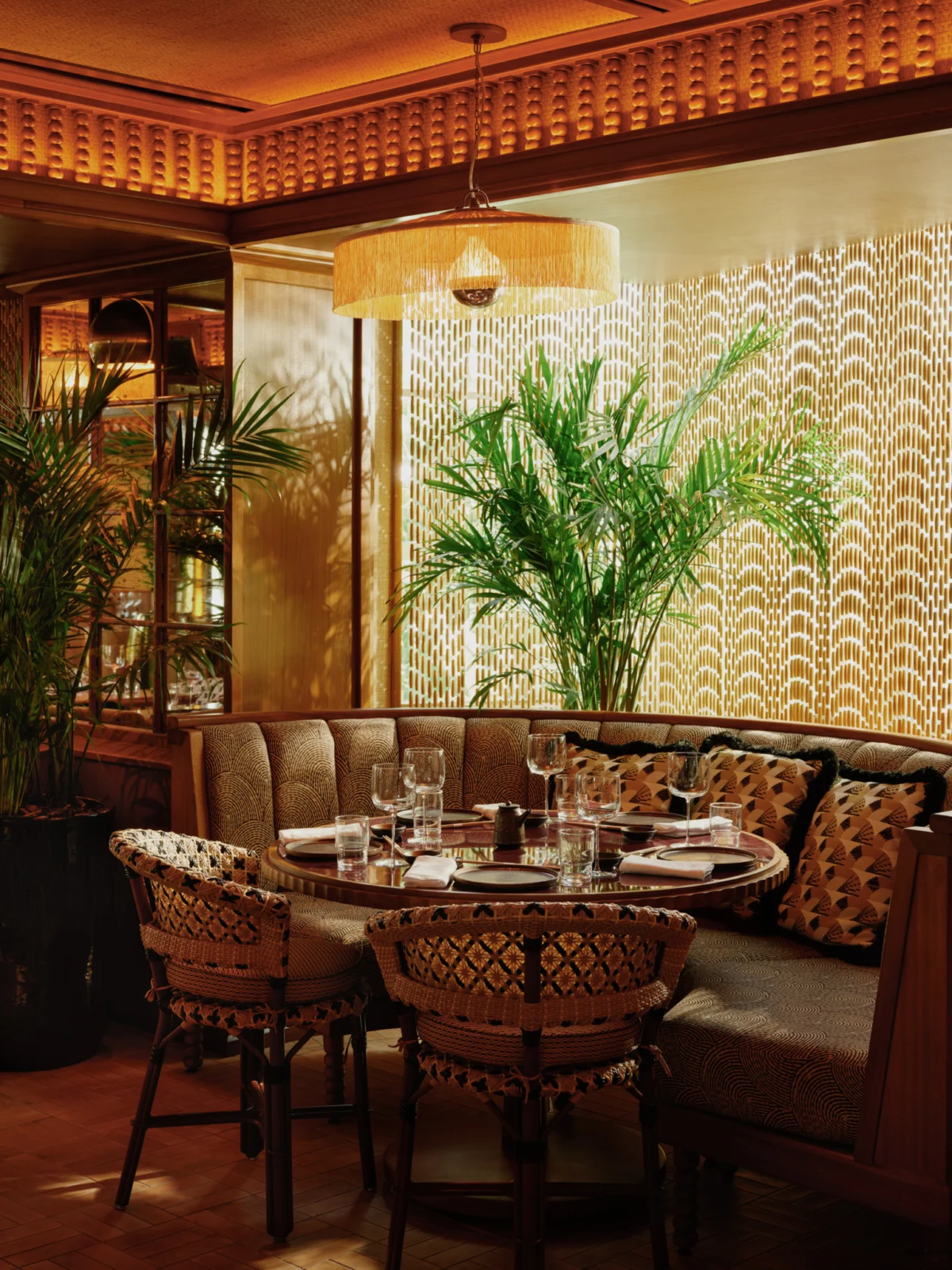
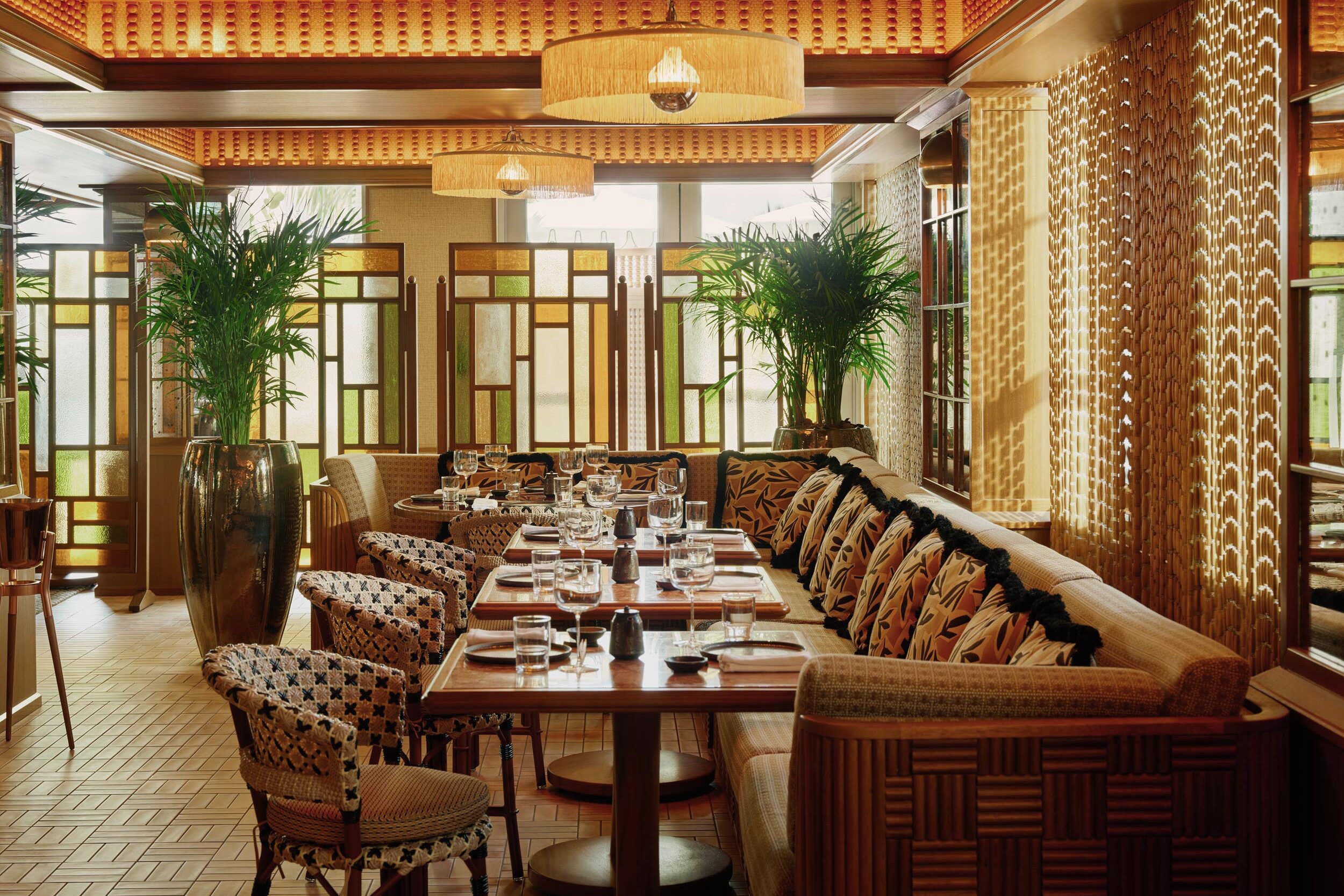
The materials used throughout the space emphasize traditional craftsmanship while acknowledging Miami’s coastal environment. Sunlight filters through intricate timber bead curtains and hand-crafted stained glass, creating a play of light and shadow that changes as the day progresses. The color palette is dominated by warm tobacco browns, creamy neutrals, and deep ochres, punctuated by hand-painted landscapes and custom-designed furniture that evokes the luxury of 1920s ocean liners and private estates.

Strategic Integration into the Delano Miami Beach
The placement of Mimi Kakushi within the Delano is a strategic move for both the brand and the hotel. The Delano, originally designed by Robert Swartburg in 1947 and later reimagined by Philippe Starck in the 1990s, has long been a symbol of South Beach’s elite social scene. The hotel is currently undergoing a significant transformation under the stewardship of Cain International and Ennismore, aiming to reclaim its status as a premier global destination.
Mimi Kakushi occupies a prime fourth-floor location that includes a significant outdoor terrace. This terrace is specifically reserved for hotel guests and members of the Delano Members Club, adding an element of exclusivity that aligns with Miami’s growing demand for private, high-end social spaces. The terrace is divided by lush tropical greenery and strategically placed screens, providing diners with a sense of intimacy and enclosure without sacrificing the panoramic views of the Atlantic Ocean and the Miami skyline.
Culinary Vision and the Interactive Dining Experience
Under the leadership of Head Chef Henry Park, the culinary program at Mimi Kakushi Miami focuses on a modern interpretation of Japanese classics. The menu features a robust selection of sashimi, tempura, and signature hot dishes, such as black cod and wagyu beef, all prepared with an emphasis on ingredient purity and precision.

The physical layout of the restaurant places the open sushi counter at its heart. This design choice serves a dual purpose: it highlights the theatricality of Japanese food preparation and fosters a direct connection between the chefs and the guests. By making the kitchen a central stage, the restaurant aligns with the broader industry trend of "transparent hospitality," where the process of creation is as much a part of the evening as the consumption.
The beverage program further distinguishes Mimi Kakushi through its unconventional and nostalgic presentation. Moving away from traditional printed menus, the bar invites patrons to use vintage View-Masters to select their cocktails. By clicking through circular reels, guests can view 3D images of the drinks alongside information about the East Asian botanicals used in their preparation. This tactile experience not only serves as a conversation starter but also reinforces the restaurant’s commitment to its cinematic and historical theme.
Contextualizing Miami’s Luxury Dining Boom
The arrival of Mimi Kakushi is a reflection of Miami’s broader economic and cultural evolution. Over the past five years, the city has seen an unprecedented influx of international hospitality brands, particularly from Europe and the Middle East. This trend is driven by several factors, including a significant increase in high-net-worth residents moving to Florida and a record-breaking tourism sector.

According to data from the Greater Miami Convention & Visitors Bureau, the region welcomed over 26.5 million visitors in 2023, with international travel showing a marked recovery. The luxury segment has been particularly resilient, with high-end dining and "lifestyle" hotels outperforming mid-market sectors. The RIKAS Hospitality Group, the parent company of Mimi Kakushi, is tapping into this lucrative market by bringing a proven Dubai-born concept to a city that shares a similar appetite for "glamour-meets-gastronomy."
Industry analysts suggest that the "Dubai-to-Miami" pipeline is becoming a significant force in the hospitality world. Both cities prioritize high-design environments, celebrity-chef associations, and a focus on the "see-and-be-seen" social dynamic. Mimi Kakushi joins other international heavyweights like Zuma and Nobu in cementing Miami’s reputation as a global hub for sophisticated Japanese dining.
Implications for the Local Hospitality Market
The successful launch of a brand like Mimi Kakushi has several implications for the South Beach ecosystem. First, it raises the bar for interior design in the area. By moving away from the "tropical chic" or "minimalist modern" tropes often found in Florida, Pirajean Lees has introduced a more layered, intellectual, and historically grounded aesthetic. This shift may encourage other developers to invest in more narrative-driven design projects.

Secondly, the restaurant’s membership-linked terrace highlights the increasing importance of the "club" model in Miami hospitality. As the city becomes more crowded, affluent visitors and residents are seeking out spaces that offer guaranteed privacy and a curated community. The Delano’s decision to integrate Mimi Kakushi into its membership offerings is a clear nod to this trend.
Finally, the project underscores the enduring appeal of the "Old Hollywood" mythos. Even in a city as forward-looking as Miami, there is a deep-seated appreciation for the elegance and mystery of the early 20th century. By channeling the spirit of Sessue Hayakawa, Mimi Kakushi offers a form of escapism that feels both sophisticated and culturally relevant.
Conclusion
Mimi Kakushi at the Delano Miami Beach represents a sophisticated convergence of history, design, and culinary innovation. By drawing on the glamour of 1920s Osaka and the cinematic legacy of Sessue Hayakawa, Pirajean Lees has created a space that transcends the typical dining experience. As Miami continues to evolve as a global center for luxury and culture, the arrival of such a meticulously crafted international brand signals a new chapter in the city’s hospitality narrative. Whether through the nostalgic click of a View-Master or a quiet meal on a terrace overlooking the ocean, Mimi Kakushi offers a multi-sensory journey that honors the past while firmly establishing itself in the present.