admin
As winter weather patterns become increasingly unpredictable, the necessity for robust property maintenance strategies has moved to the forefront of homeowner concerns. Central to this preparation is the selection of mechanized snow removal equipment, a task often complicated by the frequent, yet technically inaccurate, interchangeable use of the terms "snow thrower" and "snow blower." While both machines are designed to alleviate the physical burden of manual shoveling, they represent distinct tiers of engineering, power, and utility. Understanding the mechanical nuances between single-stage snow throwers and multi-stage snow blowers is essential for ensuring operational efficiency, protecting property infrastructure, and managing long-term maintenance costs.
Technical Classification: Single-Stage vs. Multi-Stage Mechanics
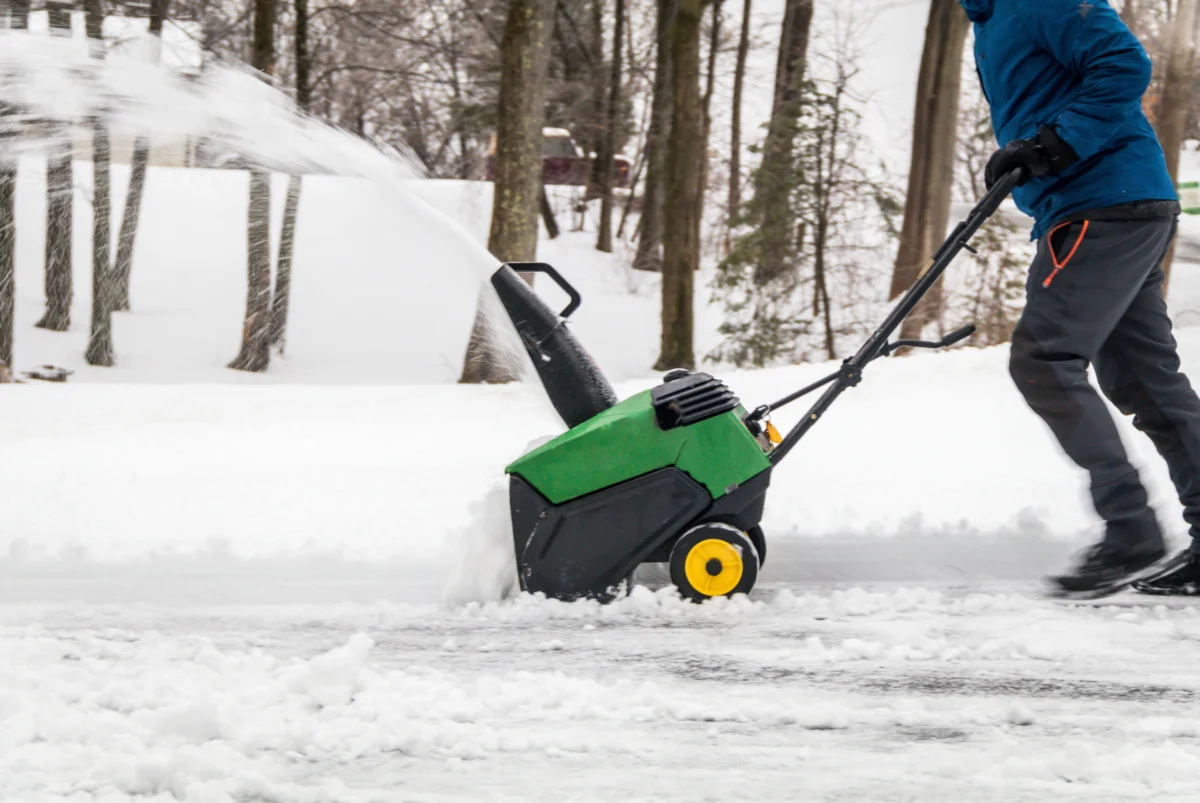
The primary distinction between these two classes of machinery lies in the number of internal stages used to process and expel snow. A snow thrower is technically defined as a "single-stage" machine. In this configuration, a high-speed horizontal auger—typically constructed of reinforced rubber or flexible plastic—performs two tasks simultaneously: it scoops snow from the ground and provides the centrifugal force necessary to launch it through the discharge chute. Because the auger must make direct contact with the surface to ensure a clean path, snow throwers are highly effective on smooth, paved surfaces but are limited by the physical resistance of the snow they encounter.
Conversely, a snow blower utilizes a multi-stage process, typically categorized into two-stage or three-stage models. In a two-stage snow blower, the heavy-duty serrated metal auger focuses exclusively on gathering snow and breaking up ice. Once the material is collected, it is fed into a high-speed impeller—a fan-like mechanism located behind the auger—which provides the mechanical thrust to "blow" the snow out of the chute. This division of labor allows the machine to handle much higher volumes of snow and launch it significantly further than single-stage counterparts. Three-stage models introduce a third component known as an "accelerator," which spins at ten times the speed of the augers to pulverize frozen chunks and compacted drifts before they reach the impeller, further increasing the speed of clearance.
A Chronology of Snow Removal Innovation
The evolution of consumer snow removal technology reflects broader shifts in industrial engineering and environmental policy. For decades following the introduction of the first motorized consumer snow units in the early 1950s, the market was dominated by gas-powered internal combustion engines. These machines provided the high torque necessary to manage heavy, wet snow, but they required significant maintenance, including oil changes, spark plug replacements, and the stabilization of fuel during the off-season.
By the early 2000s, the "single-stage" electric corded snow thrower gained popularity for urban dwellers with small walkways, though its mobility was severely restricted by power cables. The true paradigm shift occurred in the mid-2010s with the advancement of high-capacity lithium-ion battery technology. This allowed for the development of cordless electric snow throwers and blowers that could rival the clearing width and intake height of gas models without the associated noise, vibration, or exhaust emissions. As of 2024 and 2025, industry analysts note that cordless electric models have achieved parity with mid-range gas machines, leading to a surge in adoption among suburban homeowners seeking low-maintenance winter solutions.
Comparative Data and Operational Specifications
When evaluating the efficacy of these machines, several data points serve as benchmarks for performance.
Clearing Capacity and Dimensions
Snow throwers are generally designed for moderate environments. Most models offer a clearing width ranging from 18 to 21 inches and can manage snow depths between 6 and 12 inches. They are optimized for "nuisance" snowfalls—fluffy or light accumulations that do not exceed the height of the intake housing.
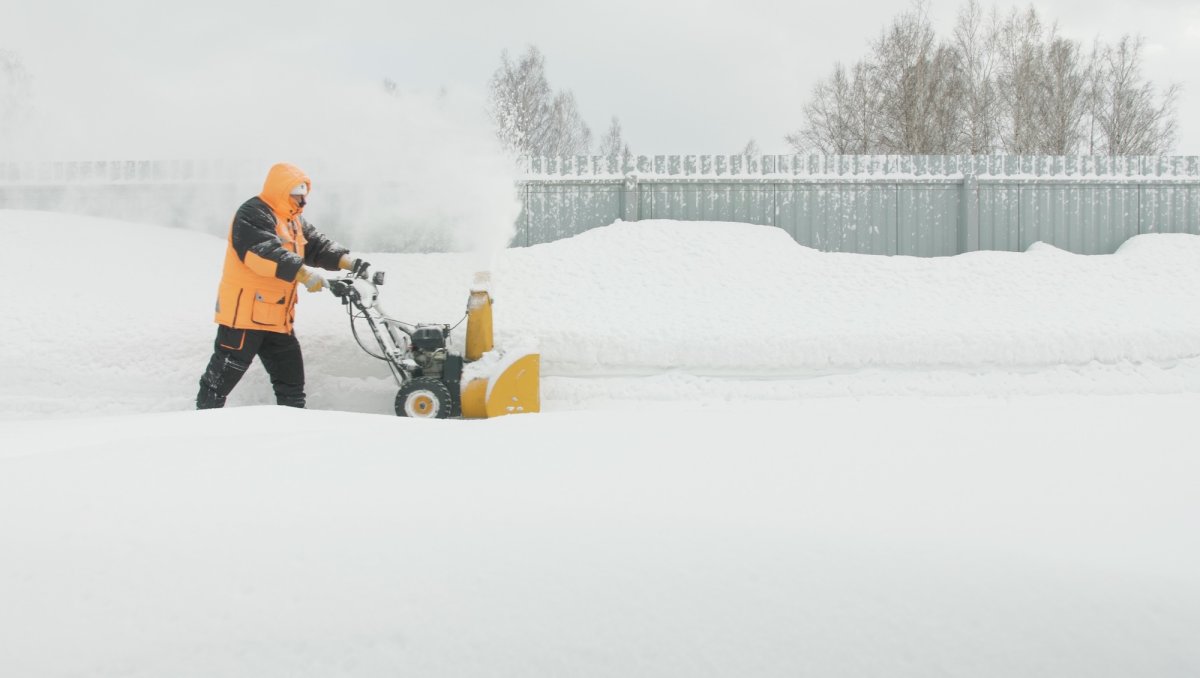
Snow blowers, by contrast, are built for heavy-duty applications. Standard two-stage models provide clearing widths of 24 to 30 inches, with some professional-grade units reaching 45 inches. Their intake height is significantly higher, often capable of processing drifts up to 24 inches deep. According to mechanical testing data, a two-stage snow blower can move up to 1,800 pounds of snow per minute, whereas a single-stage thrower typically maxes out at approximately 800 to 1,100 pounds.
Discharge Distance
The "throw" distance is a critical factor for properties with wide driveways. Because a snow thrower relies on the auger’s speed alone, its discharge distance is typically limited to 15 to 25 feet. A snow blower’s dedicated impeller system can propel snow 35 to 50 feet, with top-tier three-stage models reaching distances of 60 feet. This ensures that snow is moved far enough away from the cleared path to prevent "wind-rowing"—the accumulation of snow on the edges of the driveway that eventually collapses back into the cleared area.
The Surface Factor: Infrastructure and Safety Considerations
A critical, yet often overlooked, factor in the snow thrower versus snow blower debate is the composition of the surface being cleared. Because the auger of a single-stage snow thrower makes direct contact with the ground, it is strictly prohibited for use on gravel or crushed stone surfaces. On such terrain, a snow thrower will inevitably pick up stones and launch them through the discharge chute at high velocities, creating a significant safety hazard for the operator, bystanders, and nearby property, while simultaneously damaging the machine’s internal components.
Snow blowers are equipped with "skid shoes"—adjustable plates located on the sides of the auger housing. These shoes allow the operator to lift the auger an inch or more above the ground. This clearance enables the machine to process snow on gravel driveways or uneven terrain without disturbing the underlying substrate. While this leaves a thin layer of snow behind, it protects the integrity of the driveway and the machine. For homeowners with stamped concrete or delicate pavers, "non-marring" polymer skid shoes can be installed to prevent the metal housing from scratching the surface.
Economic Analysis and Market Trends
The financial commitment required for snow removal equipment varies based on mechanical complexity and power source. In the current market, single-stage snow throwers are positioned as the budget-friendly entry point, typically ranging from $400 to $900. These machines are lighter, often weighing between 30 and 60 pounds, making them easy to store in compact garages or sheds.
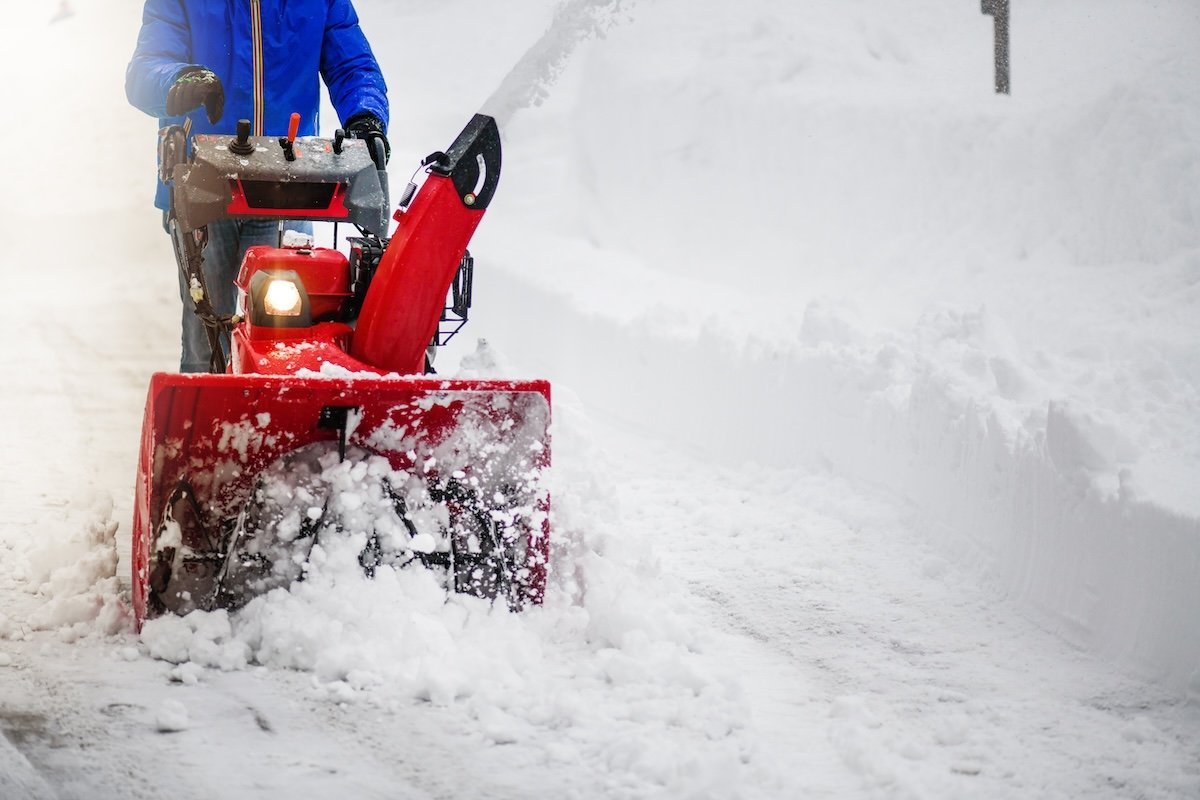
Multi-stage snow blowers represent a more significant capital investment, with prices ranging from $800 to over $2,500 for high-end battery-powered or professional gas models. These units are substantially heavier, often exceeding 200 pounds, but they are almost universally equipped with self-propelled drive systems and power steering to offset the weight.
Market reports from 2024 indicate a growing preference for "Whisper Series" or ultra-quiet electric models. These units address the social and municipal pressures regarding noise pollution in densely populated areas. Furthermore, the long-term cost of ownership for electric models is declining as battery life cycles improve, reducing the frequency of expensive replacement power cells.
Broader Implications for Municipal and Residential Safety
The choice of snow removal equipment has implications that extend beyond individual convenience. Effective snow management is a critical component of public safety and liability mitigation. In many jurisdictions, homeowners are legally required to clear public sidewalks adjacent to their property within a specific timeframe following a storm. The failure to do so can result in municipal fines or civil liability in the event of slip-and-fall accidents.
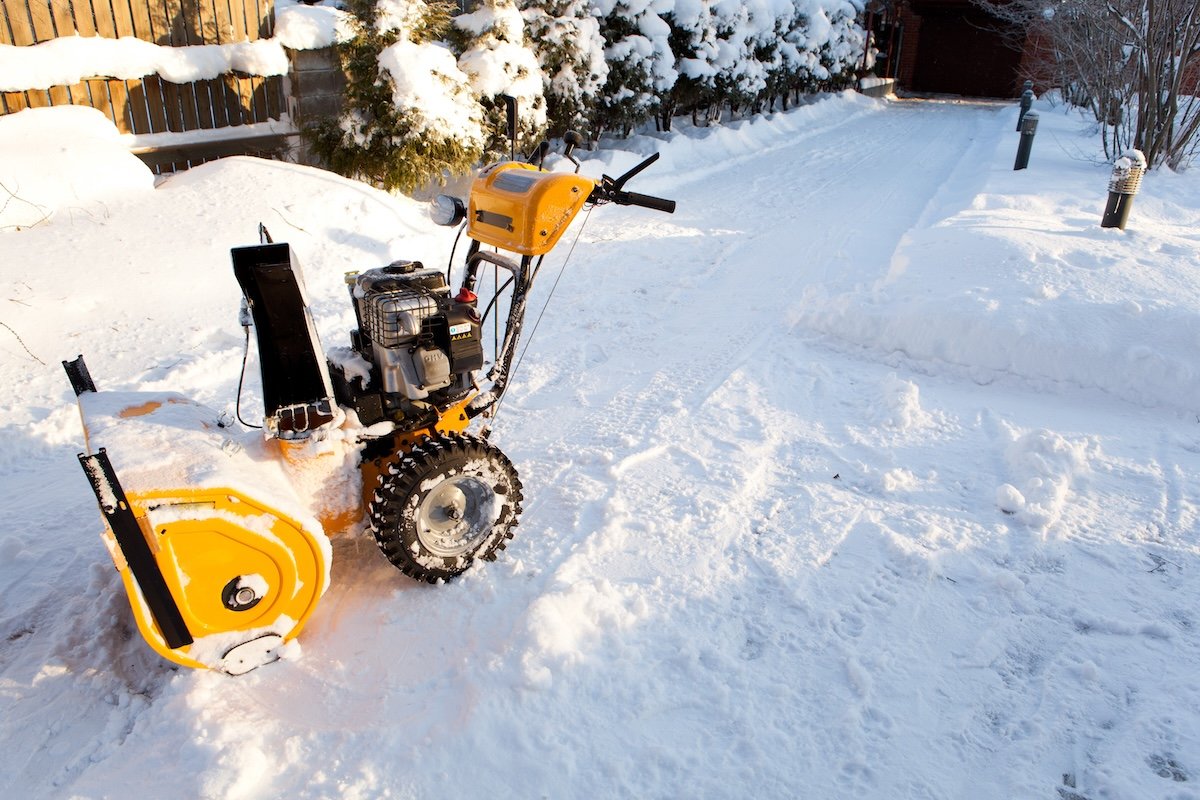
For elderly homeowners or those with cardiovascular concerns, the transition from manual shoveling to a self-propelled snow blower is often a medical recommendation. Data from the American Heart Association has long highlighted the correlation between heavy snow shoveling and increased risk of cardiac events due to the combination of cold air, which constricts blood vessels, and the high-intensity anaerobic exertion of lifting heavy snow. Mechanized equipment, particularly self-propelled blowers, drastically reduces the physical strain on the operator.
Final Decision Matrix for Homeowners
When selecting between a snow thrower and a snow blower, property owners should apply a four-point assessment:
- Snowfall Profile: Areas receiving frequent "lake effect" or heavy, wet snow exceeding 8 inches per storm require the torque of a two-stage snow blower. Regions with light, powdery accumulations under 6 inches are well-served by a snow thrower.
- Driveway Scale: A standard one-to-two car driveway can be efficiently managed with a thrower. Large, multi-car pads or long rural driveways necessitate the wider clearing path and self-propulsion of a blower.
- Terrain Composition: Paved asphalt or concrete is suitable for both. Gravel, dirt, or heavily cracked surfaces require a snow blower with adjustable skid shoes.
- Storage and Maneuverability: Those with limited storage space or physical strength may prefer the compact, lightweight profile of a snow thrower, provided it meets their snowfall needs.
As the 2025-2026 winter season approaches, the integration of smarter, more efficient snow removal technology continues to redefine residential maintenance. Whether opting for the nimble efficiency of a single-stage thrower or the industrial power of a three-stage blower, the goal remains the same: the safe, efficient, and reliable management of winter’s most challenging elements.