admin
The well-established framework of regionality is a familiar and cherished rubric in the world of Scotch whisky. For centuries, aficionados have categorized whiskies by their provenance and the distinct characteristics imparted by their geographical homes. An Islay malt, for instance, is almost synonymous with a heavily peated, maritime character, while a Lowland expression is typically anticipated to be light, grassy, and delicate. Speysiders, conversely, often delight with rich, fruit-forward notes, frequently enhanced by sherry cask maturation. This deeply ingrained regional classification in Scotland is not merely a marketing tool; it is a product of centuries of tradition, specific environmental factors, and time-honored distillation practices.
However, a parallel, albeit nascent, narrative is beginning to unfold across the vast and diverse landscape of the United States. American single malt, a category significantly younger than its Scottish counterpart, is rapidly gaining momentum and carving out its own identity. While it only achieved formal recognition in US federal regulations slated for implementation in 2025 – a pivotal moment that grants it a clear legal definition and distinction – the discussion of regional characteristics might seem premature to some. Yet, an examination of the burgeoning industry reveals that several areas of the country are already developing remarkably distinct and recognizable styles, driven by a confluence of unique factors.
The sheer scale of the United States, spanning over 9.8 million square kilometers, presents an unparalleled canvas for diverse whisky production. Its topography ranges from the soaring peaks of the Rocky Mountains to vast deserts, fertile plains, and coastal lowlands. Climates vary dramatically, from the humid subtropics of the Southeast to the arid conditions of the Southwest, the temperate zones of the Pacific Northwest, and the continental extremes of the Midwest. This vast environmental spectrum, combined with the innovative spirit of American distillers, creates a fertile ground for the emergence of unique whisky profiles.
Nora Ganley-Roper, head blender of Lost Lantern Whiskey, an independent bottler that pioneered the first American vatted malt, astutely observes, "Unlike with wine, it’s not just terroir. It’s a combination of factors – specific choices that are made by a number of distilleries in certain regions." This highlights a crucial distinction: while natural elements like climate and water certainly play a role, the deliberate decisions made by distillers regarding grain sourcing, malting, fermentation, distillation equipment, and maturation vessels are equally, if not more, influential in shaping the character of American single malt. This blend of environmental influence and human ingenuity is what is truly defining the nascent regionality.
The Historical Context and Regulatory Journey of American Single Malt
The concept of American single malt began quietly in the mid-1990s, far from the traditional whiskey heartlands. It wasn’t until the early 2000s that the category started to gain a discernible footprint, primarily fueled by craft distillers eager to explore beyond the established norms of bourbon and rye. For decades, American whiskey was predominantly defined by corn-based bourbon and rye, with strict regulations governing their production. Single malt, made exclusively from malted barley in a single distillery, offered a new frontier.
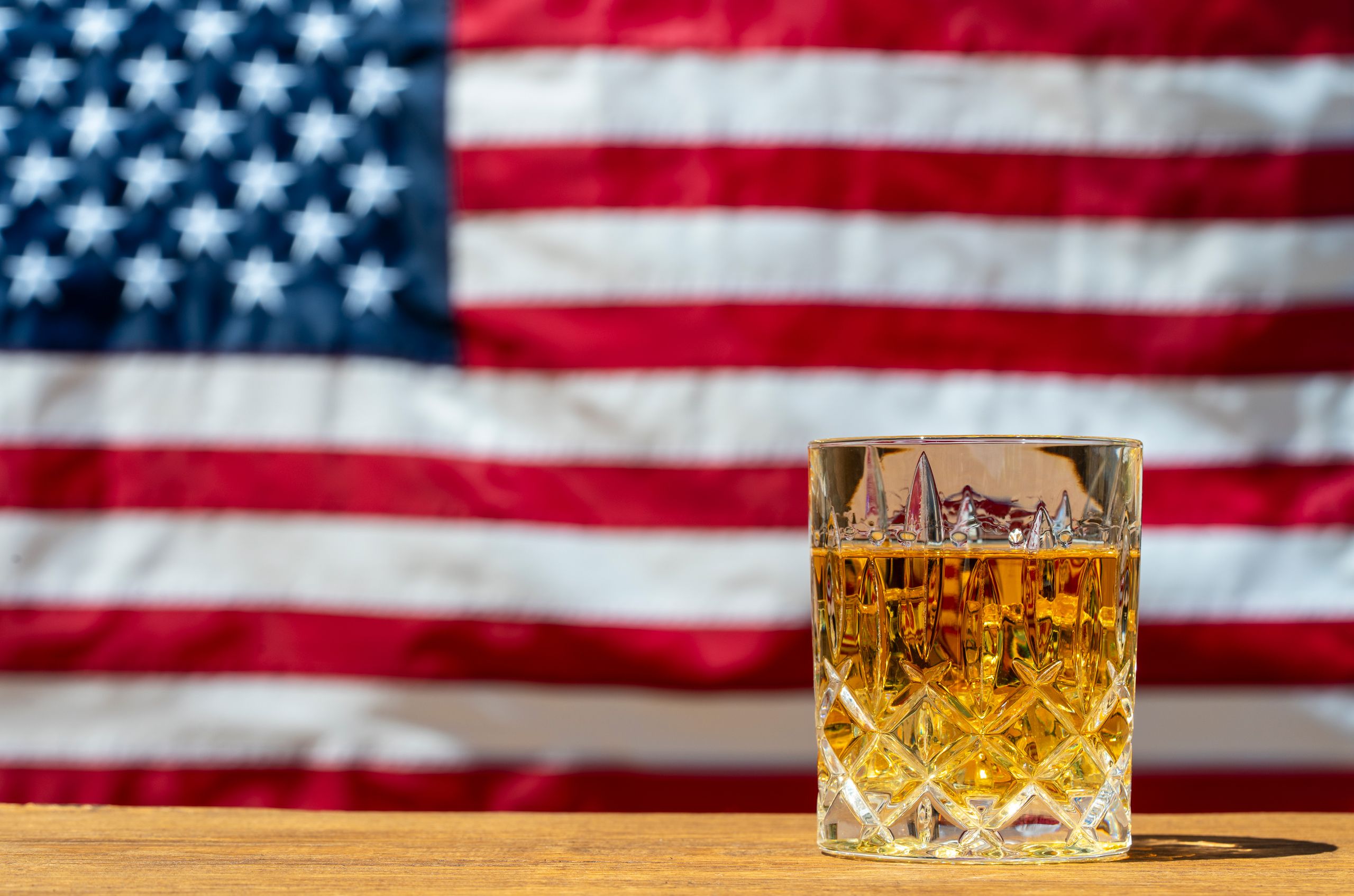
The journey towards official recognition has been a significant undertaking. Recognizing the need for a unified identity and quality standards, the American Single Malt Whiskey Commission (ASMWC) was formed in 2016. Comprising a coalition of distillers from across the nation, the ASMWC championed a clear definition for American single malt, advocating for standards that would ensure authenticity while allowing for innovation. Their proposed definition, largely adopted by the US Treasury’s Alcohol and Tobacco Tax and Trade Bureau (TTB), stipulates that American single malt must be:
- Made from 100% malted barley.
- Distilled at a single distillery.
- Mashed, distilled, and matured in the United States.
- Distilled to no more than 160 proof (80% ABV).
- Matured in oak barrels of not more than 700 liters.
- Bottled at a minimum of 80 proof (40% ABV).
The finalization of these regulations, set to take effect in 2025, marks a monumental achievement. It provides legal clarity, protects producers, and, crucially, educates consumers about what constitutes an authentic American single malt. This formal recognition is expected to accelerate the category’s growth, encourage further innovation, and solidify its place as a distinct and respected style on the global stage, allowing regional identities to flourish even more prominently.
Unveiling America’s Emerging Whisky Terroirs
Given the extensive geographical and climatic variations across the United States, the emergence of distinct regional profiles is a natural progression. While a definitive, legally enshrined regional classification system akin to Scotland’s may be decades away, the patterns are already evident.
The Pacific Northwest: A Brewing Heritage and Grain-Focused Innovation
The Pacific Northwest, encompassing states like Oregon and Washington, is widely recognized as the birthplace of American single malt. McCarthy’s, produced at Clear Creek Distillery in Oregon in the mid-1990s, is credited as the very first American single malt. The region’s robust craft brewing culture proved to be a powerful catalyst for this development. Many early single malt distillers emerged from the brewing scene, bringing with them a profound understanding and appreciation for malted barley.
Miles Munroe, founder of Grimoire Whiskey and blender for Westward Whiskey, both based in Portland, Oregon, emphasizes this connection: "That leads to more focus on barley cultivars and being particular about different malt houses with their available range of styles." He further notes that "most of the best barley grown in the US for beer and whiskey grows right here," pointing to the region’s agricultural advantages.
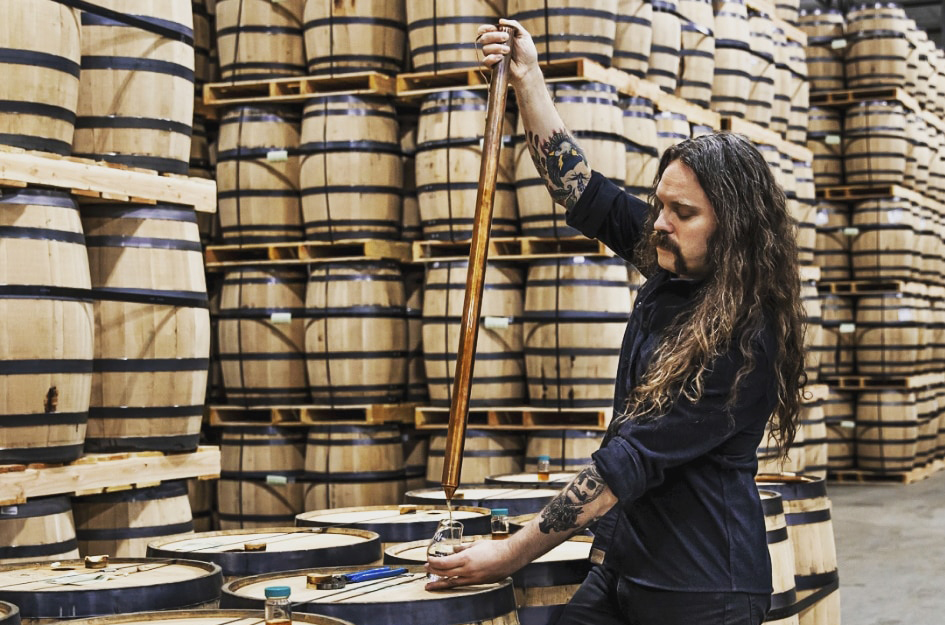
Distillers in the Pacific Northwest, including prominent names like Westland and Copperworks, often employ a brewing technique called lautering. This process, which separates the sweet liquid wort from the solid grain husks and malt before fermentation, is standard in brewing but uncommon in traditional American whiskey, where fermentation and distillation often occur "on the grain." This choice impacts the spirit’s texture and flavor profile, generally leading to a cleaner, more refined wort. Furthermore, these distilleries frequently collaborate with local farmers to cultivate heirloom and experimental barley varieties, which are then sent to regional malting houses. Another unique regional characteristic is the maturation in native Oregon white oak, also known as Garry oak (Quercus garryana), which imparts distinct flavor nuances different from the more commonly used American white oak (Quercus alba). The cumulative effect of these choices results in whiskies that are incredibly diverse in flavor yet profoundly reflective of the unique agricultural and cultural landscape of the Pacific Northwest.
The Desert Southwest: Intense Maturation and Mesquite Smoke
The American Southwest, stretching across Arizona, New Mexico, and parts of Texas, presents a dramatically different environment for whisky maturation. Characterized by extreme temperatures – scorching summers often exceeding 35°C (95°F) and winters that can drop below 0°C (32°F) in some areas – coupled with pervasive aridity, these conditions create a highly reactive environment for spirits in oak. The intense diurnal temperature swings and low humidity accelerate the interaction between the spirit and the wood, leading to rapid maturation and yielding intensely concentrated oak flavors even after relatively short aging periods. Whiskies from this region rarely exceed four or five years of age, yet they achieve a complexity often associated with older spirits.
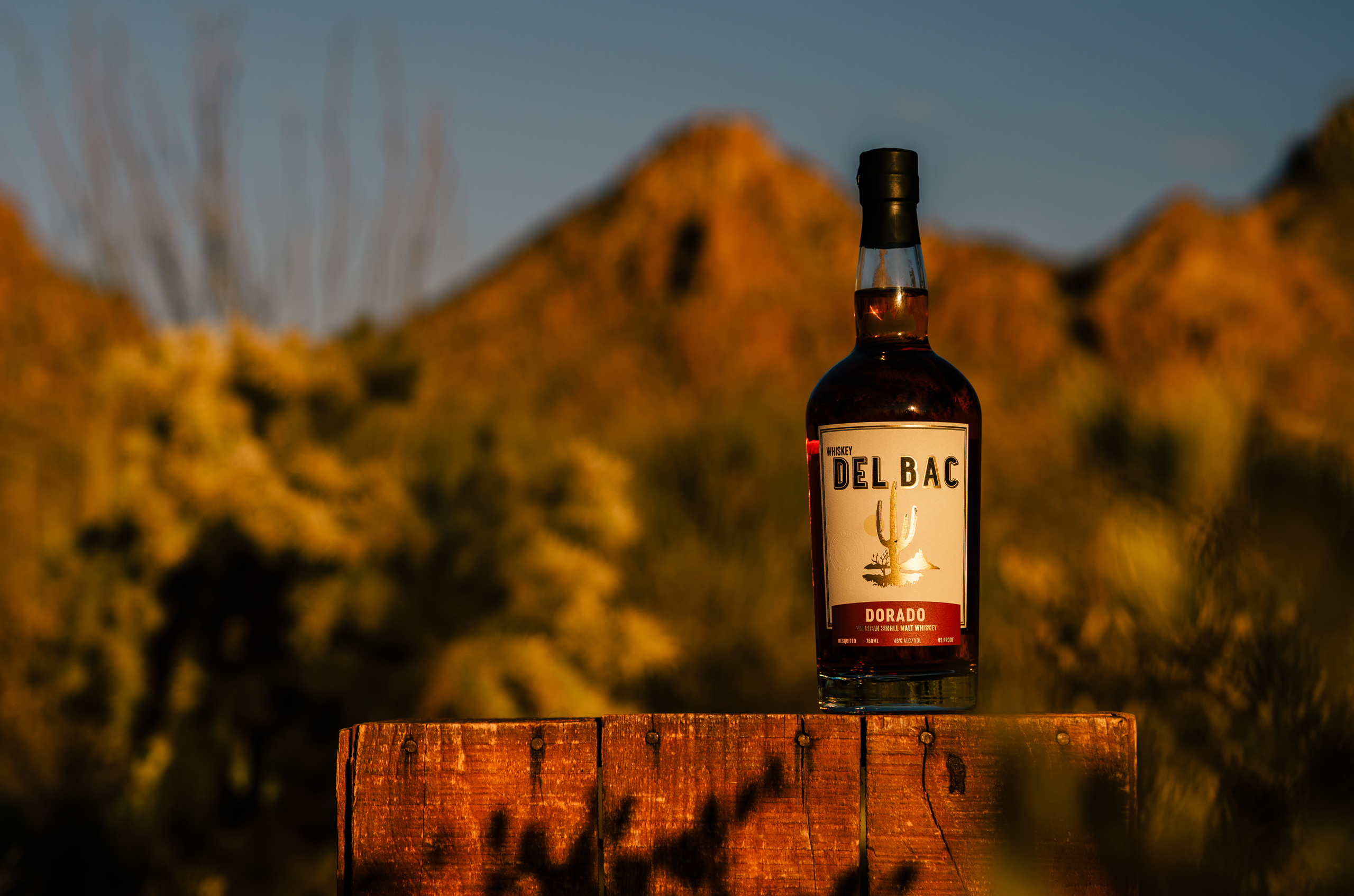
A signature flavor element of the Desert Southwest is the innovative use of mesquite-smoked malt. This practice was pioneered in 2011 by Whiskey Del Bac in Tucson, Arizona, whose founder, Stephen Paul, custom-built a malting machine to control the mesquite-smoking process in-house. This distinctive smoke, unlike the phenolic character of peat, imparts a savory, barbecue-like, and earthy sweetness to the malt. The commercial availability of mesquite-smoked malt has since spread this practice to distilleries like Santa Fe Spirits in New Mexico and Andalusia Whiskey Co in Texas. Distilleries such as Balcones, also in Texas, further experiment with other local woods like apple and oak for smoking, layering complex flavors that evoke a quintessential barbecue character in their powerful, punchy malts. This unique combination of rapid, intense oak extraction and distinctive smoke profiles defines the region’s single malts.
The Whiskey Heartland: Adapting Tradition for Single Malt
America’s traditional whiskey heartland, primarily Kentucky and Tennessee, has long been the domain of bourbon and rye. However, even within these hallowed grounds, American single malt is establishing a foothold, often adapting the established templates of its elder siblings. Distilleries here tend to maintain practices common to bourbon production, such as grain-on fermentation (where the solids remain with the liquid during fermentation) and distillation in efficient column stills. Maturation almost universally begins in new charred oak barrels, a defining characteristic of bourbon, though this is often followed by a finishing period in various other cask types to add complexity.
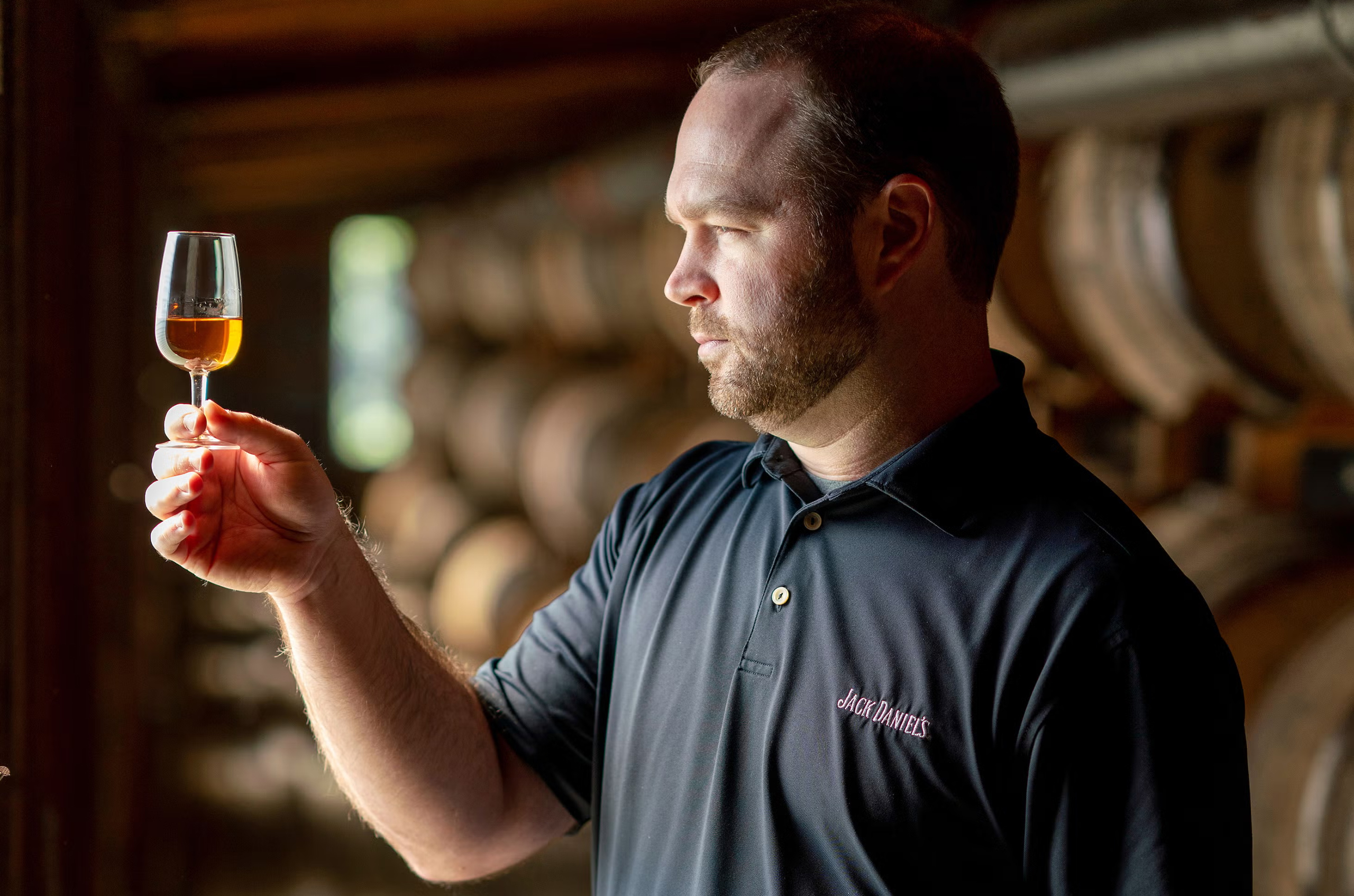
For iconic distilleries like Jack Daniel’s, entering the single malt category meant integrating their historical identity. Master Distiller Chris Fletcher explains their approach: "That was a really important element for us. We needed to produce something that felt uniquely Jack." For their single malt, this included the signature charcoal mellowing process (the Lincoln County Process) used for Tennessee whiskey. Fletcher elaborates, "Ultimately, we felt sending our single malt through 10 full feet of charcoal, just like our Tennessee whiskey, helped amplify its sweet character and soften some of its earthy notes." Beyond Jack Daniel’s, other bourbon giants like Bulleit and the James B. Beam Distilling Co., with their Clermont Steep brand, have also embraced single malt, showcasing how traditional American whiskey techniques can be adapted to this evolving category. The resulting whiskies often present a richer, sweeter, and more robust oak influence, a testament to the new charred oak maturation, while still exhibiting the underlying malt character.
The Rocky Mountains: High-Altitude Maturation and Pristine Water
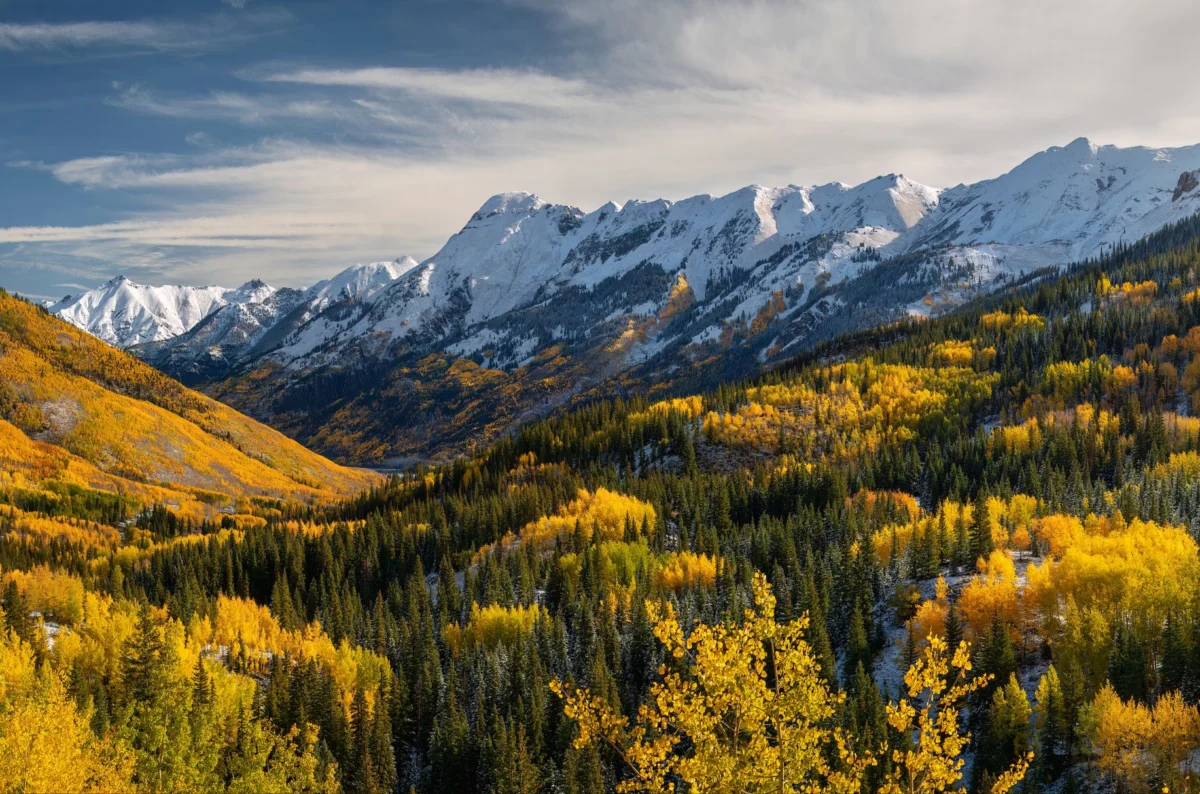
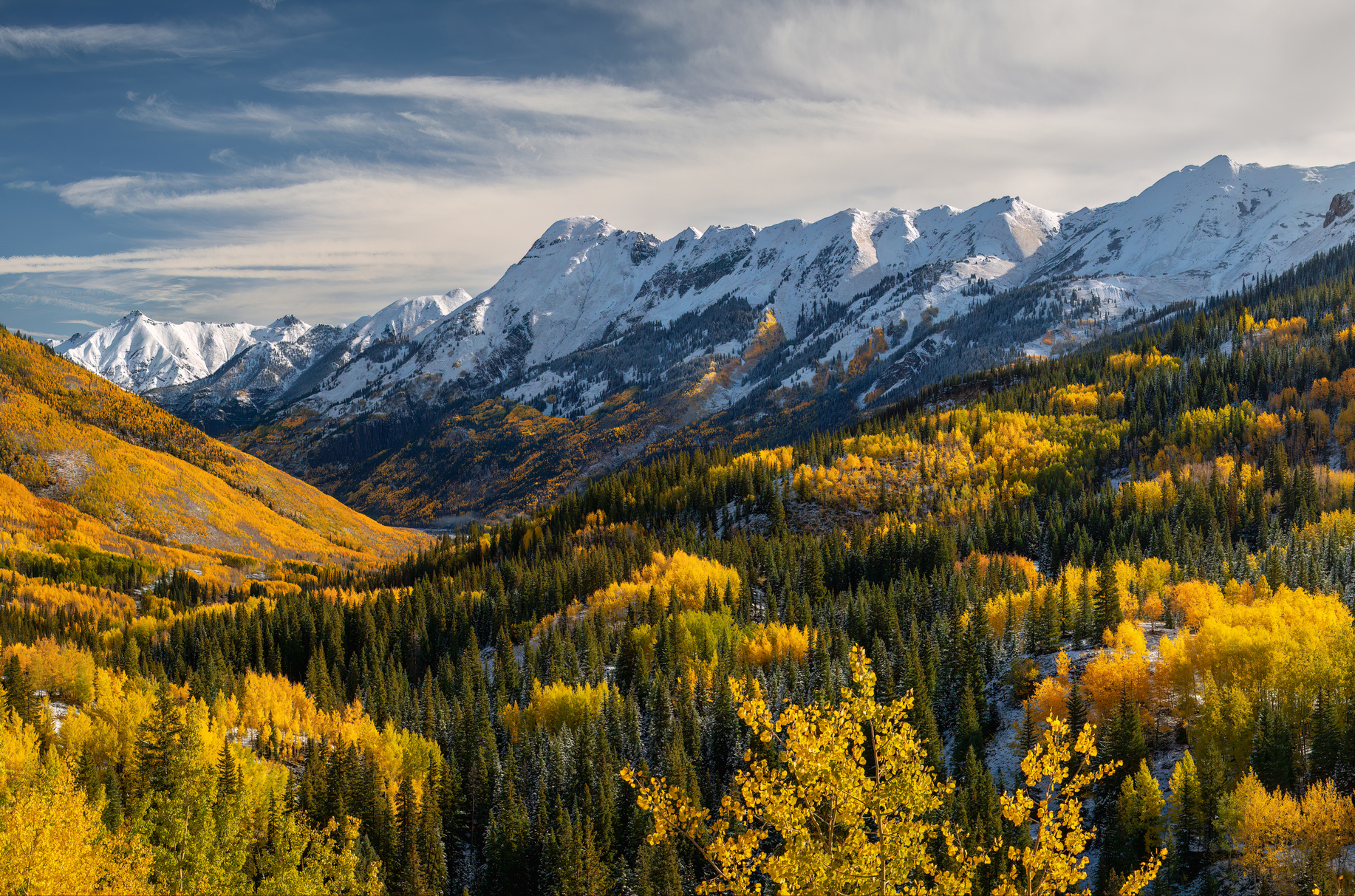
The majestic Rocky Mountains, with elevations averaging between 1,800 and 4,400 meters (6,000 to 14,500 feet), offer a distinctive environment that profoundly influences whisky maturation. Nora Ganley-Roper aptly describes this as the "high altitude" style. She explains, "Because at altitude water evaporates so much more quickly, you get a density of flavour without it being dominated by oak." The lower atmospheric pressure and often larger diurnal temperature swings at higher elevations lead to different evaporation rates and wood interaction dynamics, concentrating flavors and spirits in a unique way.
Distilleries such as Stranahan’s, Laws Whiskey House, and Boulder Spirits, all situated in Colorado, exemplify this characteristic flavor density. This intensity is often amplified by maturation in new charred oak barrels. Many of these producers also leverage locally grown and malted barley, a readily available commodity thanks to the region’s long-standing and thriving craft beer industry. Furthermore, the pristine water source – pure Rocky Mountain snowmelt – adds another layer of regional authenticity and purity to their spirits. The combination of high-altitude maturation, local grains, and pure water contributes to whiskies that are often vibrant, robust, and full-bodied, with a noticeable intensity of character.
Emerging Regions and Future Prospects
Beyond these more established emerging regions, other areas across the United States are beginning to show promise for developing their own distinct single malt styles.
- The East Coast Maritime Climate: The Atlantic seaboard, with its humid, hot summers and cold, often snowy winters, presents a unique maturation climate. Distilleries like Triple Eight Distillery on Nantucket are producing single malts influenced by these coastal conditions, potentially leading to whiskies with a briny, subtly maritime character, echoing some coastal Scotch profiles but with an American twist.
- Mountain Regions: Further inland, the Appalachian mountain range in the Southeast and remote areas of New England share some climatic similarities, suggesting the possibility of localized styles emerging as more distilleries take root. These areas might yield whiskies influenced by their specific microclimates and local wood resources.
- The Great Plains and Midwest: As agricultural powerhouses, these regions are ripe for farmer-driven expressions of single malt. Distilleries like Cedar Ridge Distillery in Iowa are already showcasing the potential of locally grown barley, allowing the grain itself to become a more prominent voice in the whisky’s character. The vast grain belt offers unparalleled opportunities for experimentation with different barley varieties and localized malting techniques.
- American Peat: While still in nascent trials and mostly limited to the Pacific Northwest, the exploration of indigenous American peat for malting offers tantalizing possibilities. Should this become a more widespread practice, it could introduce entirely new, distinct smoky profiles to the American single malt landscape, further diversifying the category.
Industry Perspectives and Broader Implications
The emergence of regionality in American single malt has profound implications for both producers and consumers. For producers, it offers a powerful narrative and a competitive edge, allowing them to differentiate their products based on a sense of place and unique production philosophies. This fosters innovation and encourages a deeper connection with local agriculture and resources. For consumers, it provides a richer, more nuanced understanding of the category, allowing them to explore a diverse spectrum of flavors and styles. Much like Scotch, where regional preferences guide purchasing decisions, American single malt will increasingly offer distinct profiles for every palate.
The formalization of American single malt regulations in 2025 is not just a bureaucratic milestone; it’s a declaration of intent on the global stage. It positions American single malt as a serious contender alongside established categories like Scotch, Irish, and Japanese whiskies. As the industry matures, the regional distinctions will become even more pronounced and celebrated, adding an exciting new dimension to the world of fine spirits. This evolution promises a future where American single malt is not just recognized for its quality, but for its diverse expressions of American ingenuity, geography, and taste.
Six Regional American Single Malts to Try
As the American single malt landscape continues to define itself, these six expressions offer a compelling taste of the distinct regional characteristics emerging across the country. Each bottle tells a story of its origin, from the grains grown to the climate of its maturation.
Andalusia Stryker (Texas)
- Region: Desert Southwest
- Tasting Notes: Everything truly is bigger in Texas, and this single malt embodies that spirit. Smoked with a unique blend of oak, mesquite, and apple wood, it bursts from the glass with an aroma reminiscent of perfectly cooked brisket just off the coals. The palate is a delightful balance of sweet and smoky intensity, with a mouth-filling richness that is expertly restrained by a freshening herbal character on the finish.
- Alcohol: 50% ABV
Boulder Bottled-in-Bond American Single Malt (Colorado)
- Region: Rocky Mountains
- Tasting Notes: This expression exemplifies the impact of high-altitude maturation, showcasing bold notes of stone fruit and rich cacao. Integrated spice weaves throughout the nose and onto a richly textured palate, creating a complex and satisfying experience. Produced in accordance with Bottled-in-Bond rules, it guarantees distillation in a single season and at least four years of aging, reflecting a commitment to quality and transparency.
- Alcohol: 50% ABV
Jack Daniel’s Oloroso Sherry Cask Single Malt (Tennessee)
- Region: Whiskey Heartland
- Tasting Notes: A testament to adapting traditional American whiskey methods, this single malt is charcoal mellowed before maturation. The Oloroso Sherry cask finishing imparts jammy berries, dark chocolate, and leather notes, complemented by hints of coffee bean and earthy oak. These richer elements lend gravitas to the underlying malt’s dry spice and lighter, grain-driven body, resulting in a straightforward yet deeply flavorful pour, much like its Tennessee whiskey sibling.
- Alcohol: 45% ABV
Westland Flagship American Single Malt (Washington)
- Region: Pacific Northwest
- Tasting Notes: A hallmark of the Pacific Northwest style, this flagship offering opens with inviting aromas of sea salt, shortbread, and a touch of lightly smoked malt. The palate evolves into a symphony of toasted oak, salted caramel, and the comforting sweetness of pecan-and-chocolate-chip cookies. Crafted with a selection of specialty malts and matured in a variety of casks, including Oloroso sherry and American oak, it achieves a pleasing balance that encourages repeat pours.
- Alcohol: 46% ABV
Westward Whiskey Milestone (Oregon)
- Region: Pacific Northwest
- Tasting Notes: While each annual release of Westward Milestone is deliberately unique, the distillery’s distinctive house character consistently shines through. Expect rich tropical fruit notes drizzled with marzipan, all undergirded by an earthy barrel char and a ripple of engaging spice. This blend, often a masterwork from Miles Munroe, showcases the distillery’s remarkable range and dedication to the craft, reflecting the innovative spirit of Oregon.
- Alcohol: 43% ABV
Whiskey Del Bac Dorado Single Malt (Arizona)
- Region: Desert Southwest
- Tasting Notes: Distillery founder Stephen Paul successfully endeavored to create a whiskey that captures the essence of a Sonoran desert night, and the mesquite-smoked Dorado nails it. The nose is redolent of a gently crackling campfire, leading to a palate that sings with zippy black pepper and chillies, succulent grilled stone fruit, and fragrant sage. It’s a truly unique and evocative experience, showcasing the power of regional innovation.
- Alcohol: 46% ABV