admin
In the far western reaches of West Virginia, a landscape of rolling hills and sprawling farmland, much of it now fallow, defines the community of Sandyville. Here, from the unassuming basement of the Sandyville United Methodist Church, Marvin and Robin Miller operate a vital food pantry. The small brick building, crowned by a simple cross, stands atop a hill, a beacon of community support in a region increasingly battling food insecurity. Their decades of service illuminate a deepening crisis: more of their neighbors, lifelong residents like themselves, are struggling to put food on the table. This localized struggle reflects a broader, systemic challenge across rural America, exacerbated by federal policy changes, economic pressures, and a perceived disconnect between Washington D.C. and the realities on the ground.
The Front Lines of Hunger in Sandyville
Marvin and Robin Miller have called Sandyville home their entire lives. Since establishing the food pantry in 1993, they have witnessed a profound shift in the community’s needs. What began as an initiative to support a handful of families has grown into an essential service, though capacity remains a critical limitation, with the pantry currently serving approximately 45 families. The Millers report a confluence of factors driving this escalating demand: persistent increases in food prices, which have outpaced wage growth for many, and a growing inconsistency in access to federal food assistance programs.
The challenges became acutely visible during the federal government’s longest shutdown in history, which spanned 35 days from December 22, 2018, to January 25, 2019. During this period, the U.S. Department of Agriculture (USDA) unprecedentedly delayed Supplemental Nutrition Assistance Program (SNAP) benefits. The ripple effect was immediate and severe in Sandyville, where the number of families seeking aid from the Millers’ pantry doubled overnight. Marvin Miller, a self-described "moderate, down-the-middle guy," expressed profound frustration, stating, "The fact that we have to call our politicians’ attention to a crisis that [they] have helped manufacture, I have an issue with that." In response to this surge in demand, Marvin appealed to local lawmakers, securing a modest $1,000 allocation for the pantry, a testament to local initiative in the face of federal instability.
Federal Policy Shifts and Their Ripple Effects
The experiences of communities like Sandyville are not isolated incidents but rather symptoms of broader policy shifts emanating from Washington. Civil Eats undertook a reporting project in West Virginia in September 2024 to understand the tangible impact of these changing food policies on rural communities, particularly as midterm elections approached. The state, grappling with high rates of food insecurity and chronic disease, has been an early adopter of certain "Make America Healthy Again" (MAHA) ideas and policies, which include measures like advocating for the removal of artificial food dyes and imposing restrictions on soda purchases through SNAP benefits.
Since the previous election cycle, federal policy changes have significantly altered the landscape of food assistance and agricultural support. The 2018 Farm Bill, for instance, introduced changes to SNAP work requirements and eligibility, aiming to reduce caseloads but inadvertently creating new barriers for vulnerable populations, particularly those in rural areas with limited transportation and employment opportunities. According to the USDA’s Economic Research Service, West Virginia consistently ranks among the states with the highest rates of food insecurity, with an average of 14.5% of households experiencing food insecurity between 2018 and 2020, significantly higher than the national average of 10.5%. For children, the rates are even more alarming, often exceeding 20% in some counties.
Beyond SNAP, other federal programs critical to local food systems have faced reductions or outright cancellation. Tim Cooper, a farmer in Points, West Virginia, highlighted the devastating impact of the USDA’s decision to cancel funding for programs that facilitated small farms in supplying fresh produce to food banks. One such critical initiative was the Local Food Purchase Assistance Cooperative Agreement Program (LFPA), which had provided states with funds to purchase food from local and regional farmers and distribute it to underserved communities. "They cut all those programs, and we had a half-a-million dollar crop and nowhere to go with it, and then the government shut down," Cooper recounted, expressing the double blow farmers faced. This decision, justified by the USDA as a recalibration of pandemic-era programs no longer deemed essential, created a significant void for both farmers seeking markets and food banks struggling to meet demand. The cancellation of LFPA funding, which had been instrumental in building more resilient regional food systems, left many small and mid-sized farms without crucial revenue streams and food banks without reliable sources of fresh, local produce.
The Farmer’s Dilemma: Rising Costs and Lost Markets
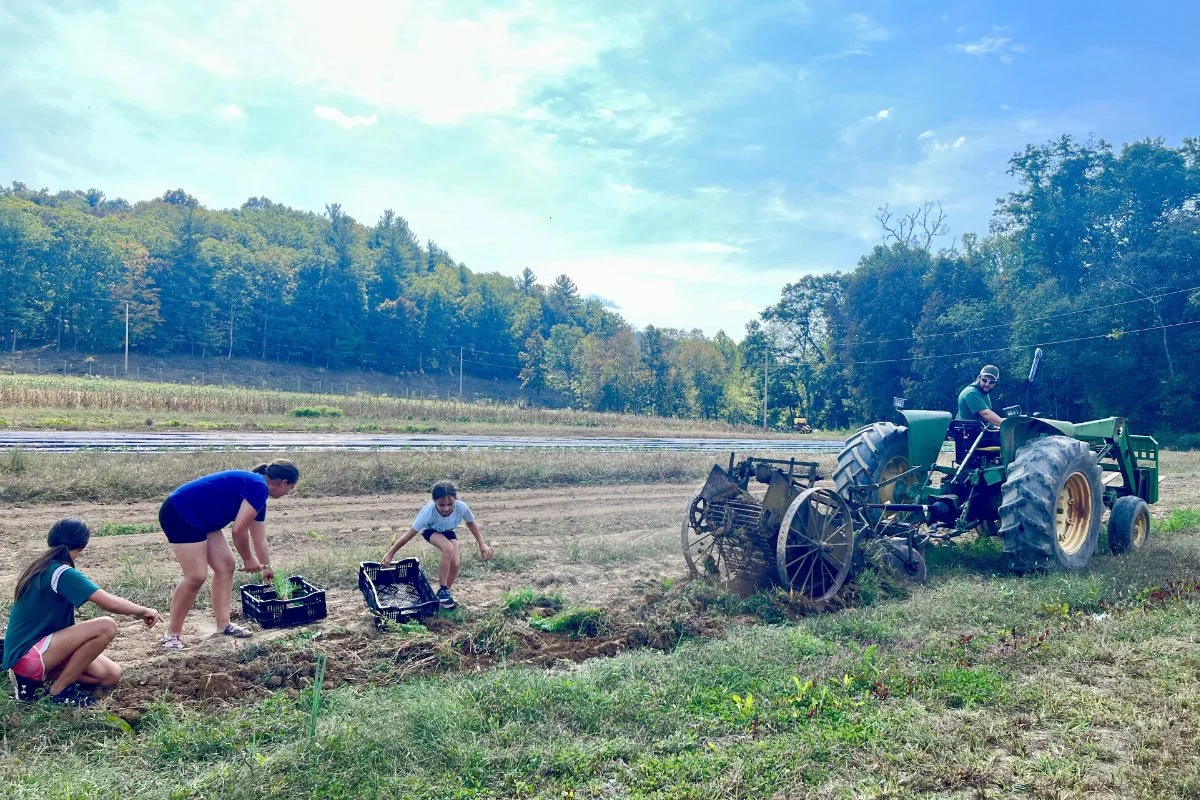
Farmers like Tim and Rebecca Cooper at Cooper Farms have found themselves caught in a precarious economic squeeze. Over the past two years, they have not only been dedicated to feeding their food-insecure neighbors but also navigating their own financial crises. Input costs for agriculture have soared; the price of diesel, essential for farm machinery, and fertilizers, crucial for crop yield, have seen significant increases. The USDA’s Agricultural Prices Index reported a substantial rise in input costs, placing immense pressure on farm profitability.
The cuts to local food programs compounded these challenges. Tim Cooper lamented, "When they cut all that funding for LFPA, I heard that the programs weren’t necessary and they were pre-pandemic programs. But hunger didn’t start with COVID, and it surely didn’t fix it. We’re here to feed people, and that’s just where I stand on it. I don’t think it should be a political issue. I think it should be the most bipartisan subject across the board." This statement underscores a widely held sentiment among those working in food systems: the fundamental need for food should transcend political divides. The Coopers, with the assistance of community partners like Nathan Bergdoll from the state Department of Agriculture, have been compelled to seek alternative outlets for their produce, adapting to a landscape where federal support for local food initiatives has receded.
West Virginia’s Unique Challenges: Food, Water, and Health Disparities
West Virginia faces a constellation of interconnected challenges that amplify food insecurity. The state consistently ranks high in rates of chronic diseases such as diabetes and heart disease, conditions often linked to poor nutrition. While MAHA priorities, such as efforts to remove artificial food dyes from processed foods, gain traction in some policy circles, they often feel distant from the immediate, pressing concerns of residents. In southern parts of the state, for instance, the lack of safe drinking water remains a critical public health crisis, overshadowing dietary debates.
Furthermore, policies like bans on soda purchases through SNAP, while intended to promote healthier eating, often clash with the realities of food access in rural "food deserts." In many towns, the only accessible retail options are Dollar General or Family Dollar stores, which typically stock limited or no fresh produce and meats. Upcoming changes to SNAP rules for retailers, which could require stores to stock a wider variety of fresh foods to accept SNAP benefits, threaten to further disenfranchise these communities by potentially removing SNAP access from the very stores that are their only local options.
Aly Nazarok, a housing counselor at Telamon Corporation in Martinsburg, West Virginia, works with low-income veterans. She vividly describes the daily struggles of her clients, who must meticulously budget as food prices climb and SNAP benefits shrink due to stricter work requirements and other policy changes. For many, a lack of reliable transportation is a significant barrier to meeting work requirements, leading to a loss of benefits. Even for those who retain their benefits, the challenge of transitioning off SNAP while simultaneously affording groceries, housing, and healthcare, even with a decent job, remains formidable. Nazarok reports that local food pantries, which she frequently recommends to clients, have been struggling to restock their shelves since the government shutdown. "We still haven’t fully recovered from that," she noted, underscoring the enduring impact of a seemingly resolved political crisis.
The Disconnect: Washington D.C. vs. Main Street
A recurring theme throughout Civil Eats’ reporting project was the profound sense of disconnect between residents and the food policy conversations happening in Washington D.C. Farmers, veterans, retirees, social workers, and pastors across West Virginia, regardless of their political leanings, expressed a shared sentiment: federal policy often feels detached from their lived experiences. They rarely engaged in discussions about political parties or individual elected officials, instead focusing on three critical issues facing the state’s food system: persistent challenges to access healthy food and clean water, the struggles faced by small farms, and a growing tendency for communities to turn inward for solutions.
The 2018-2019 government shutdown serves as a poignant example of this disconnect. While the crisis eventually faded from national headlines, its ripple effects on food security and local economies lingered for months, if not years, in rural communities. Federal decisions to cut funding for programs like LFPA, designed to bolster regional food systems and provide fresh food to underserved populations, were met with frustration and bewilderment by those on the ground who saw the immediate, positive impact of such initiatives. The rationale that these were "pre-pandemic" programs no longer necessary failed to acknowledge that underlying issues of hunger and agricultural vulnerability existed long before COVID-19 and were not resolved by the pandemic’s end.
Community-Driven Solutions and Resilience
In the face of these systemic challenges and perceived federal indifference, West Virginia communities are increasingly demonstrating remarkable resilience and self-reliance. Residents are figuring out how to feed each other, even if it’s not how they believe the system should operate.
Nathan Bergdoll, a planning coordinator for the state Department of Agriculture, exemplifies this shift towards local solutions. Recognizing the limitations of relying solely on federal and state leadership, Bergdoll is actively working to foster collaboration among farms in West Virginia’s eastern panhandle. His goal is to forge direct connections between local producers and businesses and communities in need of fresh, nutritious foods, bypassing traditional, often unreliable, supply chains. "We stick to our own and we help each other and we build circles around us with markets," Bergdoll explained, articulating a philosophy of localized self-sufficiency.
One such initiative born from this ethos is the new Magnolia Market, held every Friday 20 miles north of Cooper Farms in Paw Paw. This market was established by Community Markets Inc. (CMI), a non-profit organization dedicated to linking families in rural West Virginia with locally grown foods. Mark Peiffer, operations manager at Community Markets, encapsulates the spirit of these grassroots efforts: "There’s a place for state and federal government, but I think it’s the communities that decide we’re going to take care of each other. We’re going to feed each other." These community-led initiatives, while inspiring, also highlight a critical gap: the necessity for local volunteers and organizations to step in where federal programs have receded or proven insufficient.
Looking Ahead: Sustaining Local Efforts Amidst Lingering Challenges
The ongoing narrative in West Virginia’s rural communities is one of persistent struggle against systemic forces, yet also one of remarkable adaptability and mutual aid. While the Millers, the Coopers, Aly Nazarok, and countless others continue their vital work, the broader implications of federal policy shifts remain significant. The erosion of federal support for food assistance and local agriculture not only exacerbates immediate hunger but also undermines the long-term health and economic vitality of rural areas.
The experiences of West Virginians underscore a critical need for policy frameworks that are responsive to local realities, consistently funded, and genuinely bipartisan in their approach to food security. As midterm elections loom, the voices from Sandyville, Points, Martinsburg, and countless other small towns serve as a powerful reminder that the true impact of policy is measured not in legislative victories or budget lines, but in the ability of families to put food on their tables and the resilience of communities to care for their own. Without a renewed commitment from federal agencies and elected officials to address these foundational needs, the burden will continue to fall disproportionately on the shoulders of dedicated individuals and local organizations, who, against increasing odds, strive to ensure that no neighbor goes hungry.