admin
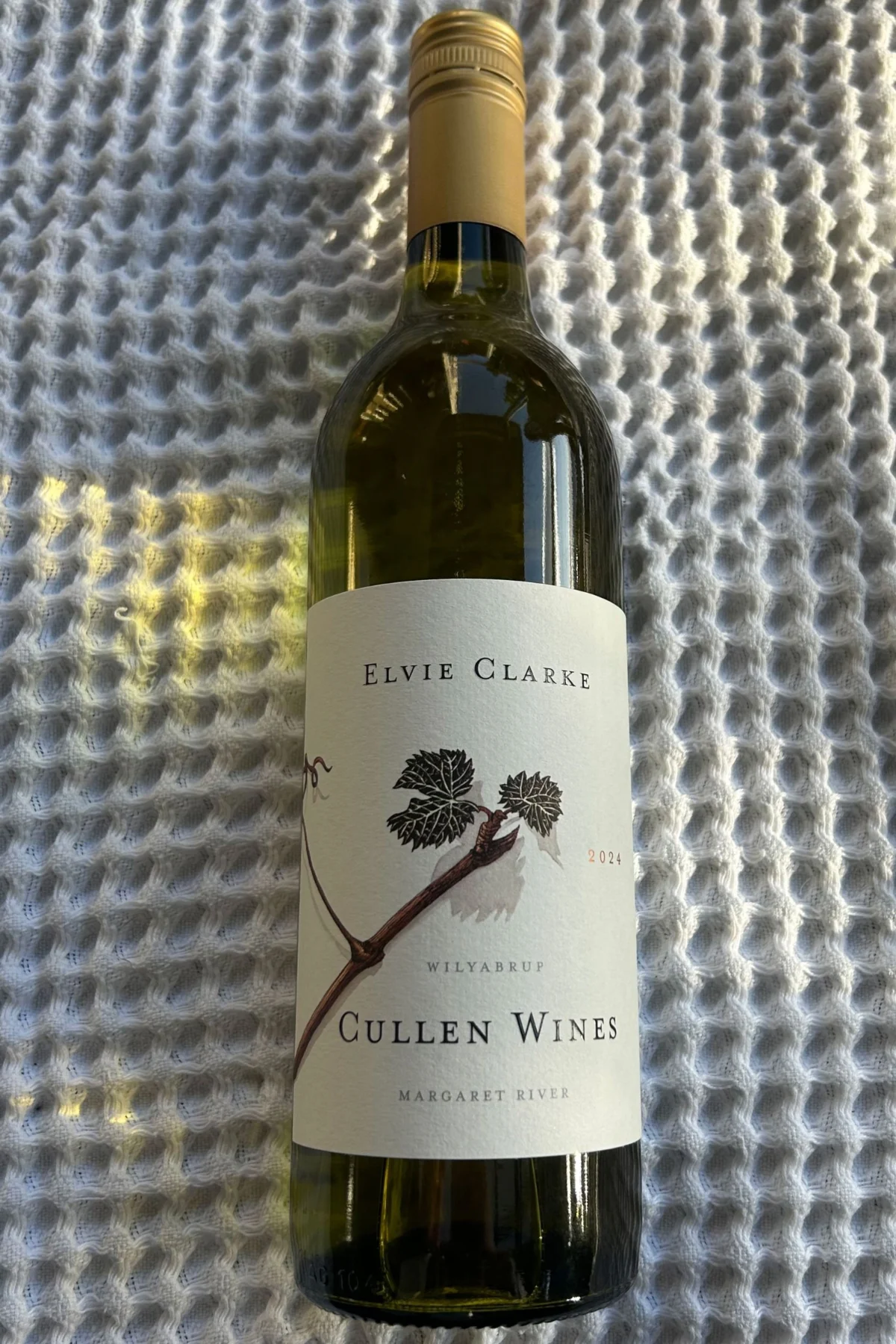
Taela, a 23-year-old resident of Fremantle, Western Australia, and a prominent figure in the local craft beverage scene, has successfully navigated Decanter’s inaugural Gen Z Wine Challenge, providing a fresh perspective on premium Australian wines. Currently serving as a bartender at Little Creatures brewery, where she guides patrons through onsite brews and tasting experiences, and occasionally mixing cocktails at The Loft, Taela embarked on this challenge to deepen her understanding of wine, moving beyond her established preference for crisp, zesty, fruity whites like New Zealand Sauvignon Blanc. Her journey led her to a highly-regarded Semillon-Sauvignon Blanc blend from Margaret River’s biodynamic pioneer, Cullen Wines, marking a significant step in the ongoing industry effort to engage a new generation of wine enthusiasts.
The Gen Z Wine Challenge: Bridging Generational Divides in the Wine Industry
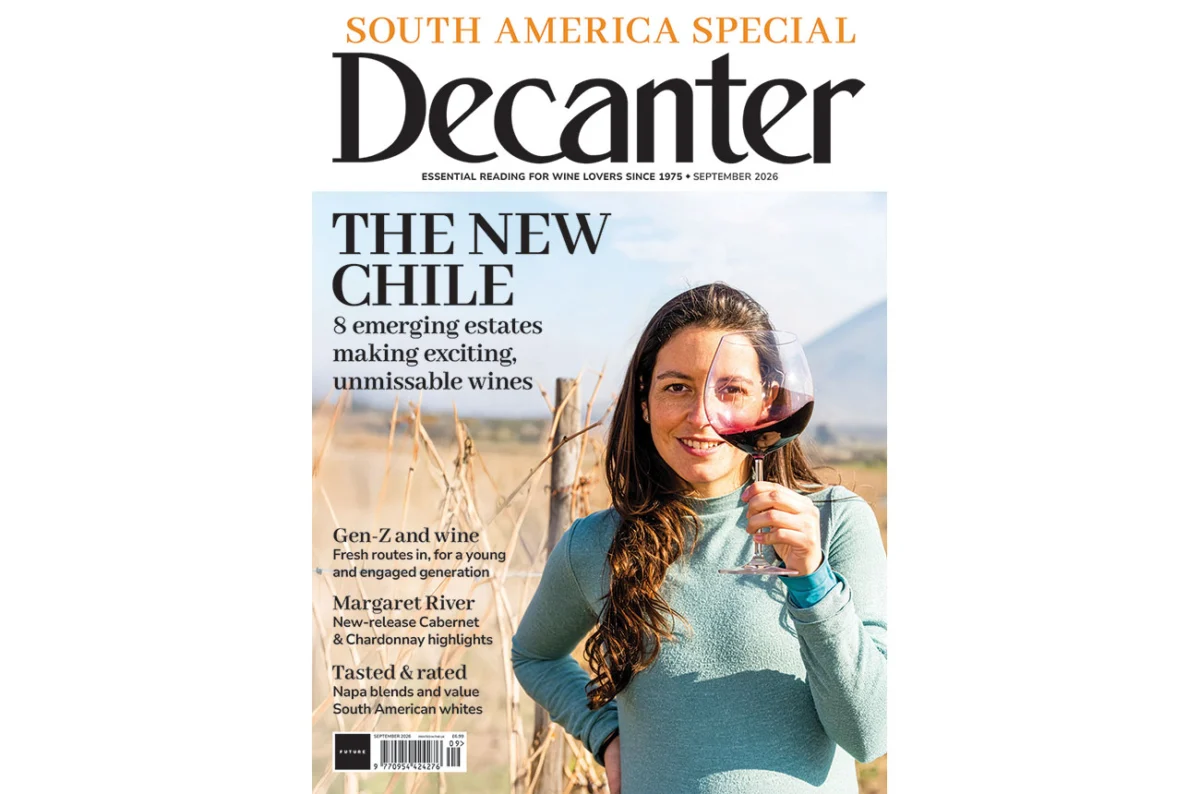
Decanter, a leading international wine publication, launched its Gen Z Wine Challenge as a strategic initiative to bridge the widening gap between the traditional wine industry and younger consumers. This challenge invites individuals aged 18 to 29 to explore and review wines, fostering a more inclusive and accessible dialogue around wine appreciation. The global wine market has observed a discernible shift in consumption patterns among Gen Z, often characterized by a preference for alternative beverages such as craft beers, spirits, and low-alcohol or alcohol-free options. Data from various market research firms, including IWSR Drinks Market Analysis, indicates a decline in regular wine consumption among younger demographics compared to their predecessors. This trend is often attributed to factors such as perceived elitism within the wine industry, complex terminology, higher price points for premium selections, and a growing emphasis on health and wellness.
Why Gen Z Matters to the Wine Industry
Engaging Gen Z is not merely about market share; it’s about the long-term sustainability and cultural relevance of the wine industry. This demographic, poised to become the largest consumer group globally, brings distinct values to the marketplace, including a strong focus on authenticity, sustainability, ethical production, and unique experiences. Initiatives like Decanter’s challenge aim to demystify wine, making it more approachable and relatable to a generation that values transparency and personal connection. By empowering young voices like Taela to share their genuine tasting experiences, the challenge seeks to cultivate new palates and foster a renewed interest in wine education and exploration. The traditional wine industry often relies on established critics and connoisseurs, but the Gen Z challenge intentionally seeks out the perspectives of emerging consumers, reflecting a broader industry recognition that diverse voices are crucial for future growth.
Meet Taela: A Bartender’s Journey into Wine Education
Taela’s professional background as a bartender at Little Creatures brewery, a renowned craft brewery in Fremantle, positions her uniquely within the beverage landscape. Her daily interactions involve explaining intricate brewing processes, recommending diverse beer styles, and understanding consumer preferences in a dynamic, rapidly evolving sector. This experience has equipped her with a keen understanding of flavor profiles, customer service, and the art of beverage communication. Living in a vibrant shared household in Fremantle with her boyfriend and four friends, Taela embodies the communal and experience-driven lifestyle often associated with her generation. Her decision to participate in the Decanter challenge stemmed from a genuine intellectual curiosity to deepen her understanding of wine beyond anecdotal preferences.
From Craft Beer to Crisp Whites: Taela’s Palate Preferences
Her established "go-to" wine is a crisp, zesty, fruity white, typically a New Zealand Sauvignon Blanc. This preference reflects a common consumer inclination towards wines that are fresh, easy-drinking, and avoid the heavier, often oak-influenced styles. Sauvignon Blanc, particularly from Marlborough, New Zealand, has globally cemented its reputation for its vibrant acidity, aromatic intensity (often green bell pepper, passionfruit, gooseberry), and refreshing character. Taela’s aversion to "anything heavy or too oaky" is a significant indicator of modern white wine trends, where fruit purity and freshness are increasingly prioritized over overt oak influence, especially among younger drinkers. Her motivation for the challenge was to articulate why she likes what she likes, moving from instinctive preference to informed appreciation, a critical step in developing a sophisticated palate.
The Chosen Bottle: Cullen Wines’ Elvie Clarke 2024
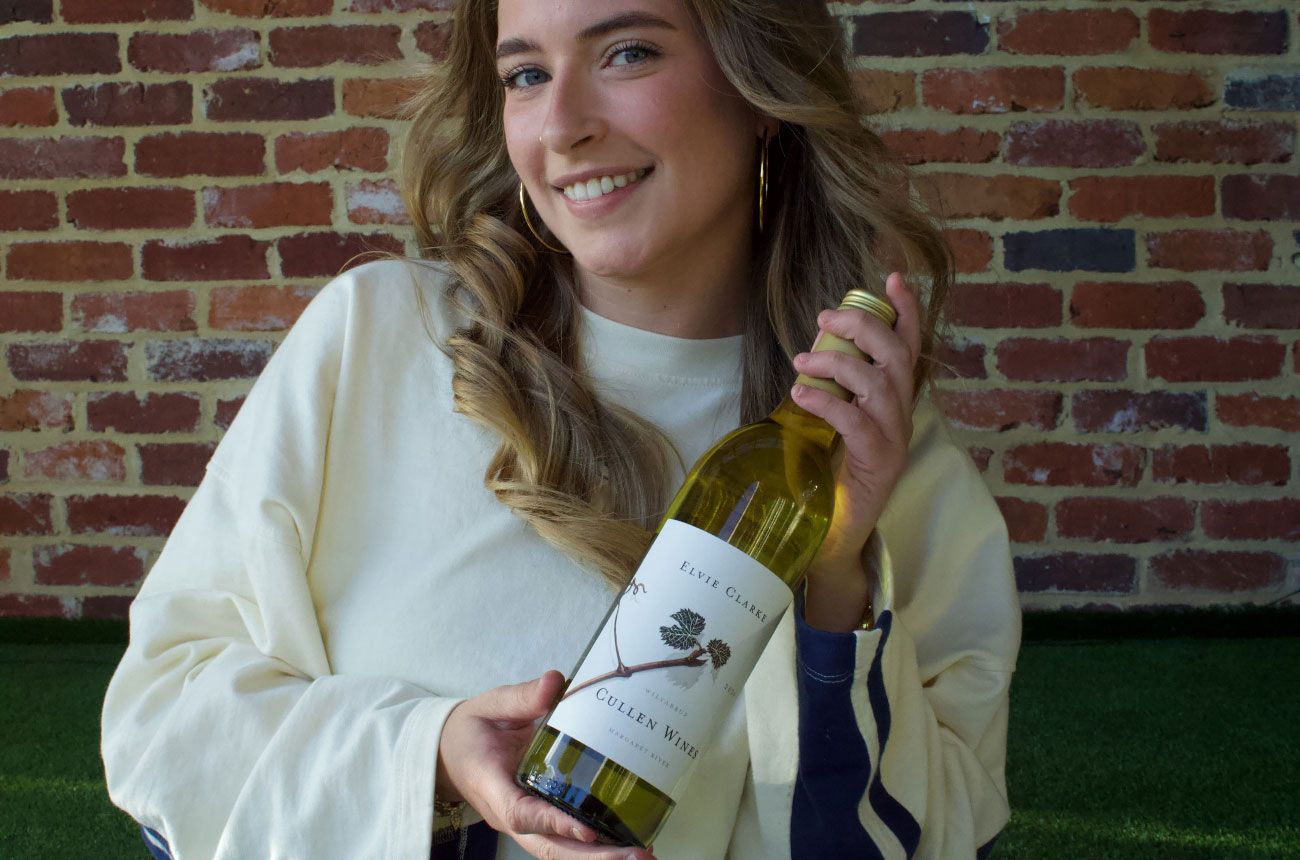
For her challenge submission, Taela selected the Cullen Wines, Elvie Clarke, Wilyabrup, Margaret River, Western Australia 2024. This particular wine, a blend of 58% Sauvignon Blanc, 35% Semillon, and 7% Verdelho, represents a classic Margaret River white blend style, yet one that Taela had limited experience with. The recommendation came from a wine specialist at her local Dan Murphy’s, a ubiquitous Australian bottle shop chain, indicating the accessibility and broad retail presence of such premium Australian offerings. Retailing at approximately $34.99 AUD, the wine sits at a price point that suggests quality and craftsmanship, aligning with Taela’s expectation of a superior tasting experience.
Margaret River: A Region of Distinction
Margaret River, located in the southwestern corner of Western Australia, is one of Australia’s most esteemed wine regions, celebrated globally for its consistent production of high-quality wines. Established as a wine region in the late 1960s, it quickly gained international recognition for its Bordeaux-style varietals, particularly Cabernet Sauvignon and Chardonnay. The region benefits from a unique maritime climate, characterized by cool ocean breezes, ample sunshine, and reliable rainfall, creating ideal conditions for viticulture. This climate, often compared to that of Bordeaux, allows for a long, gentle ripening period, fostering complexity and balance in the grapes. While Cabernet Sauvignon and Chardonnay remain its flagship varieties, Margaret River has also carved out a niche for its elegant Semillon-Sauvignon Blanc (SSB) blends, which offer a distinct regional expression of these classic white grapes. These blends often combine the aromatic intensity and acidity of Sauvignon Blanc with the textural richness and citrus/lanolin notes of Semillon, creating wines that are both refreshing and capable of graceful aging.
Cullen Wines: A Legacy of Biodynamic Excellence
Cullen Wines is an iconic estate in Margaret River, founded in 1971 by Kevin and Diana Cullen. It is celebrated not only for the exceptional quality of its wines but also for its pioneering commitment to biodynamic viticulture. The winery has been certified biodynamic since 2008, a testament to its philosophy of holistic farming and sustainable practices. Biodynamic agriculture extends beyond organic principles, viewing the vineyard as a self-sustaining ecosystem and integrating astronomical influences into its farming calendar. This approach, championed by second-generation winemaker Vanya Cullen, is believed to enhance soil health, vine vitality, and ultimately, the purity and expression of the fruit. The Elvie Clarke label itself carries a significant personal history, honoring Vanya Cullen’s paternal grandmother, Elvie Alice Clarke, a woman remembered as a "gifted pianist, enchanting storyteller and staunch supporter of the suffragette movement." This dedication imbues the wine with a narrative depth, connecting it to a legacy of strong, influential women and the winery’s deeply rooted family values. The Decanter rating of 94 points for this vintage further solidifies its standing as a wine of exceptional quality and regional typicity.
The 2024 Vintage: A Year of Extremes
The 2024 vintage in Margaret River presented unique challenges and opportunities for winemakers. As noted by Cullen Wines, these grapes were hand-harvested on "fruit and flower days" from the 22-hectare Mangan vineyard during what was recorded as the "hottest, driest and earliest on record." Such extreme climatic conditions can significantly impact grape development, leading to concentrated flavors, lower yields, and a compressed harvest window. The ability of a biodynamic vineyard to navigate such a vintage and still produce a wine of 94-point quality speaks volumes about the resilience of the vines, the health of the soil, and the skill of the winemaking team. It highlights how sustainable farming practices can contribute to vine robustness in the face of climate variability, a growing concern for wine regions worldwide.
Taela’s Tasting Experience: A Revelation
Taela’s tasting experience of the Cullen Wines Elvie Clarke 2024 was enjoyed in a quintessential Australian setting: on her balcony at sunset with two work friends, fostering a relaxed and convivial atmosphere. This social context underscores how wine is increasingly enjoyed as part of shared experiences, rather than solely formal tasting events.
Sensory Analysis: A Journey of Flavours
Her detailed sensory analysis of the wine commenced with its appearance, described as "pale with some tinges of green," a characteristic often associated with youthful, unoaked white wines. On the nose, Taela immediately identified prominent "citrusy – lemon in particular – but also with some passionfruit notes." These aromatic descriptors align well with the Sauvignon Blanc component of the blend, which frequently exhibits vibrant citrus and tropical fruit aromas.
The palate proved to be "super crisp and refreshing," delivering an initial "zesty lemon taste." This was followed by an unexpected and enjoyable transition to "green apple and pear," classic indicators of the Semillon component, which often lends a more subtle fruit profile and textural complexity. The reappearance of "a little bit of passionfruit again" ensured a consistent fruity theme without veering into sweetness, a crucial distinction for Taela who prefers dry whites. Her anticipation of an "acidic wine" was met with a pleasant surprise: while hints of lemon were present, the wine was "really easy to drink and didn’t have that sharp, sour finish that some whites have." This balanced acidity is a hallmark of well-made Semillon-Sauvignon Blanc blends from Margaret River, where the Semillon often softens the sharper edges of Sauvignon Blanc, creating a harmonious and approachable profile.
Beyond Expectations: Embracing New Blends
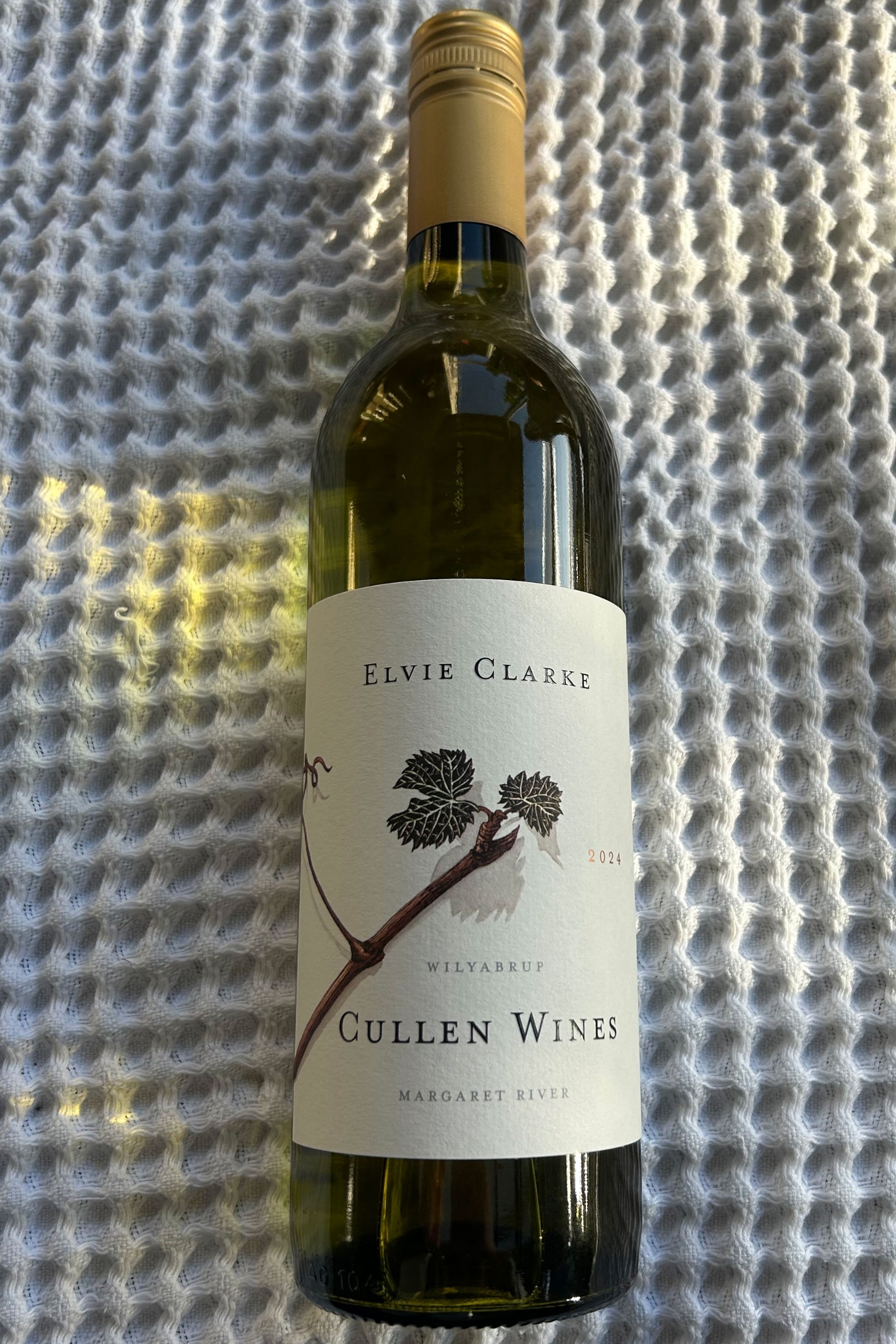
Taela’s final assessment was unequivocally positive. Despite her self-professed "creature of habit" nature, both she and her friends thoroughly enjoyed the wine, prompting her to declare she would "definitely buy it again." The wine perfectly matched her desire for "light and fresh but also interesting" for a warm evening. Critically, she found it to be "really good value" for its price point, underscoring the importance of quality-to-price ratio for Gen Z consumers. This experience has broadened her horizons, inspiring her to "try more SSBs from Margaret River and venture beyond my usual Sauvignon Blanc." This outcome perfectly encapsulates the objective of the Decanter Gen Z Wine Challenge: to encourage exploration and expand the palates of a new generation of wine drinkers.
Broader Implications and Industry Perspectives
Taela’s successful participation in the Gen Z Wine Challenge carries significant implications for the wider wine industry, highlighting the evolving landscape of wine consumption and education.
Cultivating New Palates: The Role of Wine Education
The challenge demonstrates the effectiveness of experiential learning in wine education. Rather than didactic lectures or intimidating tasting notes, providing young consumers with a platform to discover and articulate their experiences in their own language can be far more impactful. This approach democratizes wine appreciation, making it less about expert pronouncements and more about personal discovery. Industry experts, like accredited sommeliers and wine educators, often emphasize the importance of meeting consumers where they are, offering approachable entry points into the complex world of wine. Taela’s journey from a specific preference to a broader curiosity illustrates the potential for growth when given the right tools and encouragement.
Australian Wine on the Global Stage
The choice of a Margaret River wine further reinforces the region’s and Australia’s reputation for producing world-class wines. While Australian wine has faced various challenges in international markets, showcasing premium, biodynamic examples through new consumer voices helps to highlight its diversity and quality. Initiatives that bring local wines to a global audience, even through individual reviews, contribute to national wine branding and market diversification. The success of Cullen Wines in a challenging vintage, combined with its biodynamic credentials, also resonates with a global consumer base increasingly interested in sustainable and ethically produced goods.
The Future of Wine: Engaging a Diverse Consumer Base
The Gen Z Wine Challenge is part of a broader industry trend to diversify its consumer base and adapt to changing preferences. This includes not only attracting younger drinkers but also addressing issues of inclusivity and accessibility. The call for participants from outside the UK underscores a commitment to global representation, acknowledging that wine culture is diverse and varies significantly across different regions. Furthermore, Decanter’s introduction of "Under 30s Wine Trade Sips" for industry professionals indicates a recognition of the burgeoning talent within the wine trade itself, fostering a new generation of experts who can connect with their peers. These efforts collectively aim to ensure the wine industry remains vibrant, relevant, and appealing to future generations.
Decanter’s Ongoing Commitment
Decanter continues to invite individuals aged 18 to 29 to participate in its Gen Z Wine Challenge, particularly encouraging applications from those residing outside the UK. This commitment reflects an understanding that a truly global perspective is essential for the challenge’s success and for the broader industry’s evolution. By actively seeking out and amplifying diverse voices, Decanter is contributing to a more inclusive future for wine, one where passion and curiosity are celebrated, regardless of prior expertise. The story of Taela, a Fremantle bartender, serves as an inspiring example of how genuine engagement can lead to new discoveries and a deeper appreciation for the world of wine.