admin
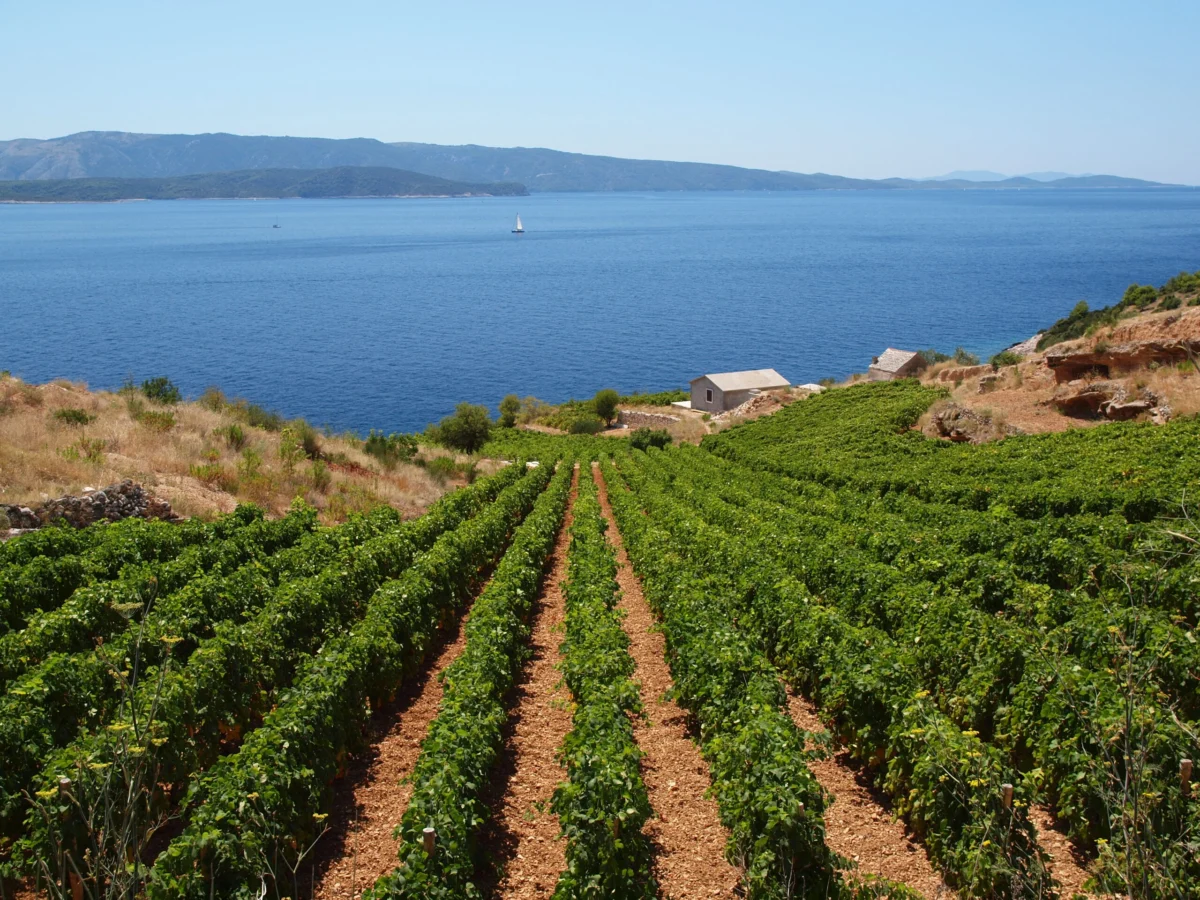
Northern Greece’s flagship red wine, Xinomavro, stands as a testament to the region’s rich viticultural heritage and innovative spirit. With a compelling combination of haunting perfume, bracing acidity, and a structure that allows for graceful aging over decades, this indigenous Greek varietal has frequently drawn comparisons to Italy’s formidable Barolo. Its growing reputation among discerning collectors and sommeliers has facilitated its steady integration into the wine lists of some of the world’s most prestigious restaurants, signaling a significant moment for Greek viticulture on the international stage.
The name "Xinomavro" translates literally to "sour black," a descriptor that belies the wine’s surprisingly pale hue. Young Xinomavro typically presents as a translucent ruby, subtly concealing its underlying power and intensity. With the passage of time, as the wine matures and evolves, this initial ruby transforms into a captivating brick-orange, a visual cue to its developing complexity. Patience is a virtue when it comes to Xinomavro, as aging allows its firm tannins to soften, revealing an intricate tapestry of tertiary aromas and flavors. Hints of truffle, tobacco, dried herbs, sun-dried tomato, and olive often emerge, contributing to a profound sensory experience that rewards those who cellar it. This complex evolution underscores why Xinomavro is often considered one of the world’s great age-worthy red wines, offering a unique profile that is both distinctly Greek and universally appreciated for its depth.
The Genesis of International Xinomavro Day: A Strategic Move for Global Recognition
The establishment of International Xinomavro Day on November 1st, initiated by the Winemakers of Northern Greece, an influential association of wine producers headquartered in Thessaloniki, marks a pivotal moment in the grape’s journey toward global prominence. Launched in 2019, the initiative was conceived with a clear strategic objective: to elevate the profile of northern Greece’s signature grape and secure its rightful place alongside the world’s most renowned international varieties such as Cabernet Sauvignon, Merlot, and Pinot Noir.
The choice of November 1st for this annual celebration was deliberate and symbolic, rooted in both practical viticultural considerations and a broader statement about Xinomavro’s significance. Firstly, this date roughly coincides with the culmination of the harvest season for Xinomavro, a late-ripening grape that demands a prolonged growing period to achieve optimal phenolic maturity. Celebrating it at this time connects the event directly to the agricultural cycle and the dedication of the region’s growers. Secondly, and perhaps more importantly, the date symbolizes Xinomavro’s undisputed status as the preeminent grape variety of northern Greece. By dedicating a specific day to its recognition, the Winemakers of Northern Greece aim to solidify its identity, foster a sense of collective pride among producers, and create a focal point for international promotional efforts.
Since its inception, International Xinomavro Day has served as a platform for educational seminars, tastings, and promotional events across various global markets. These activities target sommeliers, wine critics, importers, and consumers, providing them with opportunities to explore the diverse expressions of Xinomavro and understand its unique terroir. The event contributes to a broader trend within the Greek wine industry to highlight indigenous varietals and showcase the country’s distinctive winemaking potential, moving beyond its historical association primarily with Retsina. This coordinated effort is crucial in a highly competitive global wine market, allowing Xinomavro to carve out a distinct niche and build a loyal following.
Xinomavro’s Greek Heartland: A Journey Through Diverse Terroirs
Xinomavro finds its spiritual and viticultural heart in four distinct protected appellations within northern Greece: Naoussa, Amyndeo, and Goumenissa in Greek Macedonia, and Rapsani in Thessaly. Each region contributes a unique expression to the Xinomavro lexicon, shaped by specific microclimates, soil compositions, and winemaking traditions.
Naoussa: The Grand Cru of Xinomavro
Naoussa stands as the undisputed spiritual home of Xinomavro, its vineyards majestically spread across the southeastern slopes of Mount Vermio. The region’s viticultural reputation is deeply rooted in history, with records stretching back centuries. A notable historical endorsement came in 1831 from French diplomat Esprit Marie Cousinery, who, after experiencing Naoussa’s wines, famously likened them to Burgundy and declared them the finest in the entire Ottoman Empire. This early recognition underscores Naoussa’s long-standing tradition of producing wines of exceptional quality and character.
In Naoussa, Xinomavro is considered a "prima donna" of the Greek vineyard – a demanding grape that requires meticulous care and specific conditions to thrive. It ripens late, often necessitating a long, warm autumn, and excels primarily on select sites characterized by well-drained, often schistous or calcareous soils. The thick-skinned grape’s high acidity and formidable tannins require skilled viticultural management, including careful canopy management to ensure optimal sun exposure and ripeness, and judicious pruning to control yields. Winemaking in Naoussa is equally challenging, often involving extended maceration periods to extract color and flavor, followed by aging in oak barrels to soften the tannins and add complexity. By law, Naoussa reds must be crafted from 100% Xinomavro, a strict adherence that ensures the purest expression of the grape’s unique character. The finest examples from Naoussa are renowned for their remarkable depth, finesse, and extraordinary longevity, often displaying a savory character with notes of olive, tomato leaf, and dried fruits, alongside firm acidity and grippy tannins in their youth.
Amyndeo: The Alpine Elegance
Further west, the cooler, high-altitude vineyards of Amyndeo present a contrasting expression of Xinomavro. Situated on plateaus at elevations often exceeding 600 meters, Amyndeo benefits from a continental climate characterized by cold winters and warm, dry summers, tempered by significant diurnal temperature variations. The region’s sandy soils, often poor in organic matter, contribute to lower yields and concentrated fruit. These conditions are ideal for producing lighter, more perfumed reds, which often exhibit vibrant red fruit aromas, bright acidity, and softer tannins than their Naoussa counterparts. Amyndeo is also celebrated for its production of high-quality rosé Xinomavro, which showcases the grape’s aromatic freshness, and an increasing number of sparkling Xinomavro wines, known for their crispness and delicate mousse. The stylistic versatility of Xinomavro in Amyndeo highlights the grape’s adaptability to different microclimates and winemaking approaches.
Goumenissa: The Harmonious Blend
In Goumenissa, located in central Macedonia, Xinomavro takes on a different personality through the art of blending. Here, local regulations mandate that Xinomavro must be blended with at least 20% of the indigenous Negoska variety. Negoska, a red grape with softer tannins and a rounder mouthfeel, acts as a crucial partner to Xinomavro. This blend yields wines that are generally softer, more approachable in their youth, and possess a more harmonious balance between fruit, acidity, and tannin. Goumenissa wines often exhibit notes of dark berries, spices, and a hint of earthiness, offering a unique profile that distinguishes them from the 100% Xinomavro expressions of Naoussa and Amyndeo. The blending tradition in Goumenissa underscores the historical practice of winemakers utilizing complementary varietals to achieve specific stylistic goals and enhance overall wine quality.
Rapsani: Mount Olympus’s Terroir
Venturing further south, into the region of Thessaly, we find Rapsani, where vineyards cling to the lower slopes of Mount Olympus. This mythical home of the Greek gods provides a dramatic backdrop for viticulture, with vineyards often planted at varying altitudes, benefiting from diverse exposures and microclimates. In Rapsani, Xinomavro is again part of a traditional blend, this time with two other local varieties: Krassato and Stavroto. This triumvirate creates wines of significant complexity and structure, often characterized by robust tannins, dark fruit flavors, and a distinctive mineral undertone derived from the mountain’s unique geological composition. The Rapsani blend represents another facet of Xinomavro’s versatility, showcasing its ability to contribute character and longevity within a multi-varietal framework.
Viticultural Challenges and Winemaking Mastery: Taming the "Prima Donna"
The epithet "prima donna" is well-earned by Xinomavro, reflecting the grape’s demanding nature in both the vineyard and the cellar. Its late-ripening characteristic means that it requires a long, warm growing season to fully mature its phenolic compounds, particularly its high levels of tannin. In cooler or less favorable vintages, unripe tannins can result in wines that are excessively austere and astringent, making careful site selection paramount. Xinomavro thrives on slopes with good sun exposure and excellent drainage, which help to mitigate disease pressure and ensure even ripening.
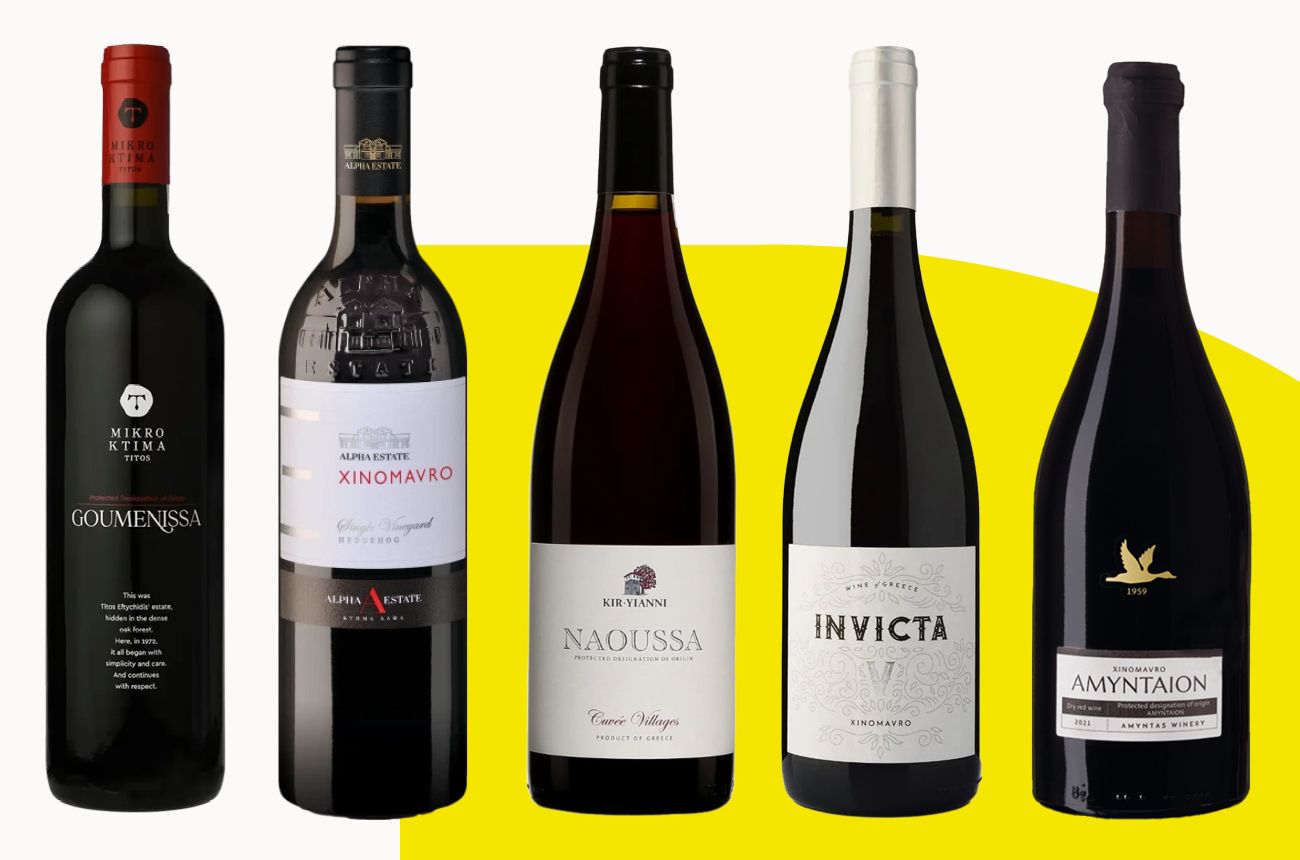
Beyond ripening, Xinomavro is susceptible to various viticultural challenges, including powdery mildew and botrytis due to its relatively compact bunches and thin skins (despite its thick outer layer). Canopy management – careful pruning and leaf removal – is crucial to ensure air circulation and sunlight penetration, reducing disease risk and promoting fruit maturity. Yield control is also critical; Xinomavro vines tend to be vigorous, and overcropping can lead to diluted wines lacking concentration and character.
In the winery, managing Xinomavro’s naturally high acidity and formidable tannin structure is the winemaker’s primary challenge. Traditional winemaking often involves extended maceration periods, sometimes up to several weeks, to extract color, flavor, and complex phenolics, followed by aging in oak barrels for varying durations. Oak aging helps to polymerize tannins, making them softer and more integrated, while also contributing additional layers of spice and complexity. However, excessive oak can mask Xinomavro’s delicate aromatic profile, necessitating a nuanced approach. Modern winemaking techniques, including cold soaking, gentle extraction methods, and precise temperature control during fermentation, are also employed to craft more approachable yet still complex expressions of Xinomavro, appealing to a broader consumer base without sacrificing typicity. The mastery required to balance Xinomavro’s inherent power with elegance is a hallmark of the most skilled Greek winemakers.
Xinomavro Beyond Greece: An Expanding Global Footprint
While Xinomavro remains overwhelmingly rooted in its Greek homeland, its exceptional qualities are increasingly capturing the attention of growers worldwide. Plantings have extended into neighboring North Macedonia, where producers are also exploring its potential within a similar climatic context. More ambitiously, small experimental vineyards have appeared as far afield as Australia and China, regions known for their innovative viticulture and willingness to embrace new varietals. These international forays, though currently limited in scale, signify a growing global interest in Xinomavro’s distinctive character and potential adaptability.
One of the most compelling reasons for Xinomavro’s burgeoning international appeal is its remarkable resilience in the face of climate change. The grape’s thick skin, a characteristic that contributes to its firm tannin structure, also provides natural protection against heat and drought. These qualities are proving increasingly valuable in a warming world, where many traditional grape varieties are struggling to adapt to more extreme weather patterns. Xinomavro’s ability to cope well with dry conditions positions it as a promising candidate for regions experiencing increased water stress and rising temperatures.
A significant endorsement of Xinomavro’s climate-resilient potential came in 2021 when the prestigious Côtes de Provence appellation in southern France added Xinomavro to its list of permitted varieties. This move, alongside the inclusion of fellow Greek grapes Agiorgitiko and Moschofilero, is a strategic response by Provence to adapt to a changing climate and ensure the long-term sustainability of its wine industry. The recognition by a highly respected French appellation underscores Xinomavro’s perceived ability to thrive in warmer, drier conditions and contribute positively to regional wine diversity. This development could pave the way for further adoption of Xinomavro in other Mediterranean climates grappling with similar environmental challenges.
Economic and Cultural Implications: Boosting Greece’s Wine Identity
The rise of Xinomavro, spearheaded by initiatives like International Xinomavro Day, carries significant economic and cultural implications for Greece. Economically, the growing demand and recognition for Xinomavro translate into increased export opportunities, providing a vital boost to the agricultural sector in northern Greece. Wineries in Naoussa, Amyndeo, Goumenissa, and Rapsani benefit directly from enhanced sales and prestige, which in turn stimulates local economies through job creation in vineyards, wineries, and related industries such as bottling, logistics, and hospitality. Wine tourism also sees a direct benefit, as international visitors are increasingly drawn to Greece to explore its indigenous varieties and unique wine regions.
Culturally, Xinomavro plays a crucial role in shaping and reinforcing Greece’s modern wine identity on the global stage. For too long, Greek wine was overshadowed by its ancient history or misrepresented by a narrow focus on certain traditional styles. Xinomavro, alongside other distinctive Greek varietals like Assyrtiko from Santorini, has become a standard-bearer for a new era of quality and diversity in Greek winemaking. It showcases Greece not just as a historical cradle of wine, but as a vibrant, innovative producer of world-class wines that can compete with the best. This shift in perception is vital for attracting investment, fostering innovation, and instilling pride among Greek winemakers and consumers alike.
The Value Proposition: A Connoisseur’s Secret No More
Beyond its unique character and climate resilience, Xinomavro offers a compelling value proposition that further fuels its ascent. The best examples of Xinomavro share some of the complexity, structure, and impressive longevity found in revered wines like Barolo (made from Nebbiolo) and high-quality Burgundy (Pinot Noir), yet they are often available at a fraction of the price. This exceptional quality-to-price ratio makes Xinomavro an incredibly attractive option for wine enthusiasts and collectors seeking premium experiences without the prohibitive cost associated with established Old World classics.
For sommeliers curating wine lists, Xinomavro presents an opportunity to introduce guests to something distinctive and exciting, offering a "discovery" wine that delivers both intellectual interest and sensory pleasure. Its food-friendly nature, particularly its affinity for Mediterranean cuisine, makes it a versatile pairing partner for a wide array of dishes, from hearty meat stews and game to truffle-infused pasta and aged cheeses. As awareness grows and its presence on international wine lists expands, Xinomavro is gradually transitioning from being a hidden gem to a recognized leader in the world of indigenous grape varieties.
Industry Voices and Expert Endorsements
The enthusiasm for Xinomavro is palpable within the wine industry. Prominent wine critics frequently laud its unique expression and aging potential. Jancis Robinson MW, for instance, has noted its ability to produce "serious, long-lived reds," while others commend its distinctive savory notes and ability to reflect its terroir. Sommeliers, always on the lookout for authentic and high-quality offerings, often highlight Xinomavro for its food-pairing versatility and its capacity to surprise and delight customers accustomed to more familiar varieties.
Maria Tzilou, a leading Greek sommelier, is often quoted emphasizing Xinomavro’s "unparalleled character and remarkable complexity," suggesting it offers "a true sense of place." Winemakers in northern Greece, such as those from Kir-Yianni or Alpha Estate, speak with pride about the challenges and rewards of cultivating this demanding grape, underscoring their commitment to expressing its finest qualities. These collective endorsements from key industry figures are instrumental in building Xinomavro’s credibility and accelerating its acceptance in competitive global markets.
Conclusion: A Toast to Xinomavro’s Future
International Xinomavro Day serves as a vibrant annual reminder of this enigmatic grape’s journey from a regional specialty to an international sensation. Its unique aromatic profile, age-worthiness, and surprising versatility—from robust reds to elegant rosés and sparkling wines—underscore its multifaceted appeal. As the global wine landscape continues to evolve, Xinomavro’s inherent resilience to environmental shifts, coupled with its undeniable quality and value, positions it as a variety with immense potential for future growth and recognition. For those yet to experience its charms, opening a bottle of Xinomavro offers an invitation to explore the depth and distinctiveness of Greek viticulture. So, raise a glass and utter a heartfelt "yamas!" to Xinomavro, a noble red poised for an even brighter future.