admin
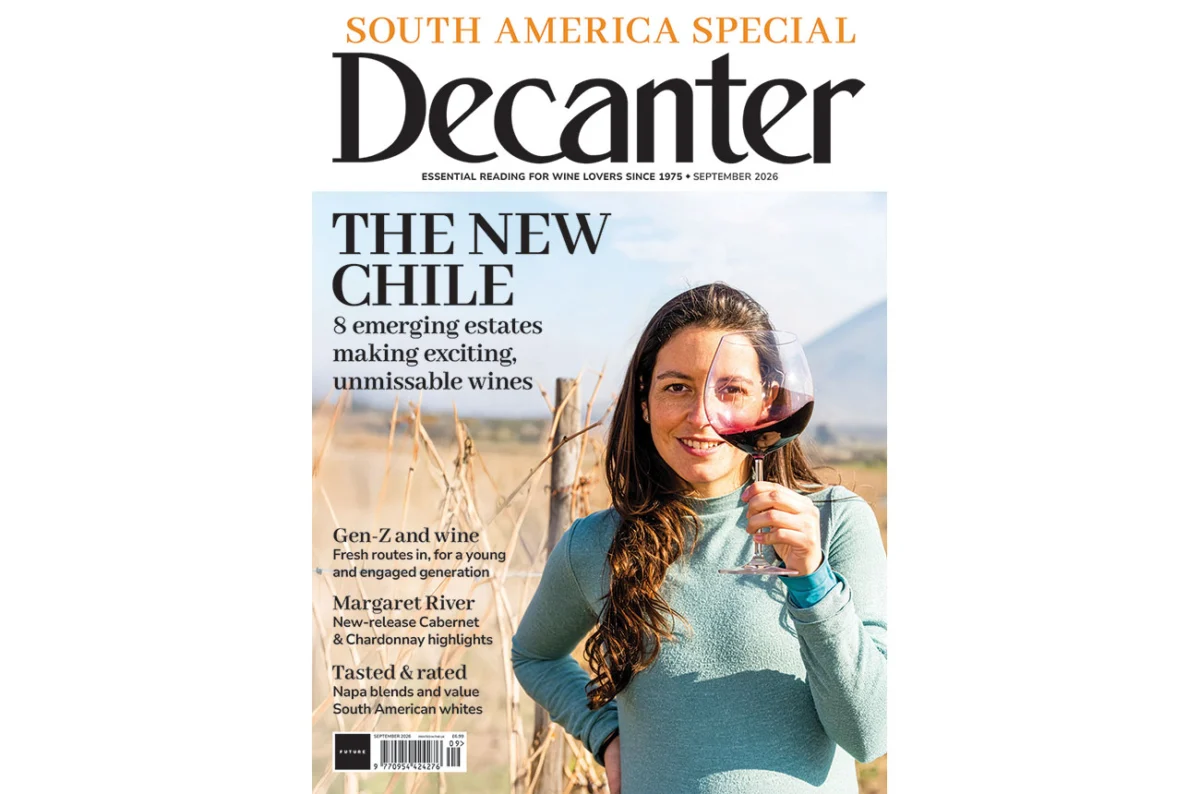
A panel of esteemed wine experts, comprising Ines Salpico, Matthew Forster MW, and Valentin Radosav, recently concluded a comprehensive blind tasting of 137 red wines from Portugal’s Alentejo region, identifying two "Outstanding" and 44 "Highly Recommended" expressions. This significant assessment, conducted by the globally renowned wine publication Decanter, highlights the burgeoning quality and diversity emanating from one of Portugal’s most dynamic viticultural areas. The results offer a critical guide for both industry professionals and discerning consumers, affirming Alentejo’s position on the international wine map.
Deciphering Alentejo’s Terroir: The Context of the Tasting
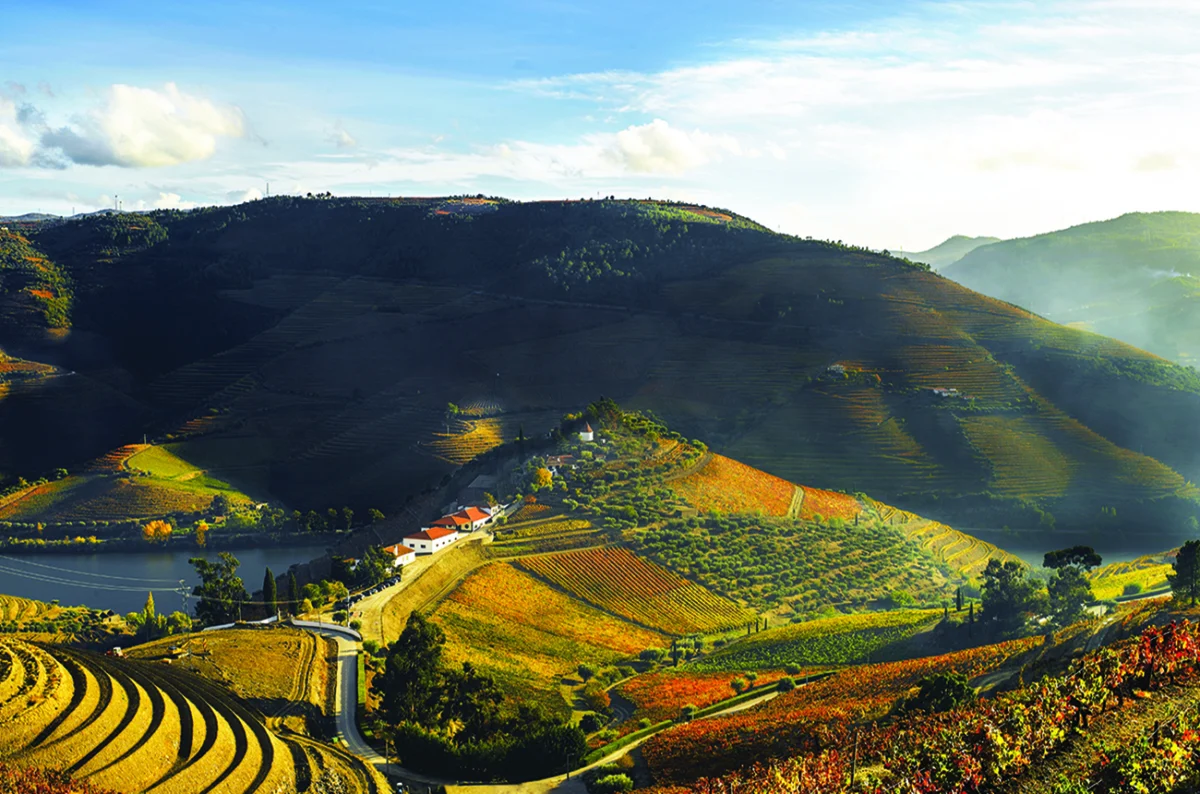
The Alentejo region, spanning a vast and diverse landscape in south-central Portugal, has steadily gained recognition for its distinctive red wines. Characterized by its hot, dry climate, undulating plains, and varied soil types—including granite, schist, clay, and limestone—Alentejo provides a challenging yet rewarding environment for viticulture. Indigenous grape varieties such as Aragonez (Tempranillo), Trincadeira, Alicante Bouschet, and Castelão thrive here, often complemented by international grapes like Syrah and Cabernet Sauvignon. The region’s winemakers skillfully navigate these conditions, often employing traditional techniques alongside modern innovations to produce wines that range from robust and full-bodied to elegant and aromatic.
Decanter’s commitment to providing authoritative, independent wine reviews is underscored by such regional focus tastings. These events are integral to the publication’s mission of scouting and validating wine quality across the globe. For a region like Alentejo, a strong showing in a Decanter tasting can significantly enhance its visibility and commercial appeal in competitive global markets, particularly in key export destinations. The rigorous tasting methodology, involving blind assessment by highly qualified judges, ensures objectivity and credibility in the scores awarded.
The Expert Panel: A Trio of Distinguished Palates
The arduous task of evaluating 137 wines fell to a panel known for its profound expertise and nuanced understanding of Portuguese and international wines.
- Ines Salpico, Decanter‘s regional editor for Spain, Portugal, and South America, brings an invaluable local perspective coupled with international experience. A native of Lisbon, Salpico honed her palate and knowledge working in Michelin-starred establishments in London, including Spring at Somerset House, Noble Rot, and The Laughing Heart, before joining Decanter in 2019. Her role ensures a deep understanding of the regional nuances and market trends relevant to Alentejo wines.
- Matthew Forster MW (Master of Wine) signifies the highest level of professional accreditation in the wine industry. The Master of Wine qualification is globally recognized for its rigorous standards of knowledge and tasting proficiency across all aspects of wine. Forster’s participation lends significant weight and authority to the tasting results, reflecting an unbiased, global benchmark of quality.
- Valentin Radosav completes the trio, contributing another layer of expert perspective to the panel. While specific details of his background were not provided, his inclusion on such a high-profile Decanter panel implies a considerable depth of knowledge and experience in wine evaluation.
The collective expertise of this panel ensures a thorough and discerning assessment, considering factors such as varietal expression, regional typicity, balance, complexity, and age-worthiness.
The Deliberation Process: A Glimpse into Rigor
Decanter tastings adhere to a stringent protocol designed to eliminate bias and ensure fairness. Wines are typically tasted blind, meaning the judges are unaware of the producer, vintage, or price point, allowing for an evaluation purely based on sensory attributes. The wines are usually presented in flights, grouped by variety, style, or region, to allow for comparative assessment. Each judge independently scores and provides tasting notes, which are then discussed among the panel to reach a consensus or a collective score and description. The categories "Outstanding" and "Highly Recommended" denote wines that exhibit exceptional quality and character, standing out significantly from their peers.
The sheer volume of wines tasted—137 in a single session—underscores the intensity and commitment required from the judges. This comprehensive approach allows Decanter to provide a broad yet detailed snapshot of the region’s current offerings, identifying both established benchmarks and emerging talents.
Alentejo’s Rising Stars: The "Outstanding" and "Highly Recommended" Wines
Out of the extensive lineup, two wines achieved the coveted "Outstanding" designation, a rare accolade reserved for wines of exceptional quality, complexity, and character. While the specific names of these top-tier wines are typically reserved for Decanter Premium subscribers, their emergence signals a pinnacle of Alentejo winemaking.
Furthermore, 44 wines were classified as "Highly Recommended," indicating excellent quality and strong regional typicity. These wines represent a broad spectrum of styles and vintages, offering significant value and drinking pleasure. The diversity of vintages, ranging from 2009 to recent releases like 2024 and even 2025 (likely barrel samples or early releases), reflects the region’s ability to produce age-worthy wines as well as vibrant, youthful expressions.
Examples from the "Highly Recommended" list, showcasing the breadth of Alentejo’s offerings:
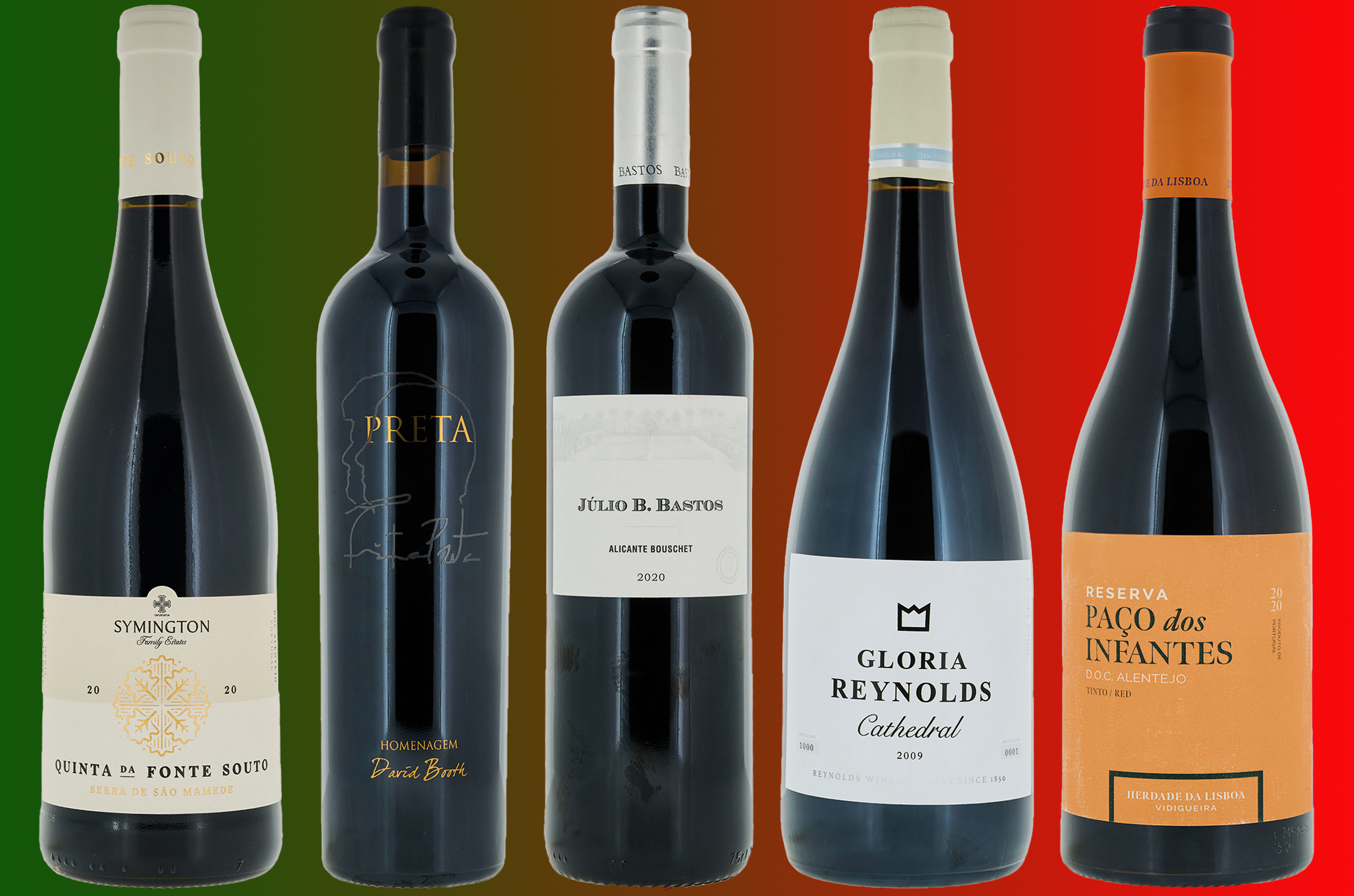
- Dona Maria, Júlio B Bastos Alicante Bouschet, Alentejo, Portugal 2014: This wine highlights the significance of Alicante Bouschet, a teinturier grape often used to add depth and color to Alentejo reds. The 2014 vintage suggests a wine with some maturity, offering developed tertiary characteristics alongside its fruit profile. Winemaker Júlio Bastos’s family legacy at Quinta do Carmo speaks to a deep-rooted tradition of quality.
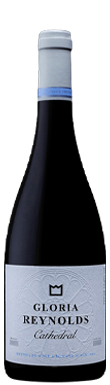
- Reynolds, Gloria Reynolds Cathedral, Alentejano, Portugal 2009: Representing an even older vintage, this wine from a producer with historical ties to Estremoz since 1850 demonstrates the region’s capacity for producing long-lived wines. Such an old vintage being highly recommended points to excellent structure and graceful aging potential.
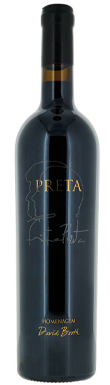
- Fitapreta, Preta Cuvée David Booth Grande Reserva, Alentejo, Portugal 2022: This more recent vintage showcases modern Alentejo winemaking. Tasting notes like "Wormwood, eucalyptus and tarmac frame black cherry and plum. Sage, rosemary and mint add regional character. Concentrated yet elegant, with vanilla-oak spice," illustrate a complex profile with both fruit, herbal, and oak influences.
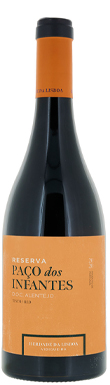
- Herdade da Lisboa, Paço dos Infantes Reserva Tinto, Alentejo, Portugal 2020: Described with "Lifted blackcurrant and blueberry lead into dark cherry, plum and blackberry. Fleshy, mouthcoating yet elegant. Robust tannins, black olive and chocolate. A mineral, savoury finish," this wine exemplifies the powerful yet refined style that Alentejo can achieve, indicating good structure and complexity.
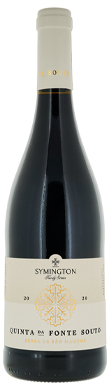
- Symington, Quinta da Fonte Souto, Tinto, Alentejo, Portugal 2020: From a prominent Port wine family venturing into Alentejo, this wine reveals a profile of "Sous bois, wet leaf and tobacco meet sweet-sour cherry and blackcurrant. Vibrant acidity, velvety fruit and resolved tannins, finishing long with sage, thyme and cinnamon." This suggests a wine with good aromatic development, balance, and a lengthy finish.
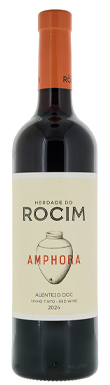
- Herdade do Rocim, Amphora Tinto, Alentejo, Portugal 2024: The mention of "Amphora Tinto" is particularly noteworthy, indicating a resurgence of ancient winemaking techniques in Alentejo. The 2024 vintage, still very young, with notes of "Cranberry, raspberry and red cherry gain leafy lift from eucalyptus and green wood. Fluid, silky and inviting, with soft zesty tannin, bright acidity and a…" suggests a fresh, vibrant, and potentially minimalistic style, showcasing fruit purity and regional herbs.
- Fitapreta, Tinta Grossa, Alentejo, Portugal 2024: Highlighting an indigenous variety, Tinta Grossa, this wine’s notes of "Wild strawberry, cranberry and pomegranate dance with lavender and bergamot. Juicy, fluid and vibrant, with an earthy, rustic edge. Fresh acidity and a savoury, characterful…" indicate a unique, aromatic profile with a distinct sense of place.
These detailed descriptions, even for wines with locked scores, offer valuable insights into the sensory characteristics that define quality Alentejo reds, ranging from bold fruit and robust tannins to elegant herbal and spicy notes, often underpinned by a refreshing acidity and mineral finish. The inclusion of wines from diverse vintages, from the well-aged to the newly released, further paints a picture of a region capable of producing wines with both immediate appeal and significant aging potential.
Implications for the Alentejo Wine Industry
The results of this Decanter tasting carry substantial implications for the Alentejo wine industry:
- Enhanced Global Reputation: High ratings from a publication like Decanter immediately elevate Alentejo’s standing among international wine enthusiasts, critics, and trade buyers. The "Outstanding" and "Highly Recommended" accolades serve as powerful endorsements of the region’s quality.
- Increased Market Demand and Exports: Positive reviews often translate directly into increased demand, particularly in key export markets. Consumers and distributors look to trusted sources like Decanter for guidance, and high scores can drive sales and open new channels for Alentejo producers.
- Validation for Producers: For the wineries themselves, receiving such recognition is a significant validation of their efforts, winemaking philosophy, and terroir. It can boost morale, attract investment, and inspire continued pursuit of excellence.
- Tourism and Regional Branding: The success of Alentejo wines in international tastings contributes to the region’s overall branding as a premier wine tourism destination. Wine enthusiasts are more likely to visit regions producing highly acclaimed wines, fostering local economic growth beyond just wine sales.
- Benchmarking and Innovation: The detailed feedback and comparative analysis from expert tastings can serve as valuable benchmarks for Alentejo winemakers, helping them understand where their wines stand in relation to their peers and identifying areas for further innovation or refinement in viticulture and winemaking techniques. The mention of amphora wines, for instance, highlights a trend towards exploring traditional methods.
- Grape Variety Prominence: The specific mention of Alicante Bouschet, Touriga Nacional, Petit Verdot, Syrah, Tinta Grossa, and Baga in the tasting notes underscores the importance of both indigenous and well-adapted international grape varieties in shaping Alentejo’s red wine identity. This reinforces the focus on these varieties for future plantings and winemaking strategies.
Looking Ahead: Alentejo’s Continued Trajectory
The consistent quality demonstrated in this Decanter tasting suggests a bright future for Alentejo wines. The region’s winemakers are clearly demonstrating a sophisticated understanding of their diverse terroir and grape varieties, coupled with a commitment to producing wines that offer both immediate pleasure and impressive longevity. As global interest in Portuguese wines continues to grow, Alentejo is well-positioned to capitalize on this momentum, solidifying its reputation as a source of compelling and high-quality red wines. The detailed reviews and recommendations from Decanter will undoubtedly serve as a crucial compass for those eager to explore the depths of this captivating Portuguese wine region.