admin
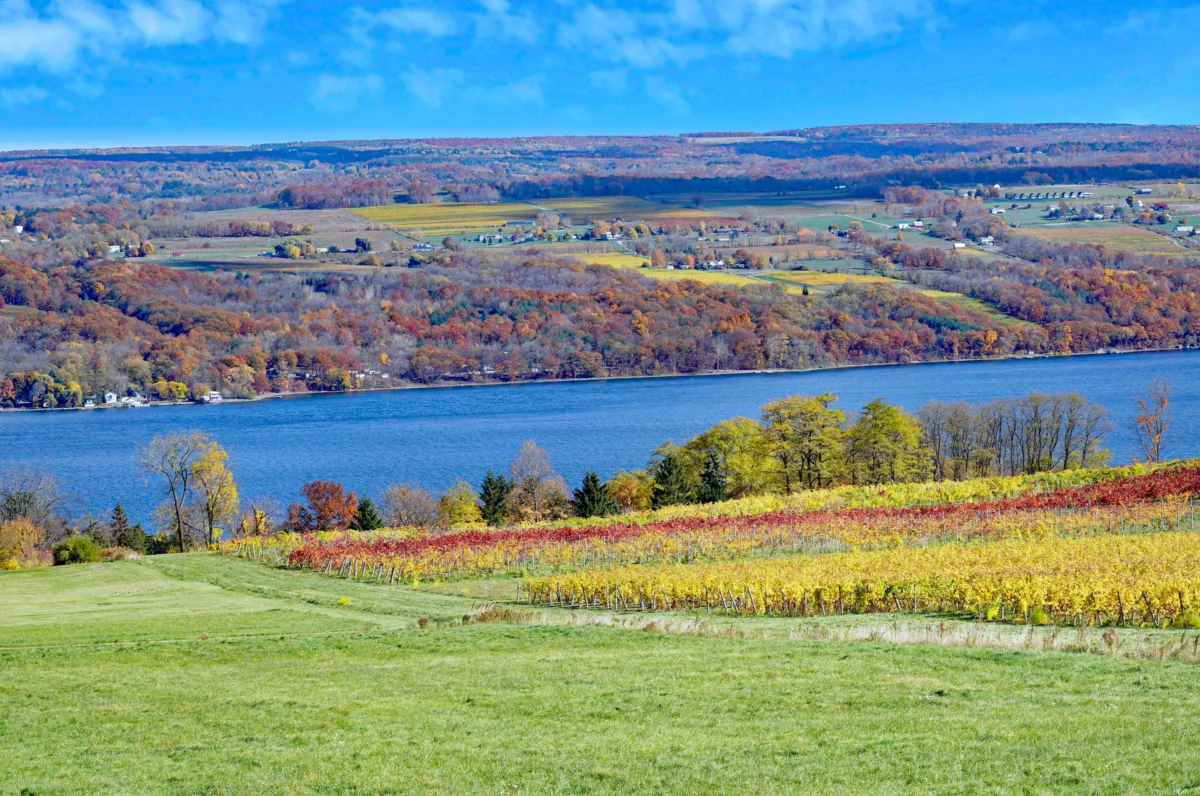
The cool-climate viticultural landscape of North America is increasingly defined by the burgeoning success of Cabernet Franc, with Ontario’s Niagara Peninsula and New York’s Finger Lakes emerging as twin epicenters for this versatile grape. Situated at approximately 43°N and 42°N latitude respectively, these regions share not only a remarkable geographical proximity but also the profound moderating influence of the Great Lakes and their interconnected waterways. This unique hydro-geological system, extending from the Great Lakes to the Finger Lakes, Hudson River, and ultimately the Atlantic Ocean, creates a distinct eastern corridor ideally suited for cool-climate viticulture, fostering the development of expressive and complex Cabernet Franc wines that are drawing international acclaim.
A Tale of Two Terroirs: Geographical and Climatic Foundations
The Niagara Peninsula, an appellation within Ontario, Canada, benefits from its position between Lake Ontario to the north and the Niagara Escarpment to the south. This geographical configuration creates a unique mesoclimate known as the "lake effect." Lake Ontario, a vast body of water, absorbs heat during the summer and releases it slowly through autumn, extending the growing season and mitigating extreme temperature fluctuations. In winter, it provides protection from harsh freezes, while in spring, it delays bud break, guarding against early frosts. The Escarpment, a UNESCO Biosphere Reserve, provides varied elevations and slopes, offering excellent drainage and diverse soil compositions, primarily limestone, shale, and clay deposits laid down by ancient glacial activity. These soils impart minerality and structure to the wines.
Just across the border, New York’s Finger Lakes region mirrors many of these advantages. Carved by glaciers, the deep, long, and narrow Finger Lakes (Seneca, Cayuga, Keuka, Canandaigua, and others) act as significant thermal regulators. Similar to Lake Ontario, these lakes absorb heat in the warmer months and release it during the cooler seasons, extending the growing season and preventing damaging frosts. The steep slopes surrounding the lakes provide optimal sun exposure and air drainage, reducing disease pressure. The soils here are predominantly shale, slate, and limestone, reflecting the region’s glacial history, which contribute distinctive mineral characteristics to the grapes.
This shared cool-climate profile, characterized by distinct seasons, moderate temperatures, and significant diurnal shifts, is precisely what allows Cabernet Franc to flourish. Unlike its more robust relative, Cabernet Sauvignon, Cabernet Franc ripens earlier and is more resilient to cooler conditions, making it a reliable performer in these northern latitudes.
The Evolution of Viticulture: From Hybrids to Vitis Vinifera Excellence
The wine industries in both the Niagara Peninsula and the Finger Lakes have undergone significant transformations over the past half-century. Historically, these regions primarily cultivated native North American grape varieties (like Concord and Niagara) and French-American hybrids (such as Vidal Blanc and Seyval Blanc), which were better suited to the challenging climate but often produced wines of simpler character.
In the Niagara Peninsula, a pivotal shift began in the 1970s and 80s with pioneering efforts to plant Vitis vinifera varieties. Visionary growers recognized the potential of the unique microclimate, particularly for cool-climate grapes. The late 20th century saw a dramatic increase in Vitis vinifera plantings, spurred by the success of Ontario Icewine, which garnered international attention and proved the region’s capability for producing world-class wines. This initial success paved the way for serious investment in still wine production, with Cabernet Franc emerging as a star red varietal alongside Pinot Noir and Chardonnay. The establishment of the VQA (Vintners Quality Alliance) appellation system in Ontario further solidified quality standards and terroir expression, allowing consumers to identify wines truly representative of the region.
Similarly, the Finger Lakes region’s modern wine story began with trailblazers like Dr. Konstantin Frank, who famously demonstrated the viability of Vitis vinifera in the harsh New York climate in the 1950s, and Hermann J. Wiemer, who established his eponymous winery in the 1970s, focusing on Riesling. While Riesling remains a flagship grape for the Finger Lakes, winemakers soon discovered that Cabernet Franc also thrived. Its ability to achieve phenolic ripeness without excessive sugar levels, and its expressive aromatics, made it an ideal candidate for the region’s distinctive cool-climate reds. The formal recognition of American Viticultural Areas (AVAs) within the Finger Lakes, such as Seneca Lake and Cayuga Lake, has helped define and promote the unique characteristics of sub-regions.
Cabernet Franc: A Grape of Distinction in Northern Climates
Cabernet Franc, often considered the "parent" grape to Cabernet Sauvignon and Merlot, possesses inherent qualities that make it particularly well-suited to cool climates. It buds and ripens earlier than Cabernet Sauvignon, reducing the risk of frost damage in spring and allowing for full maturation before the onset of severe autumn weather. It also exhibits good resistance to common viticultural challenges in cooler, damper environments.
The stylistic profile of cool-climate Cabernet Franc is distinct and highly appealing. Wines from Niagara and the Finger Lakes typically showcase vibrant red fruit characteristics—think red cherry, raspberry, and redcurrant—often complemented by savory, earthy, and herbaceous notes. These herbal nuances can range from subtle hints of thyme, tarragon, and mint to more pronounced bell pepper or green olive notes in cooler vintages, a characteristic known as pyrazine, which, when balanced, adds complexity rather than an unripe sensation. Floral notes of violet and rose are also common, adding an elegant dimension.
On the palate, these wines are typically medium-bodied with bright, refreshing acidity—a hallmark of cool-climate viticulture—and fine, structured tannins. This combination makes them highly food-friendly and capable of evolving gracefully with age, developing further layers of complexity such as cedar, graphite, and forest floor. Winemaking techniques vary, with some producers opting for stainless steel fermentation to preserve fruit purity, while others use neutral or new oak barrels to add texture, spice, and aging potential. The choice of aging vessel and duration significantly influences the final expression, allowing winemakers to craft a diverse range of styles, from vibrant, approachable reds to more serious, age-worthy bottlings.
Spotlight on Regional Expressions: A Glimpse into the Terroir
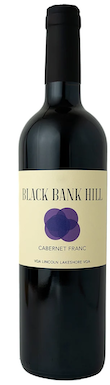
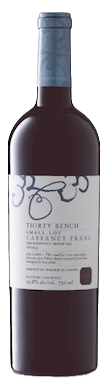
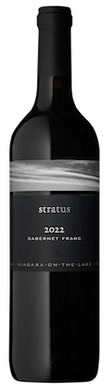
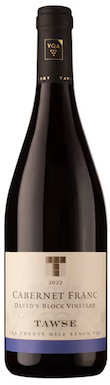
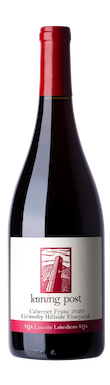
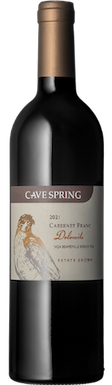
The specific sub-appellations within Niagara and Finger Lakes further refine the expression of Cabernet Franc. In Niagara, regions like Lincoln Lakeshore, Beamsville Bench, Twenty Mile Bench, and Niagara-On-The-Lake each offer subtle differences in soil and microclimate, leading to distinct wine profiles. For example, the Beamsville Bench, with its elevated vineyards and limestone-rich soils, often produces wines with pronounced minerality and elegance, as exemplified by offerings from Thirty Bench and Cave Spring Vineyards. Wineries like Black Bank Hill and Leaning Post Wines from Lincoln Lakeshore contribute expressions showcasing vibrant fruit and herbaceous complexity. Stratus Vineyards and Tawse Winery further demonstrate the region’s diversity, with wines offering aromatic depth and refined structure.
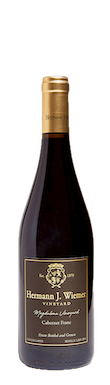
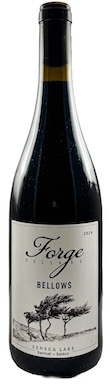
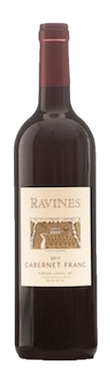
In the Finger Lakes, the influence of individual lakes and their surrounding hillsides is palpable. Seneca Lake, the deepest of the Finger Lakes, provides a powerful moderating effect, fostering excellent conditions for Vitis vinifera. Wineries like Hermann J. Wiemer, with its iconic Magdalena Vineyard, and Forge Cellars, are crafting Cabernet Francs that balance dark fruit with earthy and mineral undertones, reflecting the unique shale and slate soils. Ravines, Boundary Breaks, and Macari Vineyards (from Long Island, also benefiting from maritime influence) further showcase the grape’s versatility, with wines exhibiting charming herbal notes, bright acidity, and structured tannins. Paumanok Vineyards from Long Island also contributes to this regional tapestry, producing wines with notable purity of fruit and velvety textures.
The Economic and Reputational Ripple Effect
The rise of Cabernet Franc in these regions is not merely a viticultural success story; it carries significant economic and reputational implications. The burgeoning wine industries in both Niagara and the Finger Lakes contribute substantially to regional economies through direct agricultural employment, winery operations, and a thriving wine tourism sector. Wineries, tasting rooms, restaurants, and accommodation providers all benefit from the increasing influx of visitors drawn by the promise of world-class wines and picturesque landscapes.
Beyond economic impact, the consistent quality and distinctive character of Cabernet Franc from these cool-climate regions are elevating the global perception of North American wines. They are increasingly featured on international wine lists, garnering favorable reviews from critics, and winning awards in prestigious competitions. This recognition helps to dispel outdated notions about North American wine production and establishes these regions as serious contenders on the global stage, capable of producing wines with a true sense of place.
Sustainability and Future Horizons
As these regions mature, there is a growing emphasis on sustainable viticultural and winemaking practices. Many wineries are adopting organic, biodynamic, and other environmentally friendly approaches, recognizing the importance of preserving their unique ecosystems and ensuring the longevity of their vineyards. This commitment to sustainability not only aligns with consumer demand for ethically produced wines but also reinforces the authenticity and terroir-driven philosophy of the regions. The author’s own advocacy for sustainable practices and wines that reflect a sense of place underscores this important trend.
Looking ahead, the future of Cabernet Franc in the Niagara Peninsula and Finger Lakes appears bright. Continued research into clonal selection, vineyard management techniques tailored to specific microclimates, and innovative winemaking approaches will likely lead to even greater expressions of the grape. Challenges such as climate change, with its potential for more extreme weather events, will necessitate ongoing adaptation and resilience from growers. However, the inherent suitability of Cabernet Franc to these cool climates, coupled with the dedication and expertise of the region’s winemakers, positions it for sustained growth and recognition. For wine enthusiasts, these regions offer a compelling exploration of Cabernet Franc, presenting a nuanced spectrum of styles that are both intellectually stimulating and immensely enjoyable. The narrative of Cabernet Franc in this eastern corridor of North America is still unfolding, promising further discoveries and delights for years to come.