admin
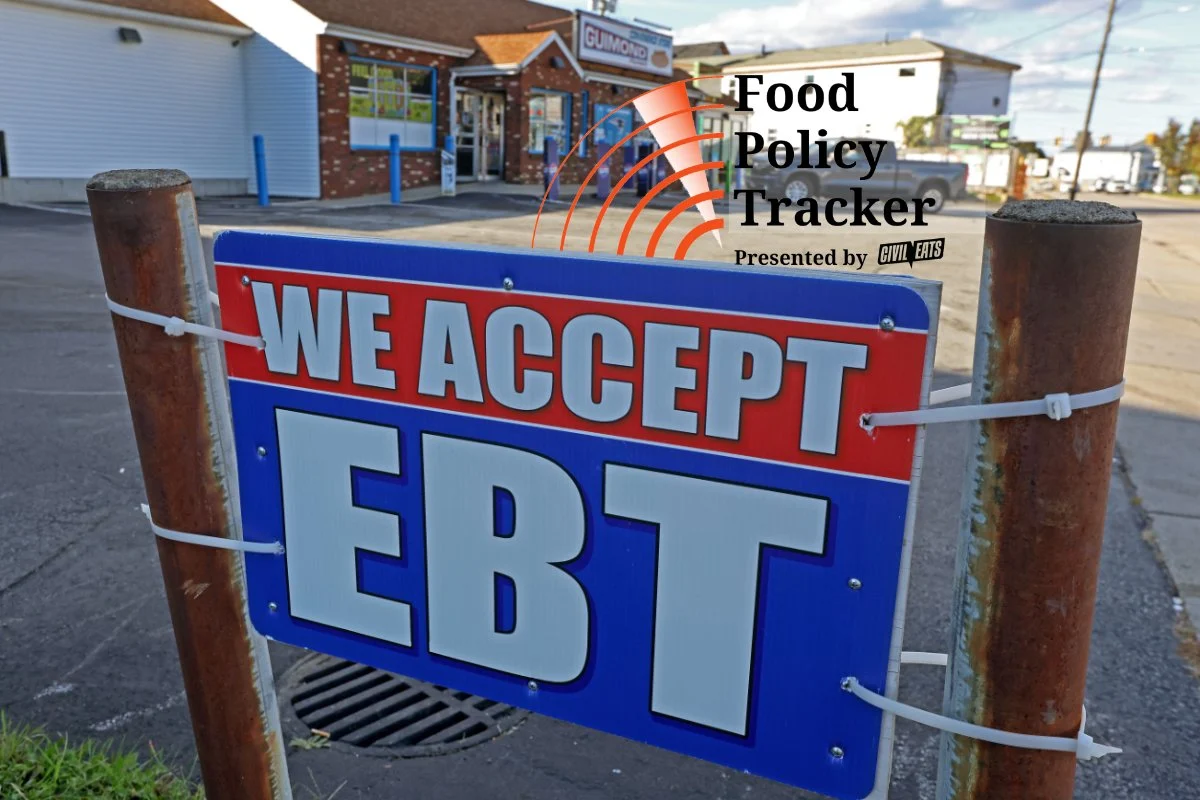
October 21, 2026 – The U.S. Department of Agriculture (USDA) unveiled a significant proposed rule on Wednesday, mandating the nationwide conversion of Electronic Benefit Transfer (EBT) cards to secure chip-based technology. This move aims to staunch the escalating tide of benefit theft plaguing recipients of federal food assistance, particularly those relying on the Supplemental Nutrition Assistance Program (SNAP). While lauded by some as a crucial step towards safeguarding vulnerable households, the proposal immediately sparked concern among state officials and advocacy groups, who warn that without dedicated federal funding, it constitutes an unfunded mandate poised to exacerbate already precarious state budgets.
The core of the USDA’s proposal requires all states to transition their EBT card systems to chip technology within two years of a final rule being published. This ambitious timeline underscores the urgency the federal government places on mitigating what has become one of the most pervasive forms of fraud within the SNAP program: "skimming."
The Vulnerability of Magnetic Strips and the Rise of Skimming
For years, EBT cards, the digital equivalent of food stamps, have relied on outdated magnetic strip technology for transactions at grocery stores and authorized retailers. This technology, while once revolutionary, has been largely superseded in the broader financial sector by more secure chip-based systems. Unlike debit and credit cards, which have progressively adopted EMV chip technology (Europay, MasterCard, and Visa standard) for enhanced security, EBT cards have lagged behind, making them prime targets for sophisticated criminal enterprises.
Skimming involves criminals surreptitiously installing devices, often indistinguishable from legitimate card readers, onto point-of-sale terminals or ATMs. These devices capture sensitive card information, including account numbers and PINs, from the magnetic strip as a shopper swipes their card. Once stolen, this data can be cloned onto counterfeit cards, allowing thieves to drain a recipient’s benefits. The insidious nature of this crime means that SNAP recipients often remain unaware of the theft until they attempt to make a purchase, only to find their funds depleted. Unlike traditional bank accounts, replacing stolen SNAP benefits has historically been a challenging and often impossible task, leaving already struggling families without the means to purchase essential groceries.
The scale of this theft has reached alarming proportions. An estimated $600 million was stolen from SNAP households in 2025 alone, a staggering figure that represents a significant erosion of critical assistance intended to combat food insecurity. This issue began its sharp escalation approximately four years ago, transforming from an intermittent nuisance into a systemic threat that disproportionately impacts some of the nation’s most vulnerable citizens. For a program designed as a safety net, the loss of hundreds or even thousands of dollars in benefits can plunge families deeper into hardship, forcing impossible choices between food, rent, and medication. The average individual loss, though varying, can be substantial enough to cover weeks or even a month’s worth of groceries, directly undermining the program’s objective.
A Necessary Evolution: The Shift to Chip Technology
The proposed rule is a direct response to this ongoing crisis. Chip-enabled cards offer a significantly higher level of security compared to magnetic strips. When a chip card is inserted into a reader, it generates a unique, encrypted transaction code for each purchase. This "dynamic data" makes it exceedingly difficult for criminals to clone cards or reuse stolen information, as the data captured from one transaction would be useless for another. This fundamental difference is why banks and credit card companies globally have largely moved to EMV chips, drastically reducing fraud rates associated with physical card present transactions.
Justin King, policy director at Propel, an application designed to help SNAP households manage their EBT cards, welcomed the USDA’s proposal. "Households that rely on SNAP and EBT are already vulnerable; they need and deserve strong protections, no matter where they live," King stated in an email, acknowledging the proposal as a "big step forward" despite the acknowledged challenges ahead. The sentiment reflects a broad consensus among advocates that enhanced security is long overdue for a program serving over 40 million Americans.
Indeed, some states have already taken proactive measures to address the threat. Currently, eight states have independently adopted chip card technology for their EBT systems, recognizing the immediate need to protect their residents. Another six states are actively participating in pilot projects to test and implement the new technology. The momentum for this transition gained significant traction under the Biden administration, which finalized a standardized technical specification for EBT chip technology. This crucial step provided a uniform framework, making it easier for states and EBT processors to plan and implement conversions without disparate technical hurdles.
The Unfunded Mandate: A $283 Million Question
Despite the universal agreement on the necessity of enhanced security, the financial implications of the USDA’s proposed mandate have ignited a fiery debate. The proposed rule estimates the total upfront costs for this nationwide conversion at approximately $283 million. This substantial sum would be distributed across various stakeholders, including state agencies responsible for administering SNAP, the federal government (for its share of some operational costs and potential reimbursements), EBT card processing vendors, retail businesses needing to upgrade point-of-sale terminals, and potentially even households who might incur minor fees or time costs.
The most contentious aspect, however, is the lack of explicit federal funding to cover these state-level expenses. Gina Plata-Nino, SNAP director at the Food Research and Action Center (FRAC), a leading anti-hunger advocacy organization, minced no words in her assessment. "This is an unfunded mandate," Plata-Nino declared, articulating a sentiment widely shared among state administrators. "It’s not realistic for states to be able to do this."
Historically, the administrative costs associated with running the SNAP program, including system upgrades and technology transitions, have been shared between the federal government and individual states, typically on a 50-50 basis. This long-standing partnership acknowledged the joint responsibility for the program’s efficient and secure operation. However, a seismic shift in this cost-sharing paradigm has occurred, placing an unprecedented burden on state budgets.
The Shadow of the "One Big Beautiful Bill" (OBBB)
The timing of the USDA’s proposed rule could not be more challenging for states, whose budgets are already reeling from the financial repercussions of the Republican-led "One Big Beautiful Bill" (OBBB). This comprehensive legislative package, enacted in the preceding year, introduced sweeping changes to federal funding mechanisms, with profound implications for social safety net programs like SNAP.
Under the OBBB, the federal-state administrative cost-sharing agreement for SNAP was drastically altered. States are now responsible for 75 percent of administrative costs, a dramatic increase from the traditional 50 percent share. This shift alone translates into millions of additional dollars in expenses for most states, draining resources that were previously available for other critical state services or discretionary spending. For states with large SNAP caseloads, this represents an enormous and unanticipated budgetary strain.
But the OBBB’s impact extends beyond administrative costs. For the first time, it also mandates that some states cover a portion of SNAP benefit costs themselves. The exact amount of this required state contribution is directly tied to a state’s SNAP payment error rate – a measure of how accurately benefits are distributed. While ostensibly designed to incentivize efficiency, this provision introduces a new layer of financial risk and uncertainty for states, particularly those grappling with complex administrative challenges or large, diverse populations.
States at a Crossroads: Pausing, Accelerating, or Exiting SNAP?
The combined weight of these new financial obligations has created an existential dilemma for many state officials. Ahead of the USDA’s proposed chip card mandate, some state officials had already informed investigative journalists at ProPublica that they were pausing their existing chip-card implementation efforts specifically due to the new cost structures imposed by the OBBB. The rationale was simple: facing massive new administrative and benefit cost-sharing responsibilities, allocating resources to a major technological overhaul, however necessary, became an impossible priority.
Conversely, Plata-Nino noted that some states, anticipating the administrative cost shift, had rushed to roll out their chip cards before the new 75 percent administrative cost burden kicked in, hoping to benefit from the more favorable 50-50 federal match while it was still available. This bifurcation of state responses highlights the chaotic and reactive environment created by the OBBB’s fiscal changes.
The most alarming implication, according to Plata-Nino, is that some states are now actively considering drastic measures, including pulling out of the SNAP program entirely or significantly pausing their participation. The prospect of states opting out of a federal program designed to alleviate hunger is unprecedented and would have catastrophic consequences for millions of low-income Americans, essentially creating food deserts in regions where state governments deem the program financially unsustainable.
"How are they going to have the money to implement something that is needed, but right now cannot be a priority?" Plata-Nino questioned, encapsulating the impossible bind states find themselves in. The mandate to upgrade security, while critically important for recipient protection, arrives at a moment when states are least equipped to absorb additional financial responsibilities.
Legislative Efforts and the Path Forward
The gravity of the situation has not gone unnoticed by federal lawmakers. Bipartisan groups in Congress have introduced legislation aimed at providing dedicated funding to assist states with the transition to chip-enabled EBT cards. Senators Ron Wyden and John Fetterman, alongside Senator Bill Cassidy, for instance, have been among those championing bills to protect SNAP benefits against theft by providing financial support for these upgrades. However, these legislative efforts have, to date, met with limited success, failing to gain the necessary traction to pass into law and provide the much-needed federal financial commitment.
The USDA’s proposed rule, while undeniably addressing a critical vulnerability in the SNAP program, casts a long shadow over the future of federal-state collaboration in food assistance. The move highlights a growing tension between federal policy objectives and the fiscal realities faced by states. Without a robust federal funding mechanism to accompany this mandate, the noble goal of protecting SNAP recipients from theft risks becoming an unbearable financial burden for states, potentially jeopardizing the very program it seeks to secure. The coming months will undoubtedly see intense negotiations and advocacy as stakeholders grapple with the imperative of security versus the constraints of budget, charting a course that will determine the future accessibility and integrity of America’s primary anti-hunger program.