admin
Halifax Regional Police (HRP) have announced what is believed to be the largest seizure of fentanyl and gamma-hydroxybutyrate (GHB) in Atlantic Canada’s history, alongside a highly concerning illegal firearm modification, signaling an escalating threat from organized crime within the region. The monumental bust, which followed an extensive investigation, saw law enforcement recover substantial quantities of deadly narcotics and a device capable of transforming a standard handgun into a fully automatic weapon, underscoring the complex and evolving challenges facing public safety and health officials.
Details of the Record-Breaking Interception
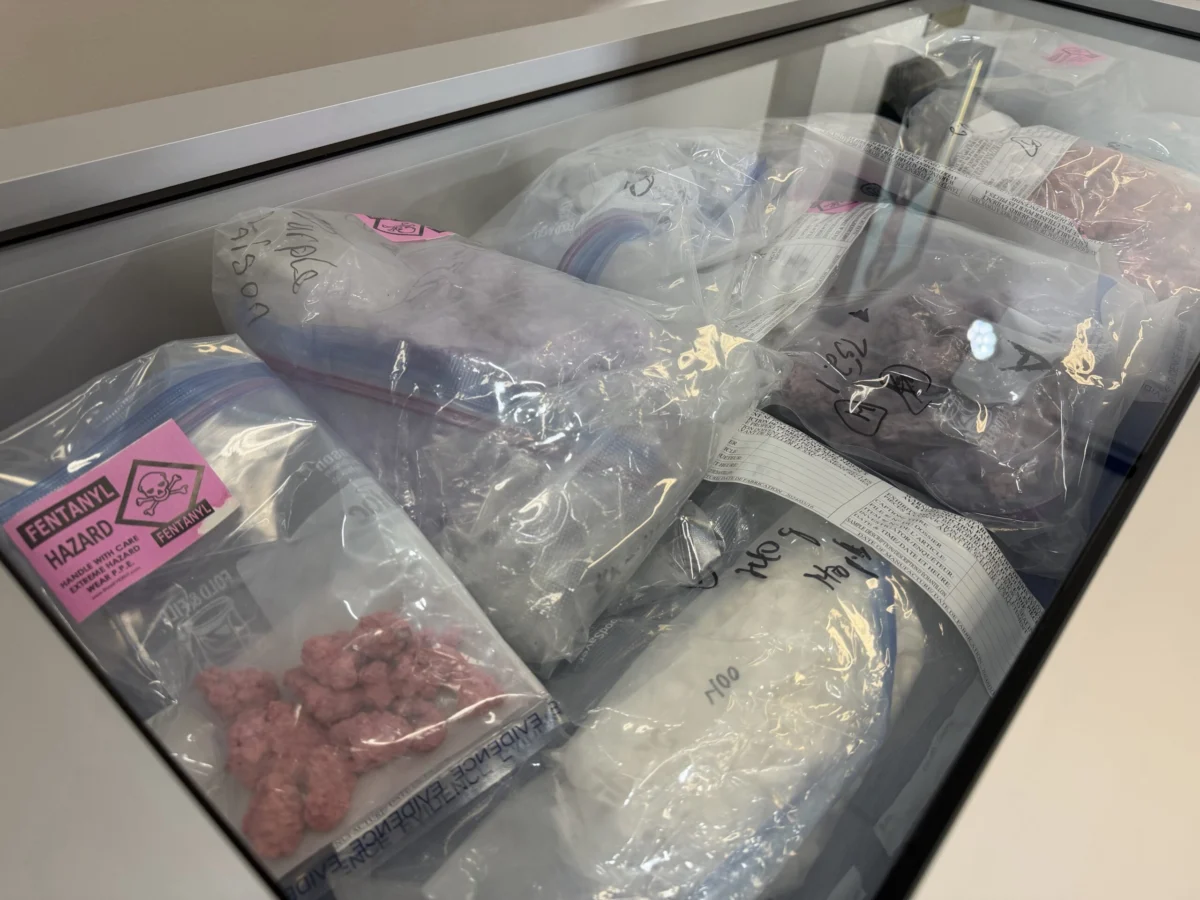
The significant seizure occurred on September 4th, during a targeted search of a residence on Elmwood Avenue in Dartmouth. The scope of the contraband discovered was immediately recognized as unprecedented for the region. Among the illicit substances confiscated were a staggering 6.2 kilograms of raw fentanyl, an additional 1,400 individual fentanyl pills, and 10.5 litres of GHB. The operation also yielded 96 packages of cannabis gummies, indicating a diverse array of illegal narcotics intended for distribution.
Beyond the narcotics, a critical discovery was made: a Glock switch. This illegal attachment for a handgun is a highly dangerous modification, capable of converting a semi-automatic pistol into a fully automatic weapon, essentially creating a machine gun. The presence of such a device has sent ripples of concern through law enforcement and community safety advocates.
Speaking to the media on Wednesday, where the seized drugs were displayed, Staff Sgt. Nick Pepler from HRP’s Special Enforcement Section emphasized the extraordinary nature of the find. "It is not even in the realm of what we’ve seized in the past," Pepler stated, highlighting the sheer volume and potency of the drugs. Police estimate the bulk street value of the seized fentanyl alone to be approximately $500,000, with the GHB valued at around $5,000. Authorities believe these drugs were being held for trafficking purposes and had not yet entered the local street market, potentially preventing countless overdoses and related harms.
The Investigation and Charges
The September 4th search on Elmwood Avenue culminated in charges against three individuals: two 43-year-olds and a 73-year-old. While specific charges were not immediately detailed, they are expected to relate to drug trafficking and illegal firearms possession. HRP investigators firmly believe that the individuals charged were not operating in isolation, suggesting a connection to larger organized crime networks responsible for importing these dangerous substances and weapons into the region. This belief is supported by the quantity and variety of the seized items, which typically point to a sophisticated distribution infrastructure rather than independent operators.
The investigation leading to the Dartmouth bust is ongoing, with law enforcement working to dismantle the broader criminal enterprise believed to be behind this significant influx of illicit drugs and weaponry. Such operations often involve complex intelligence gathering, surveillance, and inter-agency cooperation to trace supply chains and identify key players within organized crime groups.
The Potent Peril of Fentanyl: A National Crisis Reflected Locally
The seizure of 6.2 kg of fentanyl, coupled with 1,400 pills, represents a critical blow to the illicit drug supply chain in Atlantic Canada and underscores the persistent and deadly threat posed by this synthetic opioid. Fentanyl is an extremely potent opioid, estimated to be 50 to 100 times stronger than morphine. Even a minuscule amount, as small as two milligrams – equivalent to a few grains of salt – can be lethal. Its potency makes it incredibly dangerous for users, particularly when illicitly manufactured and distributed without quality control, leading to unpredictable concentrations and a high risk of accidental overdose.
Canada has been grappling with a severe opioid crisis for years, with fentanyl being a primary driver of overdose deaths across the country. According to Health Canada data, from January 2016 to December 2022, there were over 38,000 apparent opioid toxicity deaths in Canada. While specific regional data for Atlantic Canada can vary, the trend has shown a concerning increase in opioid-related harms, including fatalities, in provinces like Nova Scotia. The presence of such a massive quantity of fentanyl suggests that organized crime groups are actively seeking to expand their markets, bringing the national crisis directly to the doorsteps of Atlantic Canadian communities. This seizure alone had the potential to fuel thousands of lethal doses, making its interception a life-saving intervention.

GHB: The "Date Rape Drug" in Alarming Quantities
The 10.5 litres of GHB seized during the operation adds another layer of public health and safety concern. GHB, or gamma-hydroxybutyrate, is a central nervous system depressant that can produce euphoria, increased libido, and sedation. It is commonly known as the "date rape drug" due to its ability to induce amnesia, unconsciousness, and its ease of being slipped into drinks, rendering victims vulnerable to sexual assault. The drug works quickly, often within 15-20 minutes, and its effects can last for several hours. Overdosing on GHB can lead to severe respiratory depression, seizures, coma, and even death, especially when mixed with alcohol or other depressants.
The sheer volume of GHB seized – 10.5 litres – is particularly alarming. This quantity far exceeds what would be typically associated with individual recreational use and points strongly towards large-scale distribution. Its liquid form makes it easy to conceal and administer, exacerbating the risks it poses to public safety, particularly in social settings. The interception of such a large supply mitigates a significant threat, not only from recreational overdose but also from potential criminal exploitation.
The Alarming Presence of a Glock Switch
Perhaps one of the most concerning discoveries in the Dartmouth raid was the Glock switch. This small, illegal device, often 3D-printed or machined, attaches to the rear of the slide on a Glock pistol, effectively bypassing the semi-automatic firing mechanism and allowing the firearm to discharge continuously with a single pull of the trigger, akin to a machine gun. The transformation of a standard handgun into a fully automatic weapon dramatically increases its lethality and the potential for indiscriminate violence.
Staff Sgt. Pepler underscored the gravity of this find: "For those not familiar with the Glock switch, that’s easily adapted into a handgun… and now creates that gun to be fully automatic like a machine gun. Seeing a Glock switch here is extremely concerning. A fully automatic weapon on the street of Halifax is a concern for anybody in this room or anybody in the community." He added, "I feel like this seizure is unique and hopefully not a trend, but I guess further investigations and searches will tell us that."
The proliferation of such devices represents a significant escalation in the firepower available to criminal elements. These switches are relatively inexpensive and easy to acquire through illicit channels, making them a growing concern for law enforcement across North America. Their presence in Halifax indicates that sophisticated and dangerous tools of violence are being trafficked into the region, posing an immediate and severe threat to public safety, police officers, and bystanders. The potential for mass casualties in a public space becomes horrifyingly real when criminals possess such modified firearms.
Expert Analysis: A Shifting Drug Landscape in Atlantic Canada
Criminology professor Stephen Schneider from Saint Mary’s University offered critical insight into the broader implications of this seizure, confirming law enforcement’s suspicions about organized crime. He described the quantity of drugs and the presence of the Glock switch as indicative of "a fairly well-organized distribution point." Professor Schneider also highlighted a troubling trend for Nova Scotia and Atlantic Canada at large.
"It was only a matter of time before fentanyl quantities of this size arrived in Nova Scotia," Schneider remarked. He explained that "traffickers will create demand, they will search for new markets and ones that are profitable." Historically, Atlantic Canada, particularly Nova Scotia, has often been viewed as a transit point for drugs, especially cocaine, rather than a primary consumption market. However, this appears to be changing.
"Nova Scotia has always been seen just as a transit point for cocaine and now it’s being seen as a market," he elaborated. "So we’re getting cocaine from Mexico through the U.S. through Ontario and all the way to Nova Scotia." This shift suggests that organized crime groups are increasingly viewing the region as a viable and profitable end destination for their illicit products, leading to a greater saturation of dangerous substances within local communities. This trend has significant implications for local law enforcement, public health initiatives, and community safety programs, which must adapt to a more entrenched and dangerous drug market.
Broader Implications for Public Health and Safety

The unprecedented nature of this seizure carries profound implications for public health and safety across Atlantic Canada. The sheer volume of fentanyl intercepted directly translates to potentially thousands of lives saved, averting countless overdoses and the subsequent strain on emergency services and healthcare systems. However, the discovery also serves as a stark reminder of the ever-present danger posed by illicit drugs in the community.
HRP, through Staff Sgt. Pepler, reiterated a crucial public health message: "When you use illicit drugs, there’s a real possibility that that drug could be laced with other substances like fentanyl, increasing the risk of overdose, serious injury, and/or death." This warning is particularly pertinent given the widespread practice of cutting or lacing street drugs with fentanyl, often without the user’s knowledge, dramatically increasing the risk of accidental overdose among those who may not intentionally seek out fentanyl.
Public health officials continuously advocate for harm reduction strategies, including the distribution of naloxone kits – an opioid overdose reversal medication – and the establishment of supervised consumption sites, where available. Such measures become even more critical in the face of such large-scale fentanyl trafficking, as they provide immediate interventions that can prevent fatalities. The community’s vigilance and awareness of the signs of overdose, along with knowledge of how to respond, are vital components of a comprehensive public health response.
Law Enforcement’s Ongoing Battle Against Organized Crime
This record-breaking seizure is a significant victory for the Halifax Regional Police and a testament to the dedication of their Special Enforcement Section. It disrupts a major supply line and undoubtedly deals a blow to the organized crime groups operating in the region. However, law enforcement agencies acknowledge that the fight against sophisticated criminal networks is continuous and resource-intensive. Organized crime groups are highly adaptable, constantly seeking new routes, methods, and markets for their illicit trade.
The presence of the Glock switch, in particular, highlights the increasingly dangerous environment in which police officers operate. Confronting individuals armed with such modified firearms poses an elevated risk to officers and the public. This necessitates ongoing investment in specialized training, equipment, and intelligence capabilities for police forces to effectively counter these threats. The HRP’s success in this operation will likely trigger further investigations, both locally and in collaboration with provincial and national law enforcement partners, to unravel the full extent of the criminal network involved. This includes tracing the origins of the drugs and the Glock switch, identifying higher-level operatives, and dismantling their distribution channels.
Community Response and Prevention
The community response to such a significant seizure often includes a mixture of relief and renewed concern. While the immediate threat posed by these specific drugs and the weapon is neutralized, the underlying issues of drug demand, addiction, and the presence of organized crime remain. Community leaders and public safety advocates often leverage such events to reinforce messages about youth drug prevention, the dangers of substance abuse, and the importance of reporting suspicious activities to police.
Educational initiatives aimed at raising awareness about the risks of fentanyl, GHB, and the signs of drug activity are crucial. Furthermore, supporting addiction treatment and recovery services becomes paramount, addressing the demand side of the illicit drug market. A holistic approach involving law enforcement, public health, educational institutions, and community organizations is essential to build resilience against the infiltration of dangerous drugs and weapons.
In conclusion, the Halifax Regional Police’s record-breaking seizure of fentanyl, GHB, and a Glock switch marks a pivotal moment in the ongoing struggle against illicit drugs and organized crime in Atlantic Canada. It serves as a stark reminder of the potent threats facing communities, from the deadly consequences of opioid addiction to the escalating violence associated with illegal firearms. While this operation represents a significant success, it also underscores the critical need for continued vigilance, robust law enforcement efforts, comprehensive public health strategies, and strong community engagement to safeguard the well-being of residents across the region.