admin
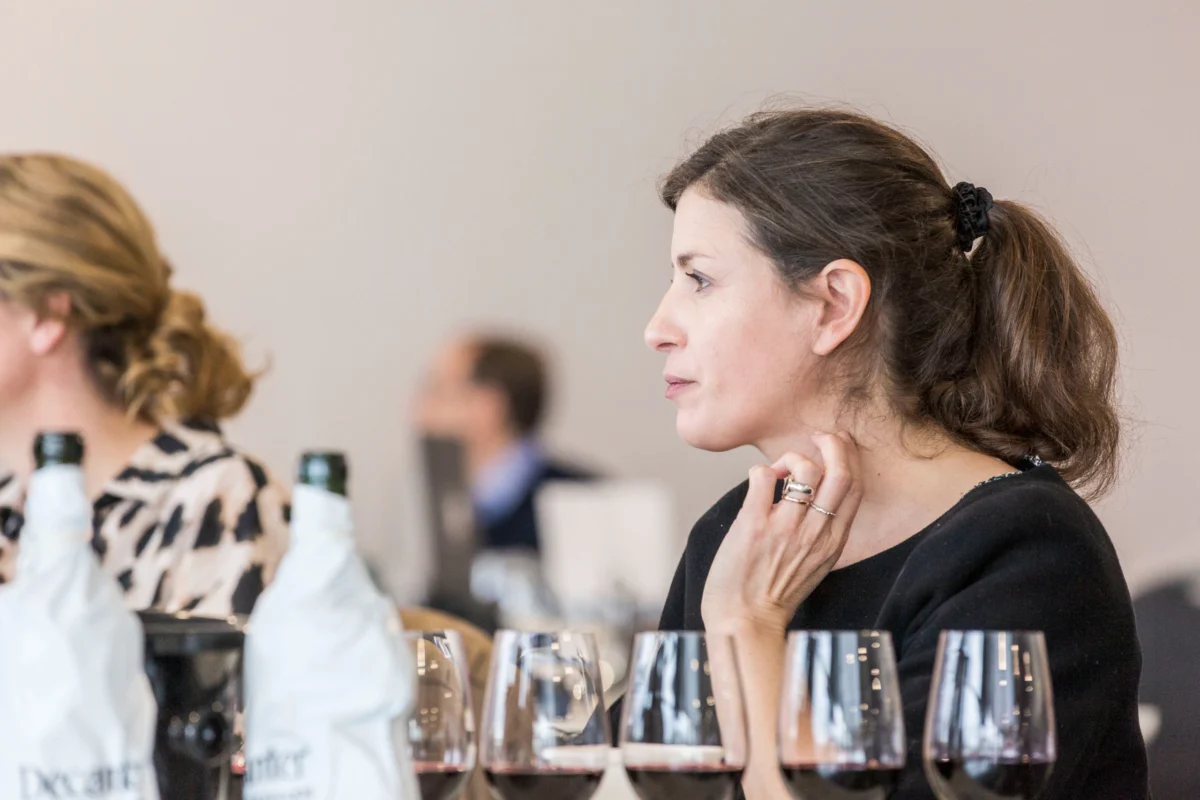
Once a dominant force in French viticulture, Carignan, a red grape variety, is experiencing a significant renaissance, reclaiming its esteemed position after decades of being overshadowed by international varieties like Merlot. This resurgence is particularly evident in its strong performance at prestigious competitions, with the Decanter World Wine Awards (DWWA) 2026 highlighting its exceptional quality through numerous accolades, including two coveted Gold medals. This renewed appreciation stems from a deeper understanding of its potential, especially from old vines, and its inherent resilience, making it a grape increasingly vital in the face of evolving climatic conditions.
A Storied History: The Rise, Decline, and Rebirth of Carignan
The narrative of Carignan is one of profound transformation, mirroring broader trends in the global wine industry. Originating likely from Aragon in Spain, where it is known as Cariñena or Mazuelo, the grape made its way across the Pyrenees to France, becoming a cornerstone of Southern French viticulture, particularly in the Languedoc-Roussillon region. By the mid-20th century, Carignan was arguably the most planted red grape variety in France. Its popularity during this era was not accidental; the vine is celebrated for its vigorous growth, high yields, and remarkable adaptability to the hot, arid Mediterranean climate. These characteristics made it an economic powerhouse, providing the volume necessary for both domestic consumption and the burgeoning bulk wine export market. It was a workhorse grape, crucial for replanting efforts following the phylloxera epidemic of the late 19th century, offering a dependable and robust solution for vineyard recovery.
However, the late 20th century brought a dramatic shift in consumer preferences and agricultural policies. As the focus moved from quantity to quality, and as French wine sought to compete on the international stage, Carignan’s association with high yields and, at times, dilute wines from young vines, became a liability. The French government implemented vine pull schemes aimed at reducing overproduction and encouraging the planting of "noble" varieties like Merlot, Cabernet Sauvignon, and Syrah, which were perceived as offering greater finesse and market appeal. Consequently, vast tracts of Carignan vineyards were uprooted, and its prominence waned considerably. Its robust, austere tannins and high acidity, while offering structure, were often seen as less approachable in an era favoring softer, fruit-forward wines.
The turning point for Carignan began subtly in the late 1990s and gained momentum in the 21st century. A new generation of winemakers, particularly in Southern France, Spain, and Sardinia, started to re-evaluate indigenous varieties and embrace sustainable viticultural practices. They discovered that when Carignan vines were old—often 50 years or more, known as vieilles vignes—their yields naturally decreased, leading to wines of incredible concentration, complexity, and elegance. These old vines, with their deep root systems, were also exceptionally drought-resistant, a quality becoming increasingly valuable as climate change brings hotter, drier summers to traditional wine-growing regions. This rediscovery, coupled with a global trend towards seeking out authentic, terroir-driven wines and a diversification away from mainstream varieties, fueled Carignan’s revival.
Viticultural Profile and Sensory Characteristics
Carignan is readily identifiable by its thick-skinned berries, which contribute to the deep, intense color found in its wines. These thick skins are also a source of the grape’s characteristic high tannin levels. The vine’s inherent vigor means that careful vineyard management, including severe pruning and yield control, is essential to prevent overproduction and ensure grape quality. It is a late-ripening variety, benefiting from long, warm growing seasons, which allows its tannins to mature fully and soften. Its ability to retain acidity, even under the intense Mediterranean sun, is a critical attribute, lending freshness and balance to wines that might otherwise be heavy or flabby in hot climates. This makes it particularly well-suited to the sun-drenched vineyards of the Languedoc-Roussillon, Sardinia, and parts of Spain.
Carignan-based wines typically exhibit a deep ruby to garnet color. On the nose, they offer a captivating array of aromas, frequently dominated by red fruits such as raspberry and cherry, often evolving into darker plum and blackberry notes with age or from riper harvests. Spicy undertones are a hallmark, with cinnamon, black pepper, and sometimes licorice or dried herbs (garrigue in France) adding complexity. Earthy and savory nuances, including tobacco, graphite, and even meaty notes, can also be present, particularly in wines from older vines or specific terroirs. On the palate, Carignan wines are often medium-bodied, characterized by their firm, sometimes austere tannins and vibrant acidity. The best examples from old vines demonstrate remarkable concentration, structure, and a long, persistent finish, often revealing layers of fruit, spice, and mineral complexity. While excellent as a single varietal, Carignan’s structure and acidity make it an outstanding blending partner, commonly paired with Grenache (Garnacha), Syrah, and Mourvèdre (Monastrell) to create classic Rhône-style blends, where it contributes backbone, color, and aging potential.
Global Footprint: Key Regions of Cultivation
Carignan’s enduring appeal is reflected in its widespread cultivation across various wine regions, predominantly those with Mediterranean climates.
- France: The Languedoc-Roussillon remains its spiritual home, where it thrives in appellations such as Corbières-Boutenac, Minervois, and Fitou. Here, producers are increasingly championing old-vine Carignan, transforming it from a bulk commodity into a premium expression of the region’s terroir. The wines from this region are known for their rustic charm, vibrant fruit, and spicy complexity.
- Spain: Known as Cariñena or Mazuelo, and sometimes Samsó in Catalonia, the grape holds significant importance. It is a key component in the powerful, mineral-driven blends of Priorat, where it often contributes structure and acidity alongside Garnacha. In its namesake DO Cariñena in Aragon, it is a primary variety, producing robust red wines.
- Italy: On the Mediterranean island of Sardinia, Carignano (as it’s known locally) is the star of the show, particularly in the Carignano del Sulcis DOC. Here, it excels in the island’s unique sandy, coastal soils, often producing elegant, saline-tinged wines with a distinct sense of place.
- Beyond Europe: Carignan has also found homes in the New World. In Chile, particularly in the Maule Valley, old, dry-farmed Carignan vines have been resurrected, yielding wines of intense character and freshness. South Africa, especially in regions like Swartland, sees Carignan contributing to Rhône-style blends, valued for its heat resistance. It also has a presence in Argentina and Israel, where its adaptability to warm climates is a significant asset.
Decanter World Wine Awards 2026: A Testament to Quality
The Decanter World Wine Awards (DWWA) is one of the world’s largest and most influential wine competitions, and its recognition of Carignan in 2026 underscores the grape’s ascent in quality and prestige. The DWWA 2026 saw Carignan earn two coveted Gold medals, alongside an impressive 28 Silver and 12 Bronze medals, reflecting its consistent performance across various styles and regions. This strong showing is a powerful endorsement from leading global wine experts.
One Gold medal was awarded to Gérard Bertrand, La Forge, Corbières-Boutenac, Languedoc-Roussillon 2023 from France. The judges described it as having "plushness, density, crazily weighted yet not heavy. Scatterings of salt and lift over plump blackberries. A scintillating conversation you want to continue," highlighting its profound depth and sophisticated character. This wine exemplifies the potential of Languedoc-Roussillon’s old-vine Carignan, showcasing how careful winemaking can transform this once-underestimated grape into a truly noble expression.
The second Gold medal went to Siddùra, Èstru Carignano, Isola dei Nuraghi, Sardinia 2023, a testament to Italy’s expertise with the variety. The tasting notes lauded "aromas of turned earth and sun-baked clay mingle with blackberry and cherry. Plump and glycerol on the palate with dusty tannins and eucalyptus length. Textbook," praising its regional authenticity and impeccable structure. Sardinia, with its unique terroir, has long championed Carignano, and this award further solidifies its reputation as a prime location for the grape.
The breadth of Silver and Bronze medals, spanning regions from Chile to Spain, further illustrates Carignan’s global reach and its ability to produce high-quality wines in diverse environments. These awards are not merely accolades; they serve as a guide for consumers and a benchmark for producers, signaling Carignan’s undeniable place among the world’s fine wine varieties.
Industry Perspectives and Future Implications
The renaissance of Carignan is more than a fleeting trend; it represents a significant shift in viticultural philosophy and market demand. Industry experts and winemakers are increasingly vocal about its importance. "Winemakers are rediscovering the incredible potential of old-vine Carignan, transforming it from a workhorse grape into a noble variety capable of producing wines of immense character and complexity," remarked one prominent Languedoc producer. "Its resilience in hotter climates is particularly valuable, making it a grape for the future."
Indeed, Carignan’s inherent drought resistance and ability to thrive in warm, arid conditions position it as a "climate change champion." As global temperatures rise and water resources become scarcer, varieties like Carignan, which require less irrigation and maintain acidity in heat, will become increasingly critical for sustainable viticulture. This aspect is not lost on forward-thinking wineries, especially in traditionally warm regions.
Moreover, the growing consumer interest in authentic, regionally expressive wines, and a desire to explore beyond the mainstream, has created a fertile ground for Carignan. Consumers are seeking wines with a story, a sense of place, and a distinct character, all of which Carignan delivers in spades. Its capacity to produce wines that are both powerful and elegant, often with a savory edge that pairs beautifully with Mediterranean cuisine, broadens its appeal.
The annual celebration of Carignan Day, held on the last Thursday in October, further promotes awareness and appreciation for this dynamic grape. Such initiatives, coupled with consistent critical acclaim from bodies like Decanter, are instrumental in solidifying Carignan’s place in the global wine market.
Spotlight on Awarded Carignan Wines from DWWA 2026
The DWWA 2026 results offer a curated selection of Carignan wines that exemplify its quality and diversity. Here are some of the standout varietal Carignan wines recognized:
Chile
- The Co-Operative, Irresistible Carignan, Maule 2024 – Silver, 93 points. A minty nose with aromas of violets, cherry, and plums, framed by earthy and savory touches. Juicy and vibrant, very appealing. Alcohol 13.5%. This wine showcases the freshness and allure that Chilean Carignan can achieve.
- Undurraga, t.h Carignan, Maule 2024 – Silver, 92 points. Elegant aromas of dried Mediterranean herbs, blackberry, plums, and vanilla undertones. Beautiful freshness, mouthwatering acidity supported by loads of concentration. Alcohol 14.5%. A testament to the refined styles emerging from Chile’s old vines.
France
- Gérard Bertrand, La Forge, Corbières-Boutenac, Languedoc-Roussillon 2023 – Gold, 95 points. A baroness, holding court. Plushness, density, crazily weighted yet not heavy. Scatterings of salt and lift over plump blackberries. A scintillating conversation you want to continue. Alcohol 15.5%. A benchmark for premium French Carignan.
- Celliers d’Orfée, B, Corbières-Boutenac, Languedoc-Roussillon 2023 – Silver, 93 points. Meaty nose with aromas of dried herbs, olive leaves, graphite, and tobacco. Savory palate, earthy and concentrated. Characterful style. Alcohol 14.5%. Demonstrates the savory depth possible.
- Claude Vialade, 100 Ans Carignan, IGP Aude, Languedoc-Roussillon 2025 – Silver, 92 points. Dark and brooding nose with quite ripe aromas of black fruit, some touches of marmalade. Very juicy on the palate. Alcohol 13.5%. An example of Carignan’s fruit-forward yet complex side.
Italy
- Siddùra, Èstru Carignano, Isola dei Nuraghi, Sardinia 2023 – Gold, 95 points. Aromas of turned earth and sun-baked clay mingle with blackberry and cherry. Plump and glycerol on the palate with dusty tannins and eucalyptus length. Textbook. Alcohol 14.5%. A definitive expression of Sardinian Carignano.
Spain
- Davowin, Costerduo, Priorat 2021 – Silver, 94 points. Very appealing nose, with enticing notes of black pepper, dark plums, granadine, and blood orange. Fleshy and juicy palate. Alcohol 14%. Illustrates the vibrant fruit and spice of Priorat.
- Ferrer Bobet, Selecció Especial Vinyes Velles, Priorat 2021 – Silver, 94 points. Some herbal and floral character on the nose, touches of blackberries and boysenberry. Juicy and fresh on the palate. Alcohol 14%. A fine example of old-vine complexity.
- Vinicola Del Priorat, Onix Classic, Priorat 2024 – Silver, 94 points. Restrained notes of fresh blackberries, ripe cherries, and Mediterranean forest nuances. Smooth and ripe tannins, with a slatey character. Alcohol 13.5%. Highlights Priorat’s unique mineral qualities.
- Vinícola Del Priorat, Ónix Evolució, Priorat 2022 – Silver, 94 points. Very perfumed aromas of blackberries, spiced plums, strawberries, ripe cherries, and leafy nuances. Fleshy and chalky palate, very fresh. Alcohol 15%. A powerful yet elegant expression.
- Davowin, Costerduo Velles Vinyes, Priorat 2021 – Silver, 93 points. The nose displays scents of incense, chocolate, leather, and dark plums. Powerful palate, harmonious, and elegant. Wonderful wine. Alcohol 15%. A deep, layered wine from old vines.
- Davowin, Costerduo VV, Priorat 2021 – Silver, 93 points. Savory and sweet oak notes mingled with ripe strawberries, raspberries, and dark plums aromas. Warm palate, with a chewy texture. Alcohol 15%. Showcases the complexity derived from oak integration.
The journey of Carignan, from its historical dominance as a prolific workhorse grape to its decline and subsequent revival as a prized varietal, is a compelling testament to the dynamic nature of the wine world. Its adaptability, distinctive character, and increasing recognition, as exemplified by the Decanter World Wine Awards 2026, firmly establish Carignan as a grape not only rooted in tradition but also perfectly positioned for the future.