admin
As the golden hues of summer recede and the days perceptibly shorten, a natural inclination often steers culinary and beverage preferences towards more substantial, warming profiles. The refreshing, thirst-quenching libations that define sun-drenched terraces and long summer afternoons might seem to fade into memory. However, this assumption overlooks the remarkable versatility of one particular Italian staple: the spritz. Far from being confined to a single season, this adaptable aperitif is demonstrating an impressive capacity for reinvention, proving equally suited to crisp autumn afternoons, intimate gatherings, and the contemplative early evenings that mark the onset of cooler temperatures.
A Rich Tapestry of History: From Barracks to Aperitivo Hour
The lineage of the spritz traces back to the late 19th century, a period marked by the presence of Austro-Hungarian soldiers stationed across northern Italy. Accustomed to the lower alcohol content of their native beers and wines, these soldiers found the local Italian wines, particularly those from the Veneto region, to be notably potent. Their solution was simple yet profound: to dilute the wine with a "spritzen" (German for "splash") of sparkling water. This rudimentary act laid the foundation for what would evolve into one of Italy’s most iconic drinks.
Over the subsequent decades and into the 20th century, this diluted wine base underwent a significant transformation. Italians began incorporating amaro, a category of bittersweet herbal liqueurs, into the wine and soda water combination. This addition was not merely a flavour enhancement; it was a cultural inflection point, elevating the simple dilution into the complex, palate-stimulating aperitif we recognise today. The integration of amaro introduced a layer of herbal complexity, bitterness, and often, a vibrant colour that became synonymous with the drink. Iconic amari like Aperol, Campari, and Select emerged as protagonists in this evolving narrative, each offering a distinct profile that shaped regional spritz variations.
Beyond its constituent ingredients, the spritz for Italians embodies a deeply ingrained cultural ritual: aperitivo hour. This cherished tradition transcends the mere act of drinking; it signifies a designated pause in the day, typically between late afternoon and early evening, before dinner. It is a moment to unwind in a bustling piazza, a cosy cafe, or a friend’s home, to savour light snacks (known as stuzzichini), and to engage in unhurried conversation. This spirit of slowing down, of communal connection and mindful enjoyment, resonates particularly strongly as autumn draws in. The lengthening evenings and cooler air create an ideal backdrop for replicating the aperitivo experience, transforming a simple drink into an excuse to gather loved ones around a table, sharing olives, cured meats, and artisanal cheeses, and fostering a sense of warmth and camaraderie.

The Global Phenomenon and Shifting Palates: Market Trends
The spritz, particularly the Aperol Spritz, experienced a meteoric rise to global prominence in the 21st century, becoming a ubiquitous symbol of summer leisure. Industry data highlights this ascent, with market research firms consistently reporting significant year-on-year growth in sales of aperitifs and sparkling wines, largely driven by the spritz phenomenon. According to a 2022 report by Drinks International, the Aperol Spritz maintained its position as one of the world’s best-selling cocktails, a testament to its widespread appeal. This enduring popularity, however, has also spurred innovation.
As consumer palates evolve and demand for seasonal specificity grows, the beverage industry has responded with creative adaptations. Data from leading hospitality trend analyses indicates a burgeoning interest in "seasonal menus" that reflect local produce and changing climate, extending beyond food to encompass cocktails. This trend is not merely about novelty; it speaks to a deeper consumer desire for authenticity, mindful consumption, and an appreciation for nuanced flavour profiles throughout the year. While summer spritzes typically feature bright, citrusy, and floral notes, autumn presents an opportunity for richer, earthier, and spiced interpretations. This shift aligns with broader movements in the food and drink sector towards embracing the full spectrum of seasonal offerings, moving away from rigid categorizations. Leading mixologists and beverage directors across major cities have reported an increase in requests for "winter warmers" and "autumnal refreshers" that still maintain a certain lightness and effervescence, positioning the spritz as an ideal candidate for this seasonal metamorphosis.
Crafting the Autumn Spritz: Principles of Seasonal Mixology
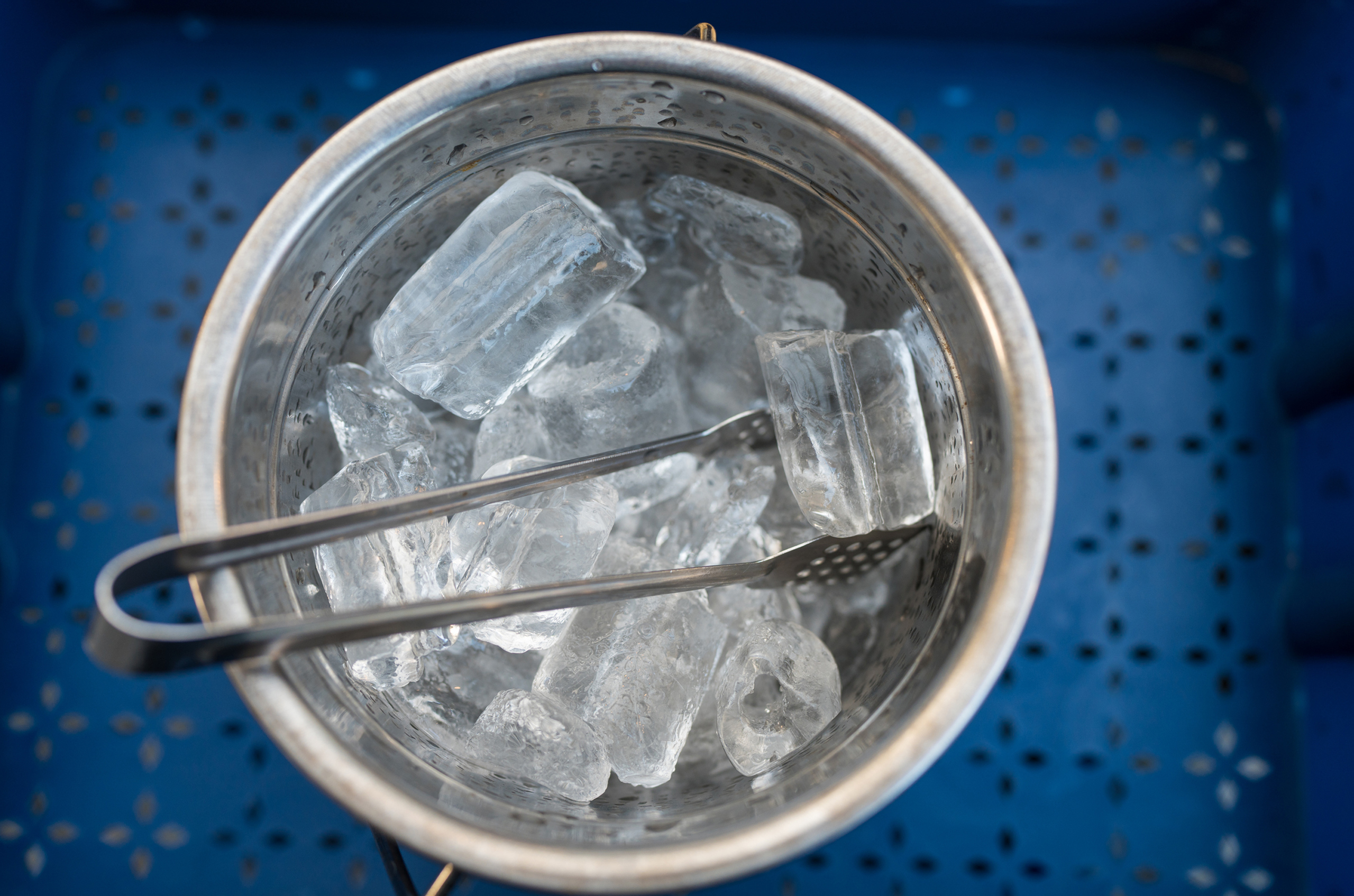
Regardless of the season, the fundamental principles of crafting an excellent spritz remain constant. The foundation of any great spritz lies in proper chilling and minimal dilution. To achieve this, it is paramount to use large, dry ice cubes, and in ample quantity. Large cubes melt slower, keeping the drink colder for longer without rapidly diluting the flavour. Furthermore, all liquid ingredients should be pre-chilled in the refrigerator. This ensures that when combined, the temperature of the final drink is optimal, preserving its crispness and effervescence. The assembly method is equally crucial: always build the spritz by adding still ingredients first (e.g., spirit, amaro, fruit juice), followed by the effervescent component (sparkling wine, soda water) poured gently and gradually. This technique prevents excessive bubbling over and helps maintain the drink’s lively fizz.
For an autumnal spritz, the starting point remains the classic triumvirate of sparkling wine, a bitter aperitif, and a splash of soda, but the choice of each element becomes an avenue for seasonal expression. Instead of simply reaching for the lightest Prosecco, one might consider a slightly richer Prosecco Superiore, a robust Crémant, or a Cava with more developed notes. The selection of the bitter aperitif is also key; while Aperol remains a classic, opting for an amaro with deeper, more herbaceous or spice-driven characteristics can immediately anchor the drink in autumn. From this traditional base, the true artistry of autumnal spritz creation emerges through thoughtful additions and substitutions.
The Autumnal Ingredient Palette: A Deeper Dive
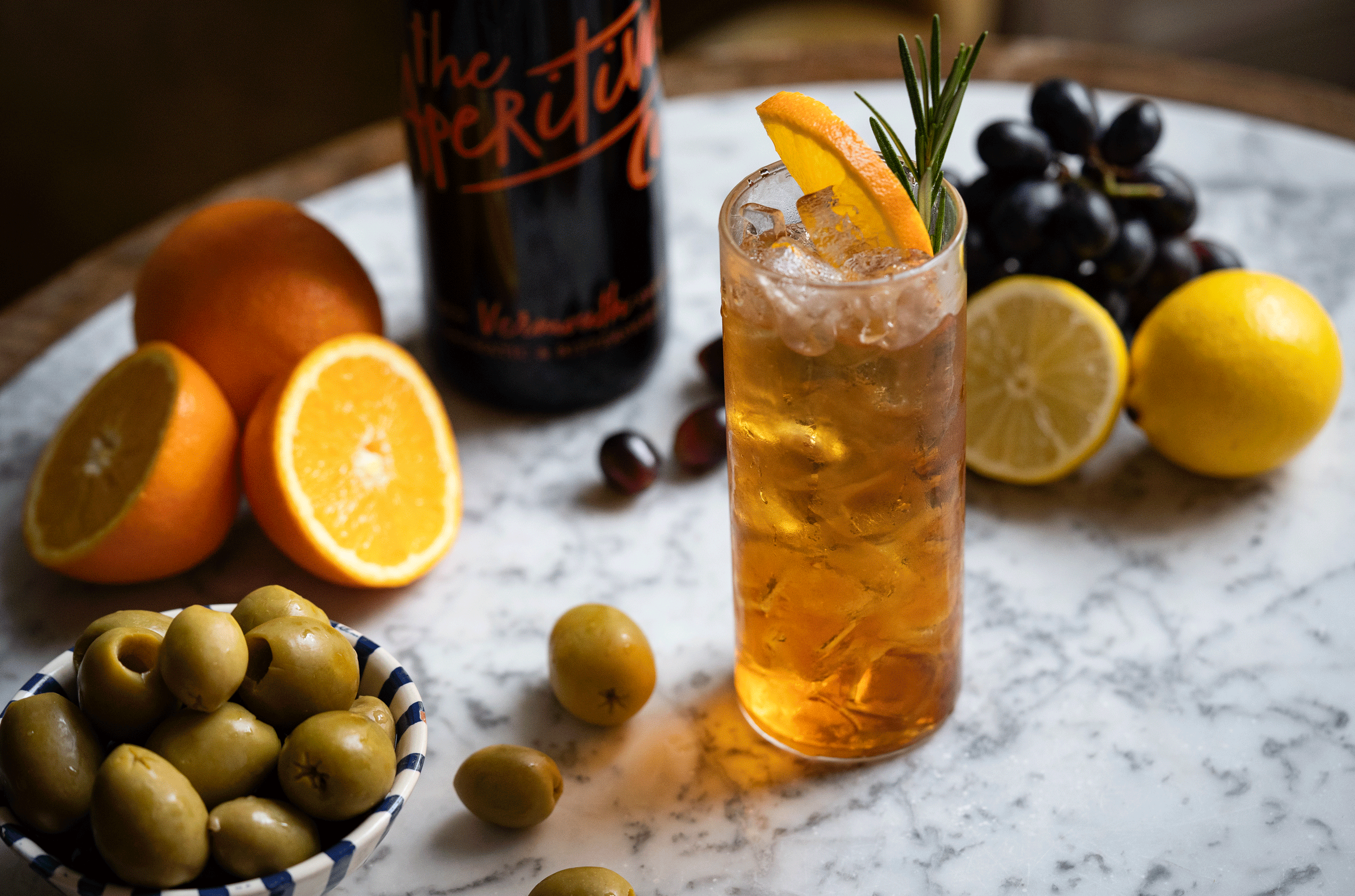
The transition to autumn unlocks a magnificent array of flavours perfectly suited for spritz experimentation. These can be broadly categorized:
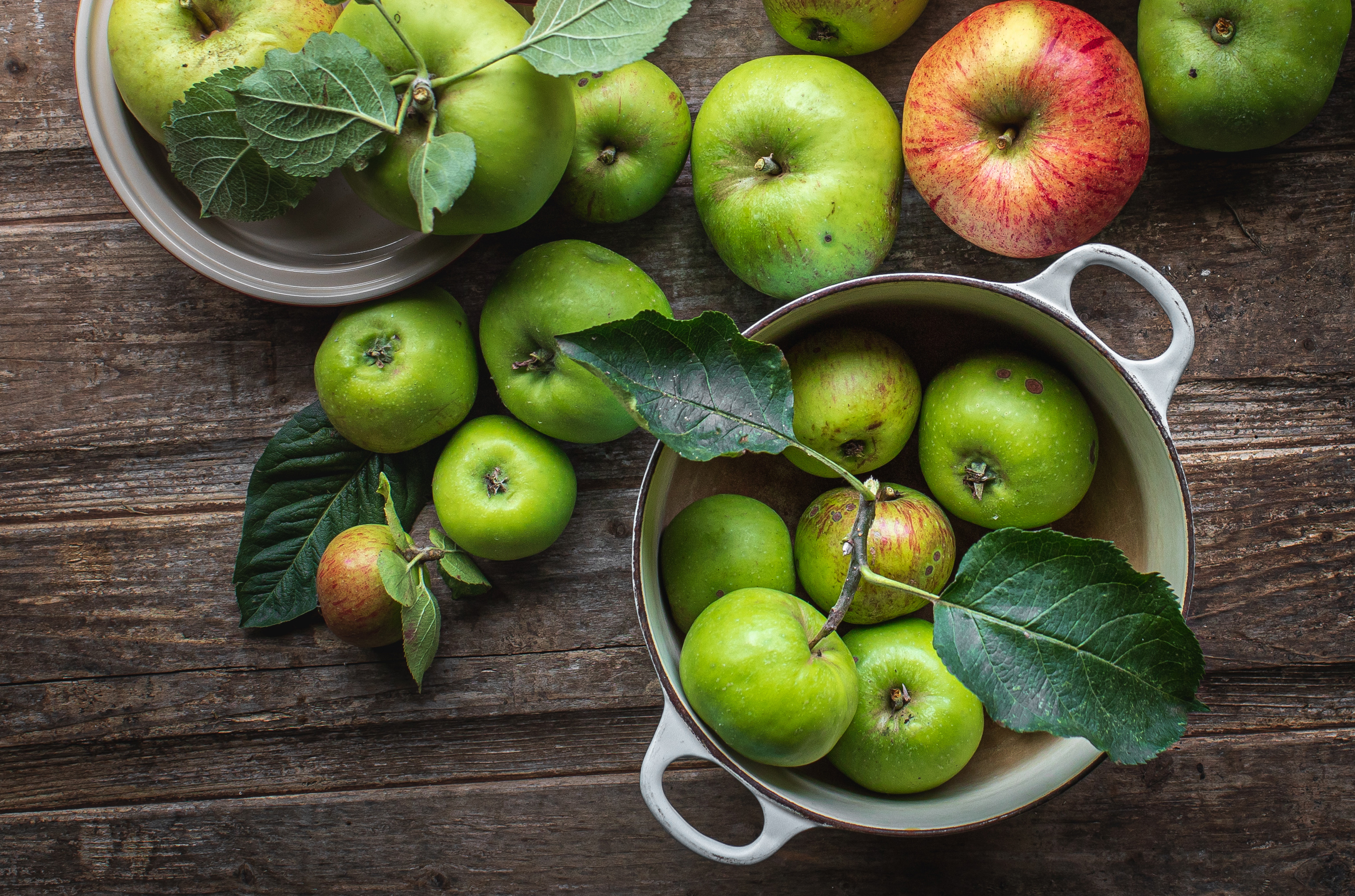
- Orchard Fruits & Berries: A subtle splash of freshly pressed apple or pear juice can introduce a delicate, sweet fruitiness that speaks to the harvest season. For deeper, richer notes, consider cherry juice (as in the Cherry Spritz recipe), or even a homemade sloe syrup for a tart, plummy depth. Quince, with its unique aromatic profile, offers a sophisticated, slightly floral and tangy dimension when incorporated as a jam or syrup. Figs, particularly their leaves, impart an earthy, coconut-like aroma that is surprisingly elegant and complex.
- Aromatic Herbs & Spices: Moving beyond summer’s mint and basil, autumn welcomes the robust fragrances of rosemary and thyme. A sprig of fresh rosemary or thyme, gently bruised to release its essential oils, can infuse a spritz with an invigorating, almost savoury herbaceousness. For a spicier kick, consider a dash of cinnamon syrup, a star anise pod, or a strip of orange peel, which not only adds a bright citrus aroma but also hints at the warming spices often associated with the season.
- Darker Spirits & Fortified Wines: To achieve a richer, more complex profile, the spirit component can be thoughtfully upgraded. While classic spritzes lean on lighter aperitifs, autumn invites the exploration of dark spirits. A touch of aged Calvados, with its concentrated apple essence and subtle oak notes, can provide significant depth. Sloe gin, a traditional English liqueur, offers a wonderfully tart and fruity base with a gin backbone. Experimenting with a fuller-bodied red vermouth or an amaro with notes of coffee, chocolate, or more intense botanicals can transform the spritz into a truly sophisticated autumnal cocktail.
- Artisanal Sparkling Mixers: The choice of soda water itself offers another layer of character. Moving beyond plain club soda, artisanal flavoured sparkling mixers can introduce an entirely new dimension. Ginger ale or ginger beer can add a spicy warmth, while a spiced tonic water can complement the herbal notes of an amaro. As demonstrated in the provided recipes, specific fruit-flavoured sodas like cherry or fig leaf soda can elevate the drink with targeted aromatic complexity. The recent trend of incorporating unusual flavours, such as pickle soda, further showcases the boundless creativity in this category, offering a tart, tangy, and unexpected savoury twist.
The overarching goal in developing these autumnal variations is to strike a harmonious balance between sweetness, bitterness, and fizz. Autumnal flavours often possess a greater inherent richness compared to their summer counterparts. Therefore, incorporating elements of acidity – be it from lemon juice, tart fruit, or a brighter sparkling wine – is crucial to prevent the drink from becoming cloyingly sweet. Plenty of bubbles are essential to maintain the spritz’s signature liveliness and refreshing quality, ensuring that even with deeper flavours, the drink remains light enough to serve as an ideal aperitif, stimulating the palate rather than overwhelming it.
Expert Perspectives: Voices from the Bar and Cellar
The industry’s embrace of the autumnal spritz is evident in the creative offerings emerging from leading establishments. Ruth Leigh, co-owner of Updown Farmhouse in Deal, exemplifies this philosophy, stating, "Using Domaine de Flaguerie’s Six Year Old Calvados means you get a lot of fresh apple notes coming through with a hint of wood and spice, perfectly complemented by sage’s fresh herbaceous flavour. We pair it with Westwell Wicken Foy NV sparkling wine; it’s super-bright, brings loads of fresh apple and pear notes to the drink and cuts through the sweetness of the quince jam." This detailed approach highlights the thoughtful selection of each ingredient to construct a cohesive seasonal profile.
Similarly, Penny Vine, representing the bar team at Impala in London, elaborates on their Sloe Spritz, designed to harmonise with a North African-influenced menu: "We’re using Plymouth Sloe Gin, a traditional English spirit made with local sloe berries, which give a deep, dark and tart berry character. This is paired with Lustau Rosé Vermut, made with a Sherry base, offering a savoury, lovely salty character that adds depth. Finally, Sébastien Brunet Sparkling Vouvray brings a crisp, dry finish." Her commentary underscores the importance of regionality and the interplay of different spirits and wines to achieve a specific flavour architecture.
These examples reflect a broader industry consensus: that the spritz is a dynamic template rather than a rigid recipe. Leading mixologists globally are championing the use of locally sourced, seasonal ingredients, not only for flavour but also for sustainability. Beverage directors in high-end establishments note that guests are increasingly adventurous, seeking out unique flavour combinations and narratives behind their drinks. "The modern cocktail drinker is looking for an experience," explains a prominent London-based mixologist (inferred statement). "They want something that tells a story, that connects them to the season. The spritz, with its inherent simplicity and adaptability, is the perfect canvas for this."
Signature Autumn Spritz Creations: Inspiring Recipes
The following recipes offer concrete examples of how the spritz can be transformed for the autumn season, showcasing the diverse possibilities of this enduring Italian classic.
Cherry Spritz: A Bittersweet Berry Embrace
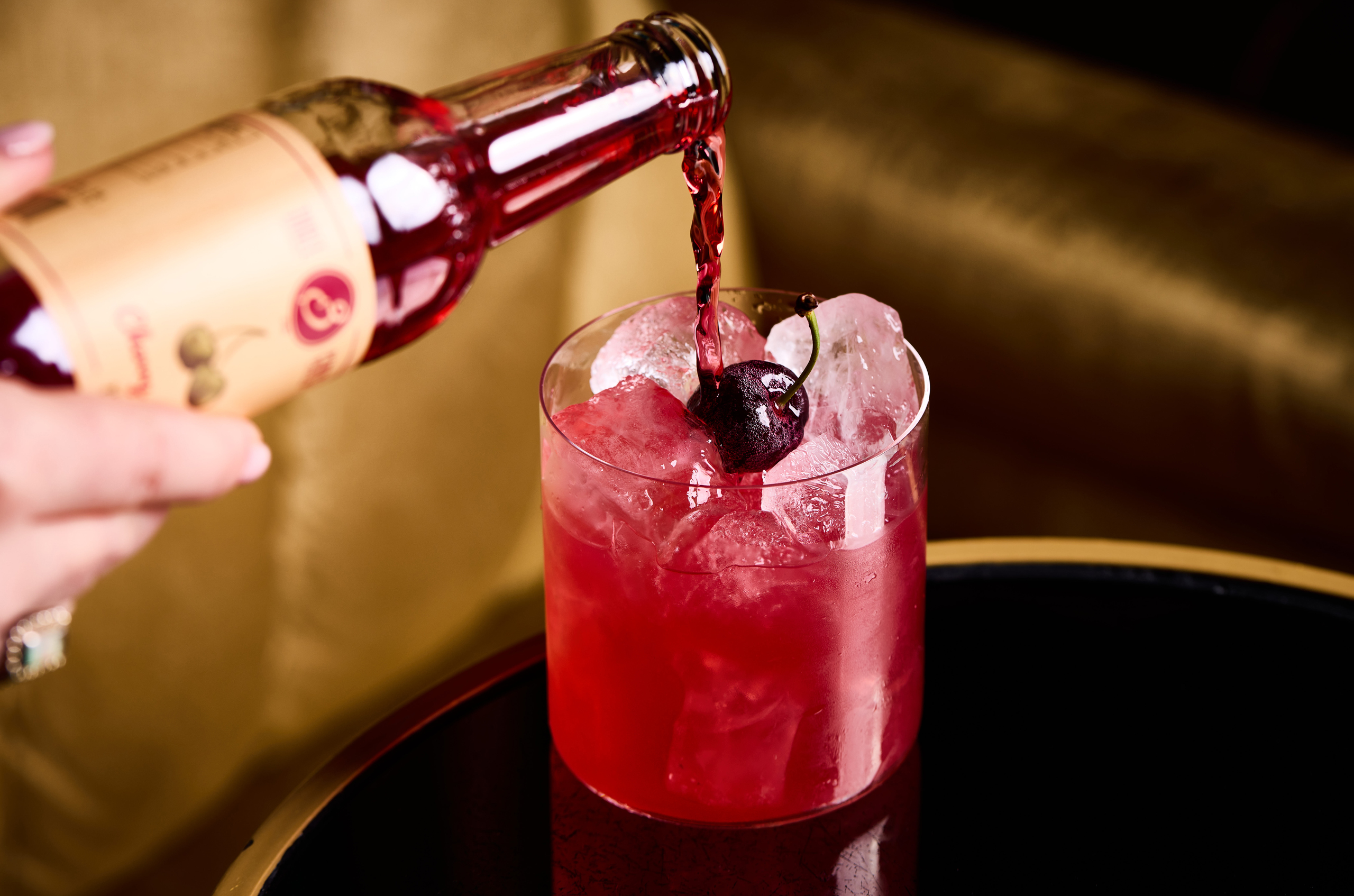
This cocktail offers a delightful balance of bittersweet notes and aromatic depth, making it an excellent choice for an autumn evening. The innovative use of cherry soda provides a rich, fruity foundation that elevates the drink beyond a standard spritz. Experimenting with various amari, such as the vibrant Select or the classic Campari, can further tailor the drink’s complexity and bitterness to individual preferences.
Ingredients:
- 30ml Sipello Bittersweet Aperitif
- Three Cents Cherry Soda to top
Glass: Lowball
Garnish: Maraschino cherry
Method:
Add cubed ice to a chilled lowball glass. Pour in the Sipello Bittersweet Aperitif. Gently top with Three Cents Cherry Soda, ensuring not to overfill, and garnish with a single maraschino cherry.
Sage, Apple & Quince Spritz: Orchard Notes with Herbaceous Depth
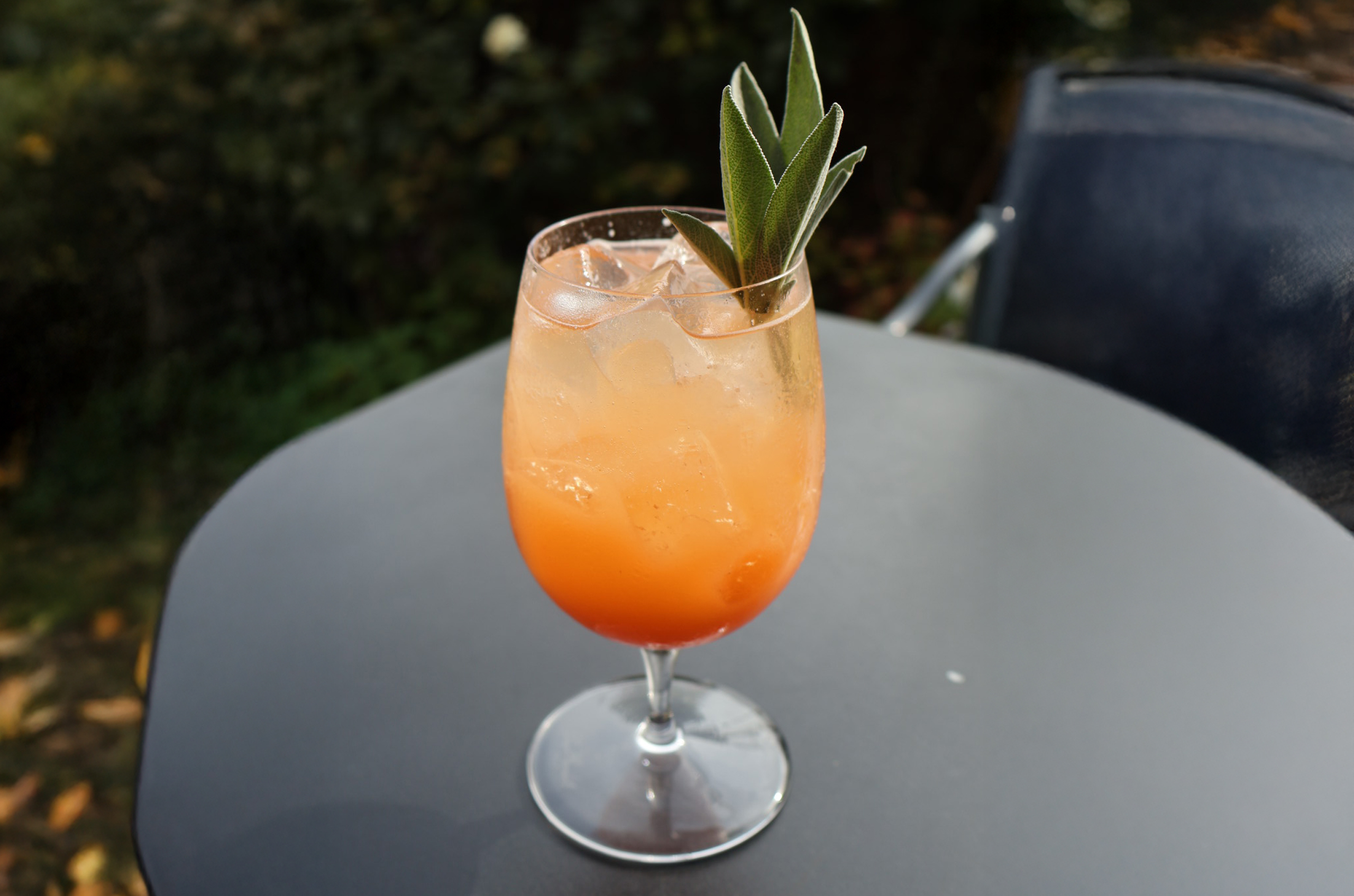
From the inventive minds at Updown Farmhouse in Deal, this spritz elegantly marries the quintessential flavours of the autumn orchard with a fresh, herbaceous twist. The choice of a quality aged Calvados ensures a foundation of rich apple notes, while the sage infusion introduces an earthy, aromatic layer. The tart sweetness of quince jam, balanced by bright lemon, and finished with a crisp sparkling wine, creates a sophisticated and truly seasonal beverage.
Ingredients:
- 50ml Calvados infused with sage leaves (infuse by steeping fresh sage leaves in Calvados for 24-48 hours, then strain)
- 20ml lemon juice
- 1tsp quince jam
- Sparkling wine (e.g., Westwell Wicken Foy NV) to top
Glass: Wine glass
Garnish: Fresh sage leaves
Method:
Combine the sage-infused Calvados, quince jam, and lemon juice in a shaker with ice. Shake well until thoroughly chilled. Strain the mixture into a wine glass filled with fresh ice. Top with your chosen sparkling wine and gently stir. Garnish with a sprig of fresh sage leaves.
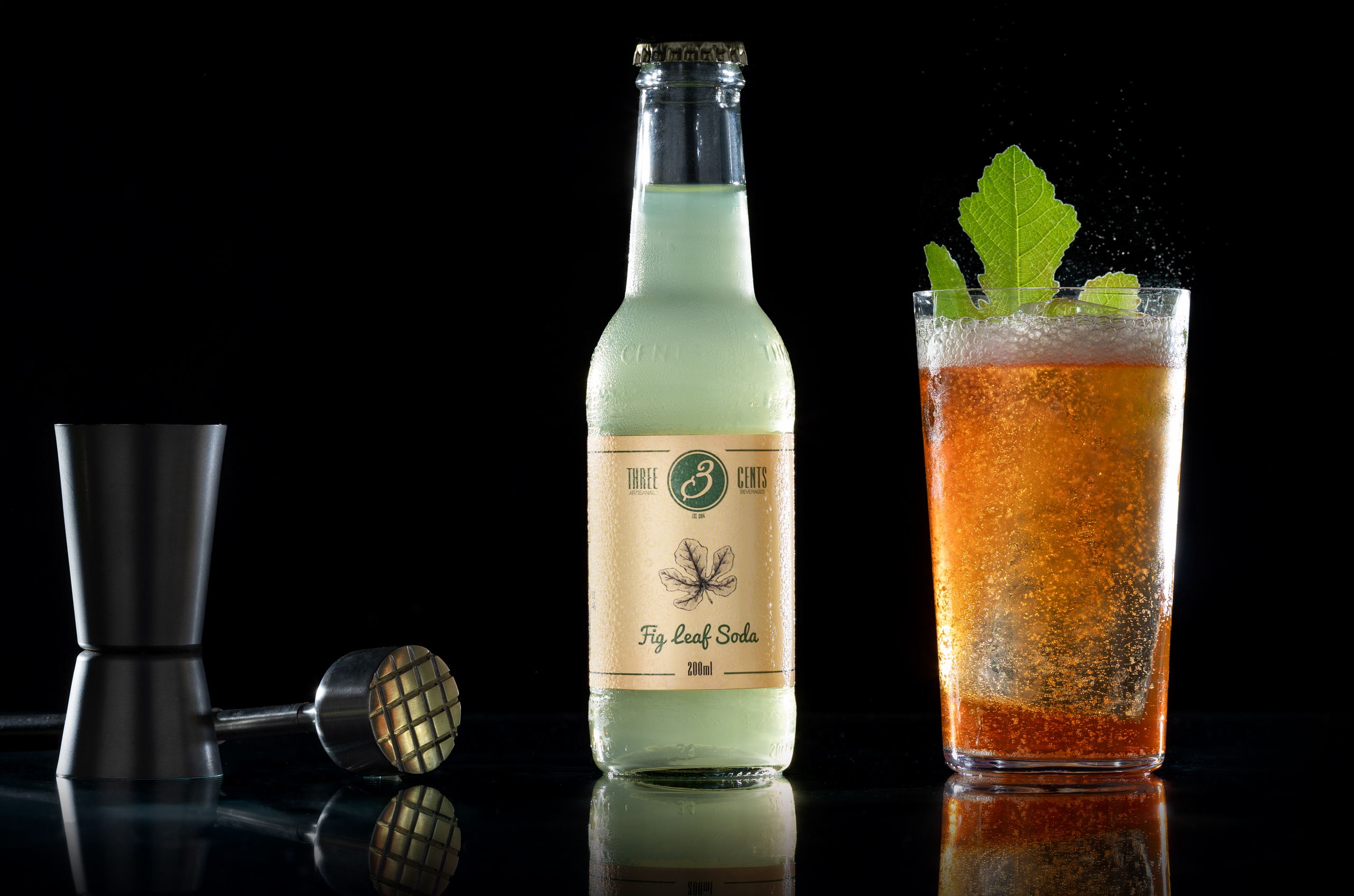
Fig Leaf Americano: Earthy Elegance
A refined twist on the classic Americano, this cocktail introduces the unique, subtly woody and coconut-like aroma of fig leaf, imbuing the drink with a sophisticated autumnal character. The careful selection of red vermouth and amaro is key to its depth, with Asterley Bros Bartender Series Red Vermouth being a commendable choice for its complexity. The Fig Leaf Soda acts as a fragrant, effervescent top note, harmonising the bitter and sweet elements.
Ingredients:
- 50ml red vermouth (e.g., Asterley Bros Bartender Series Red Vermouth)
- 30ml amaro (choose one with rich, dark notes)
- Three Cents Fig Leaf Soda to top
Glass: Highball
Garnish: Fig leaf
Method:
Fill a chilled highball glass with cubed ice. Pour in the red vermouth and the chosen Italian bitter. Top slowly and carefully with Three Cents Fig Leaf Soda. Garnish with a small, fresh fig leaf for an aromatic flourish.
Sloe Spritz: A Forest Berry Infusion
Crafted by Penny Vine and the bar team at Impala in London, this spritz offers a drier, warmer profile, expertly designed to complement complex, spiced cuisines. It highlights the deep, tart notes of traditional English sloe gin, beautifully balanced by the savoury, saline character of a Sherry-based rosé vermouth. The crisp finish of a sparkling Vouvray rounds out this elegant, berry-forward autumnal creation.
Ingredients:
- 50ml sloe gin (e.g., Plymouth Sloe Gin)
- 50ml rosé vermouth (e.g., Lustau Rosé Vermut)
- 50ml sparkling wine (e.g., Sébastien Brunet Sparkling Vouvray)
- Dash of soda water
Glass: Wine glass
Garnish: Orange slice
Method:
Build the drink directly over ice in a stemmed wine glass. Pour in the sloe gin and rosé vermouth. Add the sparkling wine, then top with a dash of soda water. Gently stir to combine and finish with a vibrant orange slice for garnish.
Pickled Hugo Spritz: The Savory Revolution
Tapping into the burgeoning trend of savoury and fermented flavours, this Pickled Hugo Spritz offers an audacious, tangy departure from traditional spritz profiles. The classic floral elderflower liqueur is given a feisty kick with the addition of pickle soda, creating a surprisingly harmonious blend of sweet, floral, and tart notes. This innovative take on the popular Hugo Spritz is a testament to the versatility of the spritz concept and the adventurous spirit of modern mixology.
Ingredients:
- 45ml elderflower liqueur
- 8 fresh mint leaves
- Three Cents Pickle Soda to top
Glass: Wine glass
Garnish: Mint sprig
Method:
Chill a wine glass and fill it generously with fresh mint leaves and ice. Add the elderflower liqueur. Slowly top with Three Cents Pickle Soda. Garnish with an additional mint sprig to enhance the aromatic experience.
The Broader Implications: Redefining Seasonal Enjoyment
The evolution of the spritz from a summer essential to an autumnal chameleon carries significant implications for both the beverage industry and consumer culture. For the hospitality sector, it means expanded seasonal menus that can cater to diverse tastes year-round, increasing engagement and revenue opportunities during traditionally slower periods. It encourages bars and restaurants to forge stronger relationships with local producers for seasonal fruits, herbs, and artisanal mixers, fostering a more sustainable and community-focused approach to mixology.
For consumers, this autumnal renaissance of the spritz signifies an invitation to explore beyond conventional boundaries. It encourages home enthusiasts to experiment with new flavour combinations, to embrace the art of mixology, and to infuse their social gatherings with creative, seasonal flair. More profoundly, it reinforces the enduring appeal of the aperitivo ritual – a reminder that in an increasingly fast-paced world, the simple act of pausing, connecting, and savouring a thoughtfully crafted drink remains a vital ingredient for well-being and social harmony, regardless of the season. As the leaves fall and the air turns crisp, the spritz stands ready, not to be retired, but to be reimagined, inviting us to raise a glass to the enduring Italian art of taking a moment.