admin
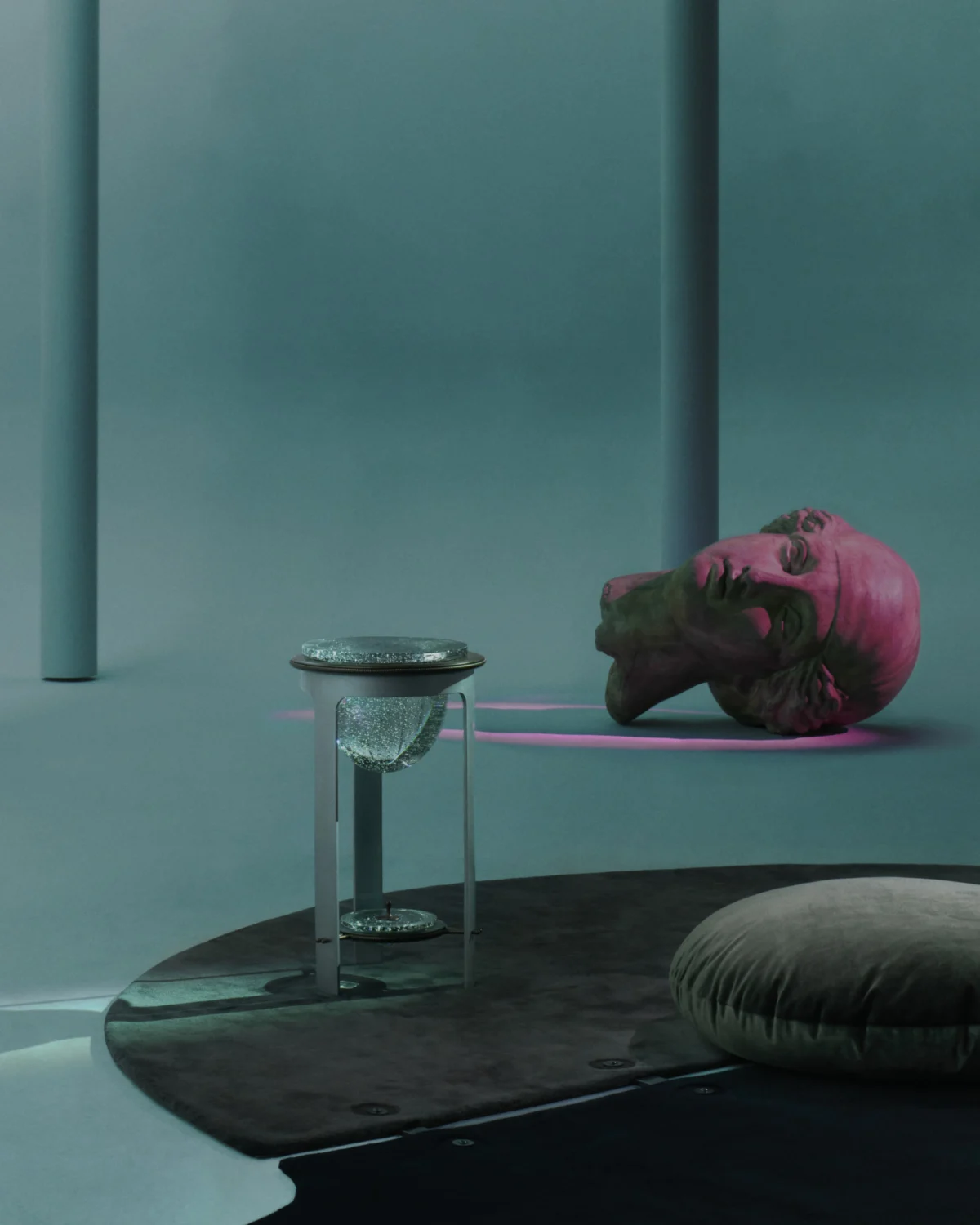
The New York-based design studio Apparatus has officially entered its most ambitious chapter to date with the unveiling of Act V: Afsaneh, a comprehensive collection of lighting, furniture, and decorative objects. Marking the studio’s first major release in five years, the collection represents a profound evolution for artistic director Gabriel Hendifar, who has utilized this "Act" to weave together threads of Persian mythology, personal history, and the cyclical nature of human existence. The collection serves as a dual tribute: it is a modern fable structured through design and a deeply personal homage to Hendifar’s mother, whose name, Afsaneh—meaning "fable" in Persian—provides the collection with its title and its soul.
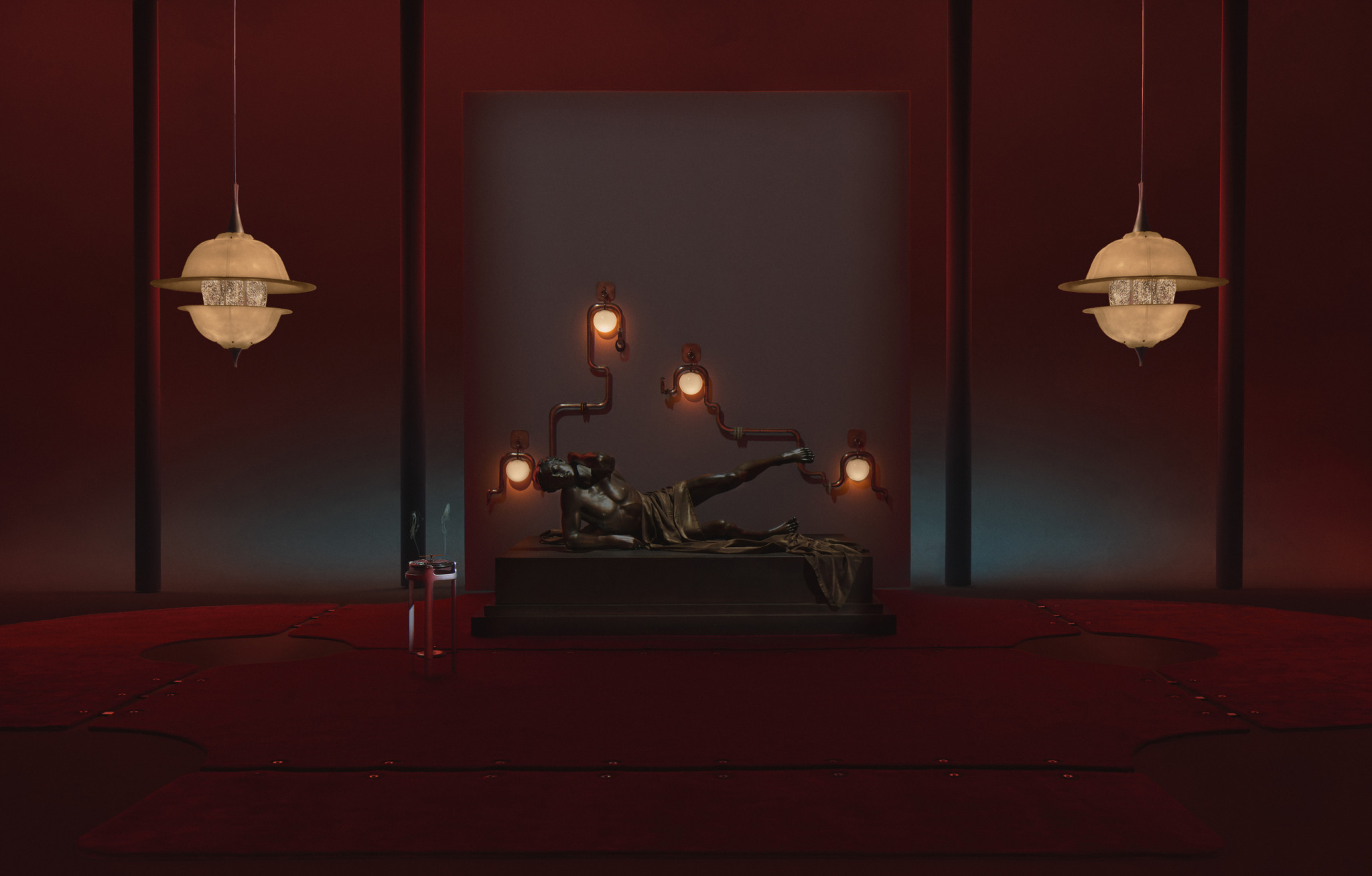
Since its founding in 2012, Apparatus has distinguished itself within the luxury design market by eschewing traditional product cycles in favor of narrative-driven "Acts." This theatrical approach allows the studio to explore specific thematic territories with an intensity rarely seen in contemporary furniture design. Act V: Afsaneh continues this tradition but on a significantly larger scale, exploring the "divine feminine" as a foundational creative force. Through this lens, Hendifar examines themes of renewal, knowledge, and the interconnectedness of life, moving beyond the purely aesthetic to create what he describes as an "envelope for human experience."
The Intersection of Personal Narrative and Design Excellence
The five-year hiatus between Act IV and Act V allowed the studio to engage in a period of deep research and material experimentation. During this time, the global design landscape shifted toward more experiential and narrative-heavy presentations, a trend that Apparatus helped pioneer. Act V: Afsaneh is structured as a four-part journey, with each chapter corresponding to a stage in a symbolic lifecycle. By naming each chapter after a Persian word—Esfand, Gol, Rahvi, and Jahaan—Hendifar anchors the collection in his cultural heritage while addressing universal human archetypes.

Industry analysts suggest that this release marks a pivot for Apparatus, moving from the refined industrialism of its earlier work toward a more organic, sculptural, and symbolic vocabulary. The collection’s focus on the divine feminine is not merely a thematic choice but a structural one, influencing the use of softer curves, translucent membranes, and materials that suggest both strength and vulnerability.
Chronology and the Four-Chapter Structure
The narrative arc of Act V is meticulously planned, tracing a path from the microscopic origin of life to the macroscopic reality of the shared world.

Chapter I: Esfand – The Seed
The journey begins with Esfand, named for the 12th month of the Persian calendar and the seed traditionally burned to ward off the "evil eye" (Nazar). In this chapter, the design focuses on themes of fertility, protection, and potential. The material palette is dominated by rich lacquers in colors that evoke the natural world: milk, honey, pomegranate, sky, dusk, and night. These pieces serve as the foundational "seeds" of the collection, characterized by protective forms and a sense of latent energy.
Chapter II: Gol – The Flower
Following the seed is Gol, representing the bloom and the transformation of potential into reality. This chapter introduces a significant material departure for the studio: the use of molded fiberglass. This material is utilized to create delicate, membrane-like surfaces that mimic the translucency and fragility of flower petals. To further enhance the sensory experience, the studio introduced "Afsaneh," a namesake fragrance. By blending damask rose, oud, and frankincense, Hendifar treats scent as a physical material, adding an ephemeral dimension to the enduring objects. This integration of olfaction reflects a broader movement in high-end design toward multi-sensory environments.

Chapter III: Rahvi – The Serpent
The narrative shifts toward the pursuit of wisdom in Rahvi. The serpent, a cross-cultural symbol of knowledge and renewal, is interpreted through sinuous lines of water-formed brass and blown glass. This chapter is notable for its use of semiprecious stones, which function as amulets within the lighting and furniture pieces. Tiger’s eye, black onyx, quartz, honey agate, red jasper, lapis lazuli, and aventurine are integrated not just for their color, but for their historical associations with protection and insight. The technical execution of water-formed brass represents a significant engineering feat for the studio, resulting in organic, flowing shapes that appear to be shaped by natural forces.
Chapter IV: Jahaan – The World
The final chapter, Jahaan, moves the focus from the individual journey to the collective experience. The designs in this chapter utilize bronze, aluminum, and cast glass to create forms that reference the cosmos and the architecture of gathering. Jahaan is intended to represent the stage where individual transformation and knowledge are shared within a community. The pieces are larger and more architectural, designed to anchor spaces and facilitate human connection.

Material Innovation and Artistic Techniques
Throughout Act V, Apparatus has expanded its material vocabulary, pushing the boundaries of traditional craftsmanship. While brass, glass, and bronze remain the studio’s "signature" materials, the application methods have evolved. The use of water-forming allows for a degree of fluidity that traditional casting cannot achieve, resulting in pieces that feel more like "found" natural objects than manufactured items.
Similarly, the adoption of fiberglass molding marks a move toward "soft" industrialism. By manipulating the opacity and texture of the fiberglass, the studio has created lighting fixtures that emit a diffused, ethereal glow, contrasting sharply with the heavy, grounded nature of the bronze and stone elements. This interplay between the heavy and the light, the permanent and the fleeting, is a central tenet of the Afsaneh collection.

Multidisciplinary Collaboration: The Martha Graham Dance Company
In a move that underscores the theatrical nature of the collection, Apparatus collaborated with the Martha Graham Dance Company to produce five short films. These films interpret the themes of Act V through movement, utilizing Graham’s legendary "contraction and release" technique to mirror the cyclical themes of the design work.
Hendifar’s interest in dance stems from his belief that design should serve as a backdrop for the human body in motion. By partnering with the Martha Graham Dance Company—an institution synonymous with modern American expression and emotional depth—Apparatus has created a bridge between the static object and the living experience. The films are scheduled for episodic release starting in the fall of 2026, creating a prolonged cultural dialogue rather than a single, fleeting product launch.

Market Impact and Global Rollout
The release of Act V: Afsaneh comes at a time when the luxury furniture sector is seeing increased demand for "collectible design"—pieces that hold value not just for their utility, but for their artistic and narrative significance. By structuring the collection as a "fable," Apparatus is positioning these objects as heirlooms that carry a specific cultural and personal story.
The global rollout of the collection reflects a strategic, city-specific approach:

- New York (October 2026): The world premiere, featuring the full narrative environment.
- London (Late October 2026): A presentation tailored to the European market, focusing on the historical and mythological aspects of the work.
- Miami and Los Angeles (February 2027): Presentations coinciding with major art and design fairs, emphasizing the sculptural and atmospheric qualities of the collection.
Each city will host a unique interpretation of the collection, ensuring that the "story" of Afsaneh continues to evolve as it moves across different geographic and cultural landscapes.
Analysis of Implications for the Design Industry
The debut of Act V: Afsaneh suggests several key shifts in the high-end design industry. First, the success of a narrative-heavy, five-year project indicates that the market is willing to wait for "slow design" that offers depth and substance over frequent, smaller releases. Second, the integration of fragrance and performance art into a furniture collection points toward a future where design studios operate more like creative houses or film studios, managing a diverse portfolio of sensory outputs.

Furthermore, Hendifar’s use of his Persian heritage as a primary driver for the collection reflects a broader trend toward cultural specificity in design. In a globalized market, unique cultural narratives provide a point of differentiation that resonates with collectors seeking authenticity and personal connection.
Final Assessment
Act V: Afsaneh is more than a catalog of new products; it is a sophisticated synthesis of autobiography and mythology. By grounding the collection in the name and spirit of his mother, Gabriel Hendifar has created a body of work that feels profoundly human despite its high-luxury finish. The collection’s reliance on complex craftsmanship and multidisciplinary storytelling ensures its place as a significant milestone in the studio’s history. As the narrative films begin their release and the collection travels to international design capitals, Afsaneh is poised to influence the conversation around the role of storytelling in the domestic environment for years to come.