admin
As the northern hemisphere transitions into the colder months, the necessity of proactive property and vehicle maintenance becomes a matter of both financial prudence and physical safety. Winterization is not merely a seasonal chore but a critical defensive strategy against the unique stresses that sub-zero temperatures, heavy snowfall, and ice accumulation place on modern infrastructure. According to data from the U.S. Department of Energy, the average American household spends approximately $2,000 annually on energy bills, with a significant portion of that sum lost to inefficient insulation and drafty apertures during the winter season. By implementing expert-backed strategies to safeguard homes, gardens, and vehicles, individuals can mitigate the risk of catastrophic failures such as burst pipes or engine malfunctions while simultaneously reducing their carbon footprint.
The Seasonal Preparation Timeline
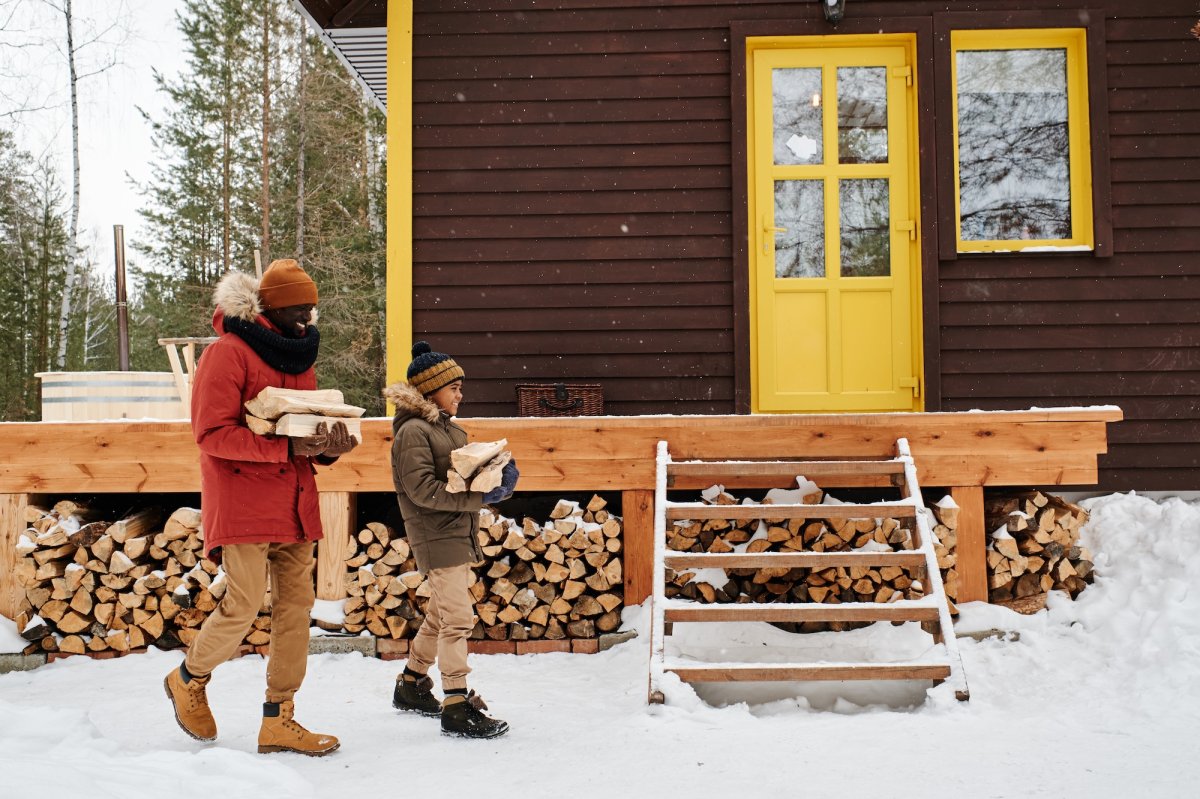
Effective winterization requires a staggered approach, beginning well before the first frost. The National Weather Service (NWS) suggests that homeowners in temperate climates should begin their "exterior sweep" in late September or early October. This initial phase involves cleaning gutters, inspecting roofs, and pruning vulnerable tree branches. As November approaches, the focus shifts to the "interior envelope," which includes sealing windows, checking insulation levels, and servicing heating systems. The final phase, typically occurring after the first hard freeze, involves the winterization of irrigation systems and the final preparation of emergency automotive kits.
Strengthening the Building Envelope and Insulation
The integrity of a home’s exterior shell is the primary determinant of indoor comfort and energy efficiency. Heat loss through walls, attics, and crawl spaces can account for up to 30 percent of a home’s total heating expenditure.
Attic and Wall Insulation
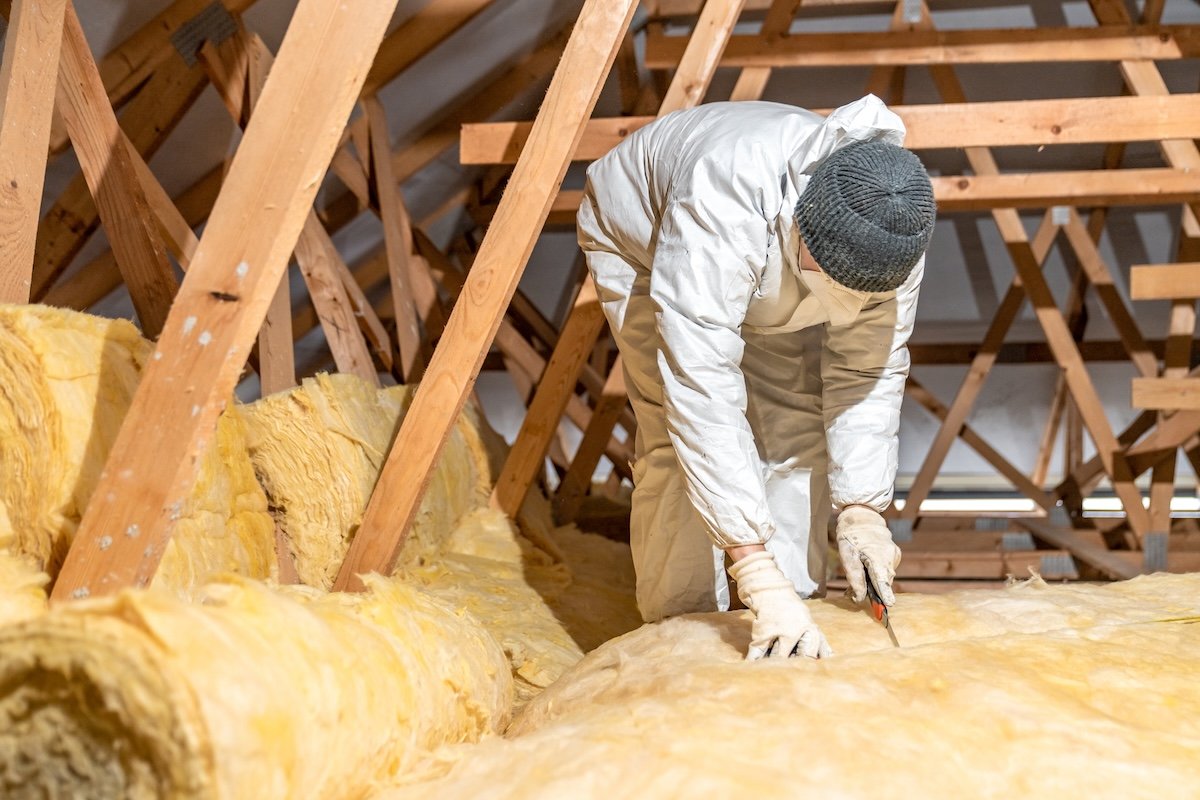
A properly insulated home ensures evenly distributed warmth. Experts recommend checking the R-value—the measure of thermal resistance—of existing insulation. In colder regions, the Department of Energy suggests an R-value of R-49 to R-60 for attics. Homeowners should consider various materials, such as fiberglass batts, spray-foam, or cellulose loose-fill, to fill gaps in exterior walls and unheated garages. It is imperative to repair any existing leaks before adding new insulation, as moisture can lead to mold growth and structural decay.
Sealing Avenues of Air Infiltration
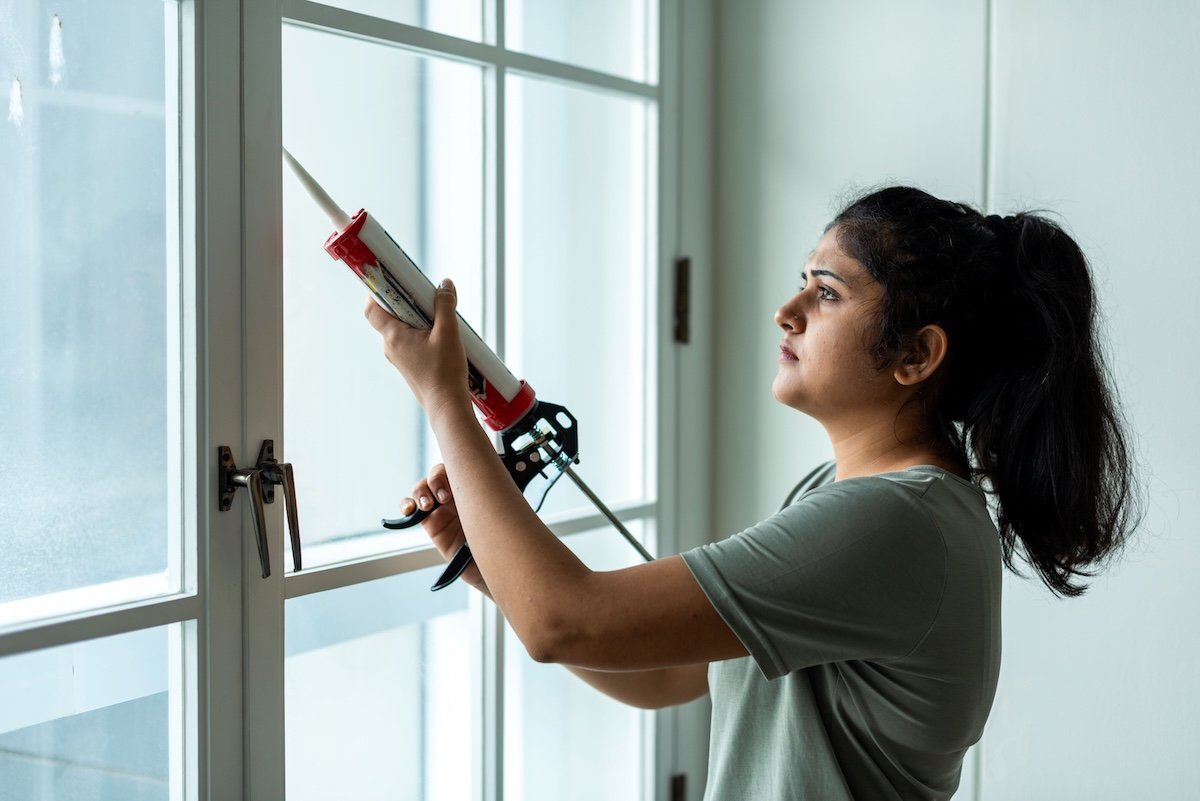
Drafty windows and doors are significant contributors to heat loss. Applying high-quality caulk to joints between walls and window frames, or installing weatherstripping around door sashes, can save homeowners between 5 and 10 percent in annual energy costs. For those with older, single-pane windows, the installation of storm windows or thermal curtains offers an additional barrier. Thermal curtains are specifically designed with high-density fabrics that block cold air infiltration and prevent warm air from escaping, providing a cost-effective alternative to full window replacement.
Protecting Hydraulic Systems and Water Infrastructure
Plumbing failures represent some of the most expensive and disruptive winter-related damages. When water freezes inside a pipe, it expands, creating immense pressure that can lead to a rupture.
Interior Pipe Safeguards
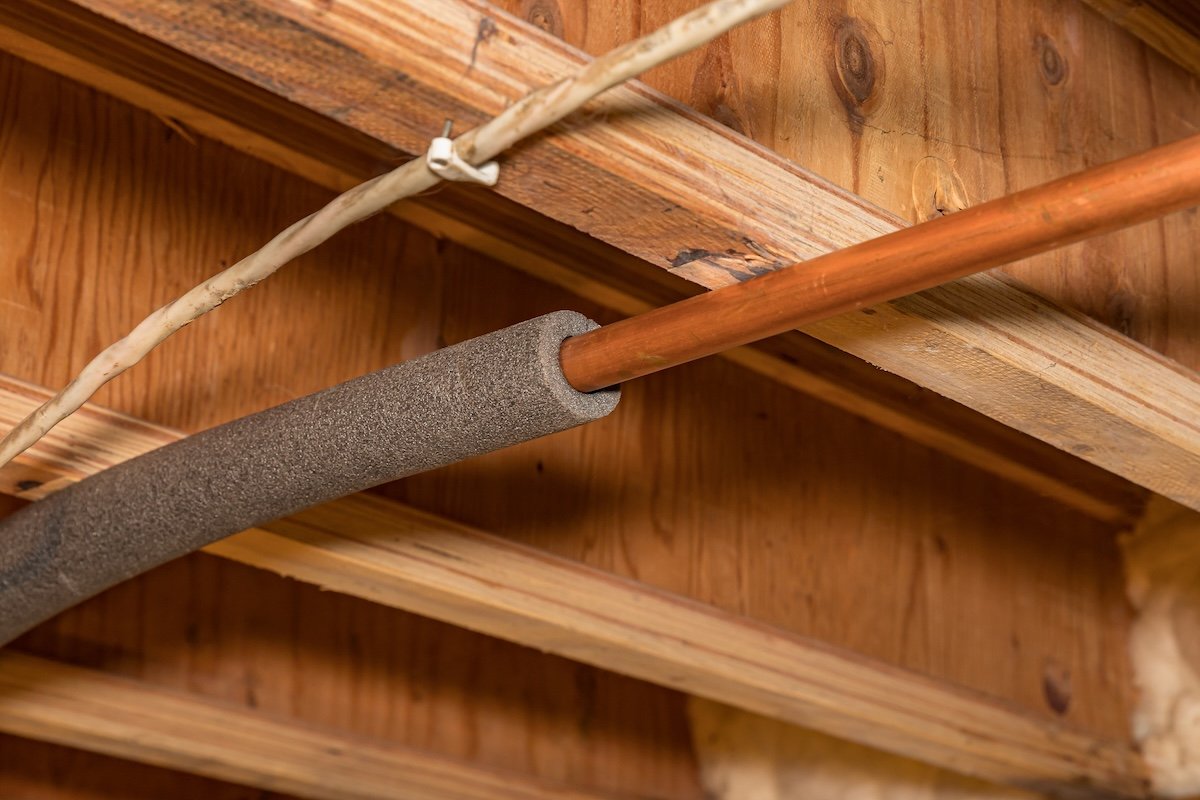
Jonathan Faccone, an interior designer and founder of Halo Homebuyers, emphasizes that homeowners must maintain a minimum temperature inside the residence, even when unoccupied. "Make sure to keep the heat on, even when you’re away from home," Faccone advises. Wrapping insulation sleeves around pipes located in unheated areas like attics or crawl spaces provides a vital layer of protection. Furthermore, propping open cabinet doors under sinks allows warm room air to circulate around the plumbing, a simple yet effective tactic during extreme cold snaps.
Exterior Water Management
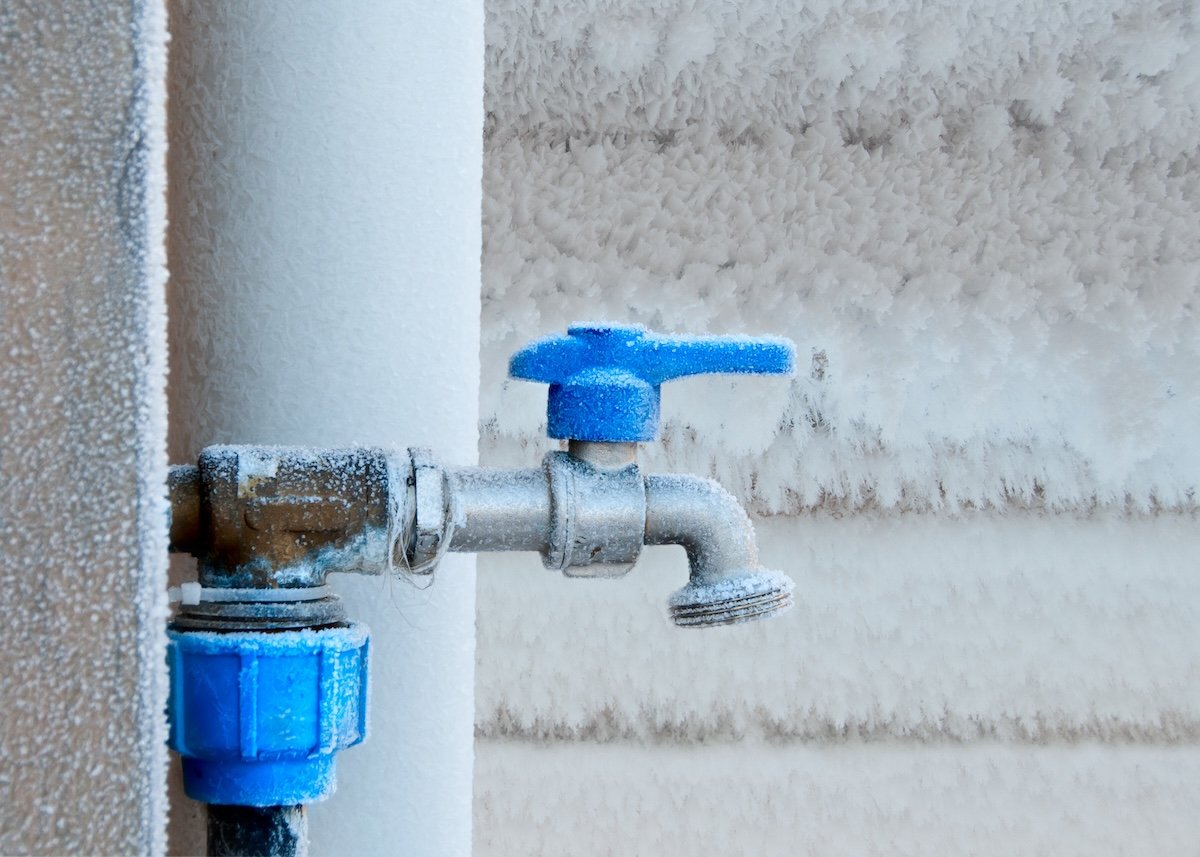
The winterization of outdoor water systems is equally vital. Exterior spigots should be drained, and garden hoses must be disconnected and stored. Failure to do so can cause water to back up into the house’s internal pipes and freeze. For those with automatic irrigation systems, the "blow-out" method using compressed air is the industry standard for removing residual moisture from lines and sprinkler heads, preventing the manifold and valves from cracking under the strain of ice expansion.
Optimization of Heating and Energy Systems
Heating systems are the heart of the winterized home, yet they are often the most neglected until a failure occurs.
Smart Thermostat Implementation
Transitioning to a programmable or smart thermostat can yield significant dividends. Direct Energy reports that reducing the thermostat by just one degree for an eight-hour period can lower heating bills by one percent. Modern devices like the Google Nest Gen 4 allow users to create automated schedules, dropping temperatures during the day when the house is empty and raising them shortly before residents return. Experts recommend a setting of 68 degrees Fahrenheit while awake and lower settings of 62 to 66 degrees during sleep or absence.
Fireplace and Water Heater Maintenance
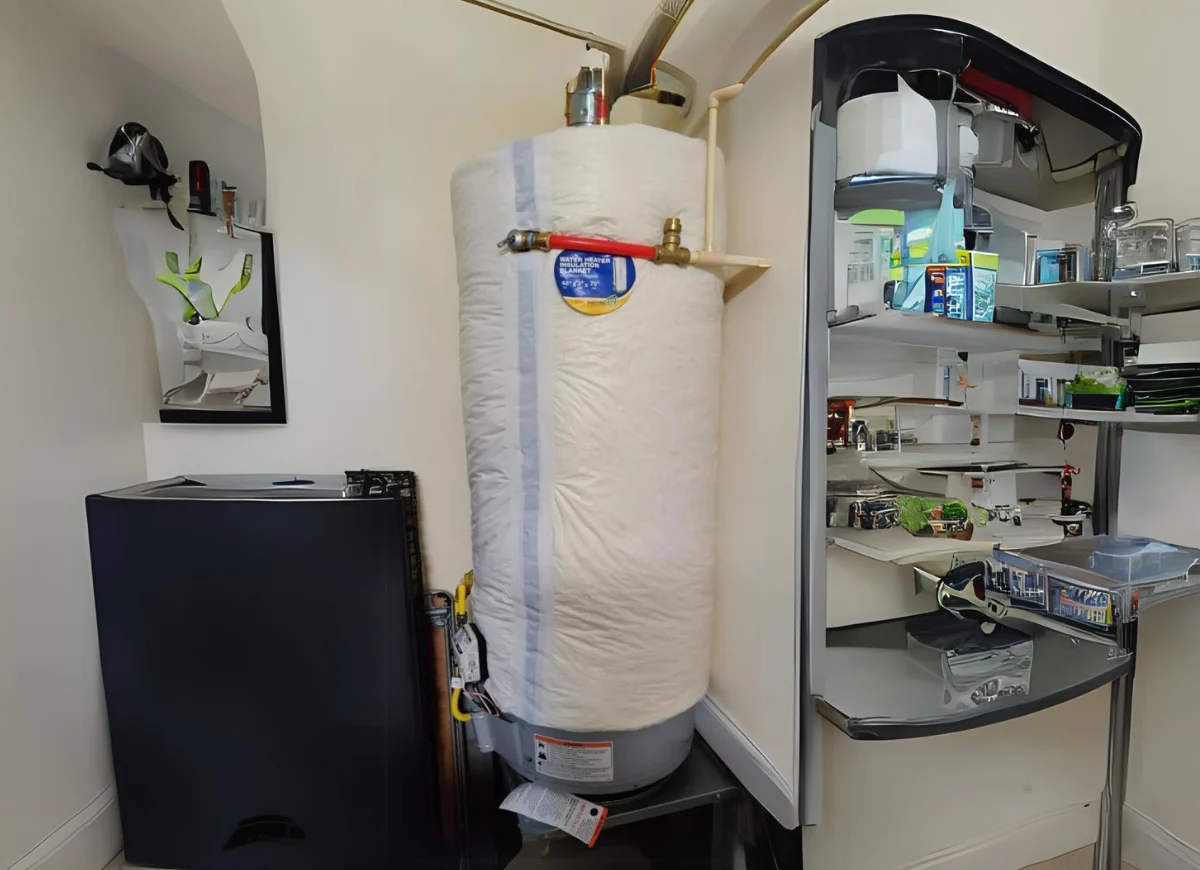
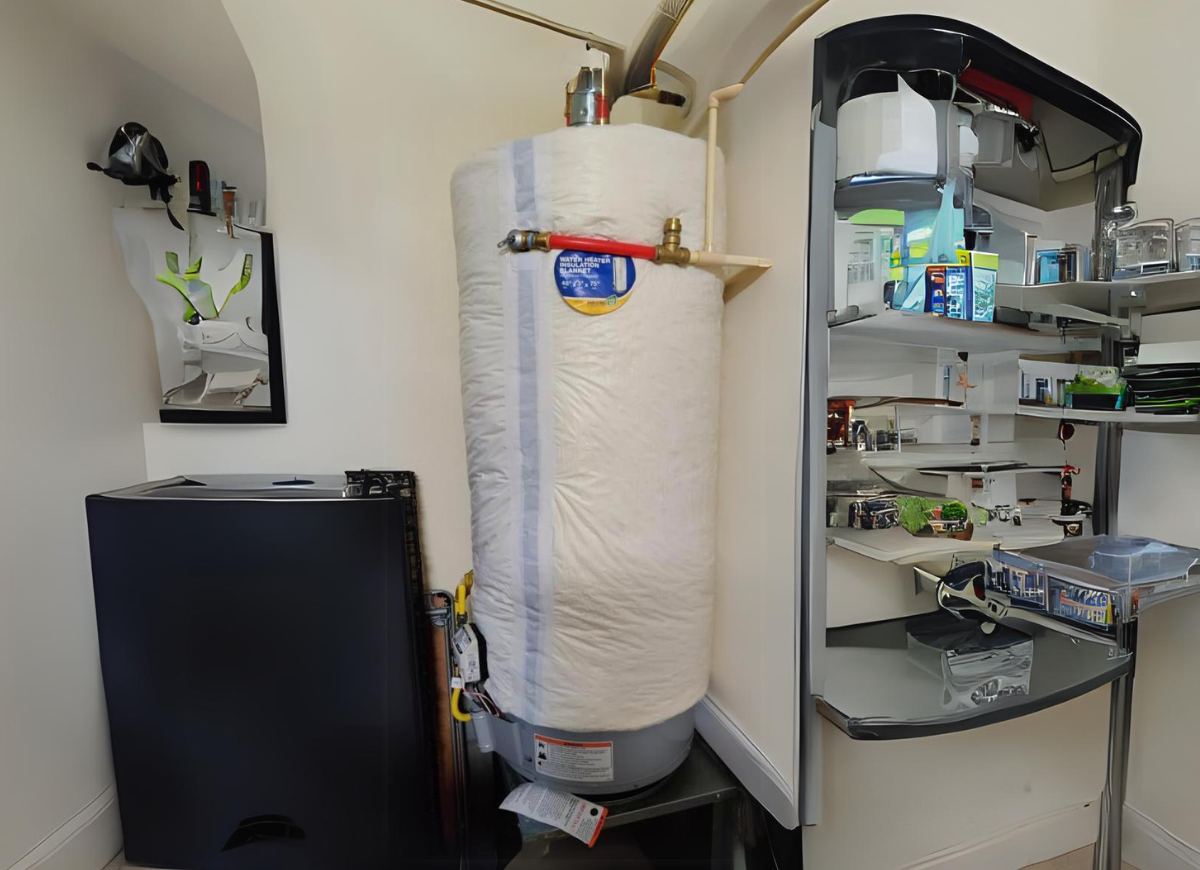
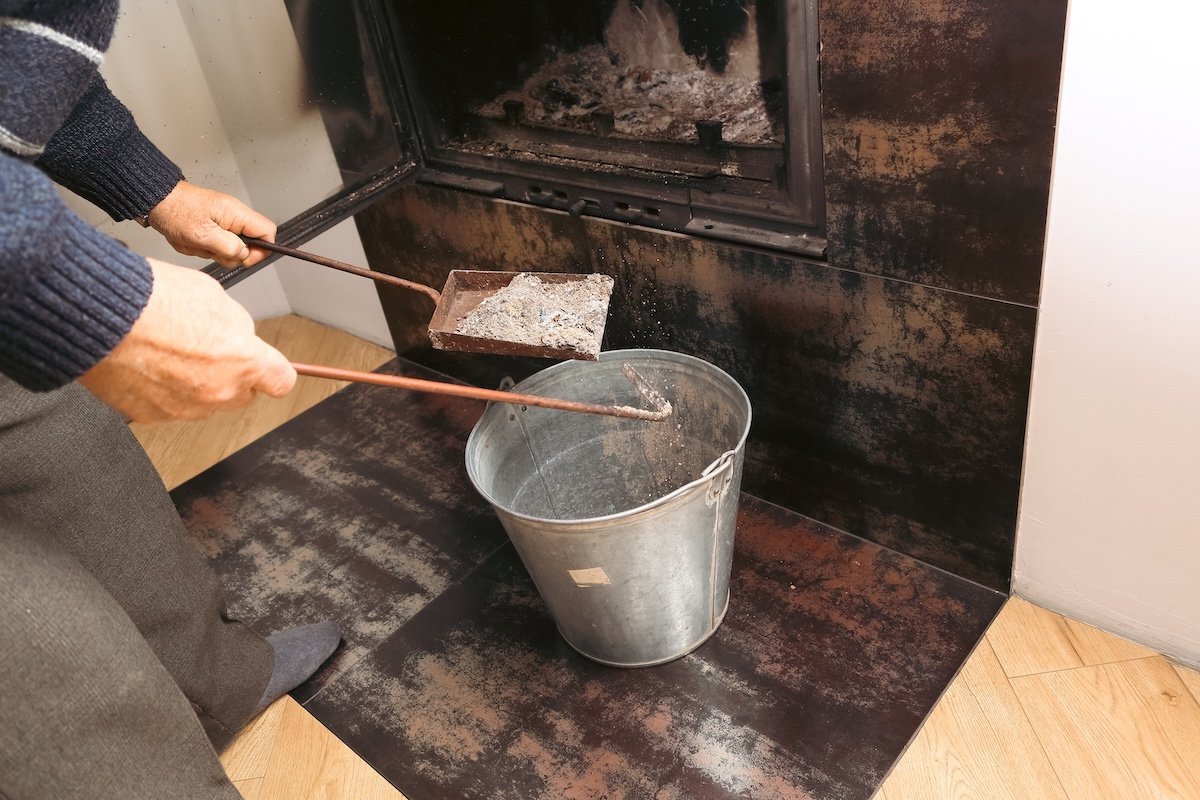
Fireplaces require an annual inspection to prevent creosote buildup, a leading cause of chimney fires. The National Fire Protection Association (NFPA) advises keeping all flammable materials—including blankets and holiday decorations—at least three feet away from any heat source. For water heaters, particularly older models, installing an insulation blanket can reduce standby heat loss by 25 to 45 percent. This "jacket" for the tank often pays for itself through energy savings within the first year of use.
Landscaping and Exterior Structural Protection
Winter storms and ice accumulation place immense weight on trees and structures, leading to potential property damage.
Arboricultural Maintenance
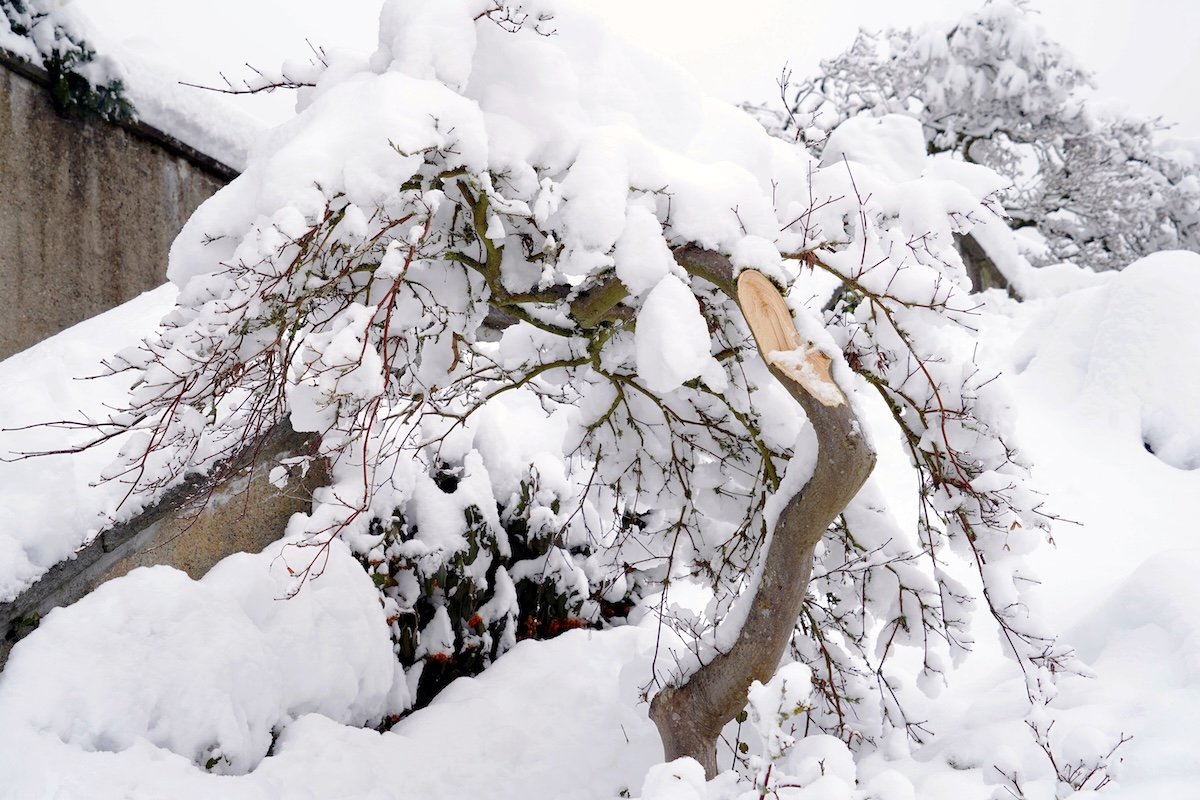
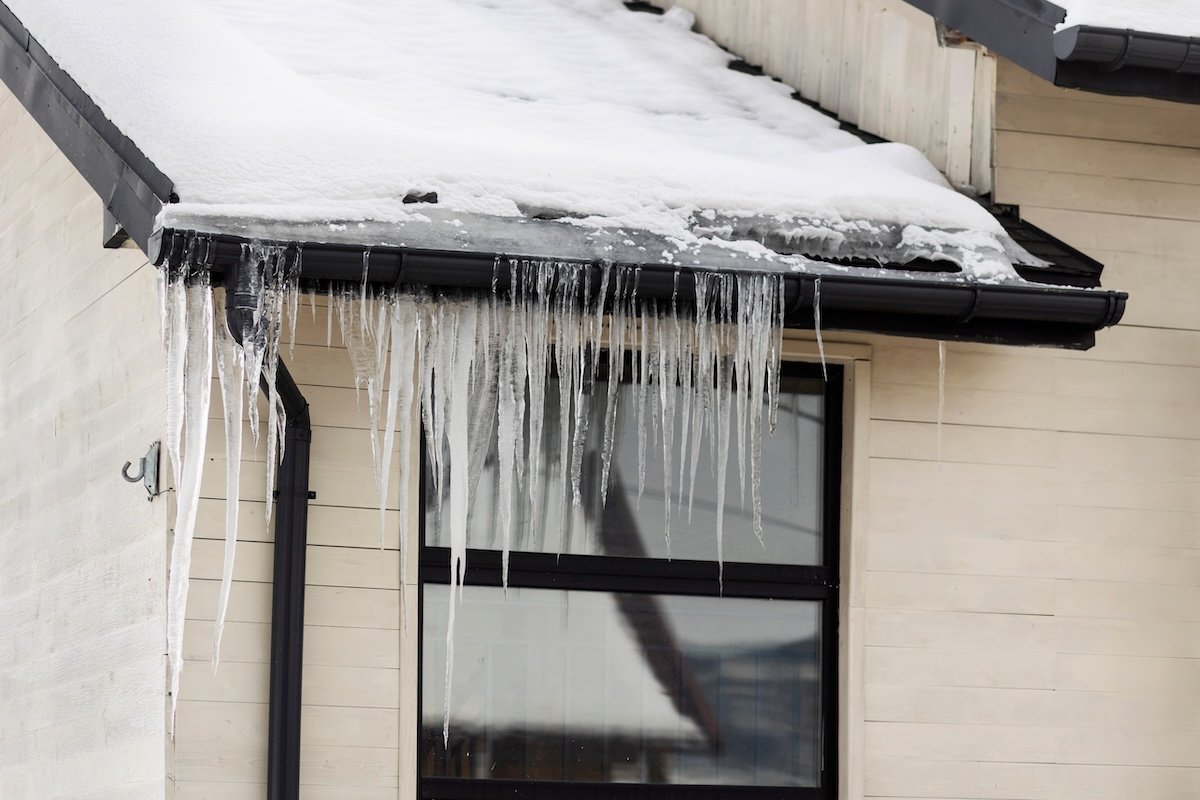
Ice-laden branches can easily snap, damaging roofs, power lines, or neighboring properties. Periodically pruning branches that overhang the home is a necessary preventive measure. Additionally, the use of a roof rake after heavy snowfall can prevent the formation of ice dams, which occur when snow melts near the warm peak of the roof and refreezes at the cold eaves, forcing water under the shingles.
Lawn and Garden Care
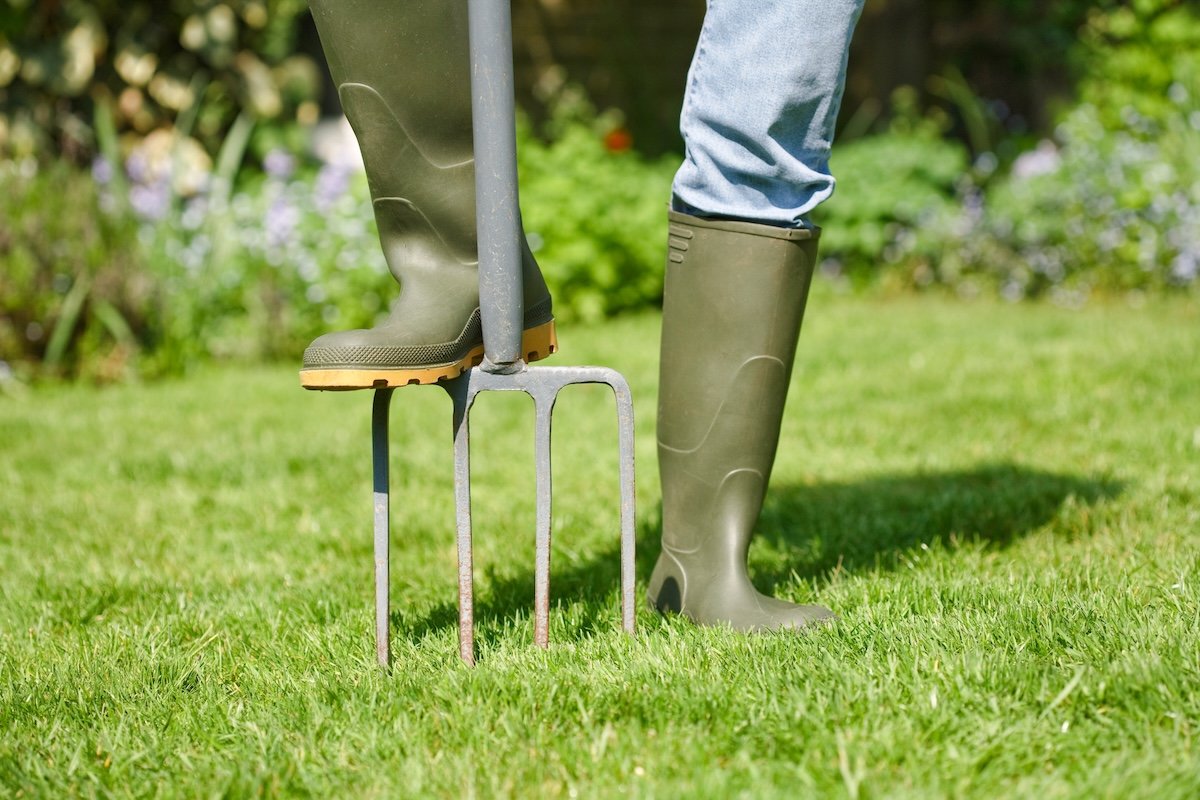
Lawn care does not end with the final mow of the autumn. Aerating the soil before the first frost allows the turf to breathe and absorb nutrients. However, once the grass enters dormancy, it is susceptible to damage from heavy foot traffic. In garden beds, a two-to-three-inch layer of mulch acts as an insulator for perennial roots, protecting them from the "heaving" caused by the freeze-thaw cycle of the soil.
Automotive Resilience and Winter Road Safety
The National Severe Storms Laboratory notes that 70 percent of winter-weather injuries occur in vehicles. Preparing a car for winter involves more than just adding antifreeze.
Mechanical Servicing and Tires
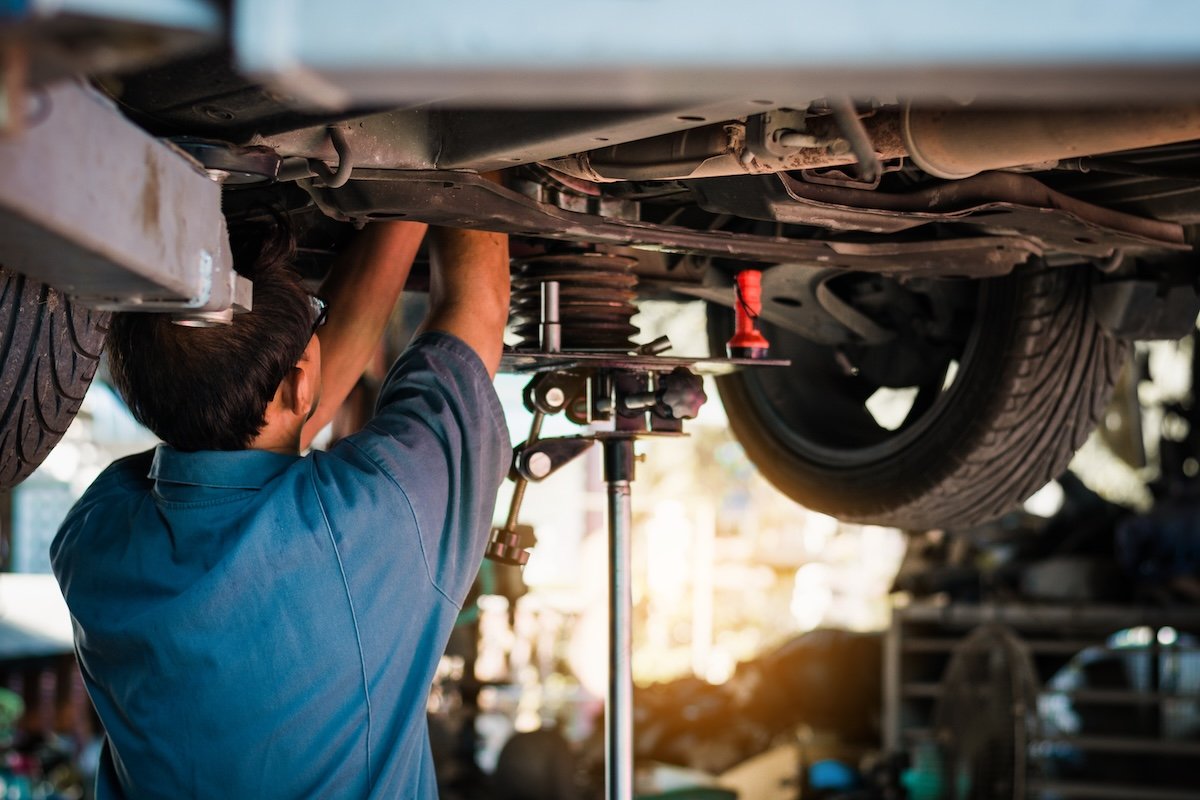
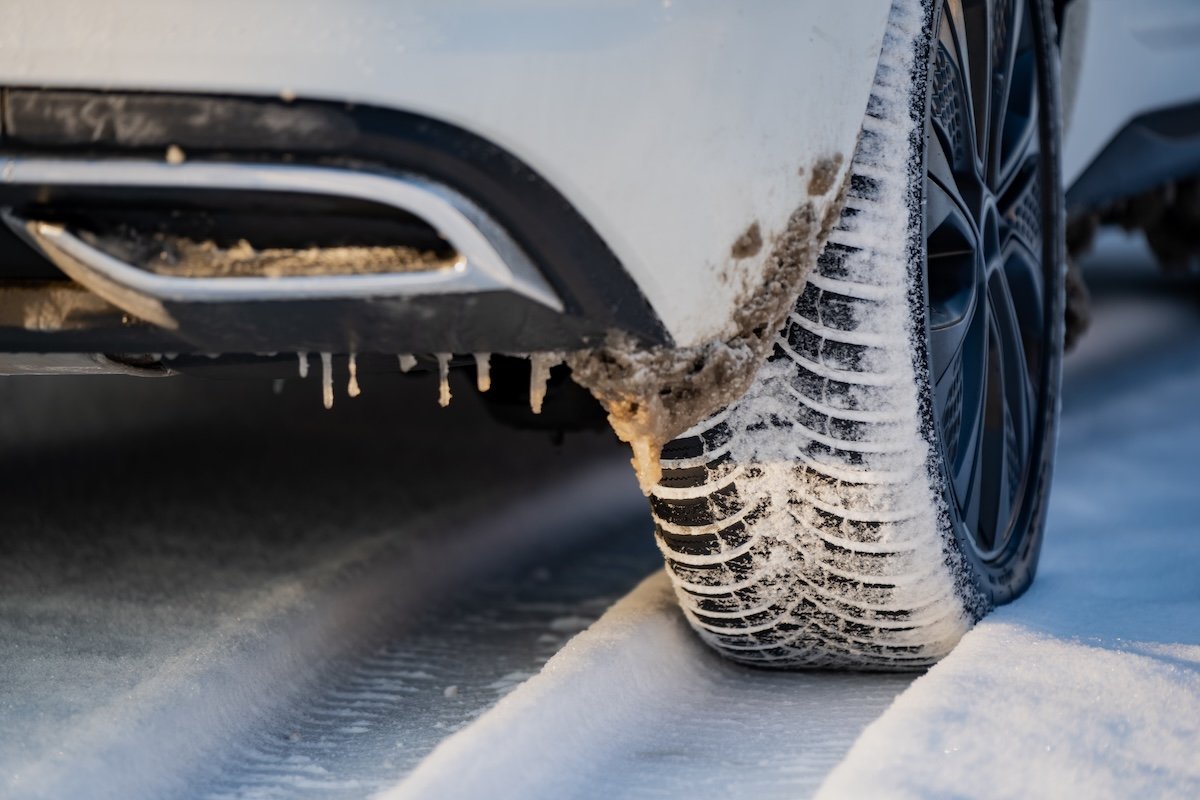
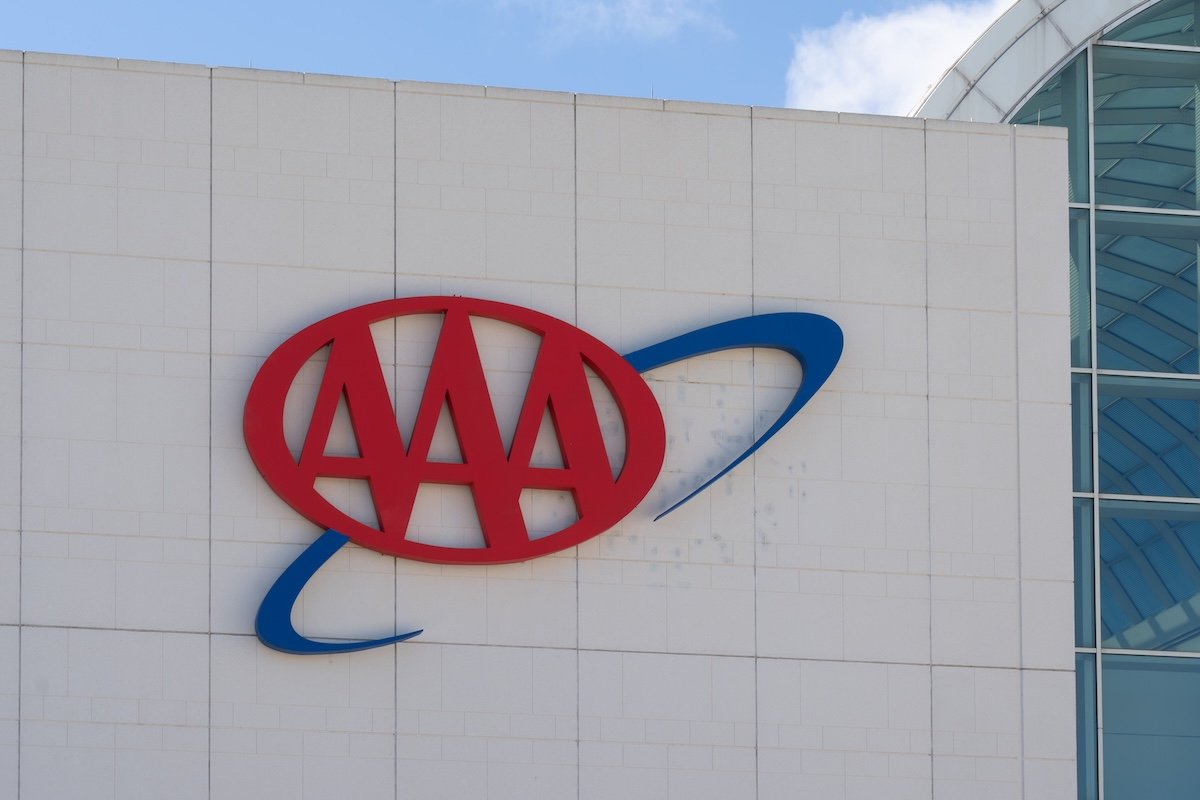
Jason Farrell, a certified master technician at Mechanic’s Diary, highlights the toll that road salt and extreme cold take on moving parts. "Moisture gets into places it wouldn’t normally, and moving parts like brakes and suspension have to work harder," Farrell explains. He strongly advocates for the use of dedicated snow tires in regions with frequent snowfall. These tires feature specialized rubber compounds that remain flexible in cold temperatures and treads designed to grip slick surfaces more effectively than all-season tires.

Emergency Readiness
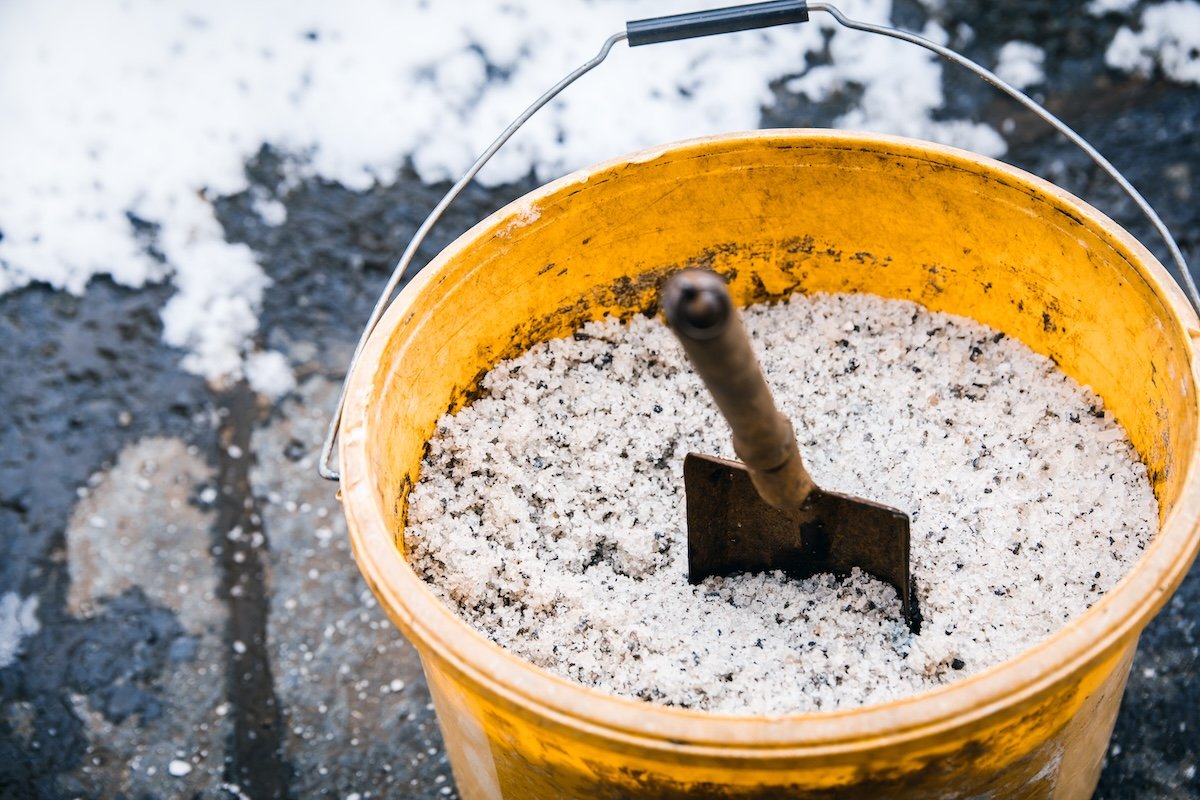
Every vehicle should be equipped with a winter emergency kit. Essential items include a flashlight with spare batteries, road flares, jumper cables, a first-aid kit, and non-perishable snacks. For traction on icy roads, carrying a bag of sand or rock salt can be the difference between getting stuck and reaching a destination safely. Furthermore, enrolling in a roadside assistance program like AAA provides a vital safety net for unexpected mechanical failures during inclement weather.
Broader Impact and Economic Implications
The cumulative effect of individual winterization efforts has a profound impact on the broader community and economy. Proactive maintenance reduces the strain on emergency services during blizzards and minimizes the frequency of insurance claims, which can help stabilize premiums for the general population. Furthermore, the energy conservation resulting from better insulation and smart heating helps alleviate the peak demand on power grids, reducing the likelihood of brownouts or rolling blackouts during extreme weather events.
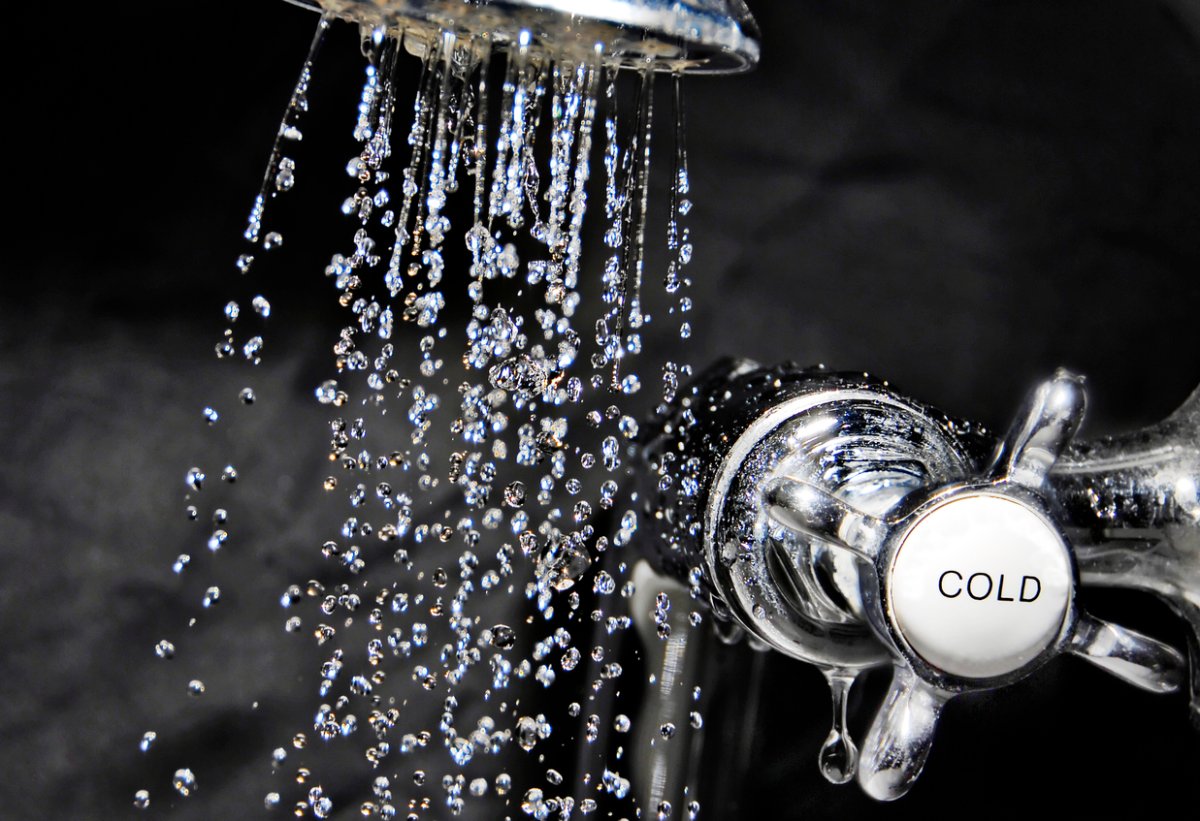
From a health perspective, winterization also addresses personal well-being. The use of humidifiers to combat the drying effects of central heating can prevent skin ailments and respiratory irritation. Shorter, cooler showers are also recommended by dermatologists to maintain the skin’s natural lipid barrier, which is easily stripped away by hot water and dry winter air.
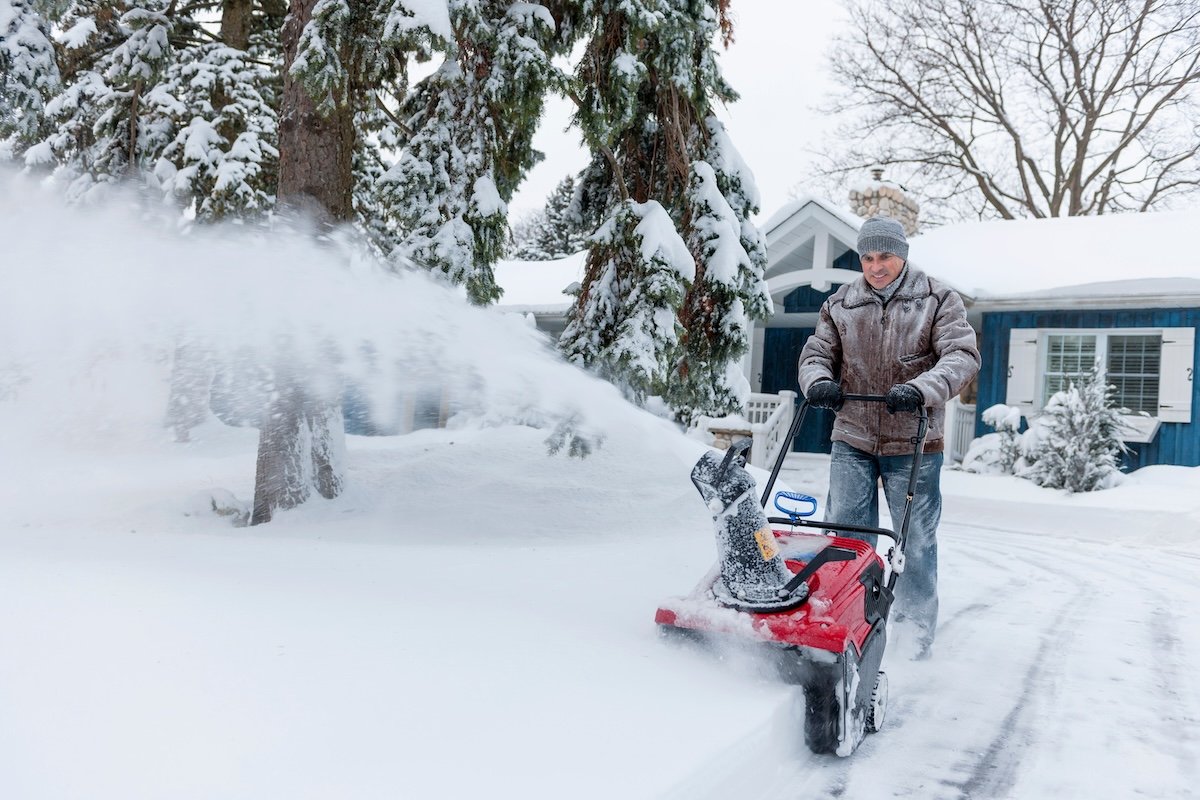
In conclusion, the transition to winter requires a comprehensive and multifaceted strategy. By addressing the vulnerabilities of the home’s structure, optimizing mechanical systems, and ensuring automotive readiness, individuals can navigate the season with confidence. The investment in time and resources during the autumn months provides a significant return in the form of safety, comfort, and financial savings, ensuring that the challenges of the winter season do not result in avoidable catastrophes.