admin
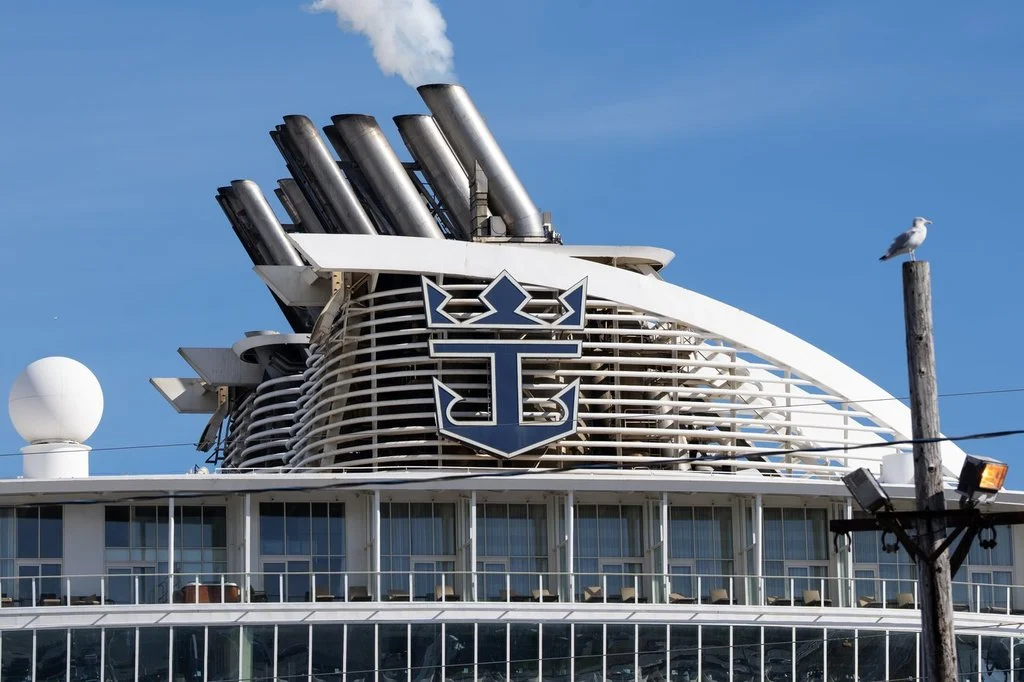
Subtropical Storm Josephine is poised to deliver significant rainfall and powerful winds across parts of Nova Scotia and Newfoundland throughout Thursday and Friday, October 22-23, 2026, prompting Environment Canada to issue comprehensive weather warnings and forcing a major cruise ship, Royal Caribbean’s Oasis of the Seas, to alter its Caribbean itinerary and seek refuge in Halifax. The unexpected diversion brought approximately 5,000 passengers to the Nova Scotian capital, highlighting the far-reaching impact of this late-season weather system.
A Hybrid Threat: The Meteorological Profile of Subtropical Storm Josephine
Josephine began as a low-pressure system off the Atlantic coast of the United States, gradually strengthening and transitioning into a subtropical storm as it tracked northeastward. Unlike a purely tropical storm, which draws all its energy from warm ocean waters, or an extratropical storm, which is fueled by temperature differences, a subtropical storm exhibits characteristics of both. It typically has a broader wind field than a tropical storm, with its strongest winds often extending further from its center, and its core may not be as warm. However, it can still pack a formidable punch, especially as it interacts with ocean currents and atmospheric steering mechanisms.
Meteorological models indicate that Josephine’s trajectory will bring it directly into Atlantic Canada’s marine and coastal zones. The system’s current position off the U.S. Eastern Seaboard has already caused considerable rain and gusty winds in that region earlier this week, setting the stage for its anticipated impact on Canadian shores. Forecasters at Environment Canada have been diligently monitoring its evolution, emphasizing the potential for localized flooding and hazardous marine conditions.
Warnings Issued: Rainfall and Wind Alerts for Atlantic Provinces
Environment Canada has activated yellow rainfall warnings for extensive areas of northern and eastern Nova Scotia, predicting substantial accumulations of 50 to 70 millimetres. These warnings are particularly pertinent for regions such as Cape Breton Island, Antigonish County, Guysborough County, and parts of Pictou County. Such rainfall amounts, concentrated over a relatively short period, pose several risks. Localized flash flooding in low-lying areas and urban centers is a significant concern, potentially affecting infrastructure, road networks, and residential properties. Drivers are advised to anticipate reduced visibility due to heavy downpours and an increased risk of hydroplaning. Additionally, rivers and streams could see elevated water levels, though widespread major river flooding is not currently anticipated. Residents in these areas are encouraged to secure loose outdoor items, clear storm drains, and prepare for potential power interruptions.

Concurrently, a robust wind warning has been issued for the south coast of Newfoundland, forecasting powerful gusts reaching up to 100 kilometres per hour. These extreme winds are expected to manifest particularly on Friday afternoon and evening, impacting coastal communities along the Burin and Avalon Peninsulas. Such high wind speeds can lead to several dangerous conditions, including the potential for significant power outages as trees and utility poles are compromised. Structural damage to less robust buildings, particularly those in exposed coastal locations, is also a concern. Mariners in the region are facing extremely hazardous sea conditions, with warnings for high waves and dangerous surf, which could disrupt ferry services and pose a threat to smaller vessels. Residents in affected Newfoundland coastal areas are urged to take precautions, secure property, and stay informed through official weather updates.
The Unexpected Arrival: Oasis of the Seas in Halifax
The unfolding weather situation directly impacted maritime travel, most notably leading to the unexpected arrival of Royal Caribbean’s Oasis of the Seas in Halifax. This colossal vessel, one of the largest cruise ships in the world, had departed Cape Liberty, New Jersey, on Sunday, October 19, with approximately 5,000 passengers onboard, originally bound for sun-drenched stops in Florida and the Bahamas. However, as Subtropical Storm Josephine intensified and its projected path solidified, the cruise line’s operational teams, in consultation with the ship’s captain, made the critical decision to divert the vessel away from the Caribbean.
The primary driver for this decision was the paramount concern for passenger and crew safety, coupled with the desire to maintain a comfortable experience. Unsafe sea conditions, characterized by towering waves, strong winds, and heavy swells, would have made the original itinerary untenable and potentially dangerous. Navigating through such weather could lead to significant discomfort for passengers, increase the risk of injuries, and compromise the ship’s operational efficiency.
Halifax, with its deep-water port, robust maritime infrastructure, and experience in handling large cruise vessels, emerged as a suitable port of refuge. The city’s geographic location, offering a relatively direct and safer route away from Josephine’s core intensity, made it an ideal alternative. The ship docked in Halifax on Tuesday night, October 20, and remained through Wednesday, October 21, allowing its thousands of passengers an unplanned but unique opportunity to explore the historic Nova Scotian capital.
A Chronology of Diversion and Disaster Aversion (October 2026)
- Mid-October (Approx. Oct 16-18): Meteorological agencies begin tracking the nascent low-pressure system off the U.S. Atlantic coast, noting its potential for development.
- Late Saturday, October 18 / Early Sunday, October 19: The system strengthens and is officially designated Subtropical Storm Josephine. Forecast models indicate a northeastward track that would bring it into the primary sailing lanes for Caribbean-bound cruises from the U.S. Northeast.
- Sunday, October 19: Royal Caribbean’s Oasis of the Seas departs Cape Liberty, New Jersey, for its scheduled itinerary to Florida and the Bahamas. Simultaneously, Royal Caribbean’s operational team, monitoring Josephine’s trajectory and intensity, initiates discussions regarding potential itinerary changes.
- Monday, October 20 (Early): With Josephine’s path becoming clearer and forecasts indicating unsafe sea conditions for the original route, Royal Caribbean makes the formal decision to divert the Oasis of the Seas to Halifax, Nova Scotia. Passengers are notified of the change in plans.
- Tuesday Evening, October 20: The Oasis of the Seas, having altered its course, successfully navigates into Halifax Harbour and docks at the designated cruise terminal.
- Wednesday, October 21: Passengers disembark, transforming downtown Halifax with an unexpected influx of visitors. Local businesses experience an immediate surge in activity. Environment Canada continues to refine its warnings for Josephine’s approach to Atlantic Canada.
- Thursday, October 22: Subtropical Storm Josephine’s leading edge brings heavy rainfall and strong winds to northern and eastern Nova Scotia, as per the issued warnings.
- Friday, October 23: The storm system continues its track, impacting the south coast of Newfoundland with powerful wind gusts up to 100 km/h.
- Post-Friday: Josephine is expected to weaken and track further into the North Atlantic, allowing the Oasis of the Seas to potentially depart Halifax and resume a modified itinerary or return to its homeport, depending on further operational decisions.
Inferred Reactions and Economic Ripple Effects

The diversion of such a large vessel to Halifax provided an unexpected economic boost to the city. Local tourism officials and businesses likely welcomed the sudden influx of thousands of potential customers. A spokesperson for Discover Halifax or the Port of Halifax might have expressed gratitude for the ship’s visit, highlighting the city’s readiness as a world-class port capable of accommodating large ships even on short notice. Local shop owners, restaurateurs, and tour operators would have seen an immediate increase in sales, a welcome development for the shoulder season. "It’s certainly not what we expected, but we’re thrilled to welcome the Oasis of the Seas and its passengers," an inferred statement from a local tourism representative might read. "Halifax always stands ready, and this demonstrates our capacity to serve as a safe and hospitable port of call."
From Royal Caribbean’s perspective, the decision underscored their commitment to passenger safety. A company representative would likely have issued a statement emphasizing that while itinerary changes are regrettable, the well-being of guests and crew is always the top priority. They would also likely express appreciation for the cooperation from Halifax port authorities in facilitating the unexpected visit. Passengers, initially perhaps disappointed by the change in their tropical vacation plans, were likely to have made the most of their unforeseen Canadian adventure, exploring Halifax’s historic waterfront, Citadel Hill, and local culinary scene.
Broader Context: Climate Patterns and Maritime Preparedness
The occurrence of Subtropical Storm Josephine in late October, while not unprecedented, contributes to a broader discussion among meteorologists regarding evolving weather patterns. Some climate scientists suggest that warmer ocean temperatures, a consequence of climate change, could potentially influence the formation and intensification of late-season storms, or even extend the traditional hurricane season. While attributing any single event directly to climate change is complex, the increased frequency of unusual storm tracks or intensities is a subject of ongoing research. The resilience of Atlantic Canada’s coastal communities and infrastructure is continually tested by such events, necessitating robust emergency preparedness and adaptive strategies.
For the cruise industry, such diversions are a routine part of operations, albeit on a grand scale with a ship like Oasis of the Seas. Cruise lines maintain sophisticated meteorological departments and contingency plans to reroute ships away from severe weather, demonstrating the industry’s commitment to safety and operational flexibility. The ability of ports like Halifax to swiftly accommodate such large vessels, often on short notice, is critical to these contingency plans, highlighting the importance of robust port infrastructure and experienced maritime services.
As Josephine continues its track across Atlantic Canada, residents in Nova Scotia and Newfoundland are urged to remain vigilant, heed all warnings from Environment Canada, and prepare for potentially disruptive weather conditions. The unexpected visit of the Oasis of the Seas to Halifax serves as a vivid reminder of the dynamic and sometimes unpredictable nature of the North Atlantic weather systems, and the complex interplay between global travel, local economies, and meteorological phenomena.