admin
Eighteen months ago, a beacon of hope for public health reform shone brightly in West Virginia’s eastern panhandle. State officials, joined by national advocates from the Making America Healthy Again (MAHA) movement, gathered to unveil a sweeping plan aimed at reversing the state’s dire health statistics. Yet, as the rhetoric of policy victories resonates nationally, a starkly different reality persists in communities like Sandyville and McDowell County, where aging infrastructure, pervasive food insecurity, and a lack of fundamental resources continue to challenge the very notion of public health improvement.
The Promise of "Making America Healthy Again" in West Virginia
The highly publicized event saw State Attorney General Morrisey address a gathering that included state legislators, MAHA advocates, and children. Morrisey candidly acknowledged West Virginia’s unenviable position at the bottom of numerous public health metrics, citing alarming statistics related to obesity, heart disease, diabetes, and a notably low life expectancy. According to the Centers for Disease Control and Prevention (CDC) and America’s Health Rankings, West Virginia consistently ranks among the states with the highest rates of adult obesity (over 40%), diabetes (over 15%), and cardiovascular disease-related deaths. The state’s average life expectancy often falls several years below the national average, underscoring the urgency of the announced initiatives.
To confront this crisis, Morrisey outlined a comprehensive four-pillar plan designed to foster healthier outcomes across the state. Key components included robust initiatives to encourage West Virginians to engage in more physical activity, such as community walking programs and promotion of outdoor recreation, leveraging the state’s natural beauty. Another significant pillar focused on implementing stronger work requirements for federal assistance programs, posited as a means to incentivize employment and self-sufficiency, thereby fostering economic stability believed to be linked to better health.
Beyond these broad strategies, the administration introduced specific, tangible policies targeting nutrition. In a move that garnered national attention, Morrisey signed into law one of the nation’s first state bans on artificial food dyes in school meals. This action was grounded in growing concerns from public health experts and parents regarding the potential links between synthetic food dyes and adverse health effects, particularly in children, such as hyperactivity and behavioral issues. This pioneering state legislation, while currently facing litigation, set a precedent that later informed the federal government’s own plans to phase out artificial food dyes from various products.
Furthering its nutritional agenda, the state also submitted a letter of intent to the federal government, requesting a waiver to prohibit soda purchases under the Supplemental Nutrition Assistance Program (SNAP). This controversial proposal aimed to redirect SNAP benefits away from what officials deemed "empty calorie" beverages, promoting healthier food choices for low-income families.
The state’s proactive stance was lauded by prominent national figures. Kennedy, a vocal proponent of health reform, praised West Virginia’s actions, declaring the state was setting "a shining example for the rest of the country." This endorsement underscored the national significance attributed to West Virginia’s efforts in pioneering state-level interventions to tackle pervasive public health challenges.
West Virginia’s Stark Health Realities: A Deeper Dive
Despite the ambitious policy pronouncements, the roots of West Virginia’s health crisis run deep, intertwining with complex socio-economic and environmental factors. The state’s public health challenges are not merely a matter of individual lifestyle choices but are exacerbated by systemic issues including generational poverty, a declining industrial base, and inadequate access to vital resources.
For instance, the state’s high rates of chronic diseases are often linked to a prevalent lack of access to affordable, nutritious food options, particularly in rural and economically depressed areas, often termed "food deserts." Many communities lack supermarkets, leaving residents reliant on convenience stores where processed foods and sugary drinks dominate the shelves. Coupled with this, West Virginia faces significant healthcare access barriers, with a shortage of primary care physicians and specialists, particularly in its more remote regions. Transportation issues, limited health education, and the lingering impacts of the opioid crisis further complicate the health landscape. The economic downturn, particularly in the historically dominant coal industry, has led to job losses, increased poverty, and a resultant strain on public health services, creating a vicious cycle where poor health outcomes contribute to economic stagnation and vice versa. These intricate layers of disadvantage underscore the monumental task facing any health reform initiative in the Mountain State.
A Year and a Half Later: On-the-Ground Disillusionment
However, the enthusiasm surrounding these policy announcements has been met with skepticism and a sense of disillusionment in many parts of the state. A year and a half after the high-profile pronouncements, the reality on the ground, particularly in West Virginia’s southern coalfields, reveals a stark contrast between policy ambition and lived experience.
Caitlin Ware, a part-time pastor at Sandyville United Methodist Church, embodies this skepticism. Sitting in her church, Ware held up a bottle, swirling dirty, sediment-tainted water within. "Can we ban this dye?" she asked wryly, the question laced with a profound irony. "This isn’t food dye, obviously. This is just tap water in McDowell County." Her simple, poignant gesture underscored a fundamental issue that policy announcements on food dyes and walking initiatives seemed to overlook: the most basic human right to clean, safe drinking water.
The Unseen Crisis: Water Insecurity in the Coalfields
Ware’s dual role as a pastor in Sandyville and a community worker in the southern coalfields gives her a unique vantage point on the state’s most pressing challenges. In areas like McDowell County, clean water access has been a critical and deeply entrenched issue for decades. The problem stems from severely decaying pipes and infrastructure, a legacy of aging systems and chronic underinvestment. Reports from the Environmental Protection Agency (EPA) and local investigative journalism, such as that by the Gazette-Mail, confirm that West Virginia has consistently recorded the highest rate of public water systems with Safe Drinking Water Act violations in the United States. These violations range from elevated levels of lead and copper to contamination by industrial chemicals and bacteria, posing severe health risks including developmental delays in children, kidney disease, and various cancers.

The consequences for residents are dire. Many households in the southern coalfields cannot trust their tap water for drinking, cooking, or even bathing. This forces families, many already struggling financially, to allocate a significant portion of their limited resources to purchasing bottled water. Ware observed that most SNAP participants in the region, rather than using their benefits for fresh produce or other dietary needs, are compelled to spend their allotted food assistance on bottled water, diverting funds from their intended purpose of alleviating food insecurity. This practical necessity highlights a severe disconnect: while policymakers discuss banning soda purchases, residents are fundamentally concerned with accessing potable water.
Food Insecurity Amidst Farmland: A Paradox
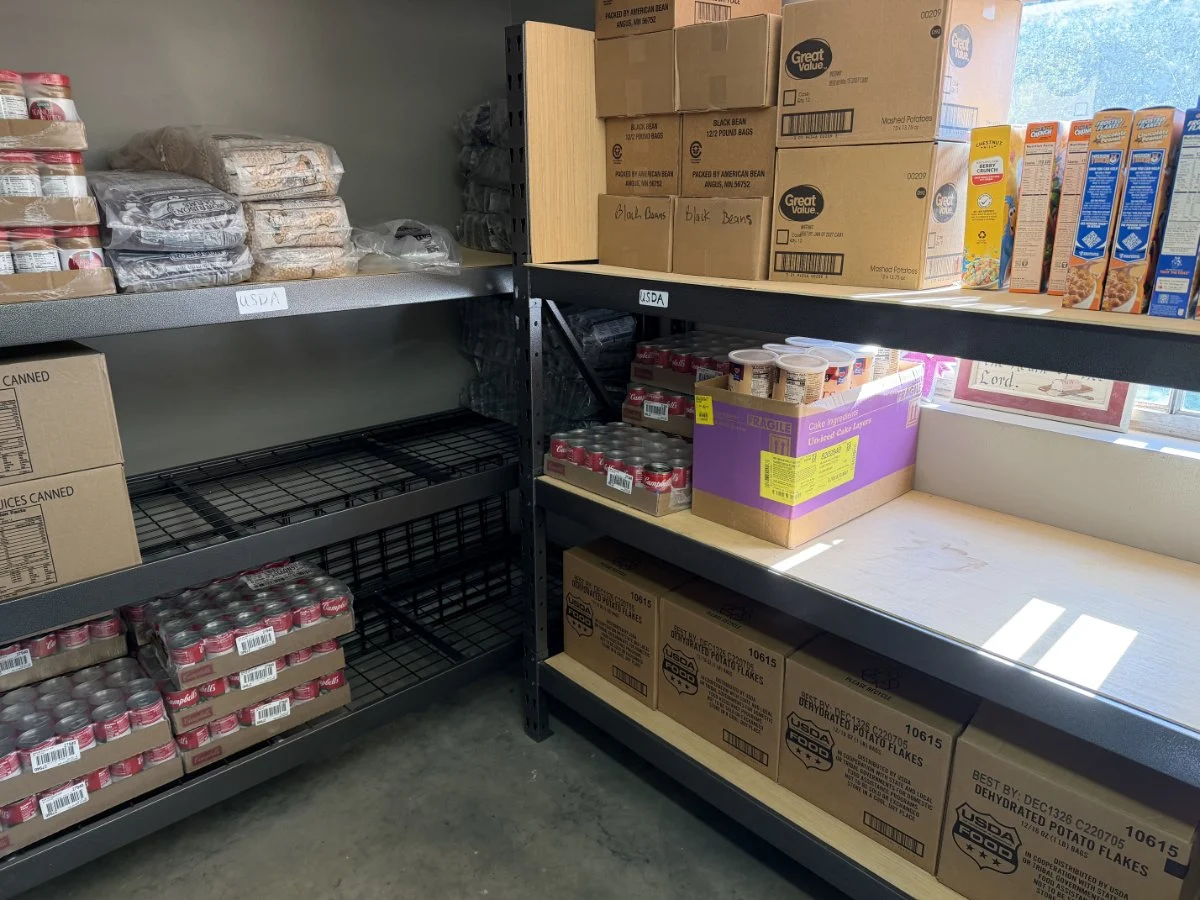
The irony of the situation extends to food access itself. Ware also assists with a food pantry run through her church, a vital community-specific site that distributes food boxes to those in need. She reports a dramatic increase in demand, directly attributing it to recent cuts and restrictions to SNAP benefits. While the MAHA conversations in the state have largely centered on promoting individual lifestyle changes – encouraging healthier eating habits and physical activity – Ware argues forcefully that these personal shifts are utterly insufficient to overcome the gargantuan infrastructure and institutional challenges facing West Virginians.
"If we were truly serious about making our communities healthy, we would have more than $25 for food benefits," Ware stated, referencing the inadequacy of current assistance levels for many families. While the specific figure of $25 might represent a supplemental amount or a perceived insufficient increase, it powerfully conveys the sentiment that existing SNAP benefits are often inadequate to cover basic nutritional needs, let alone the added expense of safe water. "We would not be forcing people to pay for that water. We would have bellies full. We would have safe showers." Her words underscore a comprehensive vision of health that encompasses basic necessities – food, water, and sanitation – rather than solely focusing on dietary restrictions or exercise.
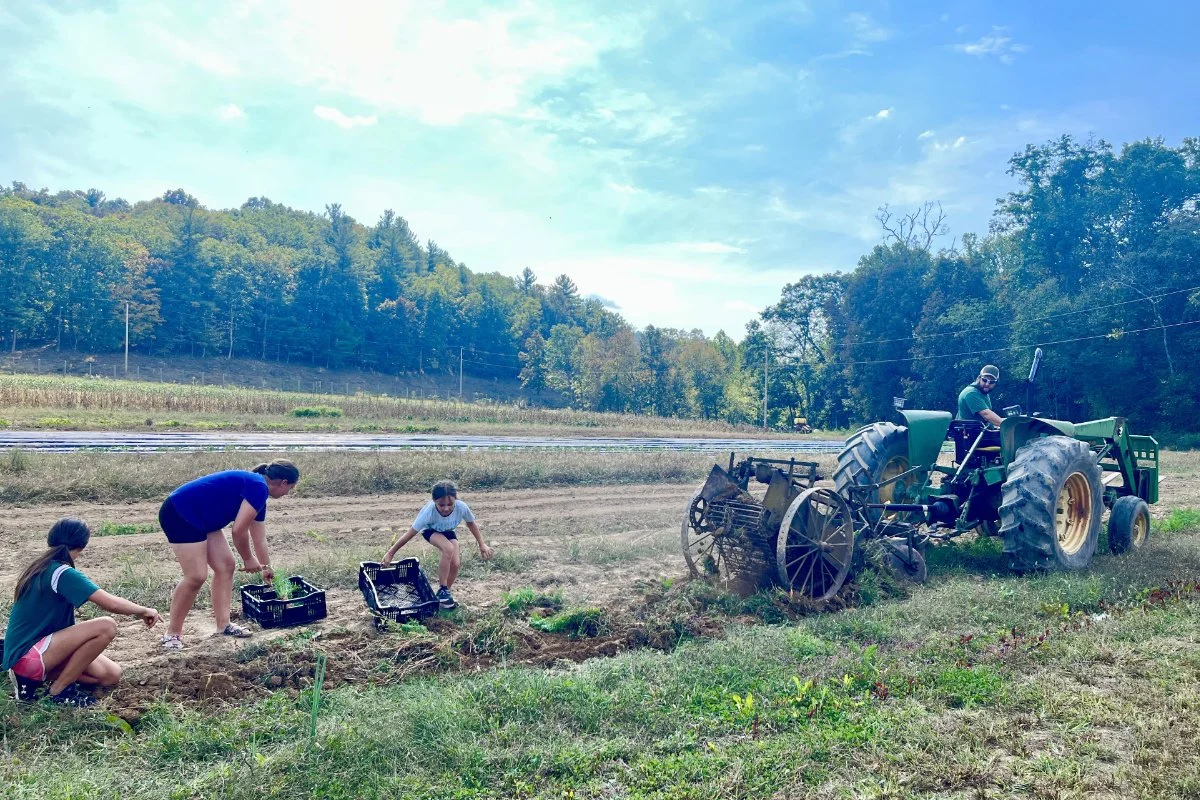
The paradox of food insecurity in an agriculturally rich state is particularly poignant in Sandyville. Once a thriving agricultural community, it now faces challenges that reflect broader trends. Ware recounted a recent funeral she led for a farmer whose family, despite their connection to the land, was struggling so severely that they requested food or monetary donations instead of flowers. "It’s just wild that we are literally surrounded by farmlands," Ware lamented, her voice tinged with both frustration and sorrow. "We are functionally sitting on farmlands, and people don’t have food." This statement encapsulates the systemic failures that prevent local agricultural abundance from reaching those who need it most, often due to distribution challenges, economic barriers, and the decline of local food systems.
The Lifeline of Community: Sandyville United Methodist Church Food Pantry
Perched atop a rolling hill, the Sandyville United Methodist Church stands as a quiet testament to community resilience and compassion. Inside, Marvin and Robin Miller, dedicated parishioners, joined Ware to discuss their work with the church’s food pantry. Their story is one of unwavering commitment, born from a deep love for their community. Marvin, sporting a bright blue t-shirt emblazoned with the church’s logo, frequently became emotional when reflecting on the impact of their efforts.
The food pantry, established in 1993 with the initial aid of Robin’s mother, has become an indispensable resource. Robin eventually took over as co-director, meticulously managing operations, while Marvin embraces his role as the "go-getter," responsible for picking up, sorting, and stacking donations. Over the past several years, the couple estimates they have consistently served approximately 45 families. However, during periods of heightened economic stress or governmental instability, such as the government shutdown when SNAP benefits were delayed, the demand has more than doubled, straining their resources and highlighting the fragility of many families’ food security.
The Millers’ experience on the front lines of food assistance offers a critical perspective on the efficacy of state and federal programs. Marvin, with a directness born of years of practical service, invoked a common adage: "Prior proper planning prevents piss-poor performance." He concluded, "Right now, we’ve got some piss-poor performance going on in our programs." This blunt assessment reflects a widespread sentiment that while policy intentions may be good, their execution and fundamental design often fail to address the immediate and profound needs of vulnerable populations. The gap between promised reform and experienced reality is not just theoretical; it translates into empty shelves at home and increased reliance on community efforts like theirs.
Broader Impact and National Implications
Kennedy’s visit to West Virginia early in his tenure marked a significant moment for the MAHA movement, positioning the state as a trailblazer in public health policy. Indeed, West Virginia’s actions have had a ripple effect, inspiring other states to consider or enact similar laws restricting food dyes or mandating specific labeling for products containing certain additives. The state’s initiative on banning food dyes in school meals was directly cited when the federal government’s Food and Drug Administration (FDA) announced its own plan to phase out artificial food dyes by the end of 2026, signaling a growing national consensus on the issue.
However, the state’s proposed ban on soda purchases under SNAP has faced more significant hurdles. The federal government’s stance on such waivers has historically been cautious, emphasizing consumer choice and the administrative complexities of restricting specific food categories. The state law regarding SNAP food restrictions is currently on hold due to ongoing litigation, underscoring the legal and ideological battles inherent in attempts to modify federal assistance programs at the state level.
While MAHA leaders at the national level celebrate both the action on SNAP and food dyes as significant policy wins, many West Virginians interviewed by Civil Eats perceive the MAHA initiatives as more rhetoric than substantive action. The focus on individual lifestyle choices and specific food ingredients, while not without merit, appears to bypass the more fundamental and pressing issues that continue to plague the state: decaying infrastructure leading to unsafe drinking water, a chronic lack of well-paying jobs, pervasive food insecurity, and inadequate social safety nets.
Conclusion: A Call for Holistic Solutions
The narrative emerging from West Virginia is a complex tapestry woven with threads of ambitious policy, deeply entrenched challenges, and the unwavering dedication of community members. While the state has undeniably taken bold steps in public health reform, particularly in areas like food dye regulation, the true measure of its success will lie in its ability to address the foundational issues that impact daily life for countless residents.
The experiences of Caitlin Ware and the Millers in Sandyville underscore a critical lesson: genuine public health improvement cannot be achieved solely through top-down mandates or by focusing on individual dietary habits. It demands a holistic approach that simultaneously tackles the systemic failures of infrastructure, ensures access to basic necessities like clean water and adequate food, fosters economic opportunity, and strengthens community support systems. Until these fundamental challenges are met with equally robust and well-resourced solutions, the promise of "Making America Healthy Again" will remain an aspirational goal, rather than a lived reality, for many West Virginians. The path forward requires not just policy innovation, but a profound commitment to investing in the core infrastructure and social safety nets that underpin a truly healthy society.