admin
admin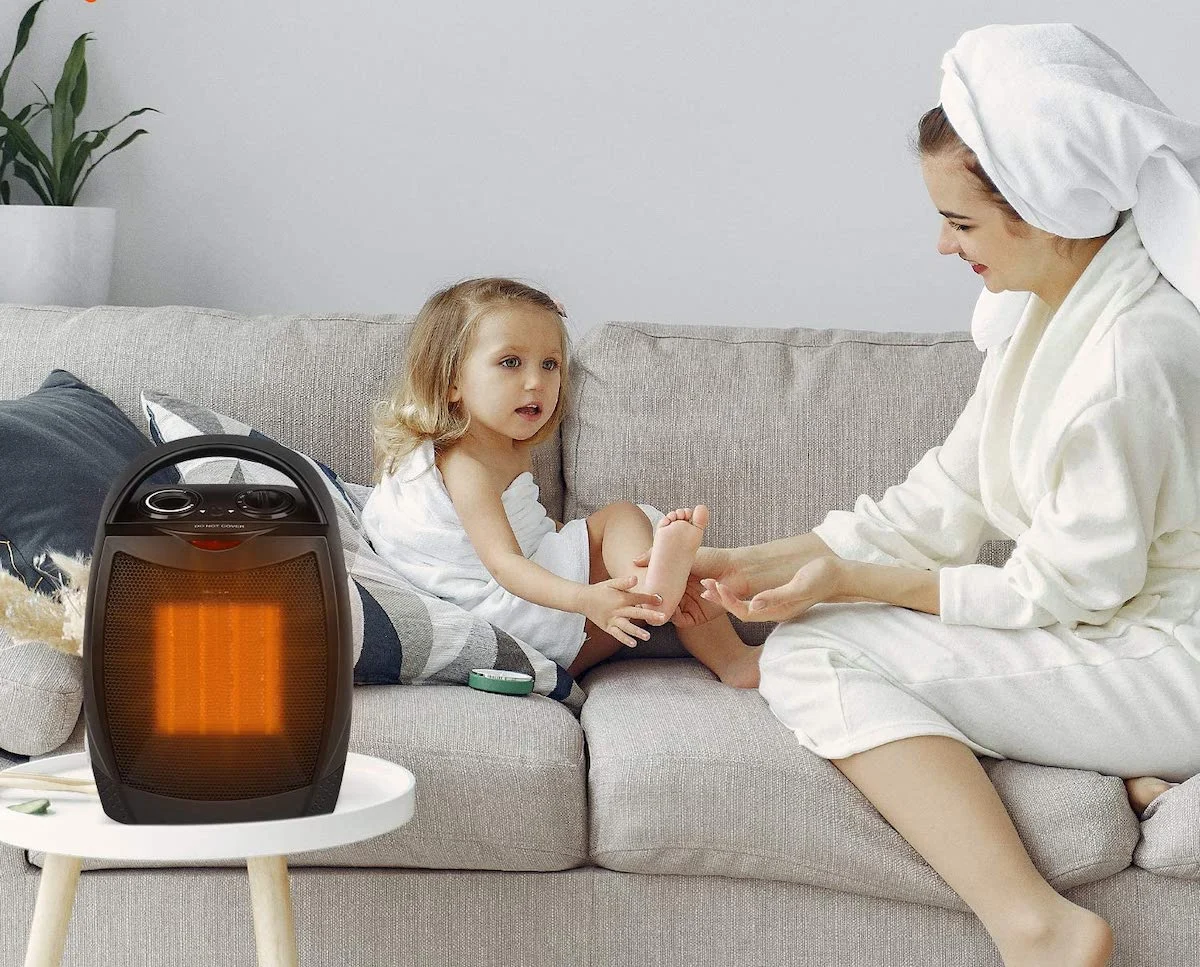
Residential property owners frequently view the basement as a secondary frontier for expanding a home’s habitable footprint, yet the subterranean nature of these spaces presents a persistent thermal challenge. In North American climates, where seasonal temperature fluctuations can be extreme, the inherent "cold basement" syndrome often renders finished living areas—intended for use as home offices, guest suites, or entertainment hubs—uncomfortable or even unusable during winter months. Addressing this issue requires a multi-faceted approach that combines diagnostic technology, localized heating solutions, and strategic interior design. By integrating modern heating appliances with fundamental HVAC maintenance and thermal insulation strategies, homeowners can effectively bridge the temperature gap between subterranean levels and the rest of the household.
The Physics of Subterranean Temperature Challenges
To understand the necessity of specialized heating solutions, one must first examine the physics governing basement environments. Unlike the upper stories of a house, which are surrounded by air, basements are encased in soil. Ground temperatures typically remain constant at roughly 50 to 55 degrees Fahrenheit below the frost line. While this provides a cooling effect in the summer, it creates a massive thermal sink in the winter. Concrete, the primary material for basement walls and floors, possesses high thermal mass but poor insulative properties, meaning it readily conducts heat away from the interior space and into the surrounding earth.
Furthermore, the "stack effect" in residential construction exacerbates the problem. As warm air rises within a home and escapes through upper-level windows or attic vents, it creates a vacuum that pulls cold air inward through any gaps in the basement foundation or rim joists. This constant infiltration of cold air, combined with the lack of natural sunlight, ensures that basements remain the most difficult zone of the home to regulate.
Diagnostic Phase: Identifying Thermal Leakage
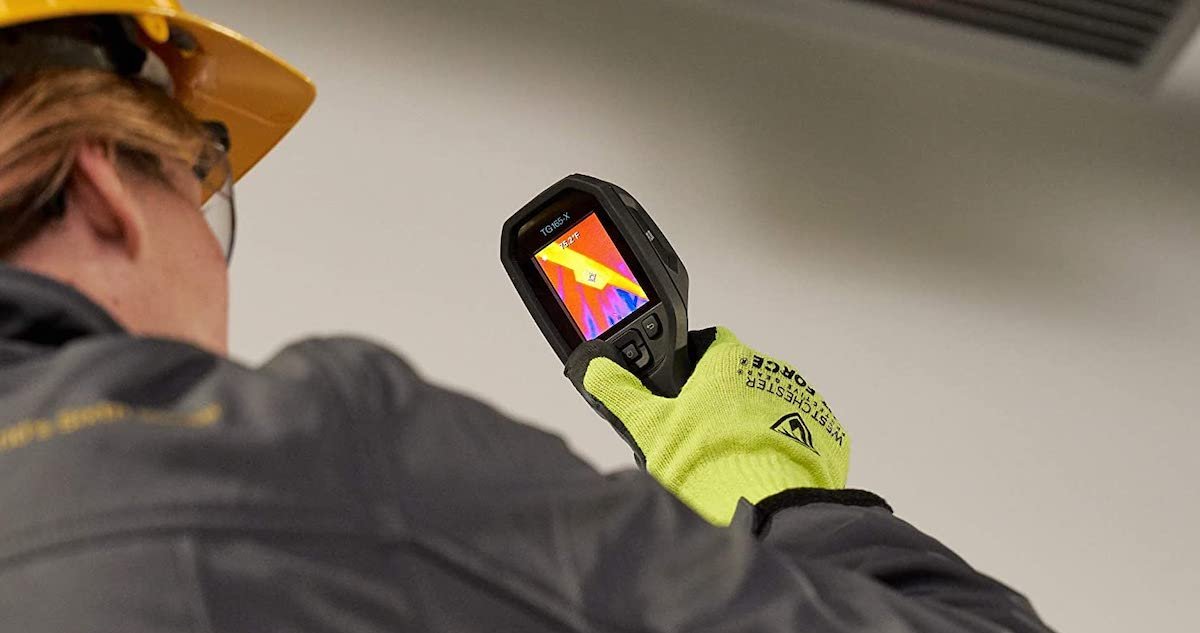
Before investing in heating hardware, energy efficiency experts recommend a diagnostic assessment to identify the specific sources of cold. The use of thermal imaging has transitioned from a professional-grade luxury to a consumer-accessible necessity. Devices such as the FLIR TG165-X Thermal Camera allow homeowners to visualize "thermal bridges"—areas where insulation is missing or where cold air is penetrating the building envelope.
Chronologically, the most effective remediation strategy begins with these diagnostics. By scanning windows, door frames, and the "sill plate" (the junction where the wooden house frame meets the concrete foundation), residents can pinpoint exactly where to apply caulk or spray foam. Data suggests that sealing these air leaks can improve the efficiency of subsequent heating solutions by as much as 20 percent. Once the envelope is secured, the focus can shift to active heating and comfort-enhancing products.
Targeted Heating: Portable and Fixed Electric Solutions
For many finished basements, the existing central HVAC system is insufficient. Ductwork in basements is often an afterthought, and the thermostat is typically located on the first floor, meaning the furnace shuts off before the basement reaches a comfortable temperature. This creates a demand for supplemental heat sources.
High-Efficiency Space Heaters
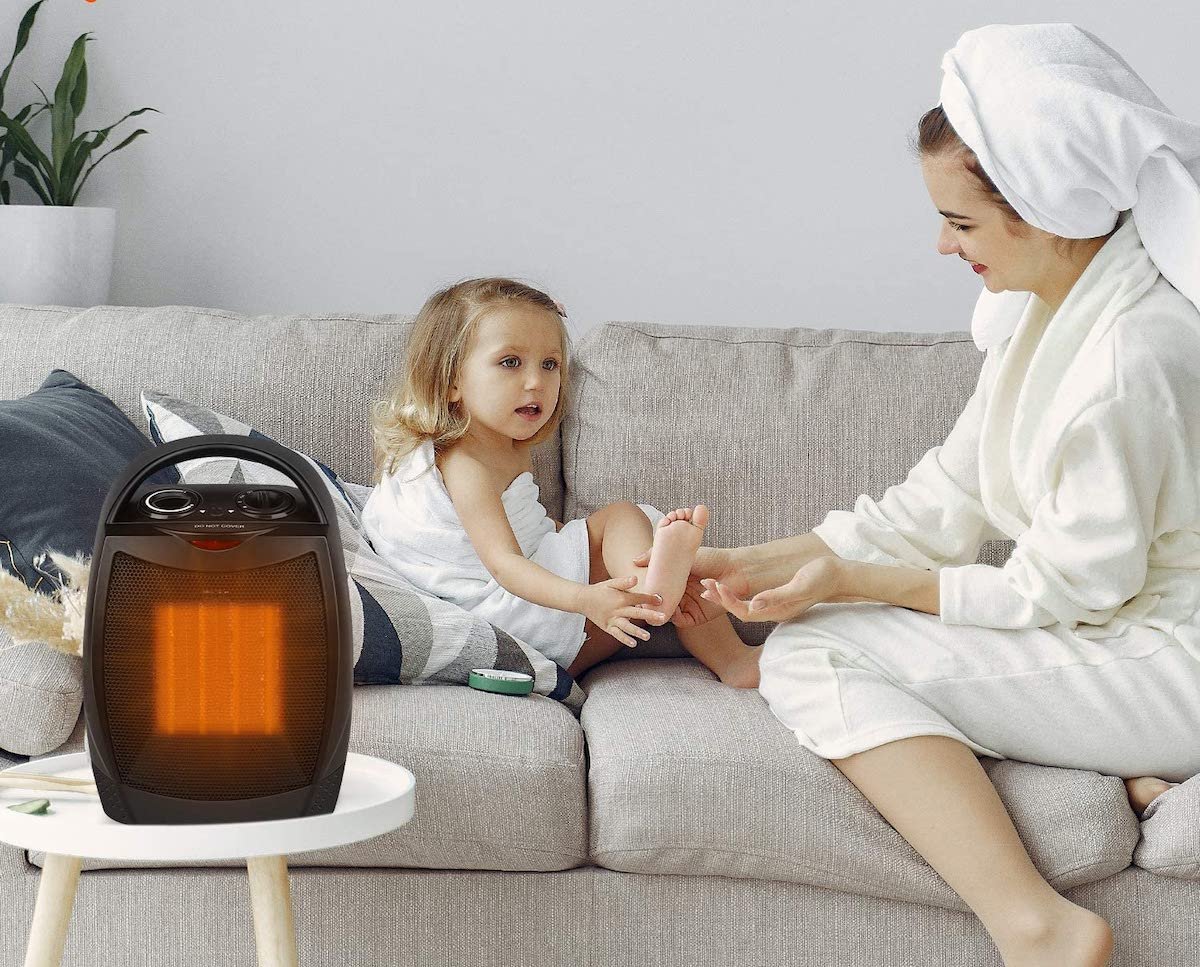
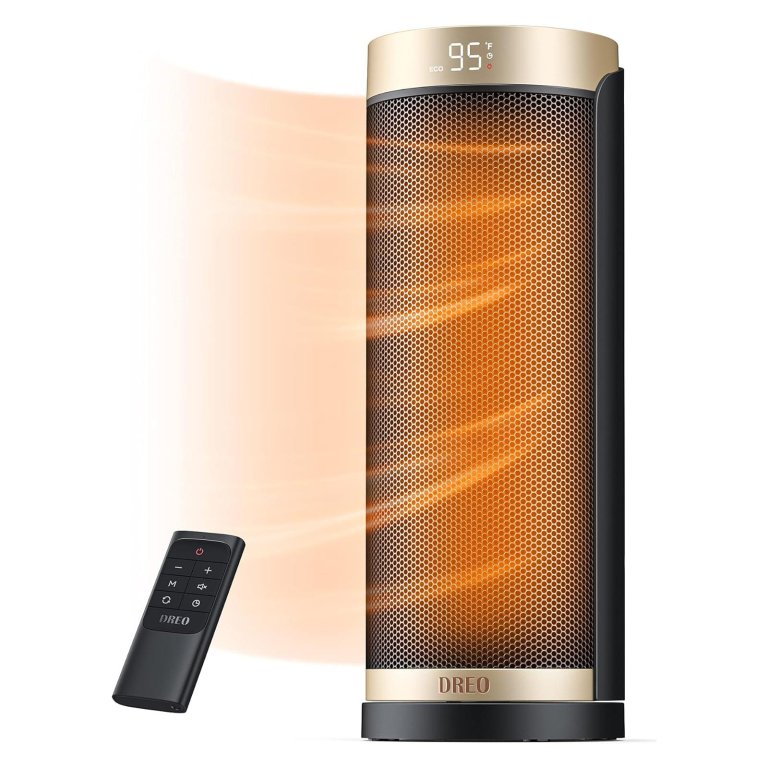
Portable electric space heaters represent the most immediate and cost-effective solution for localized warmth. The GiveBest Portable Electric Space Heater, for instance, utilizes ceramic heating elements to provide rapid warmth for areas up to 200 square feet. For larger rooms or more demanding subterranean environments, the Dreo Solaris H3 Slim Space Heater offers a more sophisticated oscillation system to distribute heat evenly. Industry safety standards have evolved significantly; modern units now standardly include tip-over protection and automatic overheat shut-off, mitigating the fire risks historically associated with portable heaters.
Permanent Wall-Mounted and Baseboard Units
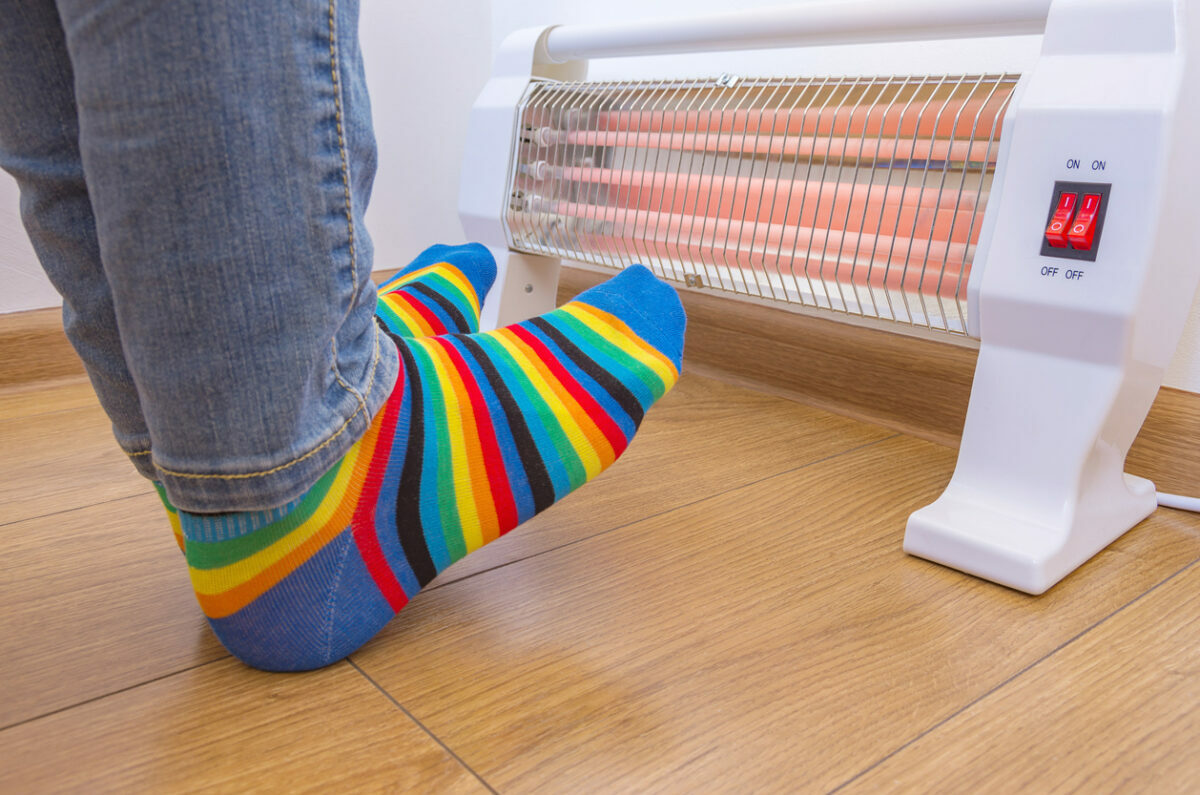
For a more integrated aesthetic, homeowners are increasingly turning to wall-mounted infrared panels and portable baseboard heaters. The Heat Storm HS-1500-PHX-WIFI represents the shift toward "smart" home heating, allowing users to regulate basement temperatures via smartphone before they even enter the room. Infrared technology is particularly effective in basements because it heats objects and people directly, rather than just the air, which is prone to rising and escaping.
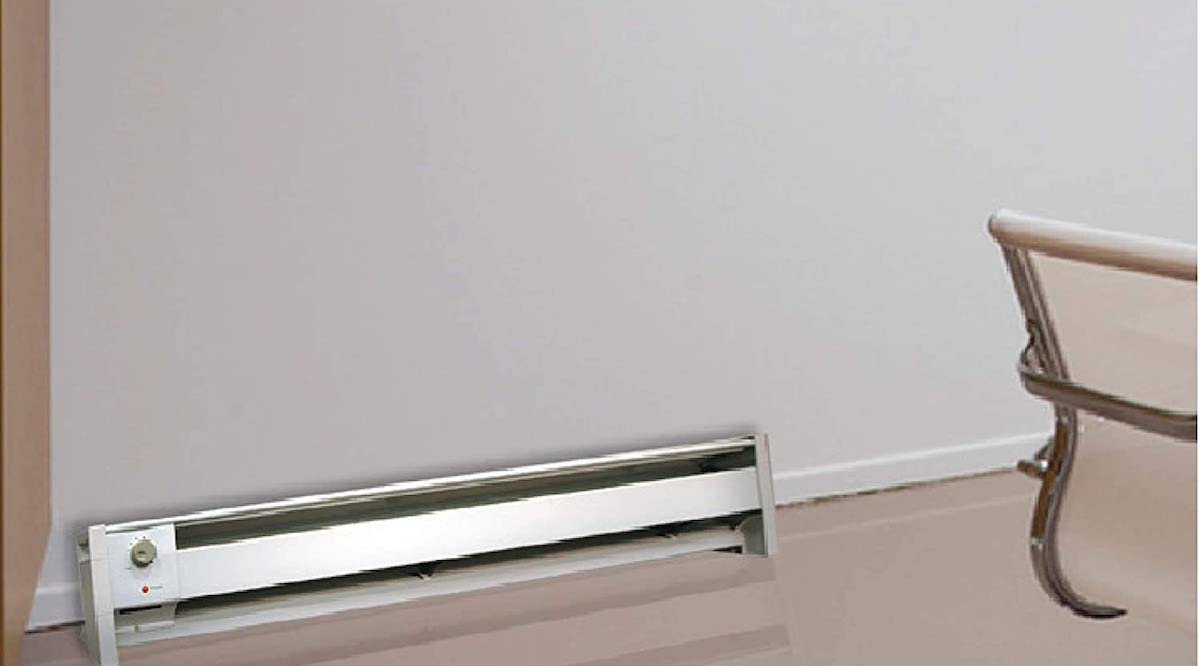
Similarly, the Fahrenheat FBE15002 Portable Electric Baseboard Heater provides a low-profile solution that mimics traditional hydronic heating. These units are designed for near-silent operation, making them ideal for basement bedrooms or home offices where the fan noise of a traditional space heater might be disruptive.
Structural Comfort: Radiant Heat and Flooring
The floor is often the coldest surface in a basement, as it is in direct contact with the concrete slab. While area rugs provide a temporary barrier, radiant floor heating systems offer the most comprehensive solution for cold feet.
Radiant Heating Systems
Installing a system like the Warming Systems Electric Radiant Floor Heating involves laying electric mats beneath the final flooring material—typically tile or engineered wood. This system provides consistent, "bottom-up" heat that eliminates the chill of the slab. While the initial installation cost is higher than portable units, radiant heat is highly efficient because it maintains a steady temperature and reduces the need for high-wattage air heaters.

Soft Surface Solutions
For those not undergoing a full floor renovation, high-pile textiles serve as an essential "passive" heating element. The TWINNIS Super Soft Shaggy Rug, for example, acts as an insulative layer, trapping air within its fibers and preventing the concrete slab from leaching heat from the soles of the residents’ feet. This is particularly vital in children’s play areas, where much of the activity occurs at floor level.
Atmospheric and Aesthetic Warmth: Electric Fireplaces
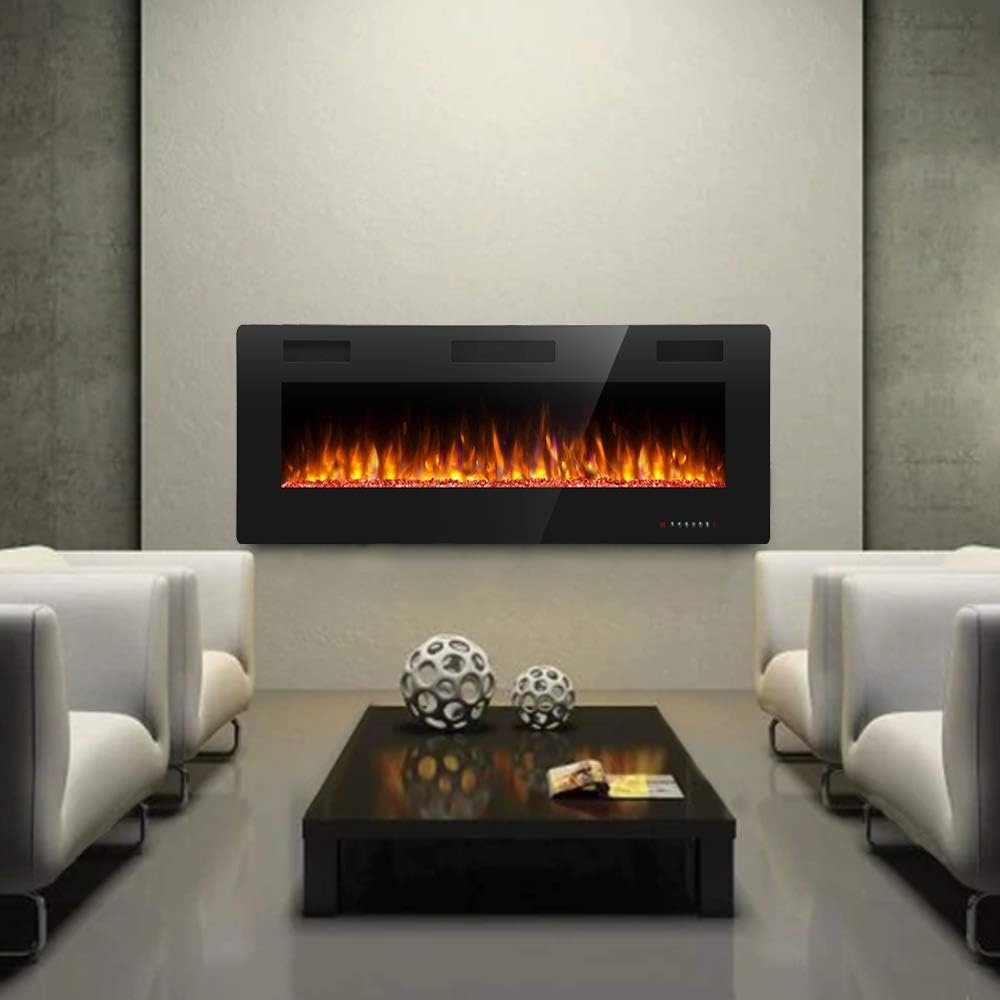
The psychological impact of warmth is as significant as the physical temperature. Electric fireplaces have seen a surge in popularity as basement fixtures because they require no venting or chimneys. The Antarctic Star 36-Inch Electric Fireplace serves a dual purpose: it provides a supplemental heat source capable of warming mid-sized rooms while creating a visual focal point that makes the space feel "cozy" rather than "subterranean." Modern LED technology allows these units to mimic the flicker of real flames, significantly enhancing the ambiance of windowless basement dens.
HVAC Optimization and Airflow Management
A common oversight in basement climate control is the maintenance of existing systems and the management of air circulation.
Furnace Filter Maintenance
The efficiency of a home’s primary heating system is directly tied to airflow. A clogged furnace filter forces the blower motor to work harder, reducing the volume of warm air that reaches the furthest extremities of the ductwork, which usually includes the basement. Utilizing high-MERV (Minimum Efficiency Reporting Value) filters, such as the Nordic Pure AC & Furnace Air Filters, ensures that the air is not only clean but that the system is operating at peak thermal output. Experts recommend changing these filters every 90 days, or more frequently in homes with pets or active construction.

The Role of Ceiling Fans
While often associated with cooling, ceiling fans are a critical tool for winter heat management. Because heat rises (convection), the warmest air in a basement often sits uselessly against the ceiling. By using a reversible fan like the Minka-Aire Smart Ceiling Fan and setting it to rotate clockwise at a low speed, the blades create an updraft. This updraft displaces the warm air near the ceiling and pushes it back down the walls to the floor level, effectively recycling the heat already present in the room.
Economic and Lifestyle Implications
The decision to properly heat a basement carries significant financial implications. According to real estate data, a finished and comfortable basement can offer a return on investment (ROI) of up to 70 to 75 percent of the renovation cost. However, this value is only realized if the space is perceived as a seamless extension of the upper floors. A basement that feels like a "cold cellar" is often excluded from a buyer’s mental calculation of living space.

Furthermore, the rise of remote work has transformed the basement from a storage area into a primary workplace. The productivity loss associated with an uncomfortable environment—characterized by stiff joints and decreased focus—justifies the integration of high-quality heating solutions.
Conclusion: A Holistic Thermal Strategy
Warming a cold basement is rarely achieved through a single product. Rather, it is the result of a holistic strategy that begins with diagnostic technology to seal the building envelope, followed by the strategic deployment of supplemental heat sources like electric fireplaces and baseboard units. By addressing the floor-level chill with radiant mats or plush rugs and optimizing airflow with reversible fans and clean filters, homeowners can reclaim their subterranean square footage. As energy costs continue to fluctuate, the shift toward targeted, efficient heating solutions ensures that the basement remains a viable, comfortable, and valuable part of the modern home regardless of the season.