admin
admin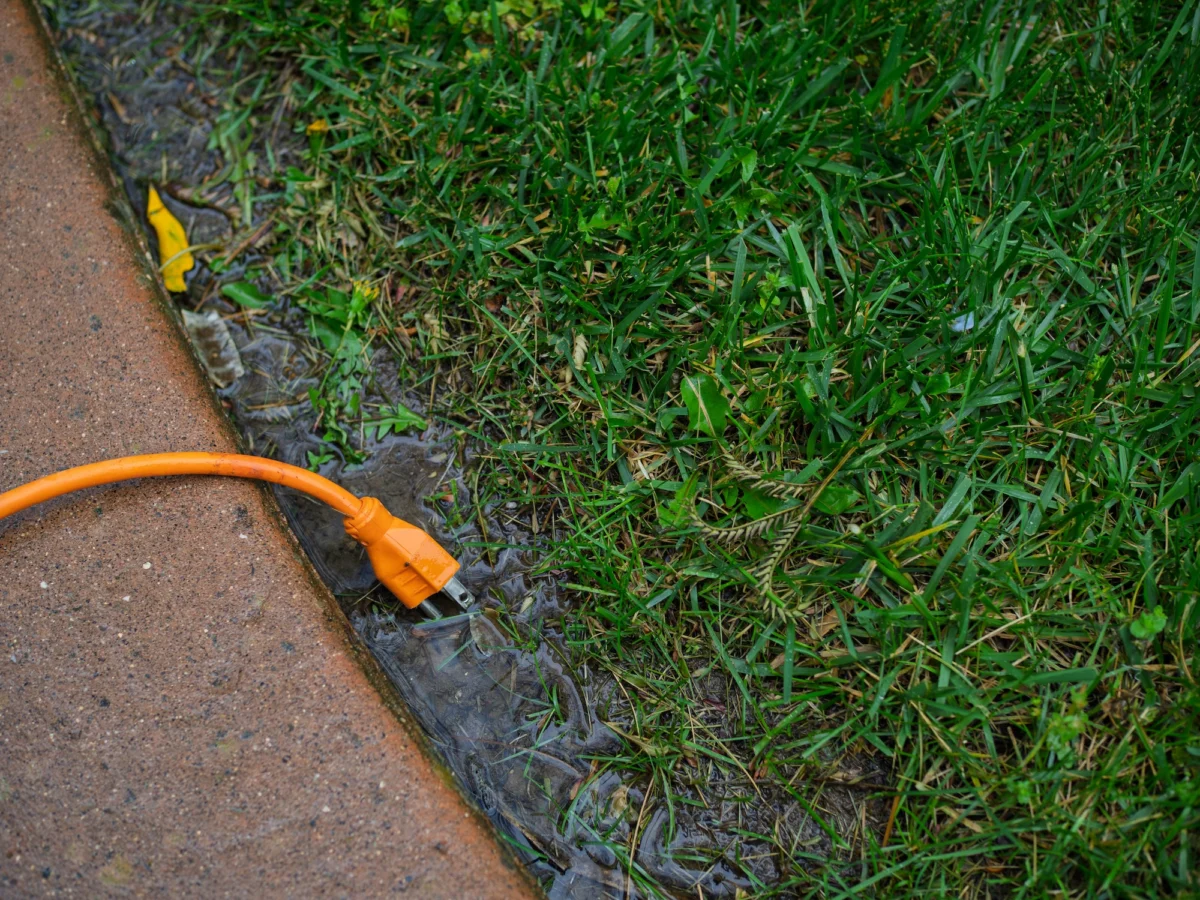
In the immediate aftermath of a severe weather event, the instinct for most property owners is to assess visible structural damage, such as fallen timber or compromised roofing. However, civil engineers and home maintenance experts warn that the most insidious threat to property value and occupant health often remains invisible or overlooked: standing water. Whether it manifests as a persistent puddle in a basement corner or as un-drained runoff behind a retaining wall, stagnant water serves as a catalyst for a cascade of structural, biological, and financial complications. Professional assessments indicate that failure to address these moisture reservoirs within 24 to 48 hours can lead to irreversible damage to a home’s foundation and internal environment.
The Structural and Biological Dangers of Stagnant Water
Standing water is rarely a benign presence; it is a dynamic force that interacts with building materials and the local ecosystem. According to Hayden Slack, owner and general manager of G.L. Hunt Foundation Repair, the accumulation of water near a home’s primary support structures can have catastrophic long-term effects. Slack notes that when water repeatedly collects near the foundation, it can oversaturate the soil, leading to significant land subsidence or foundation movement. This phenomenon occurs because certain soil types, particularly those with high clay content, expand when wet and contract when dry, creating a "heaving" effect that can crack concrete slabs and masonry.
Beyond the mechanical stress on the foundation, standing water facilitates the growth of mold and wood rot. The Environmental Protection Agency (EPA) emphasizes that mold spores can begin to colonize damp surfaces in as little as 24 hours. Once established, mold can compromise indoor air quality, leading to respiratory issues for residents, while wood rot (fungal decay) can weaken the load-bearing capabilities of floor joists and wall studs.
Chronology of Post-Storm Water Damage
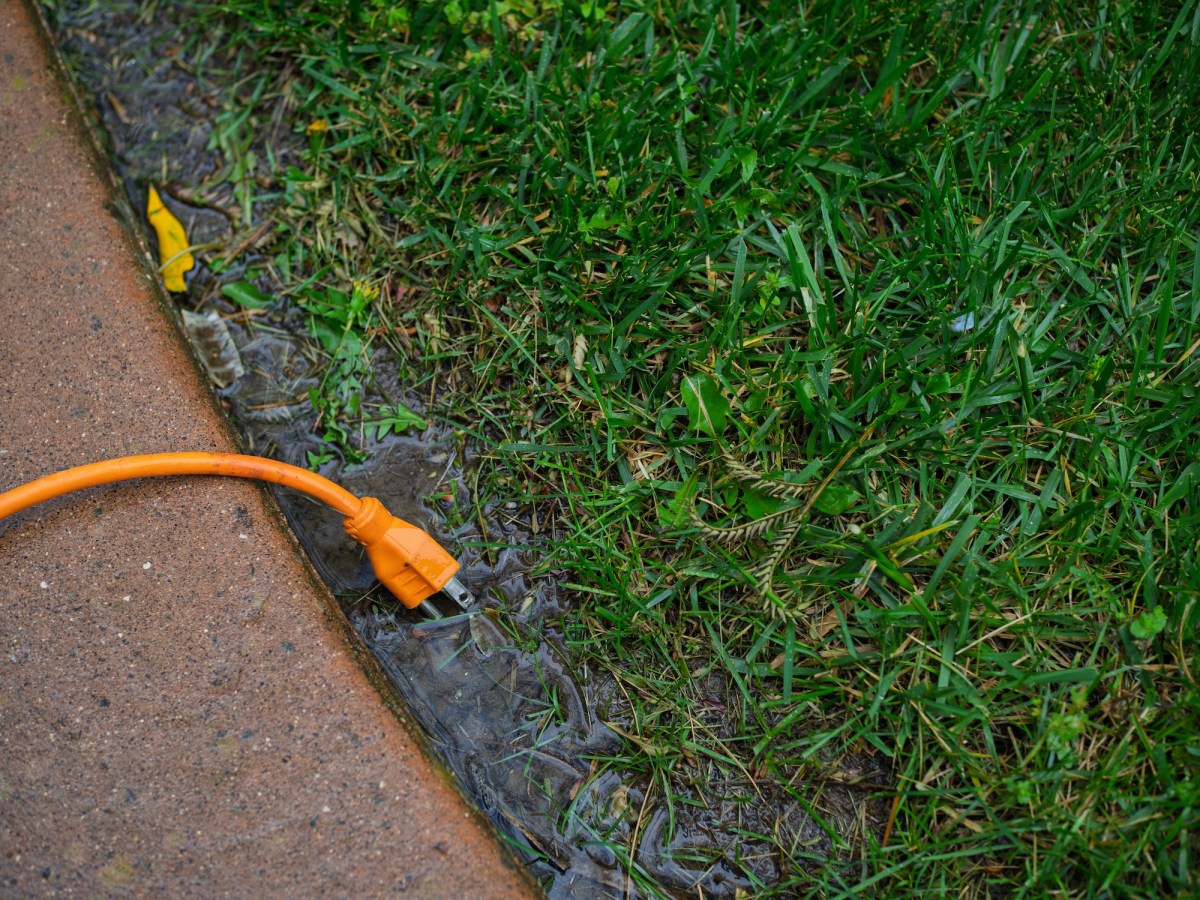
Understanding the timeline of water damage is essential for effective mitigation. Industry standards typically categorize the progression of damage into three distinct phases:
- The Immediate Window (0–2 Hours): Water spreads across surfaces, saturating carpets and seeping into baseboards. Unprotected electronics and furniture begin to absorb moisture.
- The Critical Window (2–48 Hours): Drywall begins to swell and disintegrate. Metal surfaces may start to tarnish, and musty odors become prevalent. This is the primary period for microbial growth to initiate.
- The Structural Window (48 Hours to 1 Week): Mold growth becomes visible and potentially hazardous. Wood components warp and split. The risk of biohazard contamination increases significantly if the water originated from outdoor runoff or sewage backups.
Interior Vulnerabilities: Basements and Crawlspaces
The lowest points of a home are naturally the most susceptible to water accumulation. Basements and crawlspaces often suffer from "seepage," where groundwater is forced through microscopic cracks in the foundation via hydrostatic pressure. In regions with a high water table, this issue is exacerbated, as the ground remains saturated even during periods of moderate rainfall.
Expert recommendations for these areas include the installation of high-quality vapor barriers and comprehensive waterproofing of basement walls. However, if standing water is already present, the priority shifts to extraction. Homeowners often find water pooling beneath plastic barriers or in low spots of a dirt crawlspace. Slack advises that while removing the water is the first step, identifying the entry point—whether it be a crack in the footer or a failure in the external drainage system—is the only way to prevent recurrence.
Mechanical and Appliance Risks
Standing water frequently accumulates in areas housing critical home infrastructure, such as water heaters, refrigerators, and HVAC air handlers. In these instances, the water is often the result of internal mechanical failure rather than external weather. Clogged condensate drain lines in air conditioning units can cause drip pans to overflow, while aging water heaters may develop slow pinhole leaks.
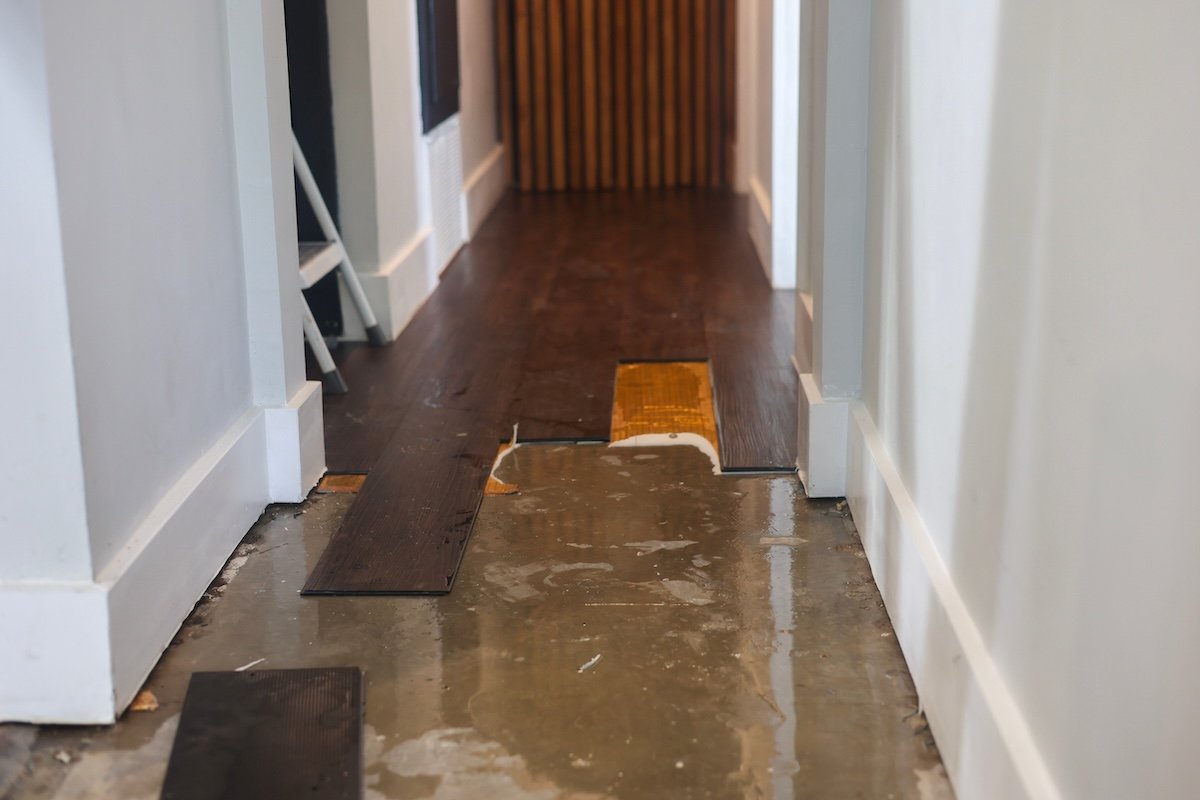
For minor accumulations, absorbent materials and manual siphons are often sufficient for remediation. However, for larger volumes, the use of a wet/dry vacuum is necessary to prevent the water from migrating into subflooring. Slack suggests that homeowners should not only clear the water but also investigate the "why" behind the collection. A recurring puddle under an HVAC unit, for instance, could indicate a cracked heat exchanger or a failing pump, both of which pose significant risks if left unaddressed.
Hidden Leaks in Plumbing Fixtures
The areas under sinks and behind toilets represent some of the most common locations for "silent" standing water. Slow leaks from loose P-traps or faulty supply valves can go unnoticed for weeks, as the water is often trapped behind stored household items. This stagnant moisture eventually rots the cabinetry and can lead to the failure of the flooring beneath the fixture.
Routine inspections are the most effective defense against these hidden leaks. Homeowners are encouraged to clear out under-sink cabinets monthly to check for dampness or staining. If a leak is detected, the immediate removal of water using sponges or towels is required, followed by the placement of a temporary catchment container until a permanent plumbing repair can be executed.
Roofing and Gutter System Failures
The roof is a home’s first line of defense, but it can also become a source of standing water if not maintained. Roof valleys—the internal angles where two roof slopes meet—are particularly prone to trapping water if they become clogged with leaves or debris. Similarly, clogged gutters cause water to "back up" under the shingles or overflow onto the fascia boards, leading to wood rot and eventual roof failure.
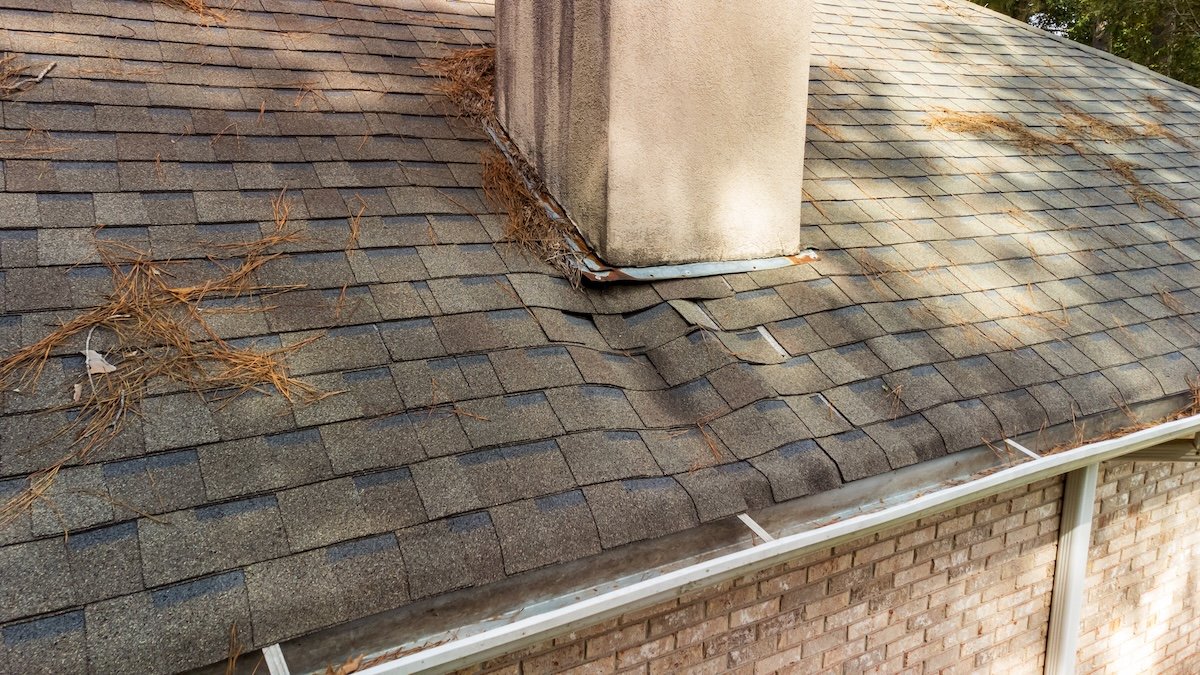
Data from roofing associations suggest that nearly 50 percent of premature roof failures are linked to poor drainage. To mitigate this, homeowners should ensure that gutters are cleaned at least twice a year and that downspouts are directed at least five to ten feet away from the home’s foundation. In cases where gutters are sagging, they must be re-pitched to ensure a consistent flow toward the downspouts.
External Drainage and Retaining Walls
Landscaping and structural walls can inadvertently act as dams, trapping water against the house. Slack notes that underneath decks and behind retaining walls are two of the most overlooked areas for standing water. Many retaining walls are designed with "weep holes" to allow water to escape from the soil behind the wall. If these holes become obstructed by silt or vegetation, the resulting water pressure can cause the wall to bulge or collapse.
For properties with chronic drainage issues, the installation of a French drain—a gravel-filled trench containing a perforated pipe—is often the most effective solution. This system captures surface water and groundwater, redirecting it to a safe discharge point. Furthermore, experts recommend against using native clay as backfill for retaining walls, as clay retains moisture; instead, angular crushed stone should be used to facilitate rapid drainage.
Vector Control and Health Implications
Outside the home, standing water in birdbaths, tire swings, and potted plant saucers poses a different kind of threat: a breeding ground for disease-carrying insects. Mosquitoes, which can transmit West Nile virus and Zika virus, require only a small amount of stagnant water to lay eggs—sometimes as little as a bottle cap’s worth.
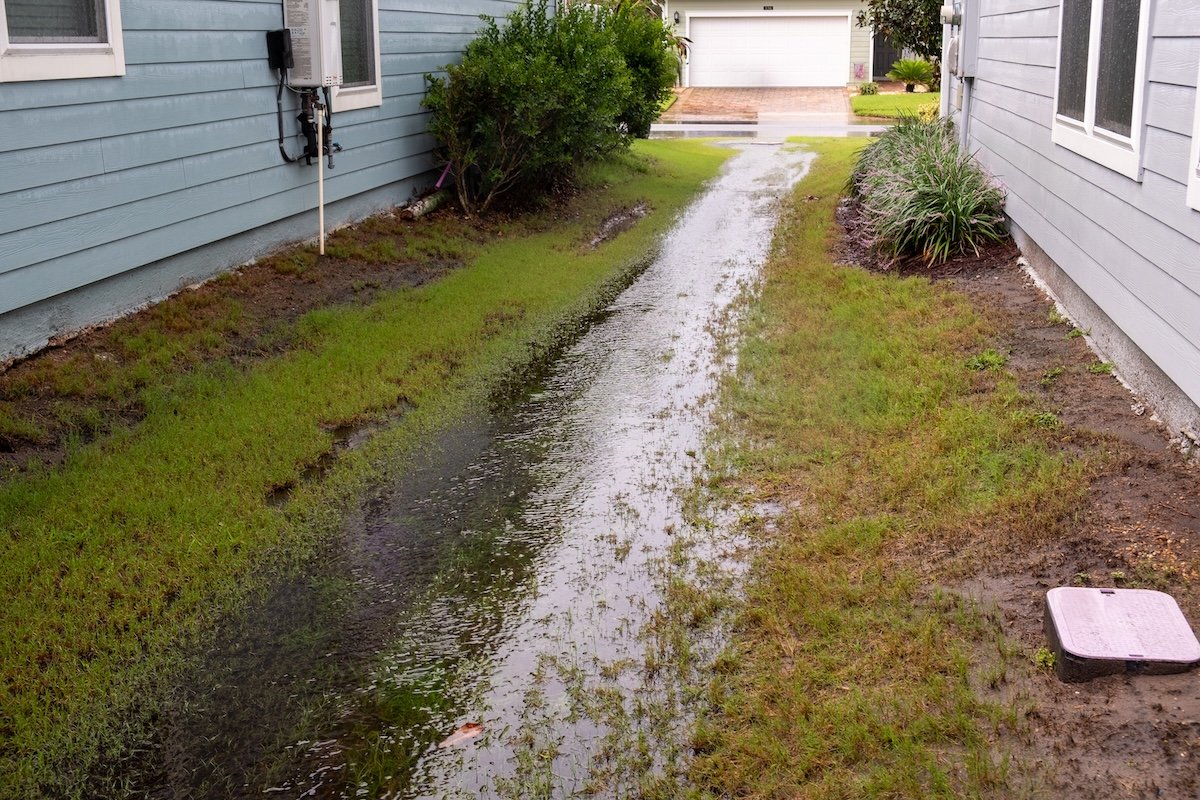
The "goal is to keep water moving away from the house instead of letting it collect nearby," Slack reiterates. After a storm, a "perimeter sweep" of the property is recommended to tip over any recreational equipment or ornaments that have collected rainwater. For items that must hold water, such as birdbaths, the water should be changed every 48 hours to disrupt the mosquito life cycle.
Broader Economic Impact and Insurance Considerations
The financial implications of ignoring standing water are substantial. According to industry data, the average cost of water damage restoration in the United States ranges from $1,300 to $5,500, but foundation repairs necessitated by long-term moisture issues can easily exceed $15,000. Furthermore, many standard homeowners’ insurance policies do not cover damage resulting from "gradual" seepage or lack of maintenance, leaving the property owner fully liable for the costs of repair.
Final Analysis and Expert Recommendations
The management of standing water is a critical component of responsible homeownership that requires a proactive rather than reactive approach. As weather patterns become increasingly volatile, the volume of runoff that residential properties must handle is rising. By maintaining clear drainage paths, inspecting internal plumbing, and ensuring the structural integrity of the roof and foundation, homeowners can mitigate the risks of mold, rot, and structural failure.
Hayden Slack’s advice serves as a foundational principle for property care: the removal of water is only the first step; the correction of the underlying drainage issue is what ensures the long-term safety and value of the home. Continuous monitoring and swift action remain the most effective tools against the silent threat of stagnant water.