admin
admin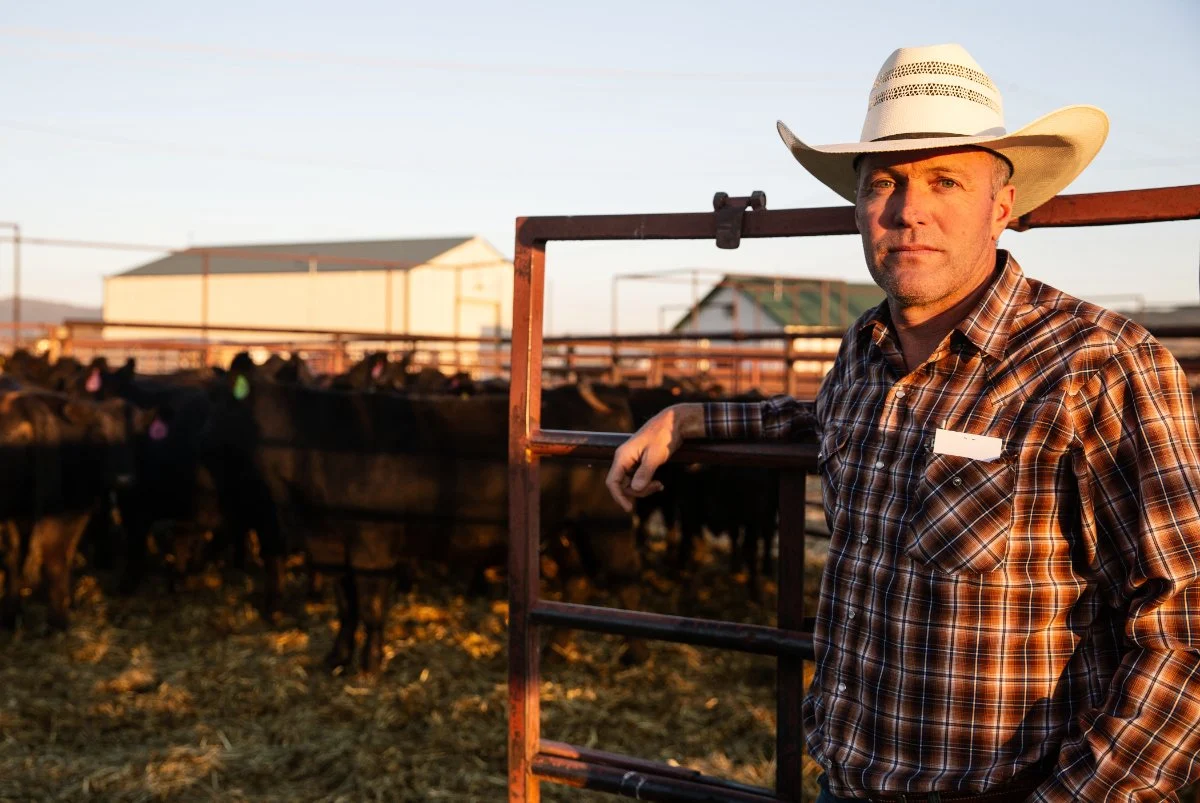
The Trump administration has recently unleashed a flurry of policy announcements aimed at tackling persistently high beef prices for consumers and bolstering domestic cattle herds, strategic moves coming less than two months before crucial midterm elections. These actions, perceived by many as an attempt to navigate the complex political landscape, seek to alleviate food costs while simultaneously appeasing a crucial segment of the Republican base: the nation’s ranchers, who have long voiced concerns over market inequities and declining profitability. The ambitious initiatives, however, face skepticism from agricultural experts and industry stakeholders regarding their immediate efficacy and long-term impact on a deeply entrenched, consolidated market.
A Swift Succession of Policy Announcements and Initial Backlash
The current wave of administrative action began to unfold on August 21, when President Donald Trump declared that the U.S. would permit the import of 300,000 tons of ground beef at a reduced tariff rate. This unprecedented measure stipulated that these imported products would then be sold at a 25 percent lower market price to consumers. The announcement, intended to immediately depress retail beef costs, swiftly ignited a firestorm of protest from domestic ranchers and even a segment of congressional Republicans. Ranching associations, deeply wary of foreign competition, argued that such imports would only serve to undercut already struggling domestic producers, rather than incentivize herd rebuilding. Agriculture Secretary Brooke Rollins, however, publicly defended the decision, framing it as a necessary step to address consumer price inflation.
Caught between the dual pressures of lowering food expenses for the general populace—a significant concern for voters ahead of the midterms—and addressing the long-standing grievances of the ranching community, the administration found itself in a precarious position. Ranchers have consistently highlighted issues such as a lack of transparency in beef labeling and rampant anti-competitive practices within the beef processing sector. While some experts acknowledged the recent executive actions as a positive signal of attention to these issues, many cautioned that they were unlikely to provide direct, systemic solutions, expressing hope instead that they might spur more substantive legislative action from Congress.
The Rancher’s Predicament: Declining Herds and Rising Costs
Beyond the immediate goal of reducing consumer prices, the Trump administration asserted that its import policy will serve as an incentive for ranchers to rebuild their cattle herds, which currently stand at a staggering 75-year low nationwide. This claim, however, has been met with significant doubt from industry analysts. Experts argue that increased imports are far more likely to depress domestic beef prices, thereby discouraging, rather than encouraging, investment in herd expansion.
The economic realities faced by ranchers have become increasingly dire over the past several years. Operating expenses, encompassing critical inputs like feed, veterinary care, fuel, and labor, have surged dramatically, often outpacing any gains in cattle prices. Concurrently, the cattle industry remains highly vulnerable to extreme price volatility, leaving producers exposed to significant swings in the per-head price they receive for their livestock. This precarious financial environment makes long-term investment in herd growth a risky proposition.
A pivotal blow to the domestic industry occurred in late 2020, when a severe drought ravaged key cattle-producing regions across the U.S. This environmental catastrophe forced many ranchers to undertake significant herd culling, liquidating breeding stock simply to survive. While subsequent periods have seen some increases in cattle prices, these gains have largely served to help ranchers merely dig out from accumulated debt and marketplace challenges, rather than providing the capital and certainty needed to expand their operations.
The broader picture reveals an "extremely imbalanced" supply and demand dynamic within the cattle industry, according to Bill Bullard, CEO of R-CALF USA, a prominent independent ranchers’ advocacy group. This imbalance means that traditional market mechanisms, which once reliably brought down beef prices, are no longer effective in the current climate. In fact, during periods of higher prices, some ranchers have opted to capitalize on the immediate opportunity by selling off livestock, further hindering the collective effort to rebuild national herds. Data from the USDA’s 2022 Census of Agriculture highlights this alarming trend, reporting a nearly 17 percent decrease in the number of cattle operations in the U.S. between 2017 and 2022.
This persistent decline in the domestic cattle herd has directly coincided with a rise in beef imports and record-high domestic beef prices. Bullard emphasized that without greater certainty and transparency in the future of beef markets, ranchers are understandably reluctant to make the substantial, long-term investments required to rebuild their herds. The underlying structural issues, particularly consolidation within the meatpacking sector, are frequently cited by both ranchers and, increasingly, by the administration itself, as central to these market dysfunctions.
The Shadow of Consolidation: Meatpacking and Retail Monopolies
The efficacy of the import policy in truly lowering beef prices for consumers is further questioned due to the profound levels of consolidation permeating the entire beef supply chain. Industry experts, including Bullard, contend that the structural imbalance between supply, demand, and market concentration effectively neutralizes the intended benefits of cheaper imports for the average shopper.

The American beef processing landscape is notoriously dominated by the "Big Four" meatpacking giants: Tyson Foods, Cargill, JBS, and National Beef. These four corporations collectively control approximately 85 percent of the beef market, granting them immense power over pricing and supply. This high degree of concentration extends beyond processing, with heavy consolidation also observed within the retail sector. Studies have shown that retail beef prices have continued to climb even as wholesale beef costs have sometimes decreased, indicating that the benefits of lower input prices are not consistently passed on to consumers.
Sarah Carden, senior director of research and policy at the nonpartisan watchdog group Farm Action, articulated the core issue: "There’s been a little bit of give and play between the big retail and big packers on who gets the most cut, but what is clear is that consumers and farmers continue to lose in that equation." She explained that even if cheaper imported beef enters the country, it must navigate multiple highly consolidated stages before reaching the consumer. There are simply too few competitive pressures to compel packers and retailers to pass along these lower prices, thereby undermining the administration’s stated goal of consumer savings. This lack of competition means that the deal offers no guarantee that the reduced tariff rates will translate into genuinely lower shelf prices for shoppers.
Administrative Responses: A Multi-Pronged Approach
In response to the sharp backlash from ranchers regarding the import announcement, the Trump administration swiftly pivoted, announcing a series of subsequent actions designed to address both the cattle herd decline and the systemic anti-competitiveness within the supply chain. These measures signal a more nuanced approach, attempting to balance consumer demands with producer concerns.
One key initiative is the USDA’s "Ranchers First Initiative," explicitly launched with the goal of rebuilding the national cattle herd. This comprehensive plan includes the development of new risk-management tools specifically designed to encourage heifer retention—a critical step in expanding breeding stock. It also promises greater disaster assistance for ranchers grappling with environmental and market shocks, and crucially, allocates resources to boost regional beef-processing capacity, aiming to diversify the processing landscape beyond the "Big Four."
Furthermore, the administration expanded an existing Department of Justice investigation into beef prices. Originally focused on meatpackers, the probe now explicitly requests information from top retailers, signaling a broader examination of potential price manipulation and anti-competitive practices across the entire supply chain, from producer to plate.
Most notably, on September 4, President Trump signed two executive orders directly targeting challenges in the ranching industry. These orders, according to the administration, are intended to empower ranchers by facilitating their ability to process and sell their own meat directly to consumers, bypassing the dominant meatpacking intermediaries. The directives instruct the USDA to increase state participation in key programs like the State Meat and Poultry Inspection Program, the Cooperative Interstate Shipment Program, and the Talmadge-Aiken Cooperative Inspection Program. These programs are vital for allowing smaller, state-inspected facilities to operate and even sell across state lines under certain conditions. The order also mandates the USDA to develop technical assistance and training programs specifically for smaller meat processors, aiming to build capacity and expertise in this underserved sector.
Bill Bullard of R-CALF USA acknowledged that such measures could potentially increase competition and offer some producers an avenue to circumvent the "Big Four" monopolies. However, widespread skepticism persists regarding the practical effectiveness and scalability of these executive orders.
Feasibility and Skepticism: Expert Analysis of Executive Actions
The primary challenge highlighted by experts is the significant capital investment and logistical hurdles involved in direct processing. The vast majority of cattle producers simply lack the existing means to finish, process, package, and directly sell their own product. Doing so requires substantial additional space, specialized equipment, rigorous logistics, cold storage facilities, and significant electricity infrastructure. For many, integrating processing into their existing ranching operations is not a viable option on a large scale, due to both the prohibitive costs and the diversion of focus from their core expertise in raising livestock.
Rob Levitt, an executive chef and butcher based in Chicago who actively collaborates with a network of local ranchers, echoed these concerns. He noted that most of the farms he works with, despite their dedication to quality, do not possess the capacity or the financial resources to invest in and install the necessary processing infrastructure. Levitt expressed doubt that these new policies would have a widespread benefit, suggesting they might only assist a very small, already well-resourced segment of the ranching community. The high barrier to entry for small-scale processing remains a formidable obstacle, regardless of administrative encouragement.
The Labeling Debate: Mandatory Country of Origin and Trade Complexities
Among the executive orders signed by President Trump, a crucial point of emphasis was mandatory country of origin labeling (MCOOL) for beef. Domestic ranchers have long championed MCOOL as a cornerstone solution to the pervasive transparency issues plaguing the marketplace. They argue that without clear labeling, consumers cannot distinguish between domestically raised beef and cheaper imported products, allowing meatpackers to often charge premium prices for imported meat while paying less to U.S. producers.

The history of MCOOL is fraught with complexity. Congress repealed mandatory origin labeling for beef in 2015, following rulings by the World Trade Organization (WTO) that deemed such labels a violation of international trade obligations, particularly impacting trade relations with Canada and Mexico. In the intervening years, various attempts have been made to introduce voluntary labeling or stricter definitions. Earlier this year, a Biden-era rule took effect, tightening the criteria for what meat and poultry items can be labeled "Product of the USA," aiming to ensure that only products exclusively sourced, slaughtered, and processed in the U.S. qualify. The Trump administration has also worked to boost this voluntary label through promotional videos and agreements with retailers, yet these voluntary measures are seen by many as insufficient.
Bullard stressed that without mandatory origin labels, meatpackers gain an unfair advantage, able to commingle cheaper imported beef with domestic product and sell it all at a unified, often higher, price. MCOOL, he contends, would empower consumers with transparency, enabling them to make informed choices and thereby allowing domestic cattle producers to genuinely compete on a level playing field with imported products.
President Trump’s recent order instructs the USDA and the U.S. Trade Representative to conduct a comprehensive review of legal authorities that could potentially allow for the reintroduction of MCOOL, alongside an economic impact study. Following this review, the USDA could pursue new regulations or propose legislative options to Congress. Bullard views even the president’s acknowledgment of MCOOL as a significant step, providing renewed hope for its eventual reinstatement. However, the order itself, as yet, does little to fundamentally alter the current system. Sarah Carden suggested that MCOOL could potentially be elevated through the executive branch by integrating it into ongoing trade negotiations with Canada and Mexico, the two nations whose objections largely led to its initial repeal.
The executive orders also touched upon the broader issues of consolidation and competition within the marketplace. They direct the USDA to enhance resources and capacity within its Packers and Stockyards division and to prioritize investigations into potential violations of the Packers and Stockyards Act. This Act, originally enacted in the early 1900s to ensure fair trade practices in livestock markets, has been criticized for a lack of rigorous enforcement in recent decades, contributing to the current highly consolidated environment. While the preceding Biden administration had sought to bolster protections against unfair practices and anti-competitive behavior, many of these policies were subsequently undone by the new Trump administration, adding another layer of complexity to the current efforts.
Waiting for Action: Legislative Outlook and Industry Hopes
While President Trump’s executive orders represent an important recognition of the systemic problems that ranchers have articulated for years, their serious intent is questioned by some. Sarah Carden expressed skepticism, particularly in light of the earlier import announcement and the administration’s past actions (or inactions) on issues like consolidation. "I do think that the administration appears to really have an interest in appeasing and supporting farmers and ranchers," Carden stated, "But they need to put further action behind it to support those interests."
Consequently, many within the cattle industry are now looking towards Congress for more enduring legislative solutions. There is renewed hope that the president’s public support for MCOOL and small-scale processing might catalyze greater movement on these issues within the legislative branch.
Bipartisan efforts are already underway. Representatives Chellie Pingree (D-Maine) and Thomas Massie (R-Kentucky) have repeatedly introduced the Processing Revival and Intrastate Meat Exemption (PRIME) Act over the past decade. This bill aims to address the current bottleneck in meat processing, where federal law mandates inspection at USDA-certified facilities for distributed meat, often creating significant backlogs for ranchers. The PRIME Act seeks to create more exemptions, allowing locally processed meats to be sold within state lines without the full federal inspection requirement, thereby supporting smaller, local processors. A pilot program aligned with the PRIME Act was included in the House-passed version of the 2026 farm bill, although it notably failed to make it into the Senate version, which recently advanced out of committee.
Similarly, Senators Cory Booker (D-New Jersey) and John Thune (R-South Dakota), the Senate Majority Leader, have reintroduced the American Beef Labeling Act. This legislation aims to reinstate MCOOL for beef. Encouragingly, this bill was included as an amendment in the Senate version of the farm bill, which passed out of committee on September 16. However, its ultimate fate remains dependent on full Senate and House votes, as well as reconciliation efforts between the two chambers. Bullard of R-CALF USA expressed optimism that with the president’s backing, efforts to pass MCOOL legislation in Congress might finally bear fruit.
Ultimately, industry experts remain steadfast in their belief that meaningful, systemic reforms to tackle consolidation and anti-competitive practices within the beef industry represent the most effective and sustainable fix for both ranchers and consumers. Sarah Carden’s assessment encapsulates this sentiment: "Until we tackle the industry concentration… all of these are Band-Aids. It’s just too much of a David-and-Goliath situation." The administration’s recent actions, while signaling a willingness to engage, are viewed by many as merely initial steps in a much longer and more arduous battle to restore balance and fairness to the American beef market. The coming months, particularly in the aftermath of the midterm elections, will reveal whether these policy shifts evolve into genuine structural reforms or remain largely symbolic gestures.