admin
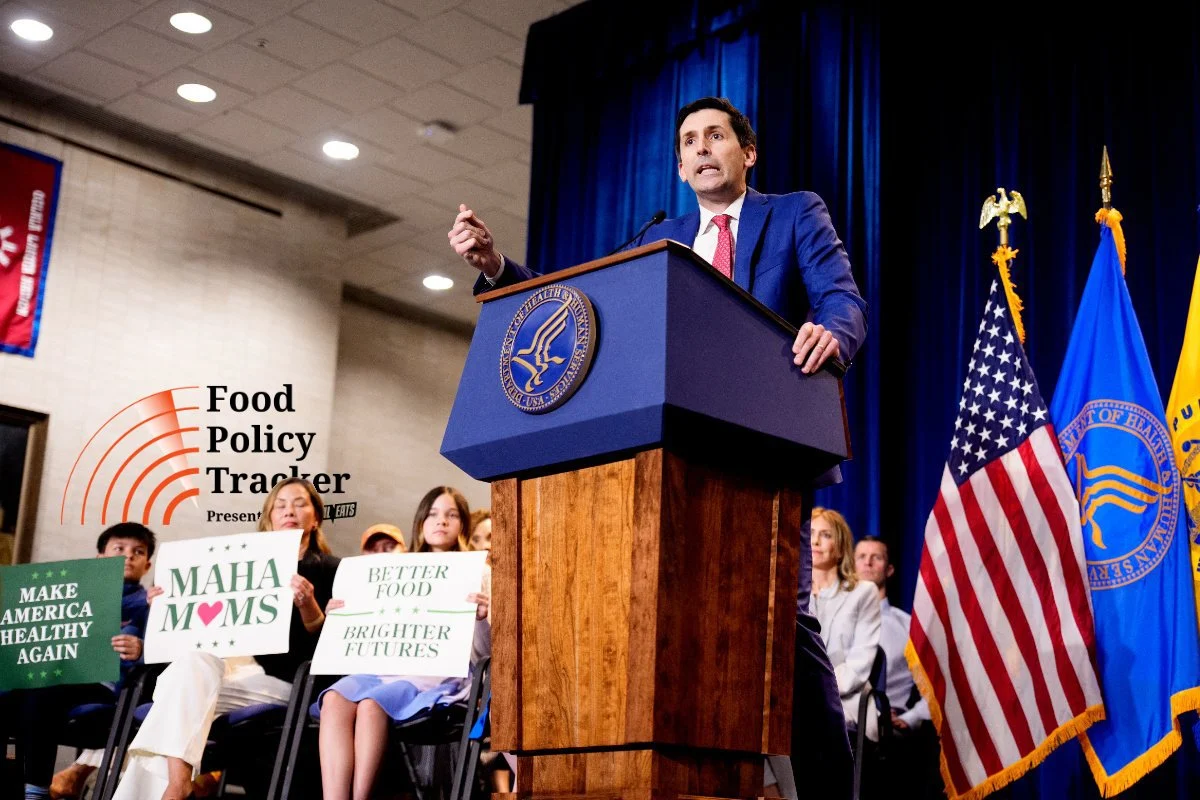
Washington D.C. – Calley Means, a dynamic and influential figure at the nexus of the Trump administration’s health and nutrition policy and the "Make America Healthy Again" (MAHA) movement, announced his public resignation today, October 22, 2026. The departure, occurring less than two weeks before crucial midterm elections, sends ripples through both the White House and the vocal grassroots movement that has championed a radical shift in American dietary and health policies. Means, a key ally to Health Secretary Robert F. Kennedy Jr., had served as a top food and health adviser, instrumental in shaping the administration’s controversial approach to public health.
The news of Means’ exit was first reported by The Wall Street Journal, quickly followed by a social media post from Means himself. In his statement, Means expressed "tremendous respect" for President Donald Trump and Secretary Kennedy, asserting that they had "laid out a vision of combatting the entrenched, dark forces in D.C. that profit from Americans getting sick." He further claimed that "More policy and cultural change has happened around these goals in the past 2 years than any time in history—and I know this movement is just getting started." While appreciative, the timing and the broader context suggest a more complex narrative behind the high-profile departure.
The Architect of a New Health Agenda
Means’ journey into the heart of the Trump administration’s health apparatus began with his pivotal role in connecting Robert F. Kennedy Jr. to the presidential campaign. This connection proved foundational, leading to Kennedy’s eventual appointment as Health Secretary and Means’ subsequent roles as a senior adviser within the White House and the Department of Health and Human Services (HHS). His influence extended across multiple agencies, coordinating with the U.S. Department of Agriculture (USDA) on issues ranging from national dietary guidelines to school meal programs.
Means emerged as a vocal proponent of the administration’s ambitious, and often contentious, health agenda. He was widely credited for driving several key policy initiatives, including a significant overhaul of the Dietary Guidelines for Americans. These updated guidelines, released in January 2026, sparked considerable debate among nutritionists and public health experts, particularly for their perceived emphasis on animal protein and dairy, departing from previous recommendations that prioritized plant-based foods and reduced saturated fats. Critics argued that the guidelines were influenced by agricultural industry interests rather than solely by independent scientific consensus, a claim the administration consistently denied, asserting its focus was on "common sense" nutrition.

Beyond the dietary guidelines, Means championed the administration’s efforts to phase out artificial food dyes, with the Food and Drug Administration (FDA) announcing plans in April 2025 to eliminate these additives by the end of 2026. This move was lauded by MAHA supporters and some consumer advocacy groups who cited concerns about potential links between food dyes and behavioral issues in children. However, it met with resistance from segments of the food manufacturing industry, which argued against the feasibility and necessity of such a rapid transition.
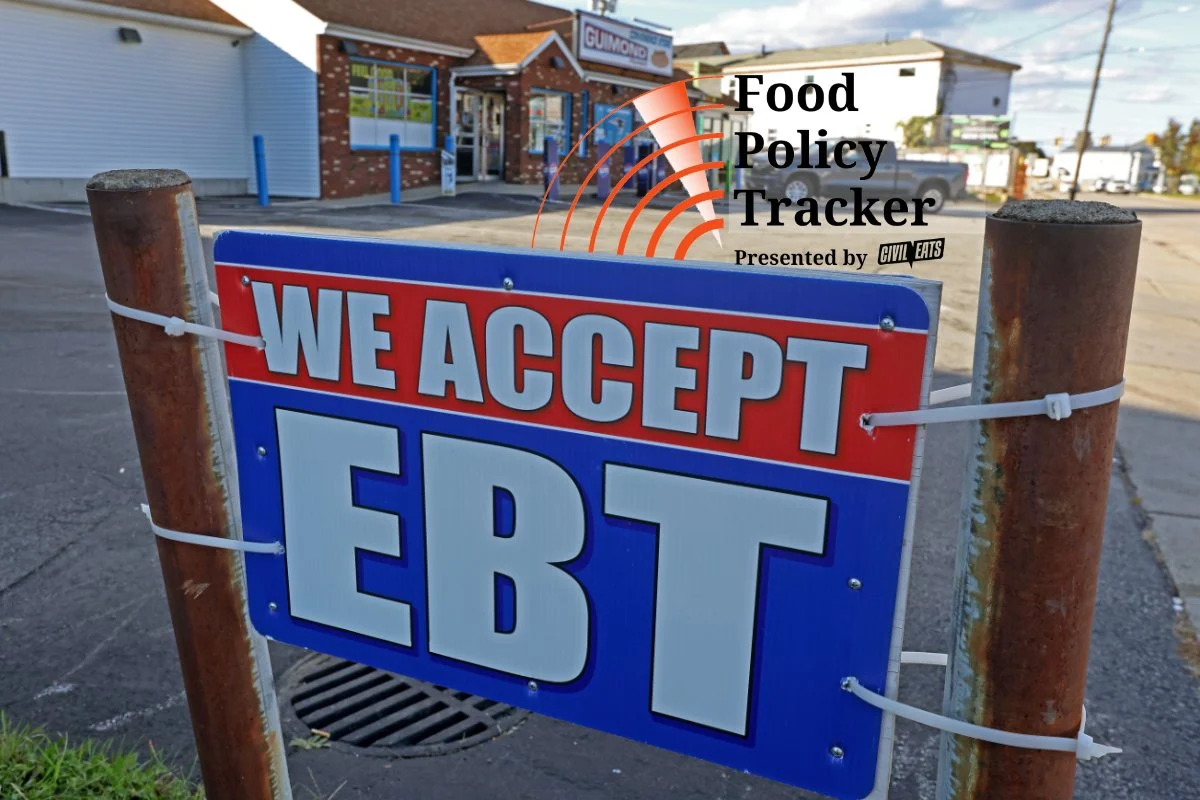
Another cornerstone of the MAHA-driven policy agenda, significantly influenced by Means, involved restrictions on soda purchases under the Supplemental Nutrition Assistance Program (SNAP). Initiated in early 2026, these policies aimed to curb the consumption of sugary beverages among low-income populations, a move presented by the administration as a means to combat diet-related diseases. However, these restrictions faced immediate and widespread criticism from food access organizers and anti-hunger advocates. They argued that such policies were paternalistic, stigmatized SNAP beneficiaries, and created unnecessary bureaucratic hurdles, ultimately making it harder for vulnerable families to access essential groceries. A federal judge notably blocked several of these restriction policies in June 2026, citing concerns about their legality and potential for discrimination, leading to confusion and varied implementation across states. Data from the USDA indicated a 3.5% drop in SNAP participation in the first two quarters of 2026, though the administration attributed this to improved economic conditions, critics pointed to the new restrictions and associated stigma as contributing factors.
The Rise and Fissures of the MAHA Movement
The Make America Healthy Again (MAHA) movement, while ideologically diverse, coalesced around a central tenet: that chronic disease in America is a preventable crisis fueled by an unhealthy food system and undue corporate influence on public health policy. Championing a return to "whole foods," skepticism towards pharmaceutical solutions, and a strong emphasis on individual responsibility alongside systemic reform, MAHA quickly gained traction among a significant segment of the populace. Their alliance with the Trump administration and Robert F. Kennedy Jr. provided an unprecedented platform for their often-fringe ideas to enter mainstream policy debates.
Means, as a prominent voice, consistently defended the administration and Kennedy against criticisms, even as cracks began to appear within the MAHA movement itself. Many supporters, initially enthusiastic about the prospect of radical change, grew increasingly impatient with the pace and scope of reforms. Despite the highly publicized policy changes, the movement’s more fervent members felt the administration was not delivering on the full breadth of its promises.
This growing disillusionment culminated earlier this month with the release of the "MAHA Scorecard." This damning report, compiled by disgruntled MAHA supporters, meticulously documented the administration’s perceived failures, asserting that over 85 percent of its commitments on issues spanning food, agriculture, and environmental health had been broken or significantly diluted. The scorecard highlighted a perceived gap between the administration’s rhetoric and its actionable policies, suggesting that powerful corporate lobbies and entrenched bureaucratic interests were thwarting genuine reform from within. The report served as a stark public rebuke, signaling that the MAHA movement’s allegiance to the Trump administration, particularly heading into the midterm elections, was increasingly fragile.

The Defining Issue: Ultra-Processed Foods
While a confluence of factors likely contributed to Means’ decision, a specific policy delay appears to have been the final catalyst. POLITICO reported that a crucial meeting with the White House, scheduled for this week to discuss crafting a federal definition of ultra-processed foods (UPFs), was abruptly postponed. This delay struck at the heart of the MAHA agenda and Means’ personal advocacy.
The concept of ultra-processed foods, broadly defined as industrial formulations made from ingredients often derived from food but containing little or no whole food, has gained significant traction in public health circles globally. A growing body of scientific evidence links high consumption of UPFs to increased risks of obesity, type 2 diabetes, cardiovascular disease, and certain cancers. Establishing a federal definition in the U.S. would have been a monumental step, potentially leading to new labeling requirements, dietary recommendations, and even regulatory measures that could fundamentally reshape the American food supply. For MAHA, defining and regulating UPFs was seen as essential to "combatting the entrenched, dark forces" Means often cited. The indefinite postponement of this critical discussion, likely due to internal disagreements or pressure from powerful food industry lobbies, would have been a profound setback for Means and his vision.
Reactions and Broader Implications
The immediate reactions to Means’ resignation were swift and varied. Alex Clark, another prominent voice within the MAHA movement, characterized his exit as a "major blow." In a social media post, Clark attributed Means’ decision to "corporate interference in the White House" that she believed prevented more decisive action on MAHA priorities. Her statement, "We have very few left with integrity in the White House," underscored the deepening rift between the administration and some of its most ardent health policy supporters. This sentiment resonates with the MAHA Scorecard’s findings and suggests a growing narrative within the movement that powerful industry interests have effectively co-opted or stalled genuine reform efforts.
On Capitol Hill, Agriculture Secretary Brooke Rollins, during a press call shortly after the news broke, acknowledged Means’ departure. While stating that the two "did not agree on everything," Rollins nevertheless described Means as a "strong partner at the agency" on issues where their mandates overlapped, such as the Dietary Guidelines and school meals. This measured response hints at the complex inter-agency dynamics and the potential for friction that often accompanies ambitious policy agendas. The USDA, a vast agency with diverse stakeholders, frequently finds itself navigating competing interests from agricultural producers, public health advocates, and food manufacturers. Means’ departure means one less ardent voice pushing for MAHA-aligned reforms within the executive branch.
From the perspective of mainstream public health organizations, Means’ resignation elicits a mixed response. Some groups, who had been critical of the administration’s dietary guidelines and SNAP restrictions, might view his departure as an opportunity for a more evidence-based and less ideologically driven approach to nutrition policy. However, others might lament the loss of momentum for issues like artificial food dye elimination or the push for greater transparency regarding food additives, regardless of the ideological motivations. The potential for a federal definition of ultra-processed foods, while controversial, was also a topic of serious academic and public health discussion, and its delay, coupled with Means’ exit, represents a lost opportunity for those who believed in its potential impact.

The food industry, particularly segments involved in the production of processed foods, will likely observe these developments closely. While Means’ advocacy for stricter regulations on ingredients and food classification was a source of concern for many manufacturers, his departure could signal a reduction in immediate pressure for sweeping reforms. However, the underlying public health concerns about UPFs and food additives are unlikely to dissipate, suggesting that these issues will remain on the regulatory horizon regardless of who occupies advisory roles.
A Critical Juncture for Midterm Elections and Beyond
Means’ resignation, just days before the midterm elections, undoubtedly injects an element of uncertainty into the political landscape. The MAHA movement, initially a significant grassroots asset for the Trump administration, now appears fractured. How this internal discord will translate into voter behavior remains to be seen. Will disillusioned MAHA supporters abstain from voting, or will they channel their frustration into supporting alternative candidates or causes? The administration’s ability to retain the loyalty of this influential base will be severely tested.
The broader implications for food and health policy are equally significant. With a key architect of the MAHA agenda now outside the administration, questions arise about the future of ongoing initiatives and the likelihood of new reforms. Will Secretary Kennedy be able to maintain the same level of influence without Means as his strategic adviser? Will the momentum behind the ultra-processed food definition be lost entirely, or will it be picked up by other advocates, perhaps outside government?
Means’ departure underscores the immense challenges inherent in fundamentally reshaping a nation’s food system and public health trajectory. It highlights the persistent tension between scientific consensus, political expediency, and the powerful economic forces of the food industry. As the nation heads to the polls, the vacuum left by Calley Means’ resignation represents not just a personnel change, but potentially a pivot point for the future of American health and nutrition policy, leaving the MAHA movement at a crossroads and the administration facing renewed scrutiny of its commitment to its health agenda.