admin
Ammonia, a chemical compound consisting of one nitrogen atom and three hydrogen atoms (NH3), remains one of the most effective yet misunderstood substances in the modern domestic arsenal. While its gaseous form is highly pungent and hazardous to human health, its diluted household variant, typically a 5 to 10 percent solution of ammonium hydroxide in water, serves as a cornerstone of industrial-strength cleaning. Readily available at a low cost, ammonia is prized for its ability to break down fatty acids and proteins, making it a "super cleaner" capable of tackling grime that many specialized, more expensive detergents cannot. However, the chemical’s potency necessitates a rigorous understanding of its various forms, safety protocols, and the severe risks associated with its misuse.
The Chemical Evolution and Industrial Context
The history of ammonia is inextricably linked to the advancement of modern chemistry and agriculture. The Haber-Bosch process, developed in the early 20th century by Fritz Haber and Carl Bosch, revolutionized the production of ammonia by synthesizing it from atmospheric nitrogen and hydrogen. While this process is primarily responsible for the fertilizers that sustain global food production, it also facilitated the mass production of ammonia for industrial and residential cleaning.
In a household context, ammonia is categorized into several distinct types. "Clear" ammonia is the most versatile form, devoid of additives and suitable for a wide range of surfaces. "Cloudy" or "sudsy" ammonia contains added detergents or soaps, which enhance its foaming action for heavy-duty scrubbing on stovetops or stained fabrics. Additionally, manufacturers often produce lemon- or pine-scented versions to mitigate the sharp, stinging odor that characterizes the chemical. Despite these variations, the underlying active ingredient remains a powerful alkaline agent that requires careful handling.
Critical Safety Protocols and Chemical Hazards
The most significant danger associated with household ammonia is its reactive nature when combined with other common cleaning agents. Professional toxicologists and health organizations, such as the Centers for Disease Control and Prevention (CDC), issue a standing warning: ammonia must never be mixed with chlorine bleach. This combination triggers a chemical reaction that produces chloramine gas, a highly toxic vapor. Exposure to chloramine can cause immediate respiratory distress, chest pain, nausea, and in high concentrations, pneumonia or fluid buildup in the lungs.
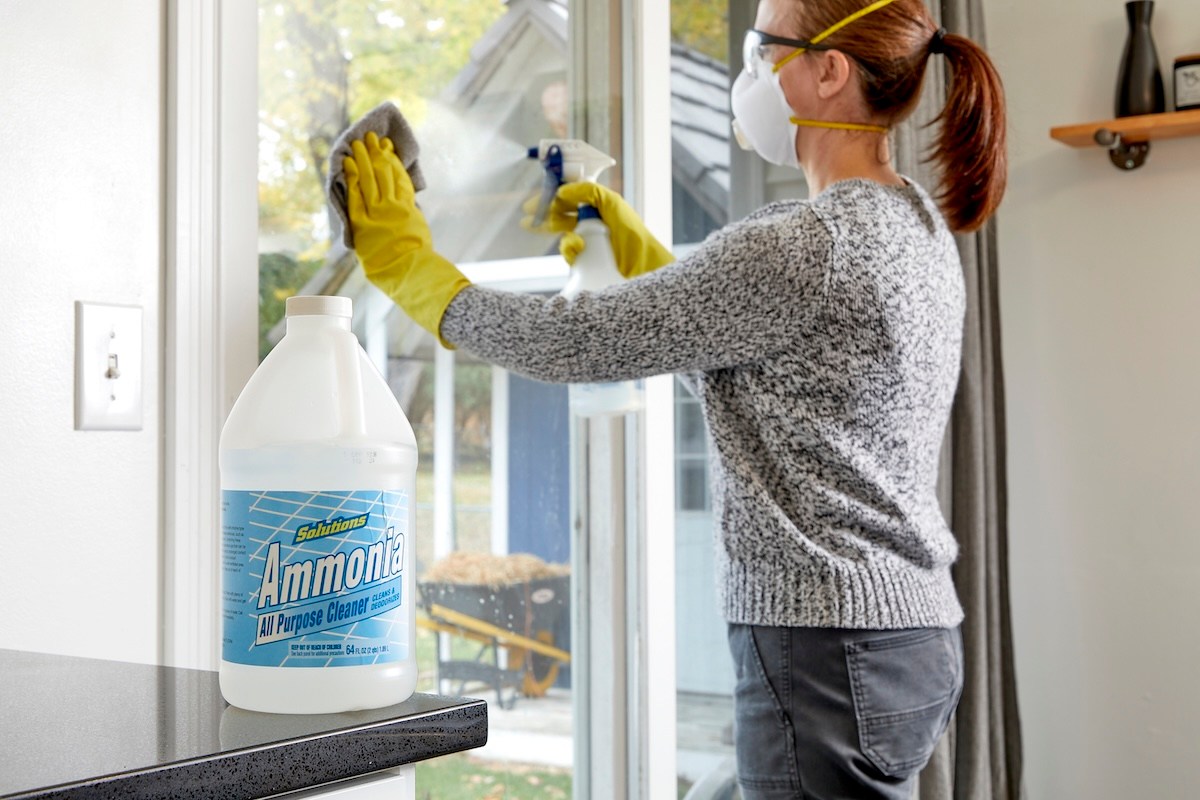
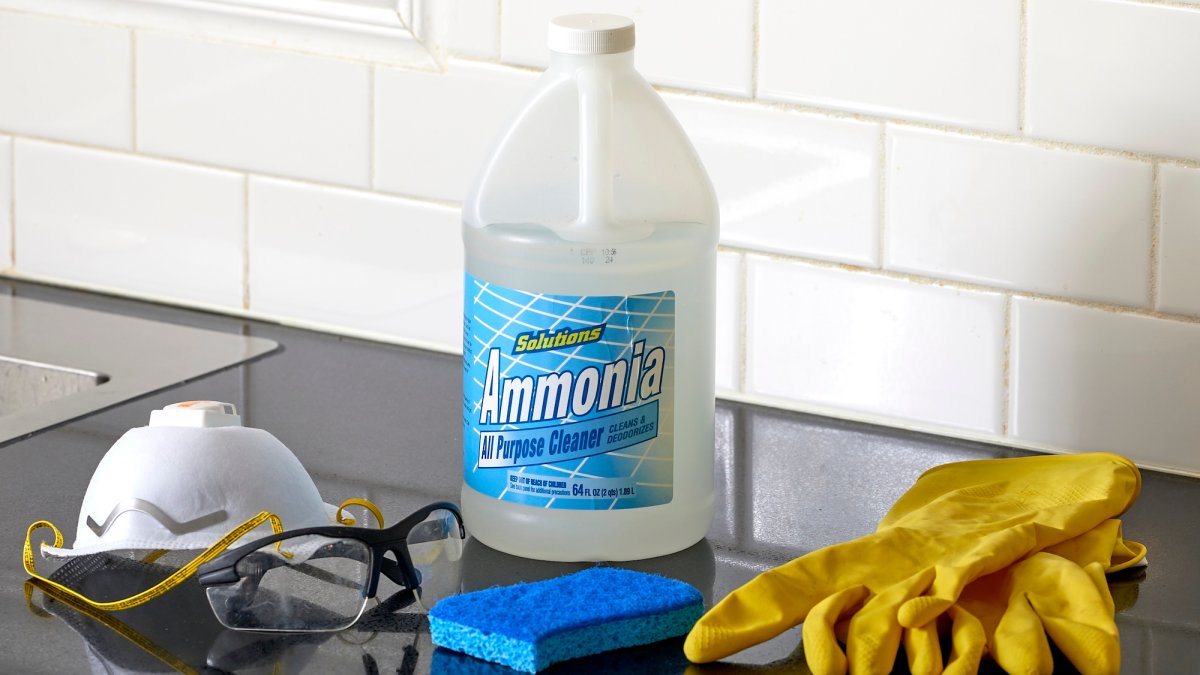
Safety experts emphasize the use of Personal Protective Equipment (PPE) when working with ammonia. This includes chemical-resistant gloves to prevent skin irritation or chemical burns and ensuring the workspace is properly ventilated to dissipate fumes. According to data from the American Association of Poison Control Centers, household cleaning products, including ammonia, are among the leading causes of accidental chemical exposure in the home, particularly among children and pets. Consequently, storage in secure, elevated locations is a non-negotiable safety requirement.
A Chronology of Cleaning: Ten Strategic Household Applications
When handled with the appropriate precautions, ammonia offers unparalleled cleaning performance across various domestic sectors. The following applications highlight its versatility:
1. Precision Glass and Mirror Maintenance
Ammonia is a staple in professional window cleaning due to its rapid evaporation rate, which prevents the formation of streaks. By mixing one tablespoon of clear ammonia with two cups of water, users can create a solution that dissolves mineral deposits and oily fingerprints on windows, mirrors, and crystal. For optimal results, lint-free cloths or microfiber towels are recommended for glass surfaces, while paper towels remain effective for mirrors.
2. Restoration of Exterior Concrete Surfaces
Concrete, being a porous material, often traps oil, grease, and organic stains on driveways and garage floors. An ammonia solution—typically one cup per gallon of water—can penetrate these pores. Journalistic analysis of home maintenance trends suggests that ammonia remains a cost-effective alternative to expensive pressure-washing chemicals. The process involves applying the solution, allowing a 20-minute dwell time, scrubbing with a stiff-bristled brush, and a thorough water rinse.

3. Rejuvenation of Fine Jewelry
The jewelry industry frequently utilizes ammonia solutions to restore the luster of gold, silver, diamonds, and platinum. A mixture of six parts warm water to one part ammonia serves as a soaking bath. However, experts warn that ammonia is detrimental to "soft" gems and organic materials such as pearls, opals, and turquoise, which can be permanently damaged by the alkaline solution.
4. Advanced Textile Pre-treatment
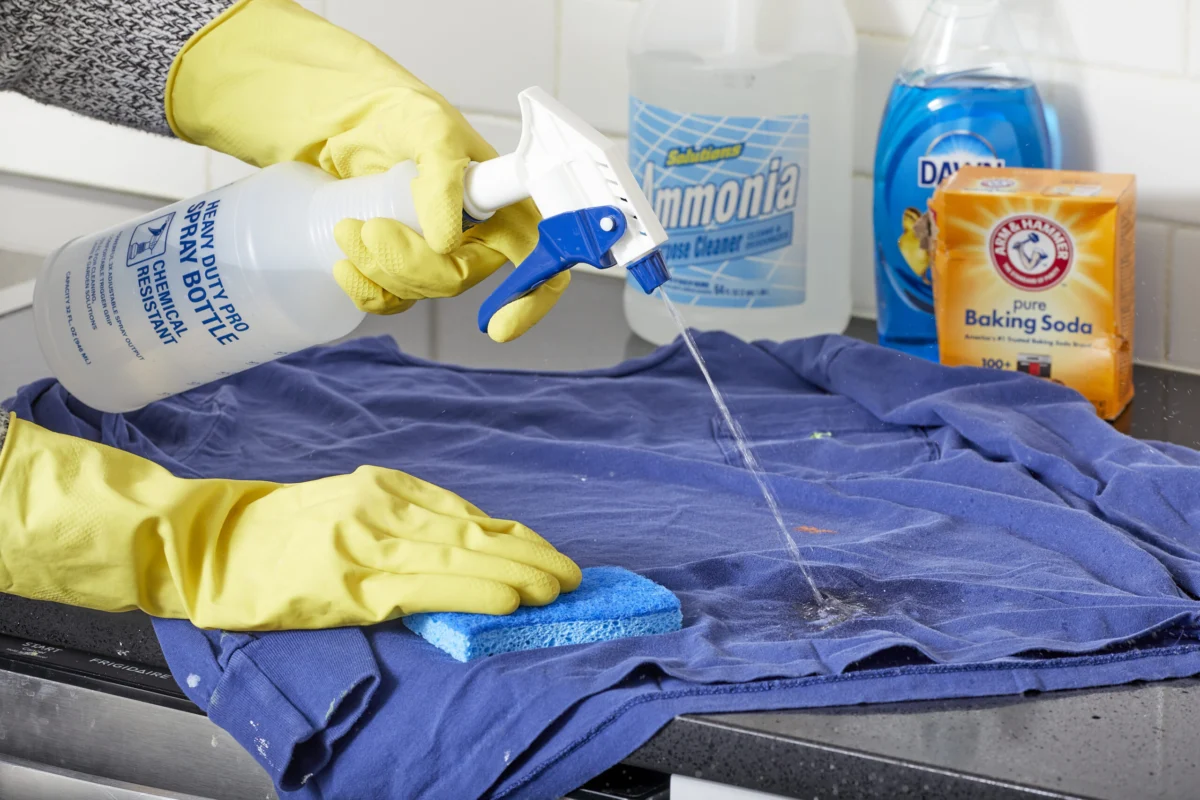
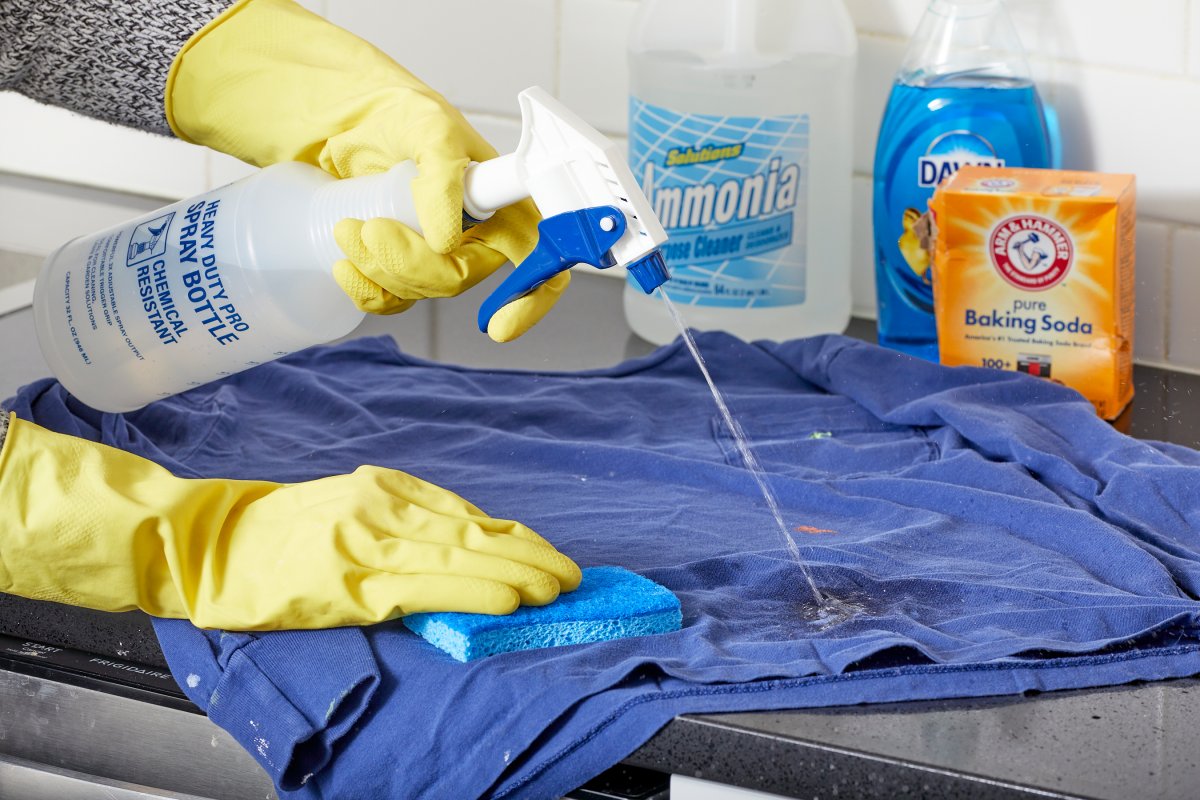
In the realm of laundry, ammonia acts as a powerful degreaser for synthetic fabrics like polyester and nylon. A potent pre-treatment mixture includes ammonia, dish soap, baking soda, and warm water. This solution is particularly effective against protein-based stains such as grass or blood. Nevertheless, it is chemically incompatible with silk and wool, as the high pH can degrade natural fibers, leading to brittleness and holes.
5. Degreasing Kitchen Components
Carbonized grease on stove burners is notoriously difficult to remove. A common industrial-strength "hack" involves sealing burners in plastic bags with a small amount of ammonia. The fumes alone are sufficient to break the chemical bonds of the grease over an 8-to-12-hour period, allowing the residue to be wiped away with minimal physical effort. This method highlights the power of ammonia vapor as an emulsifying agent.
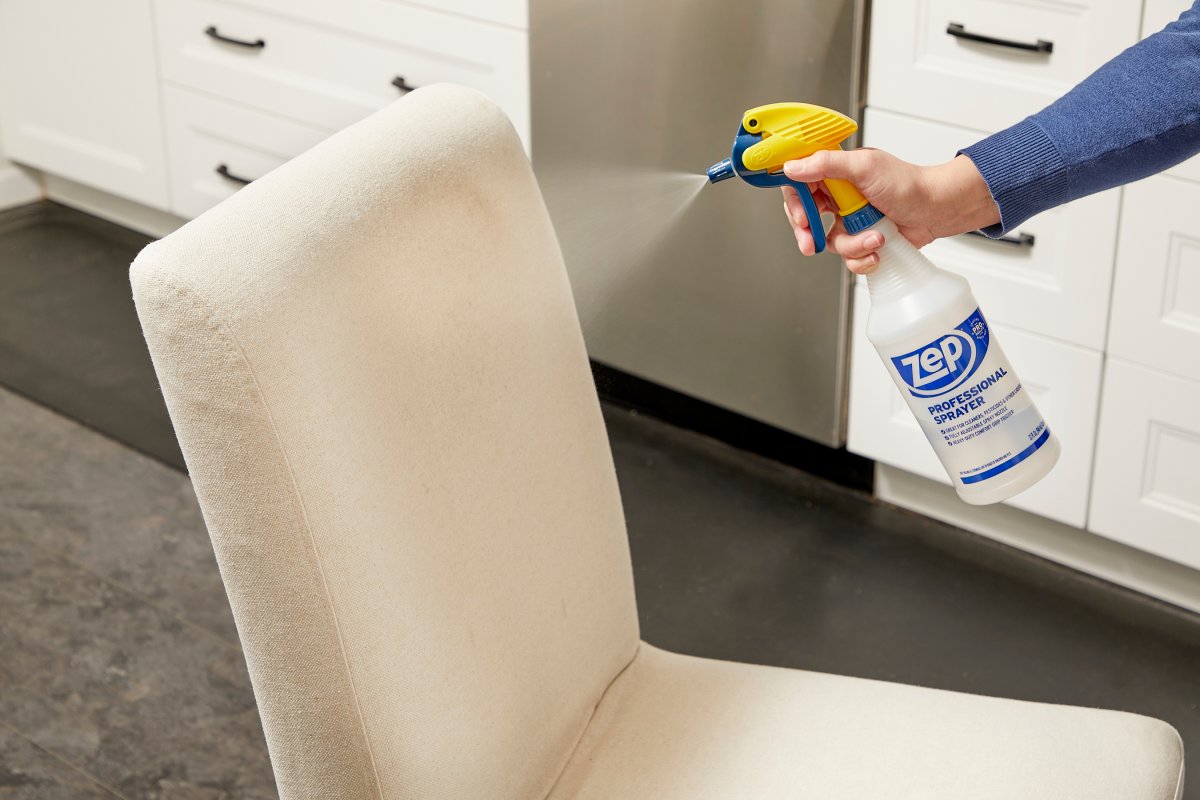
6. Deep Extraction for Upholstery and Carpets
For stubborn carpet stains, a combination of ammonia and steam heat is often employed. By applying a 1:1 ammonia-water solution to a stain and pressing it with a steam iron through a clean towel, the heat facilitates the transfer of the stain from the carpet fibers to the towel. This technique is a mainstay in "DIY" home restoration, though it requires cautious testing on inconspicuous areas to ensure colorfastness.
7. Neutralization of Domestic Odors
Ammonia’s own pungent scent belies its ability to neutralize other odors. In environments affected by fresh paint fumes or charred food smells, a small container of ammonia can absorb airborne odor molecules. This application is rooted in the chemical’s ability to react with and neutralize acidic odor compounds.
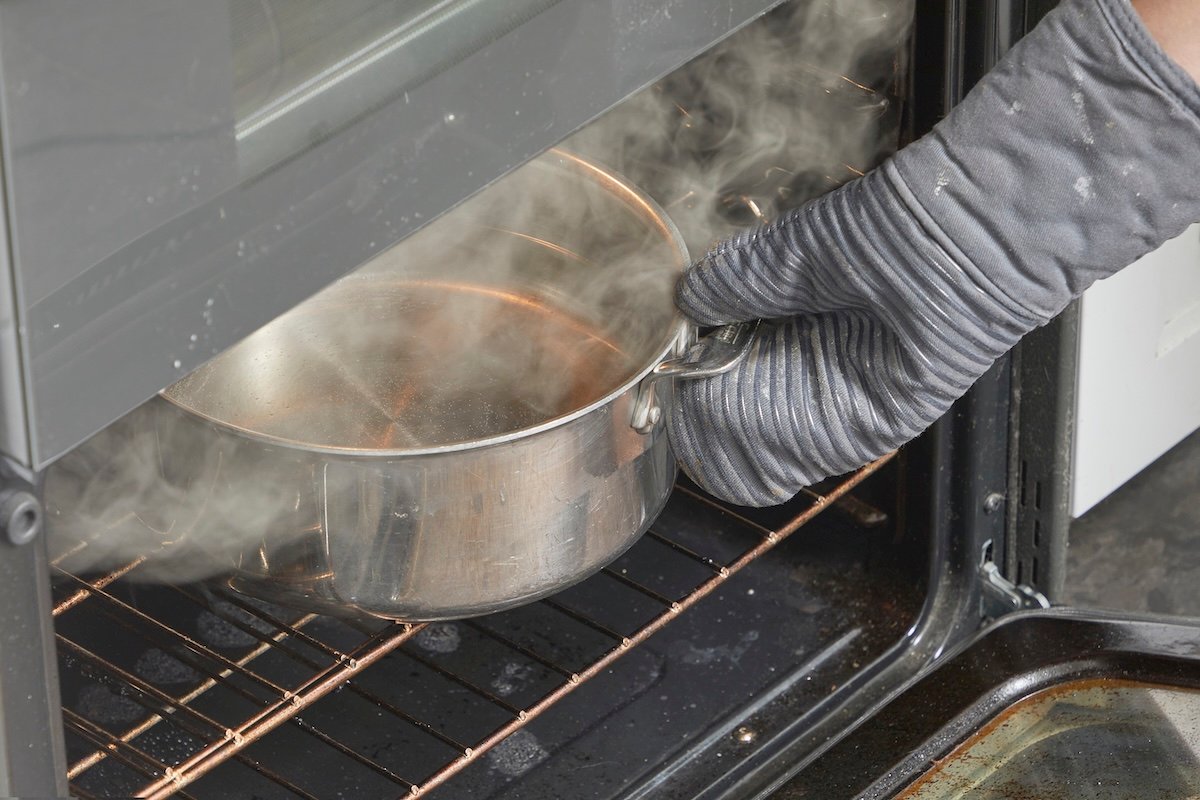
8. Steam Cleaning for Electric Ovens
The "ammonia soak" is a documented method for cleaning electric ovens without the use of harsh caustic lye. By placing a bowl of ammonia in a pre-heated (but turned off) oven alongside a pot of boiling water, the resulting steam and fumes soften baked-on food. Journalistic safety reviews note that this method is strictly for electric units; using it in gas ovens with active pilot lights poses a significant risk of combustion or gas-related complications.
9. Disinfection and Tile Refreshment
In high-moisture areas like bathrooms and kitchens, ammonia serves as both a cleaner and a disinfectant for ceramic tiles and grout. A solution of 1/4 cup ammonia to a gallon of water effectively removes soap scum and mildew. Its alkaline nature makes it particularly effective at cutting through the waxy buildup often left behind by commercial floor cleaners.
10. Non-Toxic Pest Deterrence
Ammonia is frequently used as a perimeter deterrent for pests such as raccoons, squirrels, and mice. The scent mimics the smell of urine from large predators, triggering an instinctual flight response in many small mammals. Placing ammonia-soaked cotton balls near entry points or trash receptacles provides a non-lethal method of wildlife management, provided they are kept away from domestic pets.
Economic and Environmental Implications
From an economic perspective, ammonia is significantly more cost-effective than specialized "niche" cleaners. A single gallon of concentrated household ammonia, often retailing for under three dollars, can produce dozens of gallons of effective cleaning solution. This makes it an attractive option for budget-conscious households and professional cleaning services alike.
Environmentally, ammonia presents a complex profile. While it is a naturally occurring compound and biodegradable, excessive nitrogen runoff into water systems can contribute to eutrophication—the overgrowth of algae that depletes oxygen in aquatic environments. Therefore, responsible disposal—such as diluting used solutions with large quantities of water—is essential for minimizing ecological impact.
Conclusion: The Future of Ammonia in Home Maintenance
As consumer trends shift back toward "basic" and "transparent" cleaning ingredients, ammonia is seeing a resurgence in popularity. Its effectiveness is rooted in fundamental chemistry, offering a level of transparency that complex synthetic detergents often lack. However, the modern user must balance this utility with an unwavering commitment to safety. By adhering to ventilation requirements, wearing protective gear, and strictly avoiding prohibited chemical mixtures, homeowners can safely harness the power of ammonia to maintain a clean, hygienic, and pest-free environment. The enduring relevance of this nitrogen-based compound in the 21st century is a testament to its unparalleled efficiency in the domestic sphere.