admin
The digital landscape has witnessed the unexpected rise of #CleanTok, a burgeoning social media phenomenon that has transformed the mundane act of tidying into a captivating, multi-million dollar industry. What began as a niche interest on platforms like TikTok has evolved into a global community where cleaning, organizing, and decluttering content garners tens of millions of views, reshaping perceptions of domestic bliss and carving out lucrative careers for its leading practitioners. This deep dive explores the mechanics, impact, and key figures behind this digital revolution, examining how it transcends simple aesthetics to influence consumer behavior, spark entrepreneurial ventures, and even address socio-political issues.
The Genesis of a Phenomenon: From Pandemic Pastime to Professional Pursuit
The emergence of #CleanTok is inextricably linked to the global shifts of the early 2020s. With widespread lockdowns and a heightened awareness of hygiene due to the COVID-19 pandemic, millions found themselves spending unprecedented amounts of time at home. This period fostered a renewed focus on personal spaces, leading to a surge in interest in home improvement, organization, and, crucially, cleaning. Simultaneously, short-form video platforms like TikTok experienced explosive growth, providing an ideal medium for bite-sized, visually satisfying content. The confluence of these factors created a "perfect storm" for #CleanTok to flourish.
Rochelle Stewart, known online as @operation_niki, epitomizes this trajectory. A former IT analyst in Nashville, Stewart began posting on TikTok in 2021 while navigating remote work and virtual schooling for her children. Her meticulous "Costco haul" videos, where every item from a shopping trip undergoes a rigorous cleaning and organization ritual before being placed in a refrigerator that resembles a gourmet grocer display, quickly captivated audiences. These clips, often edited down to a minute and a half, regularly achieve between 10 and 50 million views. Stewart’s approach—transforming a standard grocery restock into a therapeutic, visually stunning process—resonated deeply. "It was a hobby initially, something to maybe connect with other people that were interested in the same things," Stewart recounts. Within less than a year, the overwhelming success of her content, which also includes cooking and self-care, allowed her to leave her corporate job to pursue content creation full-time. Today, she boasts upwards of 16 million followers across TikTok, Instagram, Facebook, and YouTube, having secured partnerships with major brands such as Ninja, Shark, Swiffer, and Tide, underscoring the significant commercial viability of her niche.
The Diverse Landscape of CleanTok Content
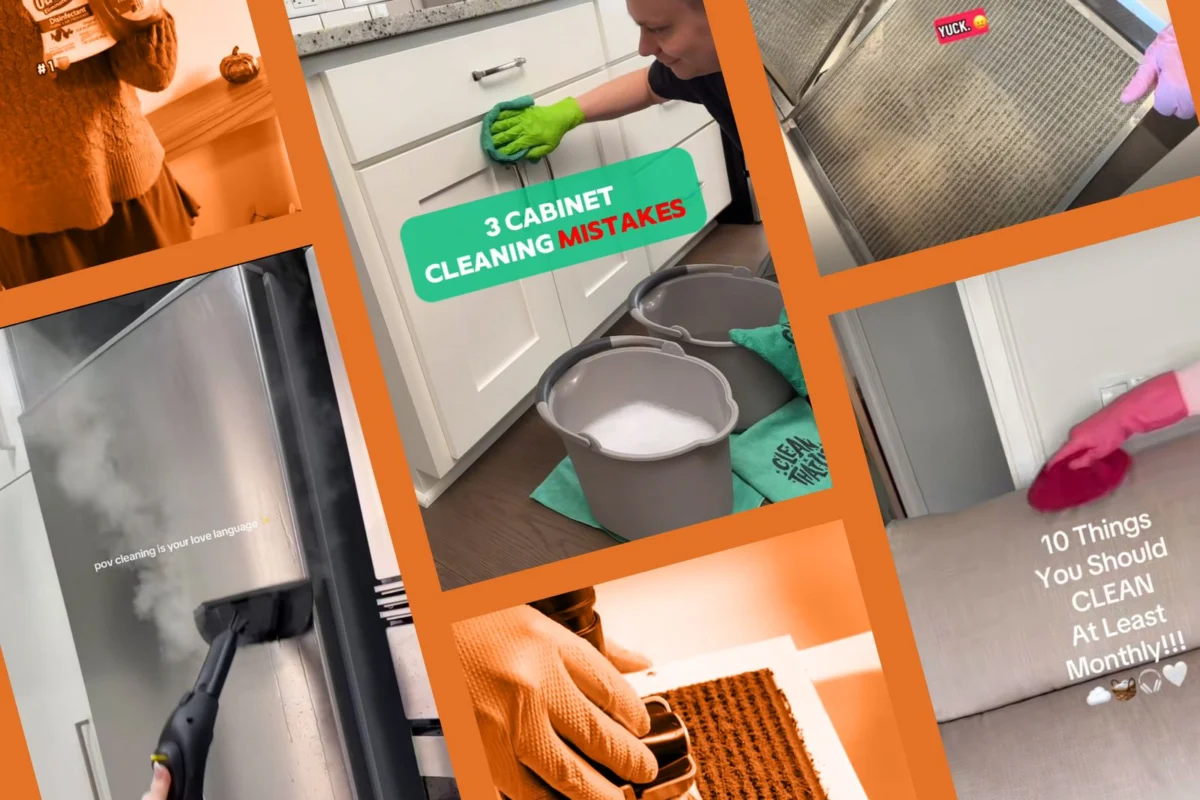
CleanTok is not a monolithic entity; its vastness reflects the myriad spaces and methods involved in home care. From visually appealing ASMR (Autonomous Sensory Meridian Response) clips featuring close-ups of sudsy scrubdowns and surface steam cleans, to organizational inspiration, vlog-style "restocks," and "resets," the genre offers a spectrum of content. Professional house cleaners leverage the platform to showcase their processes, while some "cleanfluencers" even tackle dramatic before-and-after overhauls of hoarding environments, offering both education and visceral satisfaction. The common thread across much of this content is the strategic integration of cleaning product marketing, through sponsored posts or affiliate links, demonstrating the genre’s inherent commercial potential.
Carly Castro, or @cleanwcarly, embodies a contrasting, more candid approach. Describing herself as "the Wendy Williams of cleaning," Castro’s background as the daughter of professional cleaners informs her blunt, no-nonsense style. After a stint in political content, she transitioned to #CleanTok in late 2025, driven by a desire to provide honest, unvarnished advice that she felt was missing from the platform. Her videos range from reacting to viral cleaning hacks and sharing gossip while tidying, to comedic skits depicting the realities of being a cleaner. "The main comment I get is, ‘Finally, a cleaner that’s honest,’" says Castro, who has amassed over 600,000 followers and serves as a spokesperson for brands like OdoBan. She openly critiques the performative nature of some #CleanTok content, arguing that "a lot of CleanTok is not real," and advocating for authenticity.
Another prominent figure is Brandon Pleshek, the Wisconsin-based creator behind @cleanthatup. Like Castro, Pleshek inherited a legacy of cleanliness, representing the third generation of his family’s janitorial business. He began experimenting with videos in 2020, during the pandemic-induced slowdown of his family business. His initial post—a satisfying video of him vacuuming a rug—garnered 30,000 views, sparking an unexpected journey to over seven million followers across platforms. Pleshek’s content evolved from solo iPhone shoots to a sophisticated production involving a dedicated team, allowing him to scale his educational cleaning tutorials. His particular passion lies in transforming neglected items, saying, "I love taking something that is someone else’s trash… and I can clean that and make it useful again."
The Craft of Content Creation: Hours of Labor Behind Viral Minutes
The seemingly effortless, aesthetically pleasing #CleanTok videos are the product of significant labor. Rochelle Stewart reveals that a typical video can involve around three hours of filming, meticulously capturing different angles, followed by several hours of editing. "I would say it takes about 12 hours total," she estimates, a demanding process that has led her to seek an editor to alleviate burnout. Despite the time investment, Stewart emphasizes the organic nature of her content: "I’m just doing me on camera… I need to clean my bathroom—let me clean my bathroom."
Carly Castro’s process also highlights the intensity, though she notes her filming is quicker due to cleaning being "second nature." For her, the most time-consuming aspect is scripting, taking up to three hours to ensure her content remains fresh and non-repetitive. Her editing, done on the free TikTok app, is a more efficient 30 minutes. The accessibility of basic tools—a $20 tripod and a smartphone—underscores the low barrier to entry for aspiring cleanfluencers, although scaling up, as Brandon Pleshek discovered, often necessitates a team. Pleshek’s transition from editing videos with a basic app like InShot after a full day of cleaning to hiring a dedicated videographer and a full-time YouTube editor illustrates the professionalization of the craft.
Christy B, @christyytiktok, and Jess Keep Cleaning, an anonymous creator, exemplify the appeal of ASMR-driven, faceless content. Christy B, a former teacher who started her TikTok in 2025 after moving to a new country, found rapid success with short cleaning resets and ASMR content, quickly amassing followers and expanding to YouTube. Her decision not to show her face was initially unconscious but evolved into a deliberate choice to keep the focus on cleaning and organization, aligning with her audience’s preference for relaxing ASMR without interruptions. Similarly, Jess Keep Cleaning, a stay-at-home mom, prioritizes privacy and the calming effects of natural cleaning sounds, avoiding voiceovers and focusing on satisfying transformations. Both creators attest to the addictive quality of ASMR cleaning, where the transformation from messy to tidy, combined with soothing sounds, "scratches an itch in people’s brains."
The Economic Engine: Monetization and Brand Partnerships
The #CleanTok phenomenon has rapidly become a significant component of the creator economy, projected to reach over $480 billion globally by 2027. Creators like Stewart, Castro, and Pleshek leverage their massive followings to generate substantial income through multiple streams. Direct monetization from platforms via ad revenue sharing, especially on YouTube, is a key component. However, the most lucrative aspect often comes from brand partnerships and sponsorships. As Stewart notes, "Now, thankfully, brands know me and I get stuff for free," a testament to the value brands place on authentic endorsements from trusted influencers. The cleaning products market alone is valued at hundreds of billions of dollars globally, presenting immense opportunities for collaborations.
Brands like Ninja, Shark, Swiffer, Tide, and OdoBan have recognized the immense marketing potential of #CleanTok creators. These partnerships go beyond mere product placement; they involve integrated campaigns where creators demonstrate the efficacy of products in real-world (or performative) cleaning scenarios. This direct-to-consumer marketing, delivered by relatable figures, often proves more effective than traditional advertising. Affiliate marketing, through platforms like ShopMy, also allows creators to earn commissions on sales generated via their unique links, further diversifying their income streams.
Critiques and the Search for Authenticity
Despite its widespread appeal, #CleanTok is not without its critics. A common concern centers on its perceived performative nature, where content is crafted more for aesthetic appeal than functional realism. Carly Castro articulates this sentiment: "A lot of CleanTok is not real… People do the aesthetic of a new home—but that’s not real life for a lot of us. The other half is rage bait, where you know it’s a manufactured mess." This critique highlights the tension between aspirational content and the everyday realities of home maintenance.
Another significant point of contention is the genre’s tendency to promote a highly consumerist vision of cleanliness and tidiness, often implying that achieving an organized home requires a constant influx of new products, containers, and specialized tools. This "tidycore" aesthetic, while visually appealing, can create unrealistic expectations and contribute to overconsumption.
However, creators like Castro actively push back against these narratives. Her willingness to discuss the harsh realities faced by professional cleaners, including immigrant workers, and to confront social issues on her platform, adds a layer of depth and authenticity often missing from purely aesthetic content. She prioritizes honesty, even if it means "losing followers" or "brand deals," believing that "there are so many things much more important than cutesy little TikTok videos and aesthetics." This commitment to transparency resonates with an audience seeking relatability over perfection, as evidenced by comments like, "It’s okay to say cleaning sucks and it’s boring… A lot of us who do this professionally? We agree. It’s normal."
Broader Implications and the Future of Cleanliness
The rise of #CleanTok reflects and influences broader societal trends. It has destigmatized domestic work, transforming it into a source of entertainment, education, and even therapy. For many, watching cleaning content provides a sense of calm, motivation, and vicarious satisfaction, tapping into the well-documented psychological benefits of organization and cleanliness. The "scratching an itch" phenomenon, often associated with ASMR, offers a unique form of digital escapism and relaxation.
Moreover, #CleanTok has democratized access to professional cleaning tips and tricks. Brandon Pleshek, leveraging his family’s generational expertise, empowers viewers to tackle common household dilemmas with effective, proven methods. This educational aspect elevates the genre beyond mere entertainment, providing practical value to millions.
Looking ahead, the #CleanTok ecosystem is likely to continue its evolution. We may see an increased emphasis on sustainable cleaning practices, DIY solutions, and eco-friendly products, aligning with growing environmental consciousness. The integration of artificial intelligence and advanced editing techniques could further streamline content creation, while platforms may introduce new monetization models to support creators. The genre’s enduring appeal lies in its fundamental connection to the human desire for order, comfort, and control within one’s personal space—a desire that transcends cultural boundaries and socioeconomic status. As digital platforms continue to shape our daily lives, #CleanTok stands as a compelling example of how niche interests can blossom into powerful cultural forces, influencing consumer behavior, fostering entrepreneurship, and fundamentally redefining our relationship with the spaces we inhabit.