admin
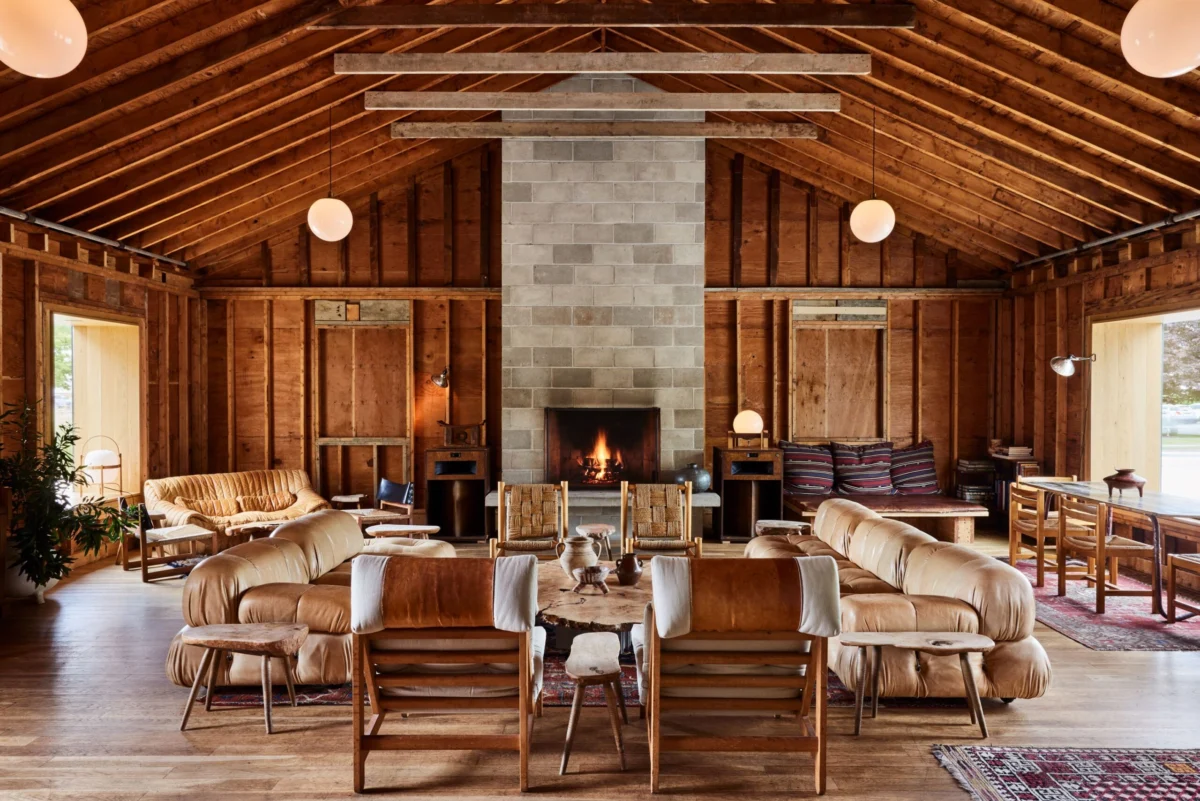
The editors at Condé Nast Traveler, a publication renowned for its discerning travel insights, have identified a burgeoning trend: "weekendmaxxing." This practice, characterized by maximizing weekend travel opportunities, becomes particularly pertinent as the winter months descend upon New York City. The city, often perceived as a hub of perpetual motion, experiences a palpable shift in pace during colder weather, leading many residents to seek respite and rejuvenation outside its bustling confines. This inclination towards brief, restorative excursions, whether to the coastal Rockaways or a tranquil lodge in the Berkshires, highlights a fundamental human need for a change of scenery to combat seasonal ennui. The allure of these proximate escapes lies in their ability to offer a distinct atmosphere, a departure from the urban norm, that can effectively alleviate winter blues and recharge individuals before the return to their demanding city lives.
This strategic approach to travel planning is not merely about leisure; it represents a calculated effort to maintain well-being and productivity amidst challenging seasonal conditions. The editors’ focus on identifying premier accommodations, such as top-tier hotels in the Hudson Valley or esteemed wellness sanctuaries in the Catskills, underscores a commitment to curated experiences that offer both comfort and distinct regional charm. These recommendations are further bolstered by a selection of country retreats across New England, all situated within a manageable travel radius from the metropolitan area, whether by a short flight or a few hours’ drive. The underlying principle is to facilitate accessible, yet impactful, breaks that contribute to a holistic approach to urban living, particularly during the often-isolating winter season.
The Strategic Appeal of Proximity and Seasonality
The practice of "weekendmaxxing" is deeply intertwined with the specific challenges and opportunities presented by the winter season in a major urban center like New York City. As daylight hours shorten and temperatures drop, the city’s inherent dynamism can feel subdued, prompting a natural inclination towards environments that offer warmth, comfort, and a sense of escape. This is where the strategic planning of short-term travel becomes paramount. The editors’ emphasis on locations within a few hours of NYC or a short flight away is a testament to the logistical considerations that make these getaways feasible for busy professionals. The economic impact of such travel, while often localized to the destination, contributes to the broader tourism sector, particularly during periods of typically lower visitor numbers in certain regions.
Supporting Data on Winter Travel Trends:
While specific data on "weekendmaxxing" as a named phenomenon is nascent, broader travel trends offer supporting context. According to the U.S. Travel Association, winter travel, particularly during holiday periods and the off-season, represents a significant portion of domestic tourism. For instance, in pre-pandemic years, millions of Americans undertook domestic trips during the winter months, with a notable percentage being shorter, regional excursions. The appeal of destinations offering "cozy" experiences, such as ski resorts, charming bed and breakfasts, and spa towns, often sees increased demand during this period. Furthermore, the rise of digital nomadism and remote work has also influenced travel patterns, making shorter, more frequent trips more accessible for a segment of the population. This trend suggests a growing appreciation for flexible travel that can be integrated into professional and personal lives.

Curated Escapes: Editor’s Picks for Winter Rejuvenation
The Condé Nast Traveler editorial team’s selection of winter destinations is not arbitrary; it is informed by an understanding of what constitutes an effective and enjoyable short-term escape. The focus on "wellness sanctuaries" in the Catskills, for example, speaks to a growing consumer interest in travel that prioritizes mental and physical well-being. These types of destinations often offer amenities such as yoga retreats, spa services, healthy dining options, and opportunities for outdoor activities like hiking or snowshoeing, all designed to promote relaxation and rejuvenation.
Similarly, "country retreats" in New England tap into a desire for bucolic landscapes and a slower pace of life. These locations typically provide a stark contrast to the urban environment, with their picturesque villages, historic architecture, and natural beauty. The appeal of such settings is amplified in winter, offering opportunities for activities like ice skating, visiting local craft fairs, or simply enjoying the quietude of a snow-covered landscape. The emphasis on finding "the very best hotels" suggests a commitment to quality and comfort, ensuring that these brief sojourns are not only restorative but also luxurious.
Background Context: The Evolution of Weekend Travel
The concept of the weekend getaway has evolved significantly over time. Historically, extended vacations were the norm. However, with increased urbanization and the development of more efficient transportation networks, the weekend trip became a viable option for many. The rise of the automobile in the mid-20th century, followed by the proliferation of budget airlines and ride-sharing services, has made it easier than ever for individuals to escape their immediate surroundings for short periods.
The "weekendmaxxing" trend can be seen as an amplification of this existing behavior, driven by a combination of factors:
- Increased Awareness of Mental Health: There is a greater societal understanding of the importance of mental well-being and the role that breaks and changes of environment play in preventing burnout.
- Digital Connectivity: While travel aims to disconnect, the ability to remain connected (if desired) allows for greater flexibility in planning and executing weekend trips without significant disruption to work.
- The "Experience Economy": Consumers are increasingly valuing experiences over material possessions. Weekend getaways offer rich, memorable experiences that can be shared and cherished.
- Seasonal Affective Disorder (SAD): For individuals susceptible to SAD, deliberately seeking out different environments, particularly those with more natural light or different activities, can be a proactive coping mechanism.
Navigating the Winter Blues: Strategic Location Choices
The strategic placement of these recommended getaways—within a few hours of NYC or a short flight away—is a critical element of their appeal. This proximity minimizes travel time, thereby maximizing the actual duration of the escape. For instance, a three-hour drive to the Catskills or Berkshires allows a traveler to leave the city on a Friday afternoon and return Sunday evening, enjoying nearly two full days of respite. Similarly, a short flight to a destination like Miami, while requiring more logistical planning, offers a significant climatic and experiential contrast, particularly appealing during the depths of winter.

Timeline and Chronology of Winter Travel Planning:
The typical timeline for planning and executing a "weekendmaxxing" trip in winter often begins with an acknowledgment of the changing seasons. As early as late autumn, individuals may start researching potential destinations and accommodations. The decision-making process is often influenced by the desire to book popular spots before they are fully occupied.
- Late Autumn (October-November): Initial research, identification of preferred regions (e.g., mountains, coast, wine country), and booking of accommodations for early winter or holiday weekends.
- Early Winter (December-January): Peak season for many winter destinations, especially those offering snow sports. This period also sees a surge in demand for cozy, indoor-focused escapes as the weather intensifies.
- Mid-Winter (February): A time when many might feel the "winter blues" most acutely. This can lead to a renewed interest in planning spontaneous or last-minute getaways to break the monotony.
- Late Winter/Early Spring (March): While technically still winter in some regions, the anticipation of spring can drive a final wave of winter-themed travel, such as seeking out remaining snow or enjoying the last of the cozy, indoor retreats.
Implications for Regional Economies and Tourism
The trend of "weekendmaxxing" has tangible implications for the economies of the regions that become popular destinations. For areas outside of major metropolitan centers, these short-term visitors can provide a significant boost to local businesses.
Analysis of Broader Impact:
- Economic Stimulation: Increased visitor numbers translate to higher spending on accommodation, dining, retail, and activities. This is particularly beneficial for smaller towns and rural areas that may rely heavily on tourism.
- Seasonal Employment: The influx of weekend travelers can support seasonal employment opportunities in the hospitality and service sectors.
- Infrastructure Development: Consistent demand from weekend visitors may encourage investment in local infrastructure, such as road improvements, public transportation, and the development of new tourist attractions.
- Brand Building for Destinations: Successful weekend getaways can lead to positive word-of-mouth and online reviews, further enhancing a destination’s appeal and contributing to its long-term tourism strategy.
The Condé Nast Traveler editors’ insights into "weekendmaxxing" reflect a sophisticated understanding of contemporary travel desires, particularly for urban dwellers seeking to balance demanding city lives with the restorative power of nature and curated experiences. By identifying and highlighting accessible, high-quality winter escapes, they provide a valuable resource for those looking to navigate the colder months with renewed energy and a sense of adventure.