admin
admin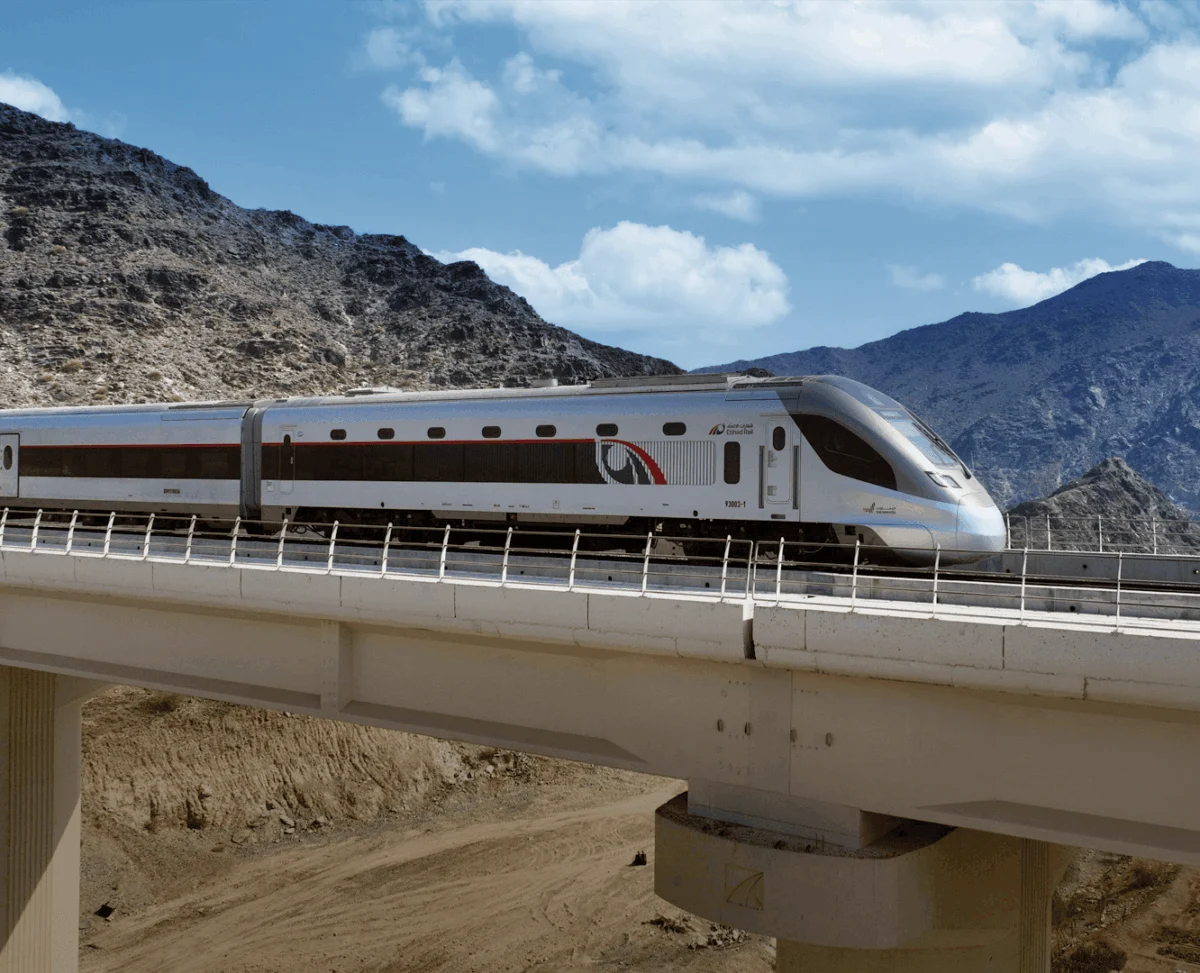
For nearly sixteen years, traversing the distance between the United Arab Emirates’ two most prominent metropolises, Abu Dhabi and Dubai, has been an undertaking largely defined by the automobile. This familiar ritual, a cornerstone of daily commutes for residents and a predictable segment of tourist itineraries, involved navigating the often-congested Sheikh Zayed Road, a journey typically spanning one to two hours depending on traffic conditions. However, this established paradigm has undergone a significant transformation with the inaugural launch of Etihad Rail’s passenger service, introducing a novel and significantly faster mode of transport that offers a fresh perspective on this vital corridor. The commencement of this service marks a pivotal moment in the nation’s transportation infrastructure development, promising to reshape how people connect between these economic powerhouses.
The integration of Dubai into the UAE’s burgeoning national passenger rail network was solidified on Wednesday, September 30th, with the official opening of Al Yalayis Station, strategically situated adjacent to Jumeirah Golf Estates. Concurrently, passenger services were extended to Al Dhaid in the Emirate of Sharjah. These additions represent the second major phase in Etihad Rail’s meticulously planned rollout. This expansion follows the successful commencement of the Abu Dhabi-Fujairah passenger route in June, itself a part of a broader, phased implementation strategy. The overarching objective is to bring all ten announced passenger stations into full operational capacity by the end of March 2027, underscoring a commitment to comprehensive national connectivity.
The opening of the Al Yalayis station was met with considerable anticipation and fanfare, and the palpable sense of excitement persisted into the following morning as this correspondent arrived to experience the new service firsthand. The station’s architecture itself conveys a sense of modernity and forward-thinking design. Its vast, glassy facade immediately communicates a commitment to contemporary aesthetics and functionality. The experience of arriving at Al Yalayis station offers a glimpse into the future of passenger rail travel in the UAE, designed to be both efficient and comfortable.
A Glimpse into the Station Experience
The station in Dubai embodies a decidedly forward-thinking ethos, designed to seamlessly integrate with existing and future urban transportation networks. A dedicated pedestrian bridge is slated for completion in the near future, which will provide direct connectivity to the Dubai Metro’s Red Line. This strategic link promises to significantly enhance accessibility for passengers arriving from or departing to various parts of the city via the metro system. Furthermore, the station incorporates Nol integration, a widely adopted fare payment system in Dubai, enabling passengers to conveniently add a day pass for the bus, tram, and metro to their rail ticket through a simple QR code scan. This feature underscores a commitment to providing a holistic and integrated public transport experience.
Upon entering, the station’s interior impresses with its expansive and airy design. Grand, high ceilings create a sense of spaciousness, while thoughtfully arranged, comfortable armchair seating provides a welcome departure from the utilitarian pews often associated with traditional train stations. The emphasis on hospitality is evident from the outset, with complimentary Arabic coffee offered to all passengers, a gesture that embodies the region’s renowned hospitality. For those opting for the Premium class, a dedicated lounge awaits, offering an enhanced experience with complimentary food and beverages. Standard class passengers, travelling with Comfort tickets, are also well-catered for, with a selection of retail and dining outlets including Starbucks, Shot Neighbourhood Coffee, WHSmith, and an anticipated McDonald’s. A vending machine stocked with affordable hot meals further augments the convenience for standard class travelers. Access to the two platforms is facilitated by well-signed escalators, lifts, and staircases, all designed to accommodate substantial passenger volumes efficiently and safely.
Navigating Ticketing and Travel Classes
The process of purchasing tickets at the station is streamlined and user-friendly. Intuitive touchscreens are readily available, and helpful staff members are on hand to assist passengers. The system allows for the quick entry of necessary details, after which passengers receive both a digital and a physical copy of their tickets. The inclusion of a physical ticket serves as a potential keepsake for those wishing to commemorate their participation in this historic inaugural journey, a thoughtful touch for enthusiasts and travelers alike.
It is noteworthy that ticket prices are slightly higher when purchased in person at the station, commencing from Dh60 ($16) for Comfort class and Dh130 ($35) for Premium class. This compares to online purchase prices of Dh39 ($10) for Comfort and Dh129 ($35) for Premium, highlighting a financial incentive for pre-booking travel online. This tiered pricing structure aims to balance convenience with incentivizing advance planning.
The Onboard Experience: Comfort and Connectivity
The boarding process commences at Platform 2, where trained Etihad Rail staff guide passengers to their respective carriages, ensuring a smooth and orderly embarkation. Stepping onto the train for the first time felt almost surreal, an experience that until this point had been largely confined to international travel. The carriages themselves are appointed with high-end finishes, reflecting the nation’s dedication to providing a luxurious and comfortable travel environment. Features such as readily accessible charging ports, convenient foldable tables, effective shutters for light control, and complimentary Wi-Fi connectivity underscore the commitment to passenger comfort and productivity.
The cushioned seats in Comfort class offer generous legroom and ample space, ensuring a pleasant journey. For those who have opted for Premium seats, the experience is elevated with seats that recline significantly, providing an even greater degree of personal space and relaxation. This attention to ergonomic design and passenger comfort is a hallmark of the Etihad Rail service.
As the train smoothly departs the station, passengers are offered complimentary Arabic coffee and chocolates, a gracious gesture that sets a welcoming tone. Later in the journey, a thoughtfully prepared snack box is distributed, containing two shawarma sandwiches, a delectable cake, and a bottle of water. All these amenities are included within the ticket price, adding significant value to the travel experience. A particular highlight for Comfort class passengers is the opportunity to sample karak, a spiced tea that must be specifically requested from the onboard staff. This unique beverage was conceptualized by Emirati chef Maitha Al Maktoum, and its intensely creamy and sweet flavor profile garnered significant praise, even from His Highness Sheikh Mohamed bin Zayed Al Nahyan during the train’s inaugural voyage. This endorsement speaks volumes about the quality and distinctiveness of the onboard culinary offerings.
A New Perspective on the Emirati Landscape
While the scenic vistas encountered on the Dubai-Abu Dhabi route may not possess the dramatic grandeur of the mountainous terrain between Abu Dhabi and Fujairah, the journey still offers a captivating and largely unobserved perspective of the Emirates. The train’s large windows provide an unobstructed view of the diverse landscapes that define the region, including bustling industrial zones, verdant agricultural expanses, and the stark beauty of arid desertscapes. This unique vantage point allows passengers to appreciate the geographical tapestry of the UAE in a way that is not possible from the confines of a car on the highway.
The current journey time between Dubai and Abu Dhabi is approximately one hour and four minutes, with the train maintaining an average speed of 200 kilometers per hour. This is a significant reduction compared to road travel. However, this speed is set to increase substantially in the coming months with the planned rollout of the high-speed service. This future iteration of the service is projected to reduce the travel time between the emirates to a mere 35 minutes, a truly transformative development that will further enhance connectivity and convenience. This progressive increase in speed reflects the ambitious vision for the Etihad Rail network.
Arrival in Abu Dhabi: Connectivity and Future Impact
Upon approaching Mohamed bin Zayed City, the destination in Abu Dhabi, it becomes evident that the capital has been reached. The platform and station are a hive of activity, populated by a steady stream of commuters disembarking and embarking. The station’s strategic location places it at the heart of the residential area of the same name, providing convenient access to prominent landmarks such as Dalma Mall and the industrial hub of Mussafah.
For passengers intending to explore further into Abu Dhabi, a shuttle bus service operates with a nominal fare of Dh10 ($3). This service connects the station to key locations including the ADNOC headquarters on Corniche Road West, the Abu Dhabi National Exhibition Centre (ADNEC) on Al Khaleej Al Arabi Street, and Reem Mall on Reem Island. This integrated transport solution ensures that passengers can seamlessly transition from the train to their final destinations within the emirate, enhancing the overall utility of the rail service.
While the initial experience of traveling on this new Etihad Rail service might still feel novel to those among the first to utilize it, this route is poised to become an indispensable component of daily life for the considerable number of individuals who regularly commute between the UAE’s two primary economic and cultural centers. The prospect of relinquishing the steering wheel after years of navigating the familiar, and often challenging, Sheikh Zayed Road in favor of a more relaxed and efficient rail journey represents a profoundly welcome change. This shift signifies not just an evolution in travel but a tangible improvement in the quality of life for residents and a more seamless experience for visitors.
The successful launch of the passenger service between Dubai and Abu Dhabi is a testament to the UAE’s visionary approach to infrastructure development and its commitment to fostering sustainable and efficient transportation solutions. This development is not merely about connecting two cities; it is about building a more integrated and accessible nation, poised for continued growth and innovation. The ripple effects of this new connectivity are expected to be far-reaching, impacting economic activity, tourism, and the daily lives of millions.
Background and Chronology of Etihad Rail
The genesis of Etihad Rail can be traced back to a vision for a modern, integrated transportation network that would serve as the backbone of the UAE’s industrial and economic growth. Established in 2009, the project was conceived to reduce reliance on road transport for freight and passengers, thereby enhancing safety, efficiency, and environmental sustainability. The initial phases of the project focused on the development of a robust freight network, crucial for supporting the nation’s burgeoning industries.
The planning and construction of the Etihad Rail network have been a multi-phased endeavor. The foundational stages involved extensive surveys, environmental impact assessments, and the acquisition of land. The construction itself has been a monumental undertaking, involving the laying of thousands of kilometers of track across diverse terrains, from coastal plains to mountainous regions.
Key Milestones in the Etihad Rail Passenger Service Rollout:
- 2009: Etihad Rail is established with the mandate to develop and operate a national railway network.
- 2015: The first stage of the freight network is completed, connecting Shah and Habshan to Ruwais.
- 2016-2019: Subsequent stages of the freight network are commissioned, extending connectivity to industrial zones and ports across the UAE.
- June 2023: Etihad Rail announces the commencement of passenger services, with the Abu Dhabi-Fujairah route becoming operational. This marked the first time a passenger train service was available on the network.
- September 30, 2023: The second major phase of passenger service expansion is launched, with the opening of Al Yalayis Station in Dubai and the extension of services to Al Dhaid in Sharjah. This critical development connects the UAE’s two largest cities by rail for the first time.
- March 2027 (Projected): All ten announced passenger stations are expected to be fully operational, completing the initial passenger network rollout.
Supporting Data and Future Projections
The Etihad Rail network, once fully operational, will span approximately 1,200 kilometers. The passenger service component is designed to eventually connect all seven emirates of the UAE. The network is being developed with a strong emphasis on safety, efficiency, and sustainability.
- Speed: Current passenger trains operate at speeds up to 200 km/h, with future high-speed services planned to reach up to 350 km/h.
- Capacity: The passenger trains are designed to accommodate a significant number of travelers, with plans for multiple classes of service to cater to diverse passenger needs.
- Environmental Impact: By shifting a portion of freight and passenger traffic from roads to rail, Etihad Rail is projected to significantly reduce carbon emissions and road congestion. Studies estimate a substantial decrease in fuel consumption and associated pollution.
- Economic Contribution: The development and operation of Etihad Rail are expected to create thousands of direct and indirect jobs, stimulate economic activity, and enhance the UAE’s position as a global logistics and trade hub. The railway is envisioned as a catalyst for new industries and urban development along its routes.
Official Statements and Reactions
While direct statements from key figures regarding the recent launch were not provided in the original content, the significance of the event can be inferred from the meticulous planning and governmental support behind Etihad Rail. The project has consistently received backing from the highest levels of government, underscoring its strategic importance to the nation’s long-term development agenda. The phased rollout, with its emphasis on passenger comfort and integration with existing transit systems, suggests a user-centric approach. The UAE government has consistently highlighted the railway as a cornerstone of its diversification strategy and a key enabler of future economic growth. The successful integration of Dubai into the passenger network is a clear indication of the project’s momentum and its alignment with national objectives for enhanced connectivity and sustainable development.
Broader Implications and Analysis
The introduction of the Etihad Rail passenger service between Dubai and Abu Dhabi represents a transformative shift in inter-emirate travel. Beyond the immediate convenience and time savings, this development carries significant broader implications for the UAE:
- Economic Integration: Enhanced connectivity will foster greater economic integration between the two emirates, facilitating business travel, increasing labor mobility, and potentially leading to more balanced regional development.
- Tourism Enhancement: For tourists, the rail service offers a more comfortable and scenic alternative to road travel, potentially encouraging longer stays and greater exploration of both Dubai and Abu Dhabi, as well as other destinations connected by the network.
- Urban Planning and Development: The development of stations and their surrounding areas can act as catalysts for urban regeneration and the creation of new commercial and residential hubs, influencing future urban planning strategies.
- Sustainability Goals: The shift towards rail transport aligns with the UAE’s ambitious sustainability targets, contributing to a reduction in carbon emissions and a more environmentally conscious transportation ecosystem.
- National Identity and Unity: A well-developed national rail network can foster a stronger sense of national identity and unity by physically knitting the seven emirates closer together, making travel and interaction between them more seamless.
In conclusion, the launch of the Etihad Rail passenger service between Dubai and Abu Dhabi is more than just a new mode of transportation; it is a significant milestone in the UAE’s journey towards modernization, economic diversification, and sustainable development. It heralds a new era of connectivity, promising to redefine travel within the Emirates and solidify the nation’s position as a global leader in infrastructure innovation. The gradual expansion of the network and the planned increase in speed will further amplify these impacts, making the Etihad Rail a true artery of progress for the UAE.