admin
admin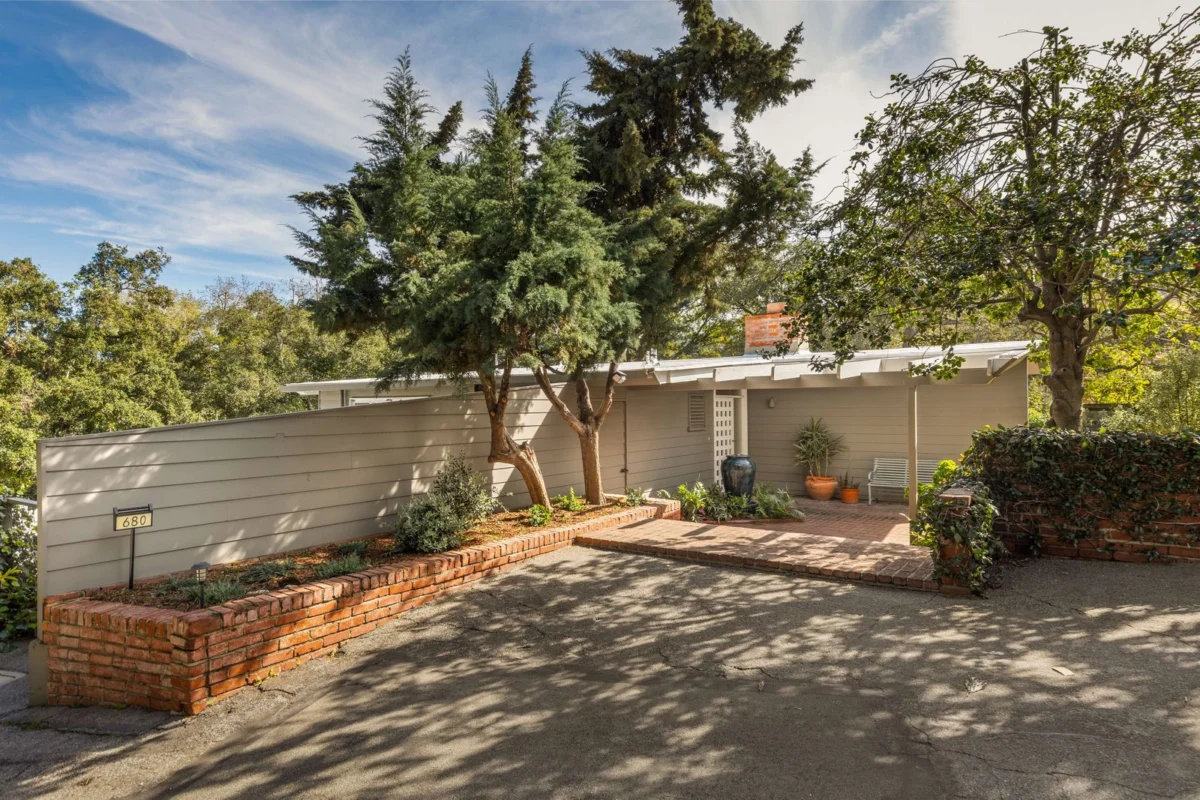
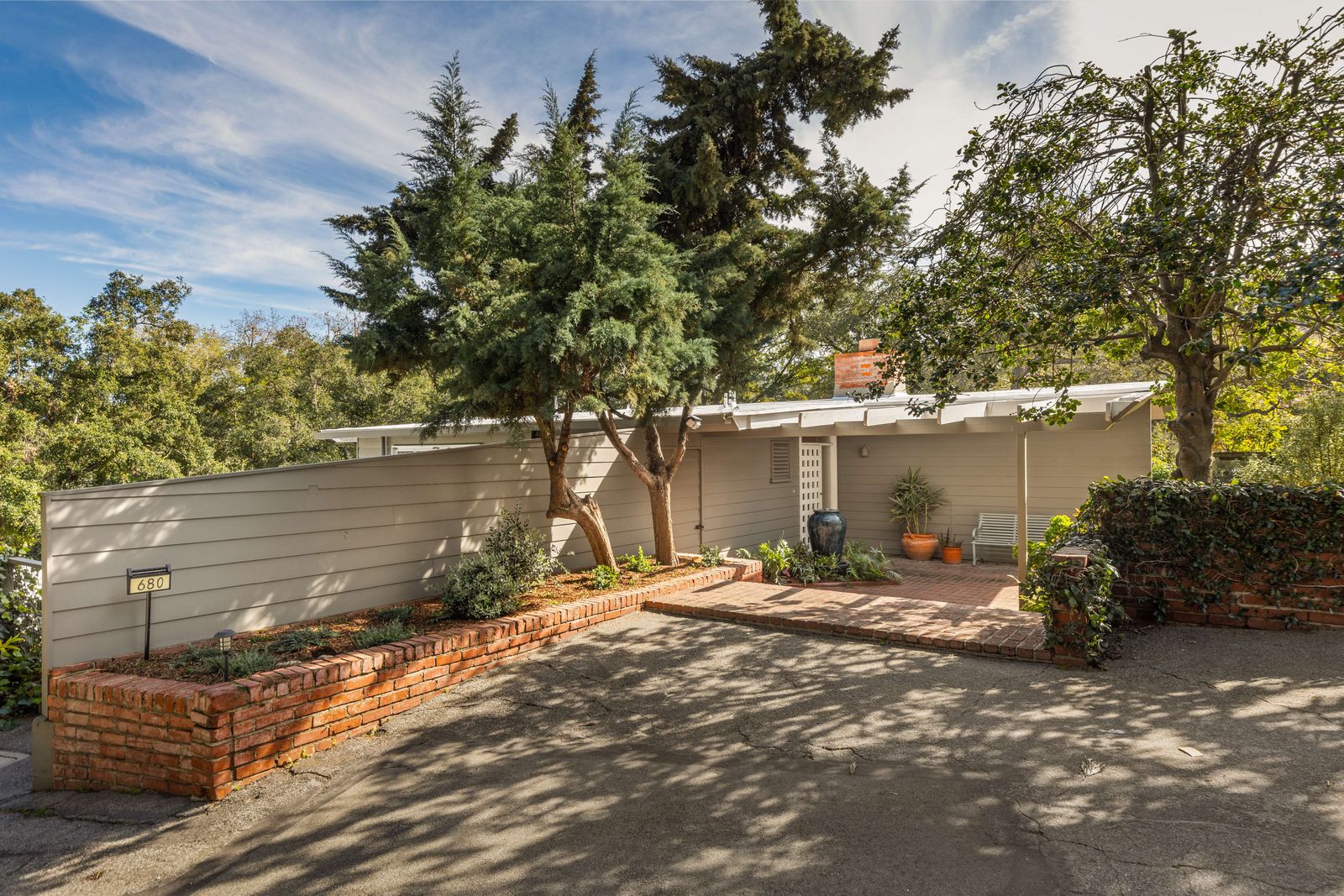
The distinguished Stromberger Residence, a quintessential example of postwar California modernism meticulously designed by acclaimed architect Henry Lawrence Eggers, has officially entered the real estate market in Pasadena, California, with an asking price of $2,850,000. Located at 680 Linda Vista Avenue and constructed in 1948, this iconic property is not merely a house but a significant piece of architectural history, celebrated for its innovative embrace of indoor/outdoor living and its blend of contemporary and traditional California ranch influences. Its status as a surveyed City of Pasadena landmark further underscores its importance within the region’s rich architectural narrative.
A Testament to Postwar California Modernism
The Stromberger Residence stands as a powerful symbol of the architectural optimism that swept through California in the decades following World War II. This era, often characterized by its forward-looking vision, sought to integrate modern design principles with the state’s unique climate and lifestyle. Architects like Henry Lawrence Eggers, an AIA fellow renowned for his focus on seamless indoor/outdoor transitions, were at the forefront of this movement. The agent’s description, which quotes the Pasadena Star-News from 1953 describing the home as "a contemporary home with a quota of indoor/outdoor living," highlights its early recognition and enduring relevance.
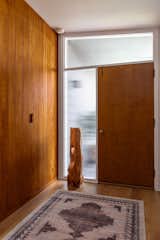
Postwar modernism in Southern California was a departure from more ornate, traditional styles, favoring clean lines, open floor plans, and a deep connection to the surrounding landscape. It was a style born from a desire for functionality, efficiency, and a relaxed, casual way of life that resonated deeply with the burgeoning suburban landscape. The Stromberger Residence perfectly embodies these ideals, offering a thoughtful hybrid that respects both the emerging contemporary aesthetic and the region’s established ranch traditions. Its low-pitched roofline and generous overhangs subtly echo the Spanish colonial and California ranch architecture, providing both shade and a sense of grounding, while simultaneously paving the way for a more open and integrated living experience.
Henry Lawrence Eggers: Architect of Seamless Living
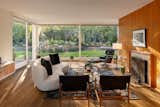
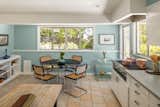
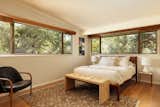
Henry Lawrence Eggers’ architectural philosophy was deeply rooted in the belief that homes should harmonize with their environment. His work consistently explored ways to blur the boundaries between interior and exterior spaces, a hallmark of the California modern movement. For the Stromberger Residence, Eggers masterfully achieved this through the incorporation of two massive sliding glass doors. These architectural elements are not merely windows but dynamic interfaces that physically and visually dissolve the separation between the internal living areas and the expansive outdoors, inviting natural light and fresh air deep into the home.
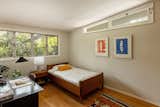
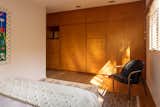
Eggers’ designs often reflected a pragmatic yet flexible approach to living spaces, a characteristic clearly evident in the Stromberger Residence’s layout. The home features two well-proportioned bedrooms on the main level, complemented by an additional bedroom located on the lower floor. Each level is served by a dedicated bathroom, ensuring convenience and privacy for residents and guests alike. This functional organization speaks to the modernist emphasis on livability and adaptability, allowing the home to cater to various family structures and lifestyles without sacrificing its aesthetic integrity.
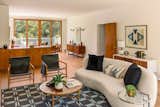
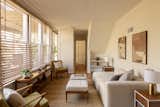
Beyond its structural elegance, the interior of the Stromberger Residence showcases a commitment to quality materials that enhance its natural aesthetic. The living and dining rooms, central to the home’s communal life, are notably clad in Habillo. This light-colored hardwood, sourced from tropical regions of the Americas, lends a warm, inviting glow to these spaces, providing a natural counterpoint to the expansive glass elements and reinforcing the home’s organic connection to nature. The choice of Habillo, known for its beauty and durability, further illustrates Eggers’ meticulous attention to detail and his dedication to crafting homes that were both visually striking and built to last.
Garrett Eckbo’s Visionary Landscape Design
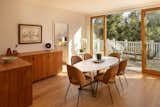
The architectural brilliance of the Stromberger Residence extends far beyond its walls, encompassing its meticulously designed outdoor environments, which bear the signature of Garrett Eckbo. Widely regarded as "the father of modern landscape architecture," Eckbo’s involvement elevates the property’s significance, placing it within the pantheon of historically important designed gardens in Pasadena. His work at the residence exemplifies his pioneering approach to landscape design, which sought to integrate outdoor spaces as extensions of the indoor living areas, rather than mere decorative backdrops.
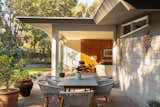
Eckbo’s philosophy challenged traditional, formal garden designs, advocating for landscapes that were fluid, functional, and reflective of modern living. He believed in creating spaces that encouraged interaction, relaxation, and a deeper connection to nature. For the Stromberger Residence, this translated into outdoor areas that are thoughtfully structured yet organically flowing, designed to complement Eggers’ architectural vision. The integration of the landscape with the house further enhances the indoor/outdoor living experience, creating a harmonious environment where the natural world and built environment coalesce.
The property’s designation as one of Pasadena’s historic designed gardens is a testament to Eckbo’s enduring legacy and the exceptional quality of his work at this site. Such a designation acknowledges the garden’s artistic and historical value, recognizing its contribution to the understanding of mid-century landscape architecture. It implies a level of preservation and appreciation for the outdoor spaces that is on par with the architectural structure itself. This makes the Stromberger Residence particularly appealing to buyers who value not only modernist architecture but also historically significant landscape design.
Further enhancing the outdoor amenities is a separate pool house, a thoughtful addition that provides practical functionality without detracting from the main residence’s aesthetic. This ancillary structure includes two convenient changing rooms and a half bathroom, making it an ideal amenity for poolside entertaining and recreation. The presence of a dedicated pool house underscores the property’s commitment to a lifestyle that embraces leisure and outdoor enjoyment, fully realizing the "quota of indoor/outdoor living" lauded by the Pasadena Star-News decades ago.
Pasadena Landmark Status: Preservation and Prestige
The Stromberger Residence’s official designation as a surveyed City of Pasadena landmark is a critical aspect of its identity and market appeal. This status is not merely an honorific title; it confers a level of protection and recognition that distinguishes the property from others. For a home to be declared a landmark in Pasadena, it must typically meet stringent criteria related to its architectural significance, historical associations, and contribution to the city’s cultural heritage.
Such a designation implies that the property is considered an irreplaceable asset to Pasadena’s historical and architectural fabric. While it offers prestige, it also comes with responsibilities, primarily in the form of design review processes for any proposed exterior alterations or significant modifications. This ensures that the essential character and integrity of the landmark are preserved for future generations. For a potential buyer, this means acquiring a piece of history that is protected and valued by the community, offering both a sense of stewardship and a unique investment.
The preservation of mid-century modern homes like the Stromberger Residence is crucial for understanding the evolution of American architecture and lifestyle. These homes represent a specific moment in time when design responded to social changes, technological advancements, and a burgeoning environmental consciousness. Pasadena, with its rich collection of historically significant architecture, actively promotes the preservation of these structures, recognizing their educational and cultural value. The Stromberger Residence stands as a prime example of this commitment, reflecting a broader architectural narrative of innovation, optimism, and the enduring appeal of a lifestyle integrated with nature.
Market Implications and Buyer Profile
The listing of the Stromberger Residence for $2,850,000 places it firmly within the luxury segment of Pasadena’s competitive real estate market. Homes of this caliber, particularly those with significant architectural and historical provenance, attract a very specific type of buyer. This is not just a transaction for a house; it is an acquisition of a curated legacy.
Prospective buyers are likely to be architectural enthusiasts, design connoisseurs, or individuals deeply invested in the preservation of historical homes. They often seek properties that offer a unique narrative, a connection to a specific artistic movement, and a sense of living within a piece of art. The fact that the home was designed by Henry Lawrence Eggers and features landscape architecture by Garrett Eckbo adds considerable weight to its appeal, making it a rare offering.
The current real estate climate in Pasadena, much like many desirable Southern California communities, continues to demonstrate strong demand for distinctive properties. While the broader market may experience fluctuations, architecturally significant homes tend to hold their value well and often appreciate due to their unique qualities and limited availability. The Stromberger Residence represents an opportunity not only to own a beautiful and functional home but also to become a custodian of an important cultural artifact.
Furthermore, the enduring popularity of mid-century modern design ensures a consistent interest in properties from this era. This style, with its timeless appeal, clean aesthetics, and emphasis on light and space, continues to influence contemporary design and captivate homeowners worldwide. The Stromberger Residence, as an original and well-preserved example, offers an authentic experience of this beloved architectural period, setting it apart from newer constructions attempting to replicate the style.
Conclusion: An Enduring Legacy
The Stromberger Residence is more than just a property; it is a meticulously crafted environment that encapsulates the spirit of postwar California modernism. From Henry Lawrence Eggers’ thoughtful fusion of contemporary and ranch influences to Garrett Eckbo’s pioneering landscape design, and its official recognition as a City of Pasadena landmark, every aspect of this home tells a story of architectural innovation and a harmonious connection to its natural surroundings.
As it enters the market, the residence offers a rare opportunity for a discerning buyer to acquire not just a home, but a significant piece of American architectural heritage. It stands as a compelling study in how design can reflect cultural aspirations, providing a living testament to the optimism of its era and the timeless allure of indoor/outdoor living. The Stromberger Residence is poised to continue its architectural narrative, offering its next owner a unique blend of historical significance, aesthetic beauty, and a truly iconic Southern California lifestyle.