
 admin
admin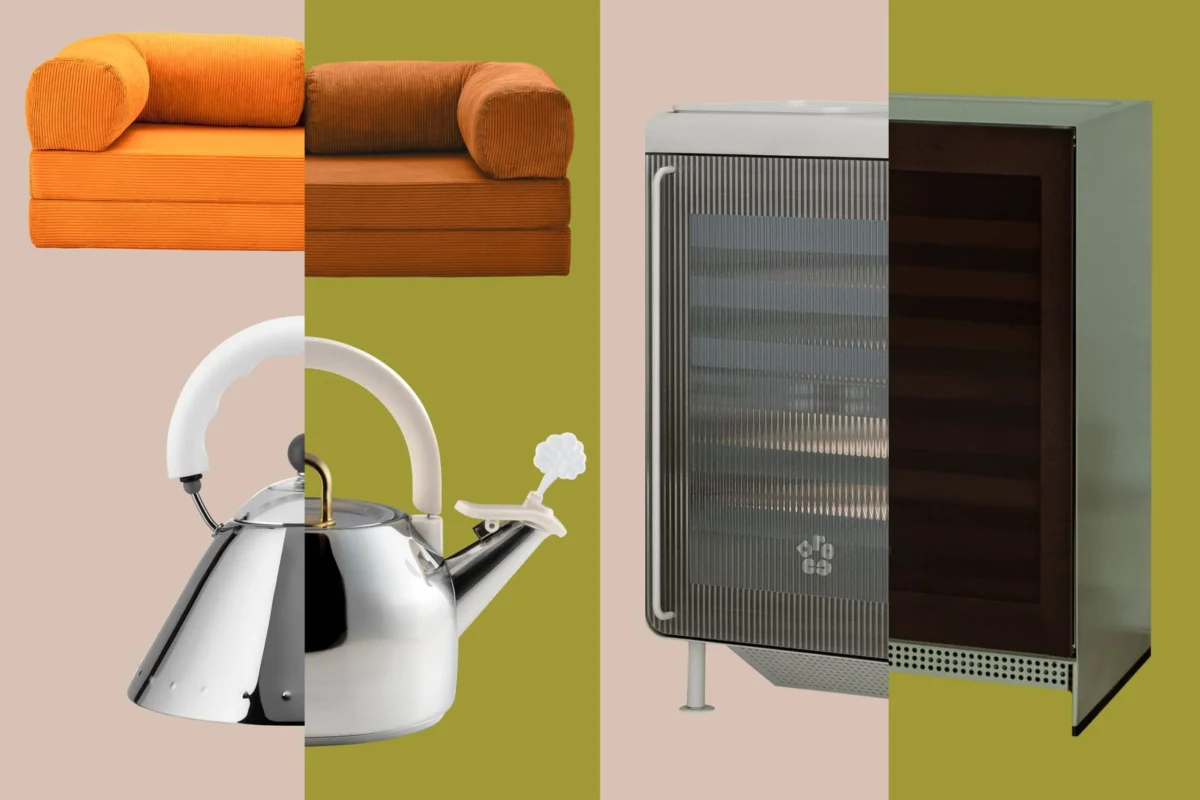
The lexicon of consumer goods has long included terms like "knockoffs," "replicas," and "fakes," carrying with them connotations of illicit trade and compromised quality. However, in recent years, a new term has entered the mainstream vernacular: "dupes." This seemingly innocuous abbreviation for "duplicates" has transformed the perception of counterfeit products, shedding the negative imagery of back-alley deals for a more palatable, even trendy, association. No longer a major faux pas, purchasing lower-priced versions of viral products has, particularly through the lens of social media, evolved into a "badge of honor" for many consumers. This cultural shift is not merely about affordability; it represents a complex interplay of consumer desire, technological advancement, and evolving brand strategies in an increasingly interconnected global marketplace.
The Genesis of the "Dupe" Economy: Social Media as a Catalyst
The rise of "dupes" as a celebrated consumer category is inextricably linked to the pervasive influence of social media platforms like TikTok and Instagram. These channels have democratized access to aspirational lifestyles and luxury aesthetics, creating an environment where viral products—from high-end fashion accessories to unique home furnishings—can quickly capture public imagination. Influencers and content creators frequently showcase these items, inadvertently or intentionally fueling demand. When the original products come with prohibitive price tags, the market naturally responds with alternatives.
What distinguishes the modern "dupe" phenomenon from traditional counterfeiting is its overt celebration and open discussion online. Consumers actively seek out and share information about "dupe" products, posting side-by-side comparisons, reviews, and shopping guides. This collective endorsement has normalized the purchase of look-alikes, turning it into a savvy shopping strategy rather than a dubious act. Retailers, too, have caught on; while established brands like Restoration Hardware have historically engaged in subtle design interpretations, newer players like Quince are overtly marketing "look-alikes" to cater to a demographic hungry for "low-cost luxury." This strategic shift highlights a broader market acceptance and even demand for products that emulate high-end designs without the premium price tag. The global counterfeit market, already estimated to be worth over $500 billion annually by organizations like the OECD, has undoubtedly seen a significant portion of its growth in recent years fueled by the digitally-driven "dupe" trend, especially across categories like apparel, electronics, and increasingly, home goods.
The Legal Labyrinth: Protecting Original Design in a Digital Age
For independent designers and larger brands, combating the proliferation of knockoffs has been a persistent, often uphill battle. Traditional methods, including lawsuits, public shaming, and educational campaigns, have yielded limited success. The primary challenge lies in the nature of intellectual property law as it applies to design objects. Unlike literary or musical works, which often enjoy robust copyright protection, designs—especially functional ones—are notoriously difficult to protect. Copyright law typically protects artistic expression, not functional utility, meaning that while a specific pattern or sculpture might be protected, the underlying design of a chair or a kettle often falls into a legal grey area, unless it qualifies for patent or trademark protection, which are more costly and complex to obtain and enforce.
The digital age has further complicated this landscape. The ease with which sellers can now generate AI-powered images of products, establish online storefronts on global marketplaces, and leverage targeted advertising through platforms like Google Ads has dramatically lowered the barrier to entry for dupe manufacturers. A viral product can be replicated and marketed globally within days, making it a "never-ending thing," as Christine Smith, creative director of Danish brand OMHU, describes it. Brands often find themselves playing a perpetual game of whack-a-mole, reporting counterfeits on one platform only to see another pop up elsewhere almost immediately. The financial burden of continuous legal action is prohibitive for most, especially independent creators whose entire livelihood can depend on the uniqueness of their designs.
Brands Rethink Strategy: Embracing or Outmaneuvering the Dupe
Faced with this intractable challenge, the conventional wisdom of fighting every counterfeit has begun to shift. In fact, some social media and marketing experts have even advised brands to "embrace the dupe." This controversial suggestion has led some innovative companies to adopt unconventional strategies, often by "duping themselves."
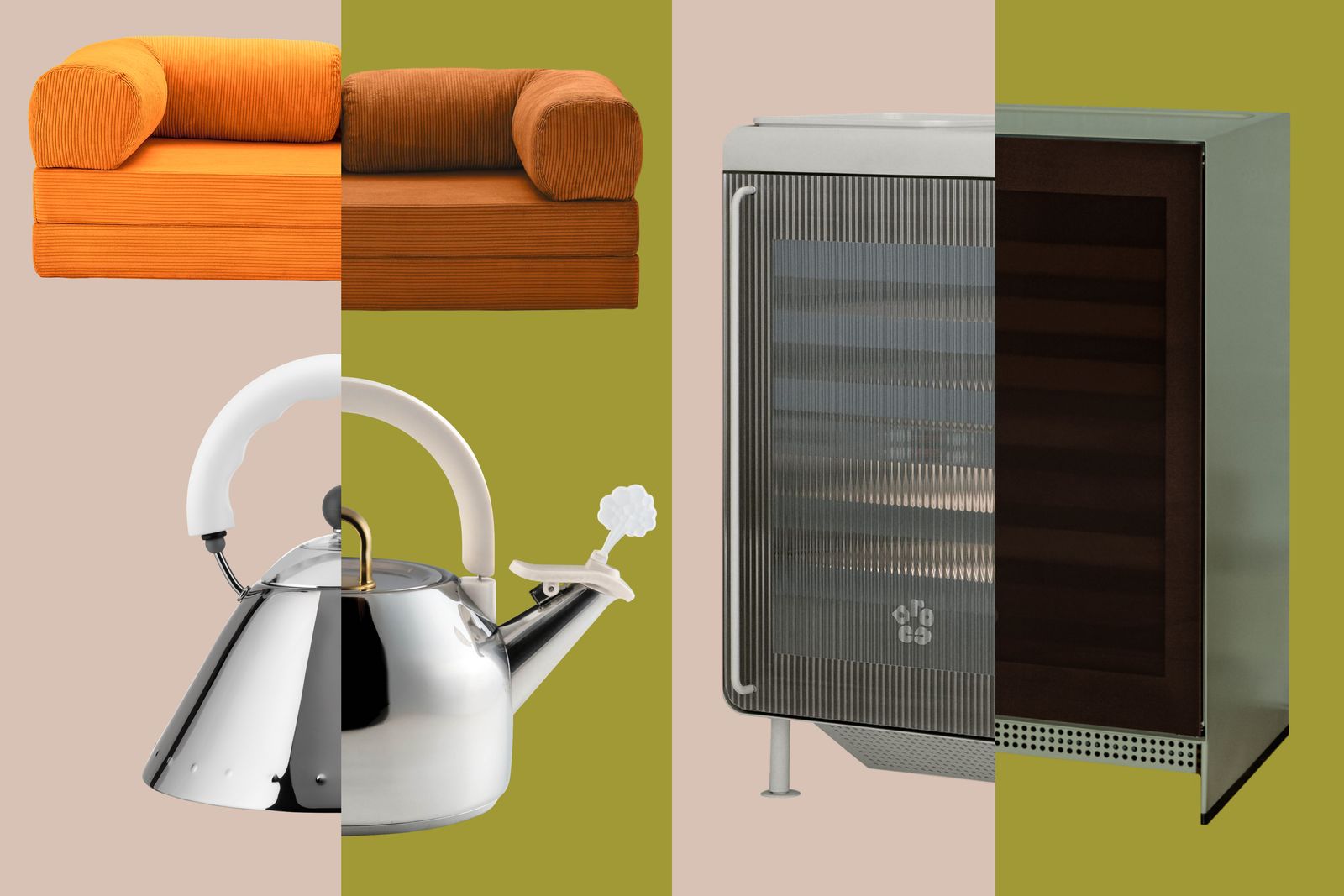
One such pioneering example comes from OMHU, the Danish brand behind the highly sought-after "boneless" Teddy sofa. Launched in 2022, the Teddy sofa, characterized by its all-foam cushions nestled within a chrome frame, quickly became an Instagram sensation. However, its viral popularity also made it a prime target for dupes, with replicas appearing on platforms like Walmart, Wayfair, Temu, and AliExpress for as little as $300, a stark contrast to the original Teddy’s approximately $2,000 price tag.
In early September, OMHU decided to "outdupe the dupe." They launched the "Tedy" (an intentional misspelling), a bright-orange, limited-edition iteration of their popular sofa priced at $799.99 with free shipping. OMHU produced just 100 Tedy sofas—50 for European shoppers and 50 for the U.S.—and strategically dropped them on platforms where dupes typically thrive: Temu, Etsy, and a dedicated site, dupe.com. The response was instantaneous and overwhelming; all 100 units sold out in a mere 10 minutes. In an ironic twist, Temu’s automated systems flagged OMHU’s sudden surge of sales as "suspicious activity," temporarily disabling their storefront and forcing the brand to individually contact buyers for shipping arrangements. While OMHU has no plans to restock the Tedy, the campaign lives on through iconicdupe.com, preserving the memory of this audacious marketing experiment.

Christine Smith explains the rationale behind this bold move: "I think sometimes when you treat stuff with a different tone of voice and not just pointing a finger, but actually doing it with a wink in the eye and a bit of humor, you can get a lot more people to pay attention." The campaign’s true objective, she states, was not to simply sell more sofas but to "skewer knockoffs and start a conversation about why they’re not worth buying." This approach leverages the very virality of the dupe trend to educate consumers about the value of original design and the hidden compromises of cheap imitations.
Beyond the Gimmick: Intentional Design for Accessibility
While OMHU’s strategy was a direct, humorous confrontation of the dupe market, other brands are tackling the affordability gap through intentional design and product development. This approach predates the current "dupe" craze but addresses the same underlying tension: the mismatch between what consumers are willing or able to spend and the cost of producing high-quality, original products.
Rocco, the brand behind a popular viral beverage fridge, exemplifies this proactive strategy. Their original Classic fridge, priced at $1,995, quickly gained traction but remained a significant investment. Recognizing the desire for a more accessible option, Rocco embarked on a year-and-a-half-long development process to create the Essential fridge, which launched in August. At $1,195, it’s nearly half the price of the Classic, yet, according to cofounder Alyse Borkan, it maintains key quality attributes, including a whisper-soft compressor and precise, even cooling.
Borkan clarifies that the Essential fridge was not conceived as a "dupe" competitor. Work on it began before the current wave of dupe challenges and fraudulent international sites mimicking Rocco’s products. Instead, it was an earnest effort to make a "Rocco to everybody who wants one" by optimizing manufacturing and supply chain costs. "The cost of manufacturing and the cost of getting products to market has just gone up over the past few years," Borkan notes, explaining that the Classic model became "more expensive than we intended it for it to be, truthfully." Despite not being a dupe, the Essential fridge undeniably caters to the same customer segment drawn to lower-priced options, having already sold over 1,000 units since its late August launch. Rocco’s marketing emphasizes its affordability compared to the Classic, while carefully distancing it from being "cheap," underscoring its continued commitment to quality.
Similarly, the legacy of late architect and designer Michael Graves offers a historical blueprint for design accessibility. Graves was renowned for creating home goods for both luxury brands like Alessi and mass retailers such as Target. Ben Wintner, CEO of Michael Graves Design, articulates this enduring philosophy: "We’ve always believed that good design shouldn’t be reserved for people who can afford expensive objects." This year, Michael Graves Design released the Steamy Kettle, an object that echoes the joyful aesthetic of Graves’s iconic $350 9093 kettle for Alessi but at less than half the price. Crucially, the Steamy Kettle is not a mere cost-engineered copy; it boasts distinct functionalities, such as a folding handle for easier storage, a balanced grip for one- or two-handed pouring, and a lid loop for utensil-assisted opening.

Wintner emphasizes their approach: "We don’t start with an expensive object and ask how to make a cheaper copy of it. We ask what we can create at a particular price point that deserves to exist on its own." This philosophy of designing original products for a specific price point, rather than simply de-contenting a premium item, represents a powerful alternative to the dupe cycle. It acknowledges consumer budget constraints while preserving the integrity of design and innovation.
The Consumer Conundrum: Beneath the Surface of Savings
The enthusiastic reception of OMHU’s Tedy campaign, particularly comments like, "This was such a smart business decision! You guys have been missing out on so many customers and $$$ from people who simply can’t justify spending $1,500 to $3,000 on a couch in this economy," highlights the core tension. Consumers are genuinely seeking value, especially in an economic climate marked by inflation and rising living costs. The "dupe" offers an immediate gratification: the aesthetic appeal of a high-end item without the financial strain.
However, as Coleman Gutshall, Vice President of Be Original Americas and VP of Strategic Operations at Bernhardt, points out, there’s a critical distinction to be made, particularly in the home goods market. "A duplicate is not really a duplicate; it’s a substitute at best." The online world often reduces three-dimensional objects to mere images, making it impossible for buyers to discern crucial qualities like comfort, sturdiness, material integrity, and construction quality. A dupe of a bracelet might largely function like its luxury counterpart, but a dupe of a sofa rarely delivers the same ergonomic support, durability, or material feel.
John Edelman, President of Be Original Americas and Haworth Lifestyle (which includes luxury brands like Poltrona Frau and Cassina), drives this point home: "If we could make the Archibald chair for $1,500 to the consumer, we’d do it tomorrow. It’s not possible." The price of authentic design reflects not just the brand name, but often decades of research and development, ethical labor practices, high-quality, sustainably sourced materials, and meticulous craftsmanship. These elements are impossible to replicate cheaply without significant compromises.
Furthermore, Gutshall offers a sociological analysis of the dupe trend: "There is this sort of countercultural stuff going on because there’s so much income inequality, there is so much in our faces of influencers showing off their obscenely luxurious lifestyles and everybody is watching it and you didn’t used to see that a generation ago." The glorification of dupes on social media can be seen as a form of rebellion, a way for consumers to "thumb their nose a bit" at a system perceived as unfair, where luxury is unattainable for many. Yet, in this rebellion, consumers often pay a different kind of price: products that quickly degrade, contributing to waste, or are manufactured under exploitative labor conditions. The nuance of ethical consumption and lasting value often gets lost in the pursuit of a viral aesthetic.

The Broader Implications: Innovation, Quality, and Sustainability
The proliferation of dupes carries significant implications for the design industry and consumer culture at large. On one hand, it raises questions about the future of innovation. If original designs are immediately copied and sold at a fraction of the cost, what incentive remains for brands to invest heavily in research, development, and groundbreaking creativity? This could lead to a stagnation of genuinely new and exciting products, as designers become wary of pouring resources into ideas that will simply be appropriated.
Moreover, the emphasis on affordability above all else risks a race to the bottom in terms of quality and sustainability. Cheap dupes are often made with inferior materials, shorter lifespans, and less regard for environmental impact or ethical sourcing. This contradicts a growing consumer awareness about sustainable practices and conscious consumption. A quality piece of furniture or an appliance is an investment designed to last for years, sometimes decades, reducing the need for frequent replacements and minimizing waste. Dupes, by their very nature, often encourage a more disposable consumption model.
Finally, the "dupe" phenomenon blurs the lines of authenticity and brand identity. For consumers, it can lead to confusion and a diminished understanding of what constitutes true value in design. For brands, it dilutes their intellectual property and artistic integrity, making it harder to differentiate themselves in a crowded market.
Looking Ahead: A Shifting Landscape
The battle against dupes is evolving beyond traditional legal skirmishes. Brands are increasingly exploring multi-pronged approaches that combine strategic product diversification, innovative marketing, and a renewed emphasis on educating consumers about the true value proposition of original design. By offering tiered product lines, designing for diverse price points from the outset, or even engaging in satirical campaigns like OMHU’s Tedy, companies are seeking new ways to connect with customers and underscore the importance of quality and authenticity.

As Christine Smith aptly puts it, addressing the dupe issue requires a multifaceted approach: "It can be such a heavy topic if you just say, ‘Oh, this is only about the consequences.’ I think people in general have a bit of fatigue from sad news. That’s why we like approaching dupes from both angles. There are the consequences, but there’s also the pop cultural thing and also just taking a bit of the piss out of something." By injecting humor and cultural relevance into the conversation, brands hope to move beyond finger-pointing and foster a deeper understanding of why ethical labor, lasting materials, and original thought are worth investing in. The ultimate goal is to shift consumer behavior away from merely chasing viral aesthetics towards a greater appreciation for the craftsmanship, innovation, and long-term value inherent in authentic design.








