admin
admin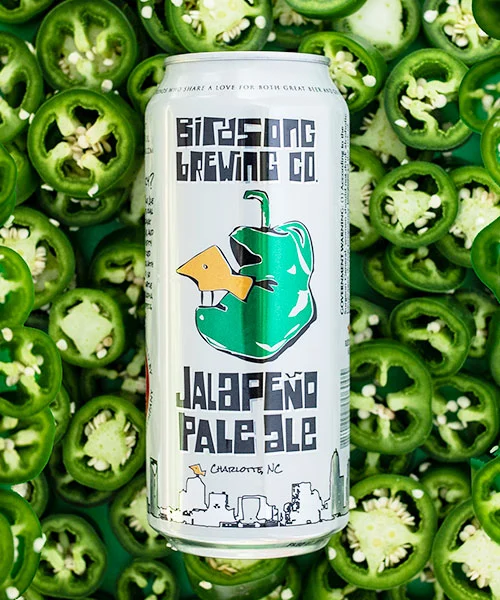
The American craft beer industry has long been defined by its pursuit of the extreme, transitioning from the "hop wars" of the early 2000s to the recent proliferation of high-gravity stouts and lip-puckering sours. However, a new frontier in flavor complexity has emerged as brewers increasingly experiment with heat. Once dismissed as a novelty or a "dare" drink, spicy beers—specifically those infused with various cultivars of the Capsicum annuum family—are gaining traction as a legitimate sub-style. This evolution represents a shift in consumer palates toward savory, complex, and "maximalist" beverage profiles that challenge the traditional boundaries of fermentation.
The Chemistry of Heat and Hops
To understand the rise of chili beers, one must first examine the physiological interaction between capsaicin and carbonated malt beverages. Capsaicin, the active component of chili peppers, is a hydrophobic molecule that binds to TRPV1 receptors on the tongue, signaling a sensation of heat to the brain. While dairy products are often cited as the primary antidote to this burn—due to the protein casein acting as a detergent to strip capsaicin from receptors—beer offers a more complex interaction.
In low-alcohol, highly carbonated styles like Pilsners or lagers, the effervescence acts as a mechanical scrubber, providing temporary relief. Conversely, high-alcohol beers can amplify the sensation, as ethanol also sensitizes the TRPV1 receptors. Modern craft brewers are leveraging this chemistry to create "balanced heat," where the malt backbone provides a cooling sweetness that allows the fruitiness of the pepper to shine before the capsaicin-induced "bite" takes hold.
A Chronology of the Chili Beer Movement
The integration of peppers into beer is not a modern invention, but its commercialization has followed a distinct timeline:
- The Early Experimentation (1980s–1990s): The 1989 release of Cave Creek Chili Beer by Ed Chilleen is often cited as the first major commercial attempt to market a pepper-infused lager. Featuring a whole serrano pepper in the bottle, it was largely viewed as a tourist gimmick.
- The Craft Integration (2000s–2010s): As the craft beer boom took hold, breweries began using peppers more subtly. The Great American Beer Festival (GABF) officially recognized the "Chili Beer" category, separating it from the broader "Herb and Spice" category to acknowledge the unique technical challenges of brewing with heat.
- The Sophistication Era (2020–Present): Brewers have moved beyond simple jalapeño infusions to explore smoke (chipotles), tropical sweetness (habaneros), and regional specialties (Hatch chiles), often utilizing sophisticated aging techniques like oak-foeder fermentation.
Regional Leaders in the Spicy Beer Segment
Across the United States, several breweries have become benchmarks for the style, each utilizing different techniques to incorporate heat into their portfolios.
The Sour and Smoky Approach: Grimm Artisanal Ales
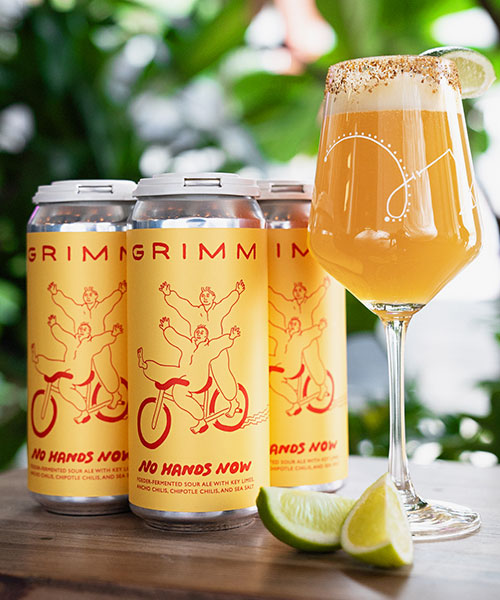
In Brooklyn, New York, Grimm Artisanal Ales has gained acclaim for "No Hands Now," a low-ABV sour ale that draws inspiration from the Mexican Michelada. Founded in 2013 by Lauren and Joe Grimm, the brewery initially operated as a "nomadic" entity before establishing a permanent site. Their approach to spice involves a complex fermentation process in oak foeders, where resident microbes introduce tartness.
The beer is steeped with ancho and chipotle chiles, providing a foundation of smoke and earthiness rather than raw heat. The addition of lime juice and Motueka hops—known for their citrus-forward profile—mimics the traditional garnish of a Michelada, while sea salt provides a savory finish. This beer demonstrates how heat can be used as a structural element in a refreshing, low-alcohol beverage.
Agricultural Integration: Birdsong Brewing Co.
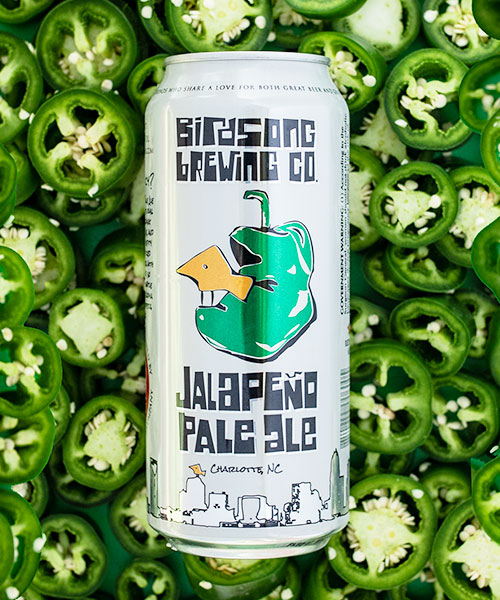
In Charlotte, North Carolina, Birdsong Brewing Co. has focused on the agricultural aspect of spicy brewing. Their Jalapeño Pale Ale has transitioned from a taproom experiment in 2010 to a flagship production. The brewery utilizes approximately 400 pounds of locally grown North Carolina jalapeños annually, specifically during the peak season of June through November.
The technical challenge for Birdsong was not the volume of peppers but the "contact time." By removing the seeds of the jalapeños, the brewers extract the vegetal, crisp aroma of the pepper while maintaining a mild heat profile. This allows the beer to remain accessible to a broader demographic, functioning more as an aromatic pale ale than a "hot" drink.
The Regional Tribute: Malibu Brewing
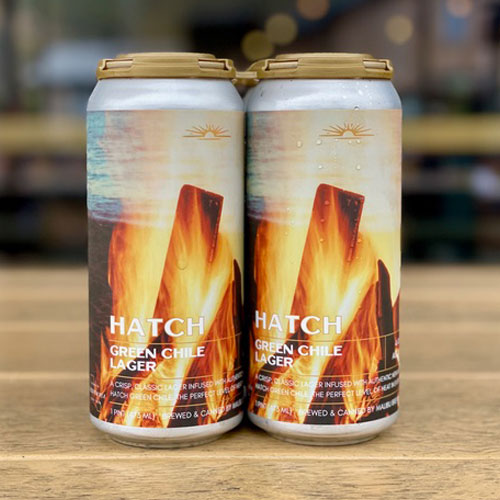
Malibu Brewing’s Hatch Chile Lager serves as a case study in regional branding and consumer demand. Utilizing the famed Hatch green chiles of New Mexico, the brewery created a beer that serves as both a cultural tribute and a technical achievement. The beer won gold at the Brewers Cup of California in the Chili Beer category, a distinction that highlights the growing competitive nature of the sub-style.
By using a crisp Mexican-style lager as the base, the brewers ensure that the roasted, savory notes of the Hatch chiles are the focal point. This beer is often used in the taproom as a base for beer cocktails, illustrating the versatility of spicy brews in the broader beverage market.
The "Slow Burn" and the Habanero Influence
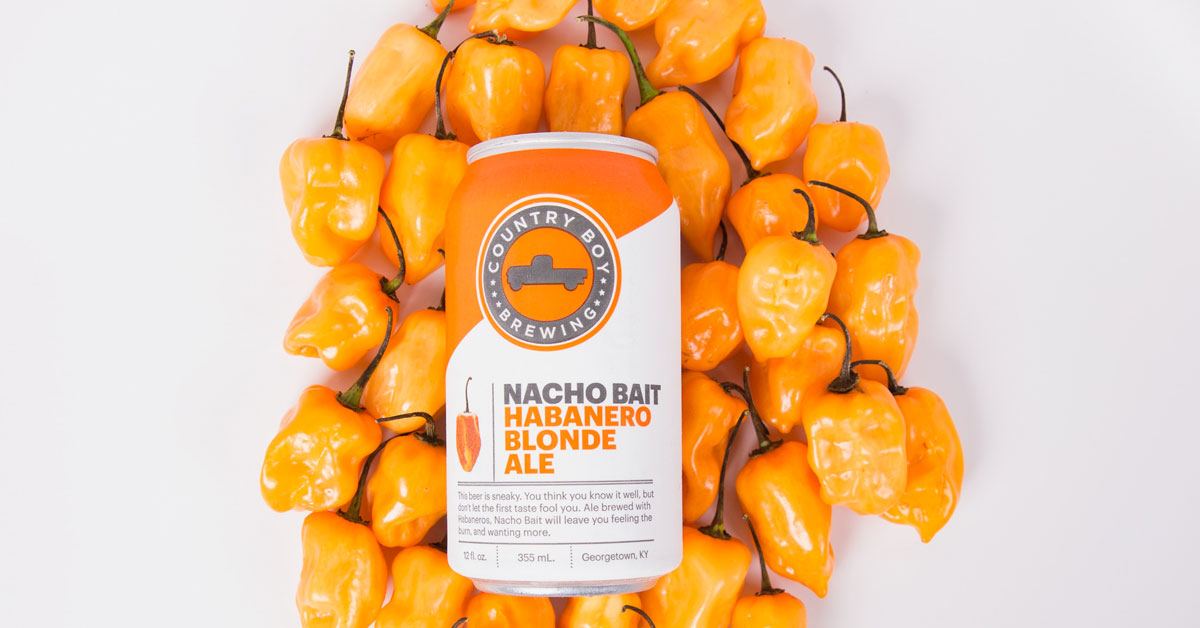
While jalapeños and anchos provide mild to moderate heat, many brewers are turning to the habanero for its unique combination of intense spice and tropical fruit notes. Country Boy Brewing in Lexington, Kentucky, produces "Nacho Bait," a habanero-infused blonde ale.
The brewery’s history with the beer includes legendary stories of the pepper’s potency, but the final product is a lesson in balance. By using a sweet blonde ale base, the brewery offsets the serrano and habanero heat with hints of peach and mango. This "sweet-heat" profile has become a significant trend in the industry, mirroring trends in the culinary world where spicy-sweet combinations dominate snack and condiment aisles.
Similarly, Bell’s Brewery in Michigan—now part of the Lion/Kirin group—has seen cult-like success with its Mango Habanero Oberon. Based on their legendary wheat ale, this variant uses fresh mango puree and habanero powder. Despite the brewery’s acquisition by a multinational corporation, the demand for this specific spicy variant remains high, indicating that the appetite for heat transcends the "independent" vs. "corporate" divide in craft beer.
The Competitive Extreme: The "Hot Ones" Effect
Beyond the balanced, food-friendly ales lies a subset of the industry dedicated to extreme heat. Inspired by the success of media properties like Hot Ones, some breweries are engaging in a race to produce the "world’s hottest beer."
Maltese Brewing Co. in Virginia and Burning Barrel Brewing Co. in California have both introduced challenges involving beers laced with Carolina Reapers—the world’s hottest pepper according to the Guinness World Records. These challenges often require participants to sign waivers, turning the act of drinking beer into a feat of endurance. While these products represent a tiny fraction of the market, they generate significant social media engagement and foot traffic, serving as effective marketing tools for the breweries.
Market Analysis and Future Implications
The rise of spicy beer is not an isolated phenomenon but a reflection of broader consumer trends. According to market research, the global hot sauce market is projected to reach nearly $5 billion by 2030, driven by a younger demographic that prioritizes bold and "authentic" flavors.
For the craft beer industry, which has faced slowing growth in recent years, spicy beers offer several strategic advantages:
- Differentiation: In a market saturated with IPAs, a well-executed chili beer stands out on a tap list.
- Food Pairing Potential: Spicy beers are uniquely suited for pairing with global cuisines, including Thai, Indian, and Mexican, which are often difficult to pair with traditional bitter or malty beers.
- Seasonality: While many craft styles are seasonal (e.g., stouts in winter), spicy beers have year-round appeal, offering refreshing heat in the summer and a "warming" sensation in the winter.
Technical Considerations for the Future
As the category matures, the industry is likely to see more standardization in how heat is measured and communicated to the consumer. Currently, many breweries use the Scoville Scale as a marketing tool, though its accuracy in a fermented liquid medium is subject to debate.
The Brewers Association continues to refine its guidelines for Chili Beer, emphasizing that "the chili pepper character should range from subtle to intense" but should always result in a "harmonious" beverage. As brewers continue to master the balance between the fire of the pepper and the cold of the pint, the "spicy beer" is poised to move from the periphery of the craft world to a permanent fixture on the American bar.
The success of breweries like Grimm, Birdsong, and Malibu suggests that the future of craft beer may not just be about how many hops one can pack into a kettle, but how much heat the palate can artfully endure. In the "sea of predictability" that defines some sectors of the market, the spicy beer remains a radical, transformative, and increasingly popular choice for the modern drinker.