admin
admin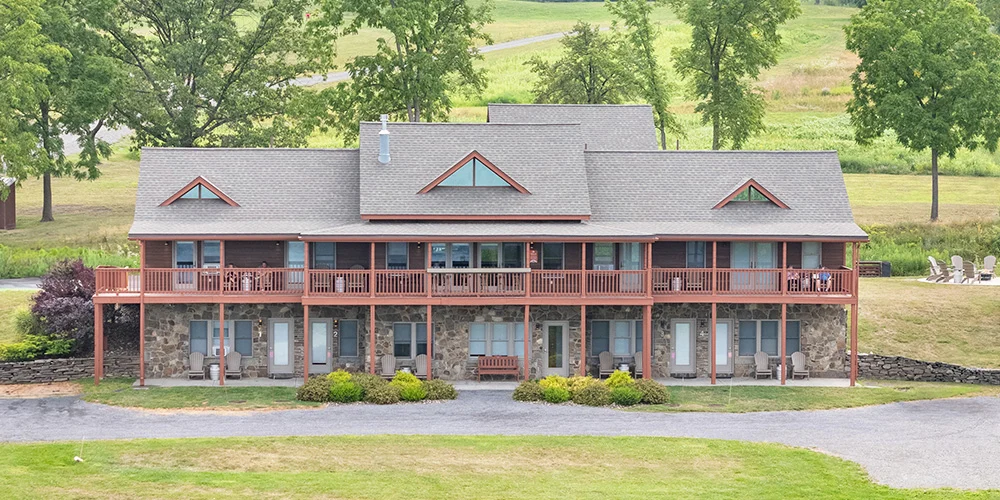
Across the United States, the craft brewing industry is undergoing a significant structural evolution, moving beyond the traditional taproom model to embrace the high-growth sector of experiential hospitality. Brewers are increasingly transforming rural barns, historic urban landmarks, and mid-century bungalows into boutique accommodations that serve as physical extensions of their brand identities. These "brewery stays" represent a strategic pivot toward the "experience economy," offering enthusiasts everything from rustic forest cabins and alpine lodges to high-concept, beer-centric hotels and tranquil lakeside inns. This shift reflects a broader trend in the beverage industry where consumer engagement is no longer defined by a single transaction, but by an immersive, multi-day brand experience.
The Evolution of Craft Beer Tourism
Beer tourism has historically been characterized by the "tasting flight" model—short-duration visits focused on sampling and procurement. However, market data from the Brewers Association indicates a maturation of the craft sector, where brand loyalty is increasingly driven by emotional connection and place-based storytelling. For modern breweries, lodging provides a diversified revenue stream that is less susceptible to the fluctuations of the wholesale distribution market. It allows a brewery to control the entire consumer environment, from the design of the furniture and the scent of the amenities to the curated selection of beers available in guest-room refrigerators.
This movement toward "beercations" aligns with the "slow travel" trend, where travelers prioritize deep engagement with a single location over rapid-fire sightseeing. By providing a comfortable bed just steps from the fermentation tanks, breweries are positioning themselves as comprehensive travel destinations. This strategy not only increases the average spend per visitor but also fosters a deeper psychological bond between the consumer and the brand, turning casual drinkers into lifelong advocates.
Case Study: Cabin Culture in the Columbia River Gorge
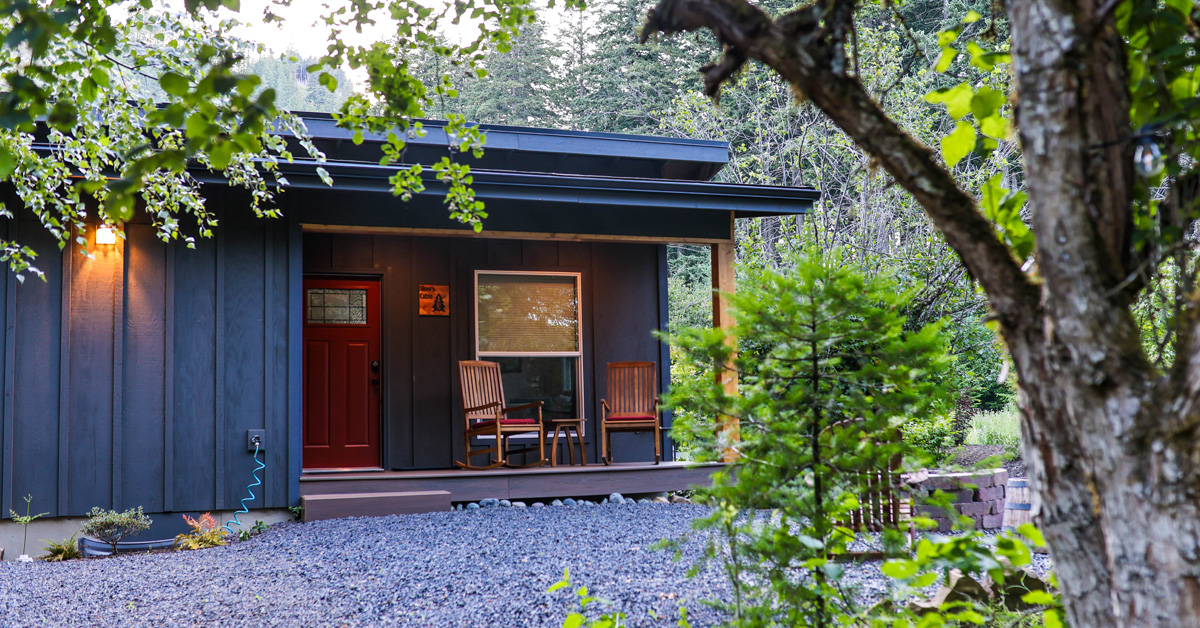
One of the most prominent examples of this trend is found in Carson, Washington, where Backwoods Brewing Company has integrated luxury lodging into the rugged landscape of the Columbia River Gorge. Located approximately one hour from Portland and three hours from Seattle, the brewery has long been a regional anchor. However, the introduction of Backwoods Cabins marked a new phase in the company’s business model.
According to Steve Waters, CEO of Backwoods Brewing Company, the decision to enter the hospitality sector was a response to existing consumer behavior. "People already come out here to slow down—what if they could stay the night too?" Waters noted. The development focuses on eight themed luxury cabins, including the Hiker’s, Kayaker’s, and Stargazer’s units, each designed to mirror the outdoor recreation that defines the region.
The architectural approach blends "Pacific Northwest cabin-core" aesthetics with modern upscale amenities. Each one-bedroom unit features gas fireplaces, leather armchairs, and 600-thread-count linens. To ensure the beer remains central to the stay, guests can opt for curated beer packages at the time of booking. This integration extends to the sensory experience, with hops-scented spa soaps and kitchenettes stocked with local provisions. From a product perspective, the stay encourages guests to explore the brewery’s diverse portfolio, including the Party Acres Hazy IPA, the Ridge Run Oatmeal Stout—characterized by its espresso and chocolate notes—and the specialty S’mores Golden Stout.
Heritage and Hospitality: The Alpine Model in Vermont
While some breweries are building new structures, others are leveraging deep historical roots. In Stowe, Vermont, the von Trapp Family Lodge and von Trapp Brewing represent the pinnacle of heritage-based beer tourism. Founded by the family that inspired The Sound of Music, the 2,600-acre estate has evolved into a world-class alpine playground where European brewing traditions are central to the guest experience.
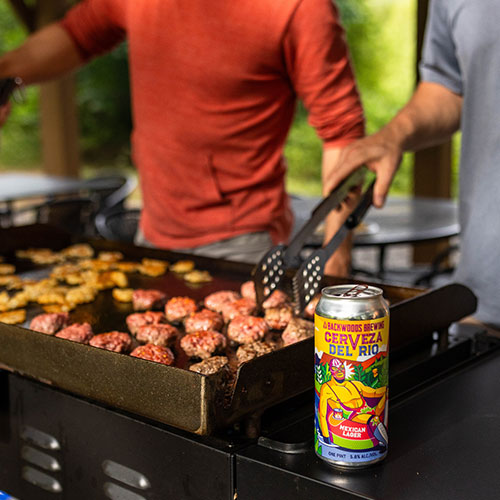
The brewery was established by Johannes von Trapp, who sought to replicate the crisp, refreshing lagers of his Austrian heritage. Emily Provost, the brewery’s marketing manager, emphasizes that the facility was built directly into the property to utilize natural spring water from the land. The integration of the brewery into the resort allows for a seamless "live, eat, and drink" experience.
The resort’s hospitality model is built on Austrian-inspired cuisine paired with estate-brewed lagers. The Bierhall serves traditional schnitzel and house-made bratwurst, often utilizing the brewery’s own beer in the recipes, such as beer cheese made with their award-winning Helles. This model demonstrates how a brewery can use lodging to celebrate specific brewing styles—in this case, Austrian lagers like the Kölsch-style and Oktoberfest—while providing a historical context that a standard taproom cannot replicate.
Strategic Integration: The Finger Lakes Experience
In the Finger Lakes region of New York, Grist Iron Brewing took a non-traditional path by prioritizing lodging from the outset. When scouting locations in Watkins Glen, the owners selected a property that already possessed existing rooms, allowing them to launch The Lodge at Grist Iron as a core component of the business rather than an afterthought.
The hospitality experience at Grist Iron is designed to be "beer-centric" from the moment of check-in, where guests are greeted with a complimentary pint. The rooms feature rustic-modern design elements, including brewing-themed murals and subway-tiled showers equipped with built-in "shower beer" ledges. This specific amenity has become a signature of the brand’s cheeky, approachable identity.
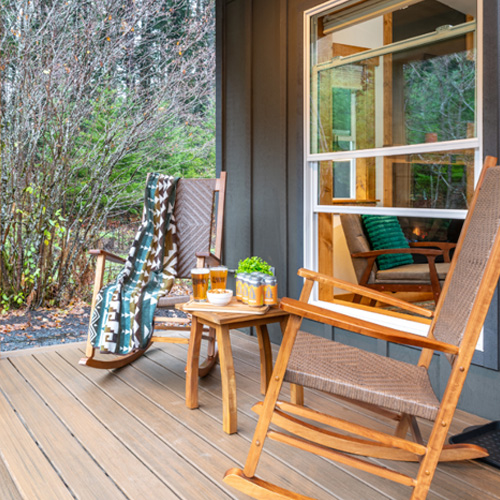
Emily Knowlden, social media and marketing coordinator for Grist Iron, observes that the presence of on-site lodging fundamentally changes guest interaction. "Guests immerse themselves in the Grist Iron experience," she stated. "They linger longer, come back often, and engage deeply with our team." The property has expanded to include "Beer Mountain," a disc golf course and dog park featuring a "Woof Top" bar, further blurring the lines between a traditional brewery and a full-scale vacation resort.
Adaptive Reuse and Thematic Innovation
The trend of brewery-led hospitality also encompasses the adaptive reuse of historic structures. McMenamins, operating across Oregon and Washington, has become a national leader in this space. The company specializes in transforming defunct schools, churches, and lodges into eclectic hotel-brewery hybrids. These properties are famous for their "secret" bars and site-specific artwork, providing a platform for flagship brews like the raspberry-infused Ruby Ale and the Hammerhead Pale Ale.
In Fargo, North Dakota, Drekker Brewing has pushed the boundaries of branded lodging with The Brewhalla Crash Pad. This boutique hotel features rooms themed after specific beers in the Drekker portfolio. For example, the Mind Bullets suite, named after the brewery’s sour IPA, utilizes psychedelic murals and industrial ductwork to mirror the beer’s label art. This "hyper-branded" approach targets a younger demographic that values "Instagrammable" and highly curated environments.
Similarly, the Commerce Street Brewery Hotel in Mineral Point, Wisconsin, offers a European-style brewpub experience within a historic district. By providing five rooms and additional cottages, the brewery anchors the local tourism economy, drawing visitors who seek traditional styles like the Mineral Point Pilsner and the English-style Old Number One ale.
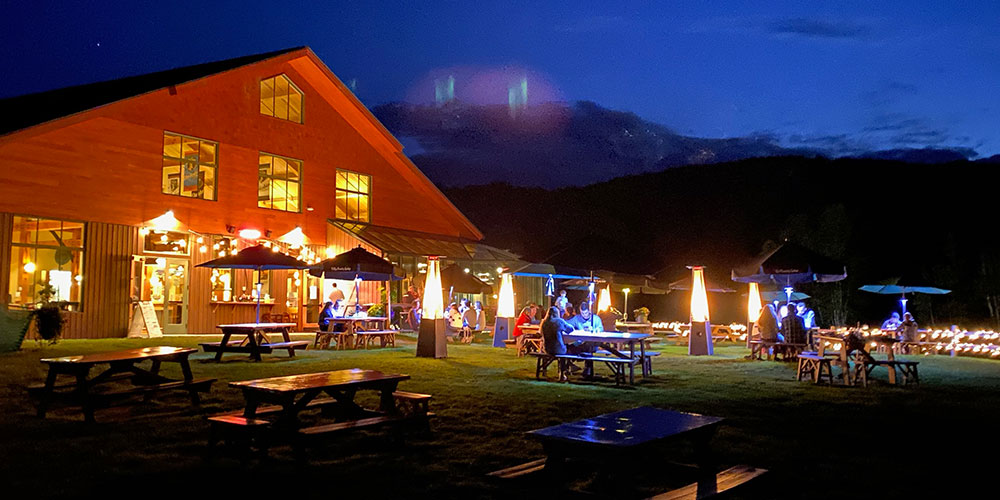
Chronology of the Brewery Lodging Movement
The intersection of brewing and lodging has evolved through several distinct phases:
- The Early Pioneers (1980s–1990s): Entities like McMenamins began the trend of adaptive reuse, proving that historic preservation and craft brewing were commercially compatible.
- The B&B Era (2000s–2010s): Small, family-run breweries began offering basic bed-and-breakfast services, often as a way to supplement income in rural areas.
- The Destination Resort Phase (2015–Present): Large-scale investments began appearing, with breweries like Dogfish Head (The Dogfish Inn) and Stone Brewing announcing major hospitality projects. This era is defined by high-end amenities and professionalized hotel management.
- The Immersive Experience Era (2020–Future): Post-pandemic travel preferences have accelerated the demand for isolated, unique, and brand-integrated stays, leading to the rise of luxury cabins and highly themed boutique hotels.
Economic and Regional Implications
The expansion into hospitality offers significant economic benefits for the regions involved. Many of these breweries are located in rural or semi-rural areas where they serve as primary employers and tourism drivers. By offering overnight stays, these businesses increase the "overnight visitor spend," which is typically much higher than that of day-trippers. This revenue trickles down to other local businesses, from farmers’ markets to outdoor guide services.
Furthermore, these establishments provide a buffer against the current "shelf space" crisis in the beer industry. As retail coolers become increasingly crowded, breweries that can sell the majority of their product "over the counter" or through their own hospitality channels enjoy higher margins and greater brand stability.
Conclusion: The Future of the Brewery Stay
The rise of the "beercation" signifies a permanent shift in the American craft beer landscape. As the market continues to saturate, the breweries that thrive will likely be those that offer more than just a liquid product. By transforming into hospitality providers, brewers are creating physical manifestations of their brand ethos, offering a level of engagement that traditional advertising cannot match. Whether through the lens of outdoor adventure in Washington, historic preservation in the Pacific Northwest, or European tradition in Vermont, the brewery stay has become a vital tool for storytelling and economic resilience in the modern era.